
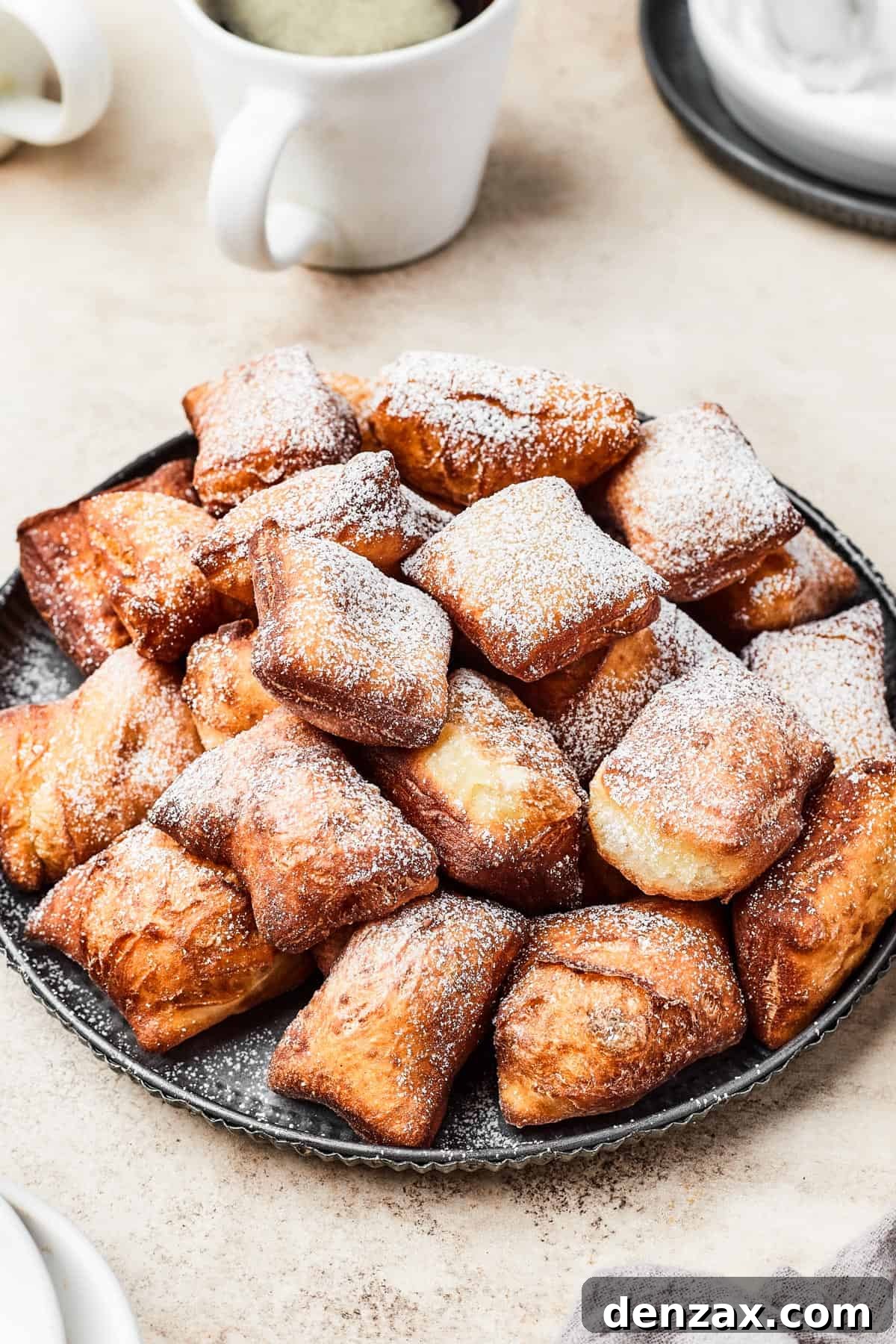
Authentic Homemade New Orleans Beignets: Your Guide to Fluffy, Powdery Perfection
Imagine sinking your teeth into a warm, soft, and impossibly fluffy pastry, generously dusted with powdered sugar. That’s the magic of an authentic New Orleans-style beignet, and yes, you absolutely can make these delightful treats right in your own kitchen! Forget long queues or expensive flights; this recipe brings the iconic flavors of the French Quarter directly to your home. These simple yet exquisite fried doughnuts are lightly sweet and promise to be a showstopper for any breakfast, brunch, or dessert.
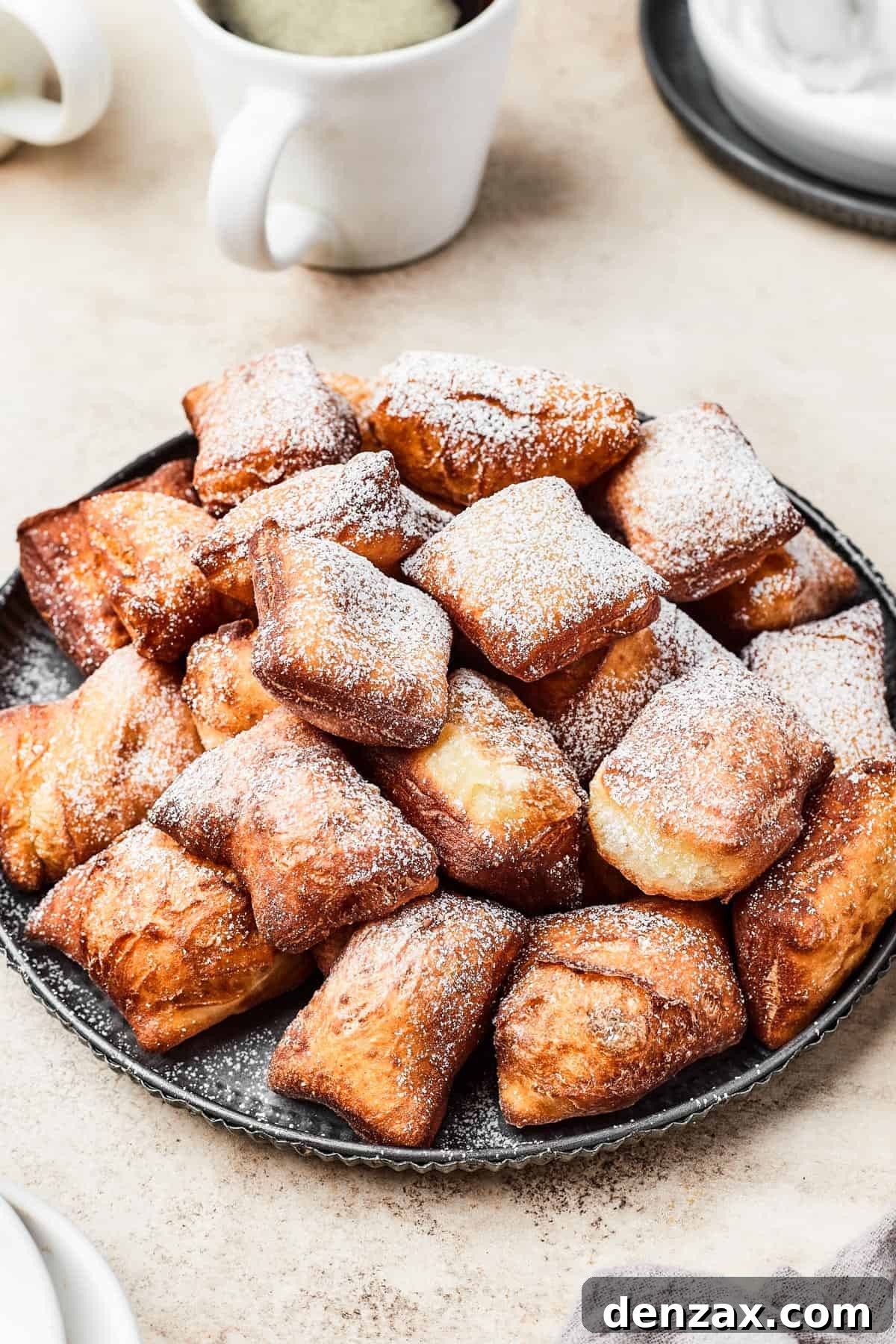
Perfecting Homemade Beignets: A Culinary Journey to New Orleans
Beignets are more than just a pastry; they’re a symbol of New Orleans’ rich culinary heritage. These light, airy squares of fried dough have a texture that’s both substantial and delicate, making them utterly irresistible. Their fame largely stems from the legendary Cafe Du Monde, an institution that has been serving these exquisite treats alongside rich cafe au lait since 1862. When a culinary delight has captivated palates for over a century and a half, you know it’s a timeless classic worth recreating.
Fortunately for home bakers, mastering beignets is surprisingly achievable. This recipe guides you through each step with clarity and simplicity, using a handful of common ingredients to produce results that rival the original. Whether you’re an experienced baker or just starting your culinary adventures, you’ll find joy in crafting these melt-in-your-mouth pastries. Prepare for your kitchen to be filled with an aroma that signals pure comfort and deliciousness, promising a delightful experience for you and your loved ones.
Beignets vs. Doughnuts: Unveiling the Delicious Distinctions
While often compared to doughnuts, beignets possess distinct characteristics that set them apart. Understanding these differences enhances appreciation for both beloved pastries.
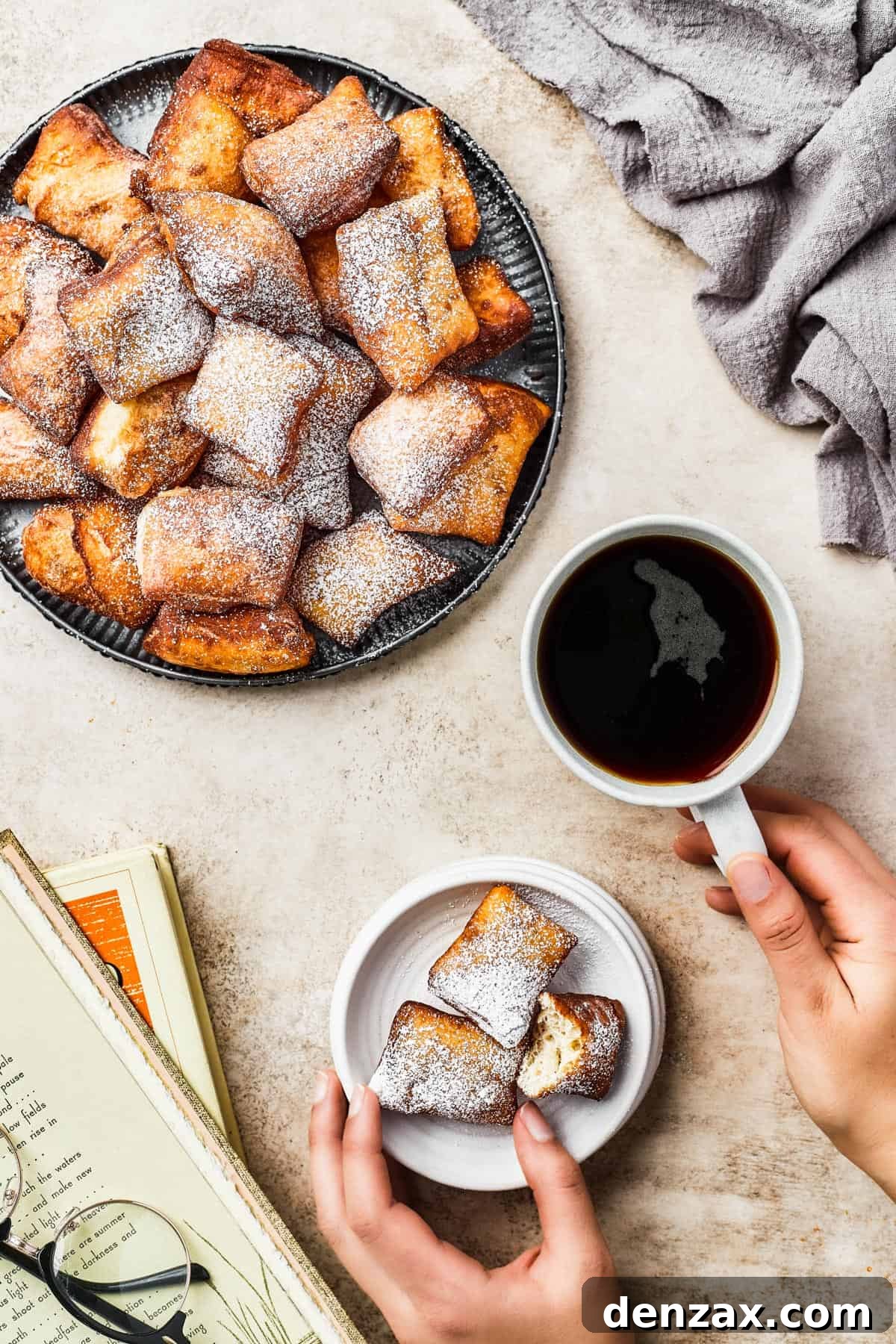
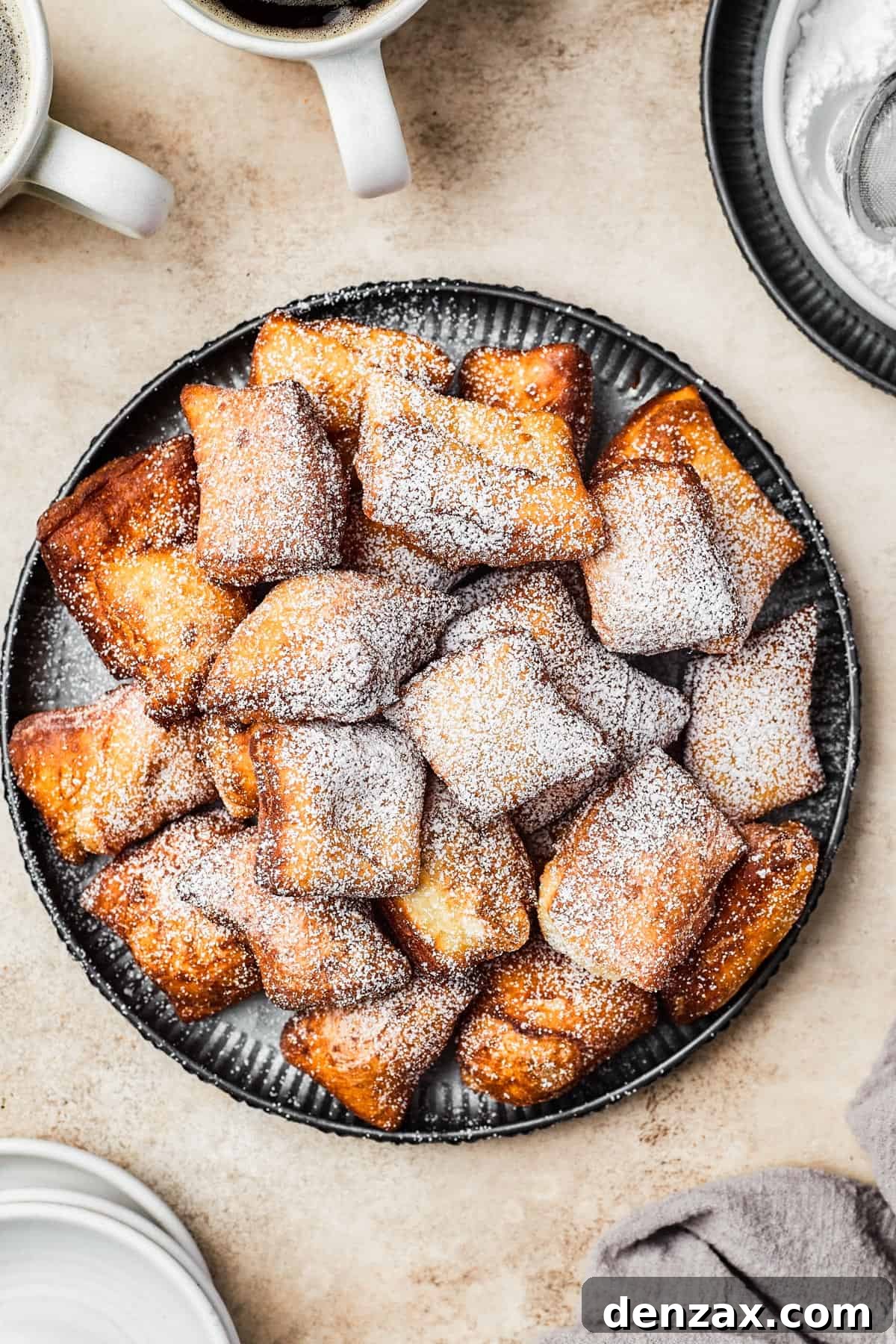
Firstly, the most obvious visual distinction: classic doughnuts typically feature a hole in the center, a design element absent from beignets. Beignets are traditionally square-shaped, embracing a more substantial, pillow-like form. While some modern doughnuts are filled, beignets are never filled; their charm lies in their inherent lightness and often slightly hollow interior, which creates pockets perfect for catching generous amounts of powdered sugar.
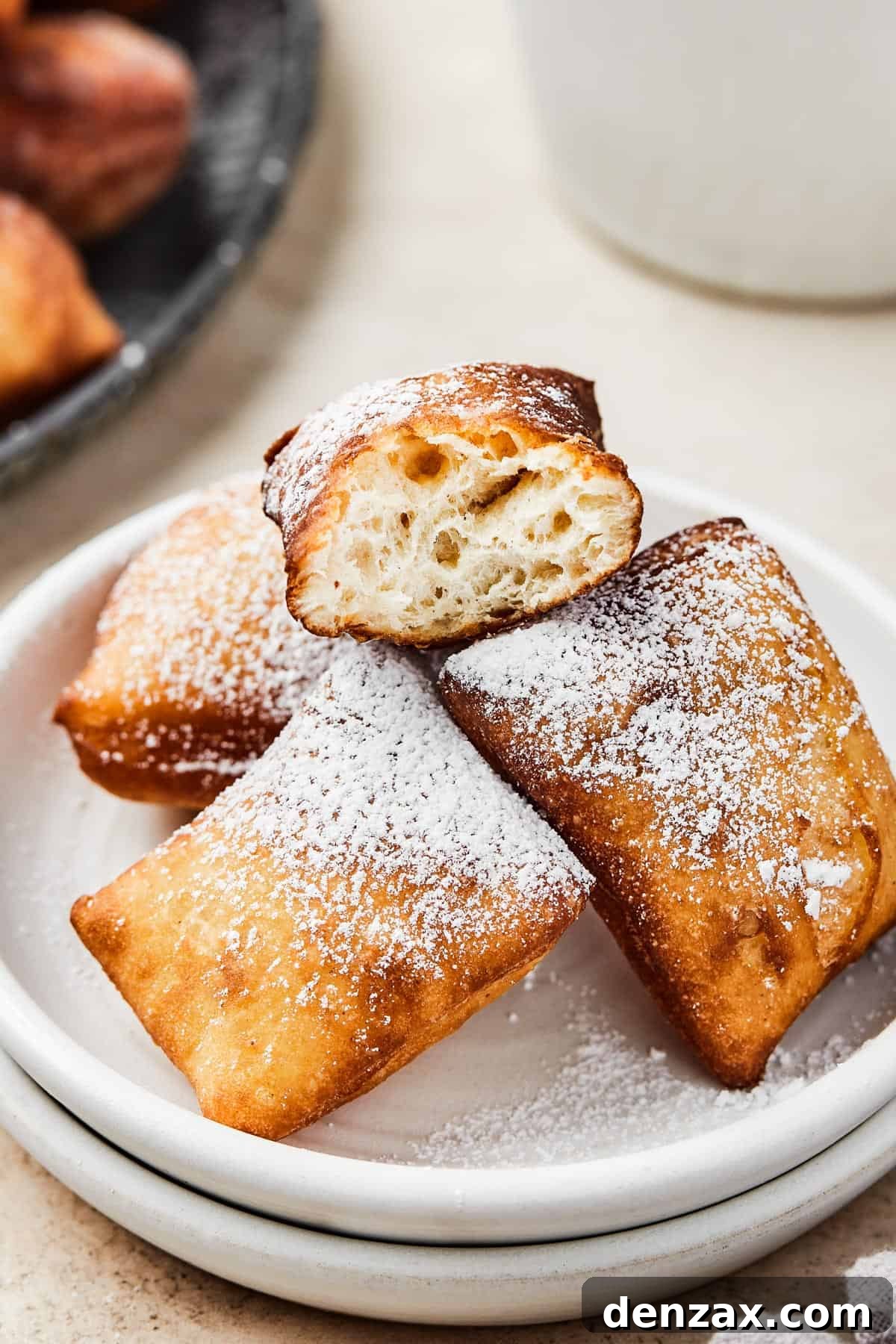
Beyond shape, the composition of the dough plays a crucial role. Beignet dough typically contains fewer eggs than a traditional doughnut recipe, contributing to their signature lighter, airier, and fluffier texture. This results in a less dense, almost cloud-like pastry that gently yields with each bite, a delightful contrast to the more chewy consistency often found in doughnuts. This subtle difference in ingredients yields a unique mouthfeel that true beignet enthusiasts cherish.
Essential Ingredients for Crafting Your Own Authentic Beignets
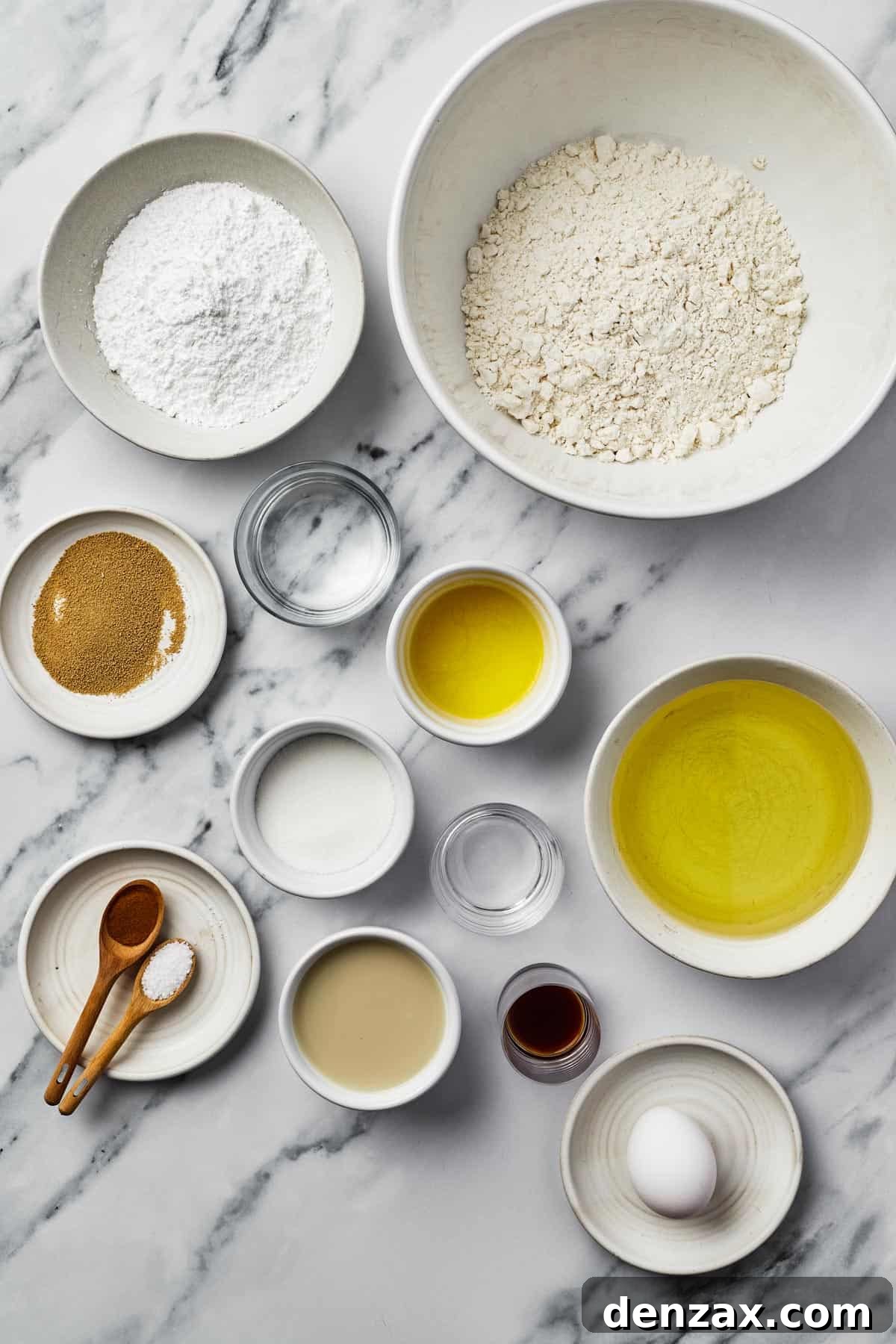
Creating these delightful fried pastries requires just a few pantry staples, but the quality and temperature of your ingredients can make all the difference. Remember, you’ll also need a generous amount of oil for frying. While Cafe Du Monde famously uses cottonseed oil, a high-heat frying oil like vegetable or canola oil works perfectly at home. Olive oil is not recommended due to its lower smoke point.
- Warm Water: Essential for activating the yeast. The ideal temperature is between 105°F and 110°F (40°C to 43°C). Water that’s too hot will kill the yeast, while water that’s too cold won’t activate it effectively.
- Active Dry Yeast: One packet (2 ¼ teaspoons) is all you need. Yeast is the leavening agent responsible for the beignets’ characteristic light and airy texture. Ensure your yeast is fresh and active for a proper rise.
- Egg: A single whole egg adds richness, structure, and helps bind the dough. Room temperature eggs incorporate more easily into the mixture, resulting in a smoother dough.
- Milk: Whole milk is recommended for its fat content, which adds moisture and subtle richness to the dough, contributing to its tender crumb.
- Granulated Sugar: Provides sweetness to the dough and aids in yeast activation. You’ll also need a generous supply of Powdered Sugar for dusting the finished beignets – it’s non-negotiable for an authentic experience!
- Vinegar: A small amount of white vinegar (or apple cider, even rice vinegar) might seem unusual, but it plays a crucial role. It acts as a dough conditioner, balancing the sweetness, improving the dough’s elasticity, and contributing to the beignet’s tender texture. Different vinegars can impart subtle flavor notes.
- Pure Vanilla Extract: A classic flavor enhancer, vanilla extract adds a warm, aromatic depth to the beignets. Use pure extract for the best flavor profile.
- Salt: Kosher salt is preferred for its clean taste and coarser texture, which helps distribute evenly. Salt is vital for balancing the sweetness and enhancing the overall flavor of the beignets.
- Cinnamon: A touch of cinnamon infuses the beignets with a subtle warmth and aromatic spice, complementing their sweetness beautifully.
- All-Purpose Flour: The foundation of the dough, all-purpose flour provides the necessary structure. Measured correctly, it will create a dough that is both pliable and soft.
- Unsalted Butter: Melted butter adds richness and tenderness to the dough. If using salted butter, remember to reduce the amount of added salt in the recipe to prevent over-salting.
- Frying Oil: Approximately 3-4 cups of canola or vegetable oil. The oil needs to be sufficient to allow the beignets to float and fry evenly without touching the bottom of the pan.
How to Make Your Own Irresistible Beignets: A Step-by-Step Guide
Embark on this rewarding baking journey! While the process involves a rising time, the active preparation is straightforward. Reading through the instructions beforehand will ensure a smooth and enjoyable experience.
-
Crafting the Silky Dough
Begin by combining the warm water and active dry yeast in the bowl of a stand mixer. Gently whisk these together until the yeast dissolves. Let this mixture rest for 5 to 10 minutes; you should see it become foamy and bubbly, indicating the yeast is active and ready. If it doesn’t foam, your yeast may be old, and you’ll need to start with a fresh packet.
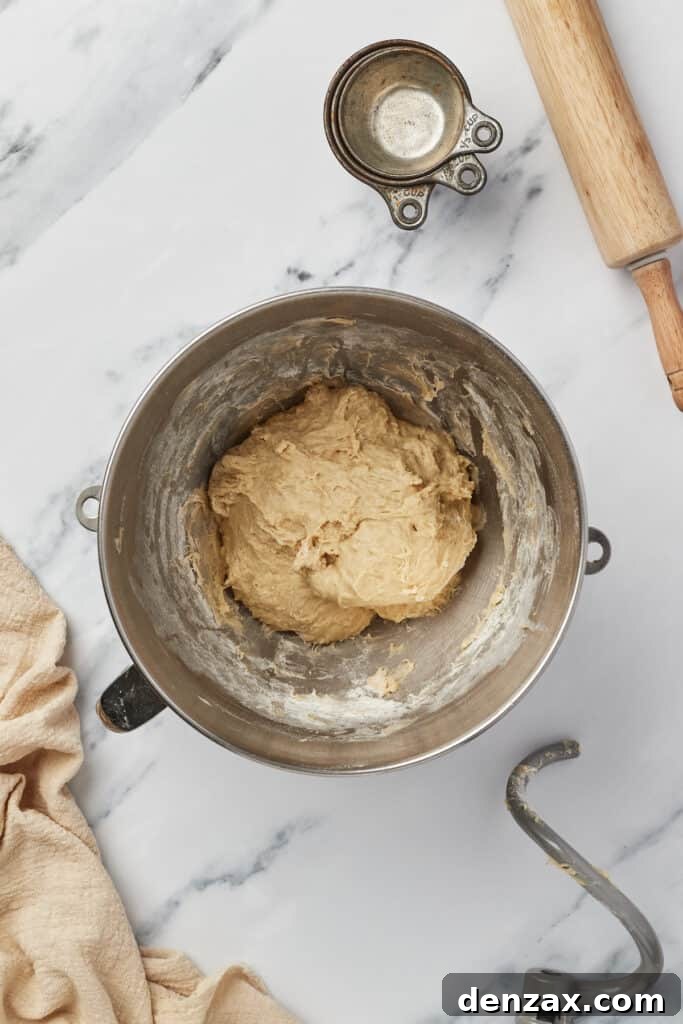
Next, add the egg, milk, granulated sugar, vinegar, vanilla extract, kosher salt, and cinnamon to the yeast mixture. Using the whisk attachment, mix these ingredients on low speed until they are thoroughly combined. Switch to the dough hook attachment, then gradually add the all-purpose flour. Mix on low speed, allowing the dough hook to knead the ingredients until the dough becomes smooth, elastic, and pulls away from the sides of the bowl. It should form a soft ball, but still feel slightly sticky to the touch. If the dough seems excessively wet or difficult to handle, incorporate an extra tablespoon or two of flour, one at a time, until the desired consistency is reached.
Finally, pour in the melted unsalted butter. Continue mixing on low speed until the butter is completely incorporated into the dough, leaving no streaks. The dough should now be supple and slightly tacky.
-
The Art of the Rise
Once your dough is perfectly mixed, gently shape it into a ball and place it in a lightly oiled bowl. Cover the bowl tightly with plastic wrap or a clean kitchen towel. Find a warm, draft-free place in your home for the dough to rise. This process can take anywhere from 4 to 6 hours, or until the dough has proudly doubled in size. Patience is key here, as proper rising is crucial for the beignets’ signature light texture.
-
Mastering the Fry
As the dough nears the end of its rising time, prepare your frying station. Pour about 2 inches of cooking oil (canola or vegetable) into a large, deep skillet or a Dutch oven. Heat the oil over medium-high heat until it reaches a temperature of 350°F (175°C). This typically takes 5 to 10 minutes. If you don’t have a thermometer, you can test the oil by dropping a tiny piece of dough into it; it should sizzle and rise to the surface within a few seconds.
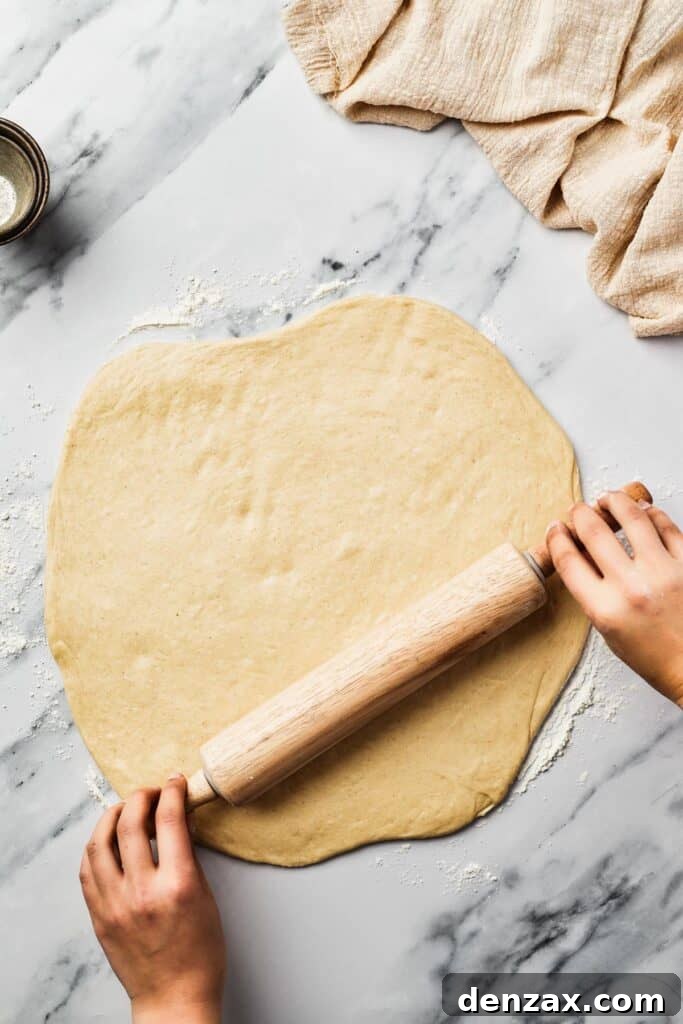
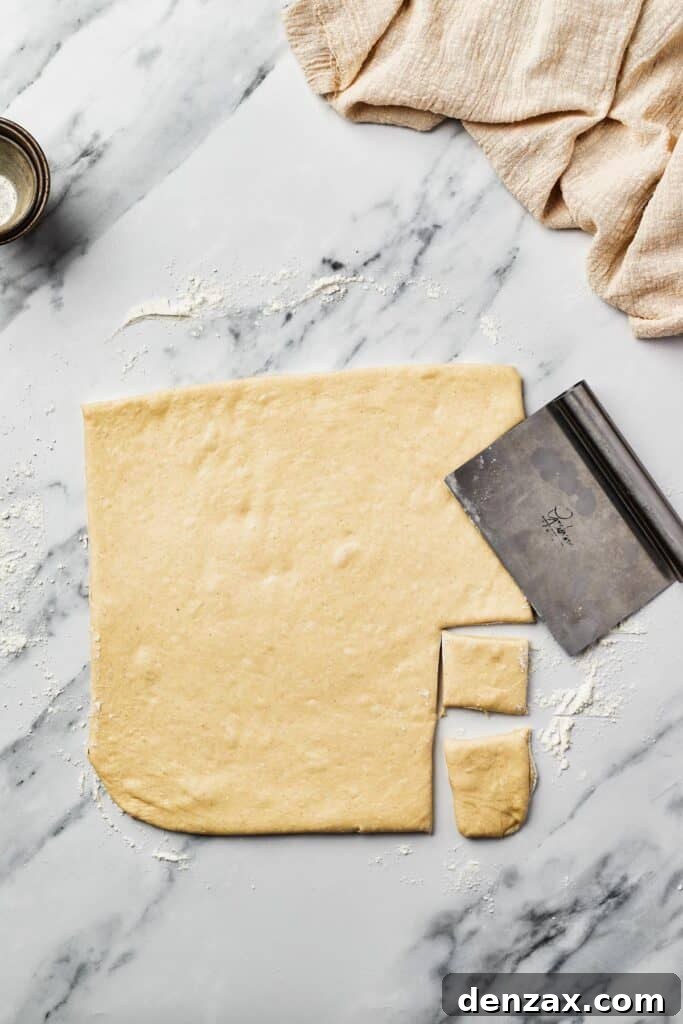
While the oil heats, gently transfer your risen dough to a lightly floured surface. Using a rolling pin, roll the dough out evenly into a rectangle approximately ¼ inch thick. With a sharp knife or pizza cutter, cut the dough into 2-inch by 2-inch squares. Precision isn’t paramount, but uniform sizes help ensure even cooking.
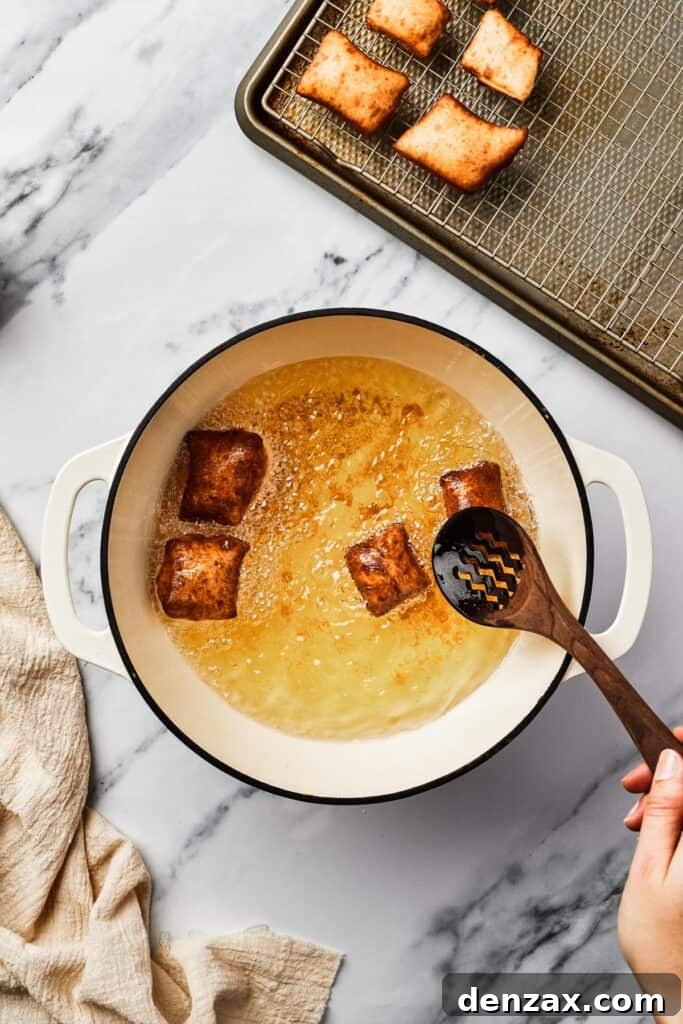
Carefully lower the beignet squares into the hot oil, frying 3 to 4 at a time to avoid overcrowding the pan and dropping the oil temperature. As soon as the beignets puff up and float to the surface (usually within 15-30 seconds), flip them over with a clean, dry slotted spoon or spider spoon. Continue frying until they are beautifully golden brown on both sides, which typically takes about 30 seconds to 1 minute per side. The internal structure should be cooked through, creating those lovely hollow pockets.
-
The Perfect Finish
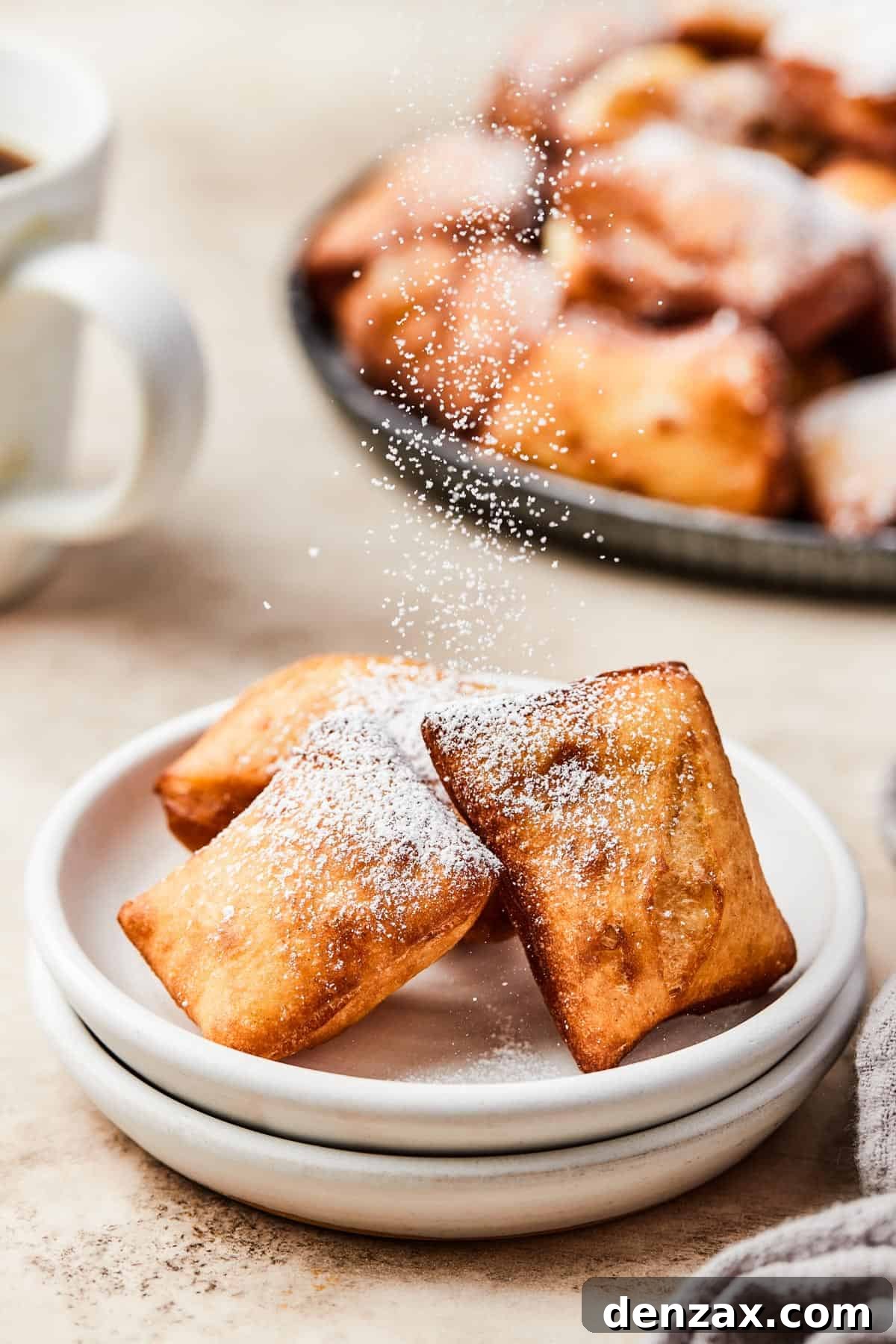
Once fried to perfection, use your slotted spoon or spider spoon to lift the golden beignets from the hot oil. Transfer them immediately to a wire rack placed over a baking sheet to drain any excess oil. This also allows air to circulate, preventing them from becoming soggy. While still warm, generously dust the beignets with powdered sugar. The warmth helps the sugar adhere, creating that iconic snowy appearance. Serve them warm and enjoy the immediate gratification of your homemade New Orleans treat!
Expert Tips for Flawless Homemade Beignets
Making beignets is a delightful experience, but a few key pointers can elevate your results from good to absolutely fantastic. Keep these tips in mind for consistently perfect, melt-in-your-mouth pastries:
- Avoid Overmixing the Dough: While kneading develops gluten for structure, excessive mixing can lead to a tough and chewy beignet, rather than the desired light and fluffy texture. Mix just until the ingredients are combined and the dough is smooth and elastic.
- The Importance of Oil Temperature: This is perhaps the most crucial factor for perfect beignets.
- Too Hot: If the oil is too hot (above 350°F/175°C), the beignets will brown very quickly on the outside, leaving them raw or doughy in the center.
- Too Cold: If the oil isn’t hot enough (below 350°F/175°C), the beignets will absorb too much oil, resulting in greasy, heavy, and less fluffy pastries. Maintain a consistent temperature by frying in small batches and using a thermometer if possible.
- Verify Yeast Activity: Always let your yeast and warm water mixture sit for at least 5 minutes before adding other ingredients. This “proofing” step ensures your yeast is active. If it doesn’t bubble or foam, your yeast is likely inactive, and your dough won’t rise. Discard it and start over with fresh yeast for successful results.
- Proper Dough Consistency: The dough should be soft and slightly sticky. Resist the urge to add too much flour during the kneading or rolling process. A softer dough yields a more tender beignet. A well-floured surface for rolling is key, but don’t incorporate too much extra flour into the dough itself.
- Rising Environment: For optimal rising, place your dough in a warm, draft-free spot. Some excellent locations include a turned-off oven with the light on, near a warm window, or even in a microwave that’s not in use.
- Frying Safely: Always exercise caution when frying with hot oil. Use a deep pot to prevent splattering, and never fill it more than halfway. Have a fire extinguisher or baking soda (not water!) readily available in case of a grease fire.
- Serve Immediately: Beignets are best enjoyed fresh and warm, straight from the fryer and dusted with powdered sugar. Their light texture can diminish over time.
Creative Variations to Personalize Your Beignets
While classic beignets are a masterpiece on their own, don’t hesitate to experiment and add your personal touch. Here are some tasty variations to make your beignets truly unique:
- Play with Shapes: Beyond the traditional squares, try cutting your dough into other fun shapes like diamonds, triangles, or even small circles. Just be mindful that the puffing action during frying can alter the initial shape. Consider using cookie cutters for themed treats!
- Elevated Toppings: Powdered sugar is classic, but you can explore other decadent toppings.
- Chocolate Drizzle: Melt some dark or milk chocolate and drizzle it generously over warm beignets.
- Sweet Glazes: A simple lemon glaze (powdered sugar mixed with lemon juice) or a rich maple glaze can add an extra layer of flavor.
- Caramel or Fruit Sauce: A warm caramel sauce or a fresh berry compote can turn your beignets into an elegant dessert.
- Cinnamon Sugar: For a slightly different twist, toss warm beignets in a mix of granulated sugar and cinnamon.
- Flavorful Extracts: Introduce new dimensions of flavor by adding different extracts to your dough. Consider almond extract for a nutty aroma, orange extract for a bright citrusy note, or even a hint of maple extract for a cozy, autumnal twist. Start with half a teaspoon and adjust to taste.
- Savory Beignets: For an unconventional but delicious take, omit the cinnamon and reduce the sugar in the dough. Serve with savory toppings like a spicy dip, a sprinkle of herbs and parmesan, or even alongside chili for a unique appetizer.
Storing and Reheating Your Delicious Beignets
While beignets are best enjoyed fresh, you can store and reheat them to savor their deliciousness a little longer. Proper storage ensures they retain as much of their original charm as possible.
- To Store Cooked Beignets: Once completely cooled, place your beignets in an airtight container. They will keep well at room temperature for up to 1 day. Avoid storing them with powdered sugar already on them, as the sugar can absorb moisture and dissolve. It’s best to dust them fresh before serving.
- To Reheat Cooked Beignets: For a quick refresh, microwave them for just a few seconds until warmed through. Alternatively, for a slightly crisper exterior, warm them in a 350°F (175°C) oven for 5-7 minutes. Dust with fresh powdered sugar immediately after reheating.
- Storing Raw Dough: If you’ve prepared the dough in advance, you can store the raw beignet dough in an airtight container in the refrigerator for up to 4 days. Before rolling and frying, allow the dough to come to room temperature for about 30-60 minutes, and then proceed with the frying instructions.
Can I Freeze Homemade Beignets? Absolutely!
Freezing is an excellent option for extending the life of your homemade beignets, whether cooked or as raw dough. This allows you to enjoy these treats at a moment’s notice.
- Freezing Cooked Beignets: Allow the fried beignets to cool completely. Arrange them in a single layer on a baking sheet and freeze until solid. Once frozen, transfer them to an airtight freezer bag or container. They will maintain their quality for 1 to 2 months. To reheat, you can warm them directly from frozen in a 350°F (175°C) oven for 10-15 minutes, or until heated through. Dust with fresh powdered sugar before serving.
- Freezing Raw Dough: Shape the raw dough into a disk, wrap it tightly in plastic wrap, and then place it in an airtight freezer bag or container. It can be frozen for up to 3 months. When ready to use, thaw the dough overnight in the refrigerator, then let it come to room temperature before rolling and frying as per the recipe instructions. This method offers the freshest taste, as you’re frying them from a nearly fresh state.

New Orleans-Style Beignets
Katerina | Easy Weeknight Recipes
15 minutes
20 minutes
4 hours
4 hours 35 minutes
20
Beignets
Ingredients
- ½ cup warm water, (temperature should be about 105˚F to 110°F for proofing)
- 2 ¼ teaspoons active dry yeast (1 packet)
- 1 whole egg
- ½ cup milk
- ⅓ cup granulated sugar
- 1 teaspoon white vinegar
- 1 teaspoon pure vanilla extract
- ½ teaspoon kosher salt
- ½ teaspoon cinnamon
- 3 ¾ cups all purpose flour
- 2 tablespoons unsalted butter, melted
- 3-4 cups canola oil, for frying
Instructions
-
In a stand mixer, whisk together warm water and yeast. Let sit for 5 minutes until foamy.
-
Add egg, milk, sugar, vinegar, vanilla, salt, and cinnamon. Whisk on low until combined.
-
Switch to the dough hook attachment and add in flour. Knead on low speed until the dough is smooth and elastic. It should form a ball, but still be slightly sticky and soft. Mix in 1 to 2 tablespoons of flour at a time IF the dough is too wet to handle.
-
Last, add in the melted butter and mix on low until fully incorporated.
-
Cover the dough and let rise in a warm environment for 4 to 6 hours, or until doubled in size.
-
Heat 2 inches of canola oil over medium-high heat in a large skillet or Dutch oven. Allow the oil to heat to 350 degrees Fahrenheit; this should take about 5 to 10 minutes.
-
Meanwhile, place dough on a floured surface and roll it out into a rectangle, about ¼ inch thick. Cut into 2-inch by 2-inch squares.
-
Carefully add the beignets to the oil, frying about 3 to 4 at a time. As soon as they rise to the oil surface and puff up, flip them over. Fry until golden brown on both sides, about 30 seconds to 1 minute. Transfer beignets to a wire rack to cool.
-
Dust beignets with powdered sugar and serve warm.
Nutrition
Calories:
414kcal
|
Carbohydrates:
22g
|
Protein:
3g
|
Fat:
35g
|
Saturated Fat:
3g
|
Polyunsaturated Fat:
10g
|
Monounsaturated Fat:
22g
|
Trans Fat:
1g
|
Cholesterol:
4mg
|
Sodium:
62mg
|
Potassium:
48mg
|
Fiber:
1g
|
Sugar:
4g
|
Vitamin A:
45IU
|
Vitamin C:
1mg
|
Calcium:
13mg
|
Iron:
1mg
Nutritional info is an estimate and provided as courtesy. Values may vary according to the ingredients and tools used. Please use your preferred nutritional calculator for more detailed info.
Frequently Asked Questions About Beignets
What is the best way to serve beignets?
Beignets are best served immediately after frying and dusting with powdered sugar. They pair perfectly with a cup of strong coffee, particularly cafe au lait, for an authentic New Orleans experience. Some also enjoy them with hot chocolate or a simple glass of milk.
Can I make beignet dough ahead of time?
Yes, you can! The raw dough can be prepared and stored in an airtight container in the refrigerator for up to 4 days. Allow it to come to room temperature for about 30-60 minutes before rolling and frying.
Why didn’t my beignets puff up?
There are a few common reasons: inactive yeast (always proof your yeast first!), oil that wasn’t hot enough (it absorbed too much oil instead of frying quickly), or the dough wasn’t allowed to rise sufficiently. Ensure your yeast is fresh and your oil is at the correct temperature (350°F).
Can I bake beignets instead of frying them?
While you can technically bake them, the result will not be an authentic beignet. Frying is essential for achieving the light, airy, and slightly crispy texture that defines a true beignet. Baked versions tend to be denser and more like a soft biscuit or scone.
What type of oil is best for frying beignets?
High-heat neutral oils are best, such as canola oil, vegetable oil, or grapeseed oil. These oils have a high smoke point and won’t impart unwanted flavors to your beignets. Cottonseed oil is traditional, but harder to find for home cooks.
More Sweet Dessert Recipes to Enjoy
- Classic Blueberry Scones
- Easy Homemade Cake Pops
- Zesty Homemade Lemon Bars