
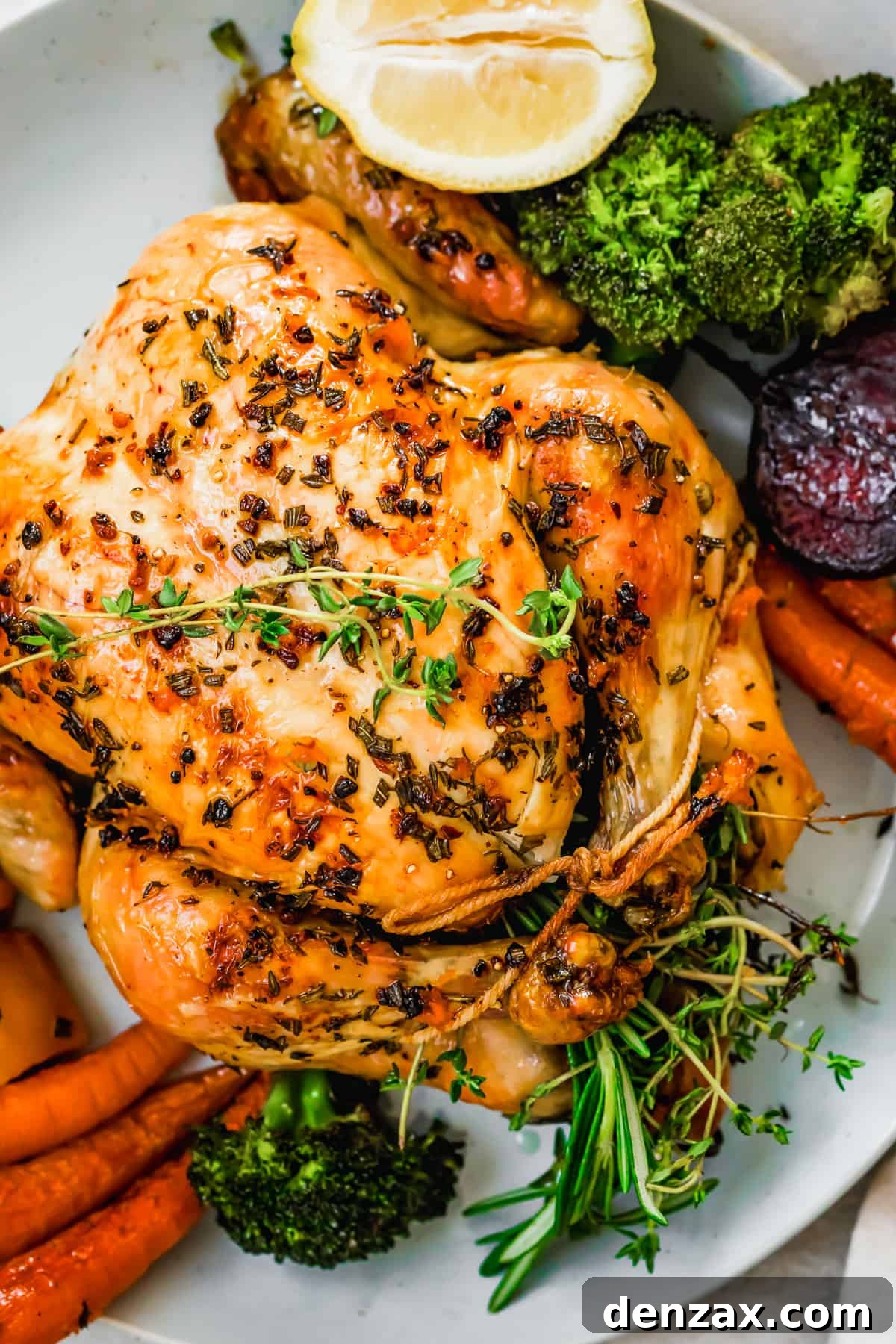
Juicy Whole Roast Chicken with Fall Vegetables: Your Ultimate Guide to Comfort Food Perfection
There’s nothing quite like the aroma of a **Juicy Whole Roast Chicken with Fall Vegetables** filling your home. This dish isn’t just a meal; it’s a celebration of comfort, tradition, and wholesome goodness. Imagine a perfectly golden-brown chicken, glistening with olive oil, infused with fragrant rosemary and thyme, nestled amongst a vibrant array of seasonal root vegetables. It’s the quintessential old-fashioned comfort food, elevated to an art form, yet simple enough for any home cook to master. This comprehensive guide will walk you through every step, ensuring you achieve a succulent, flavorful roast chicken dinner that will nourish both body and soul.
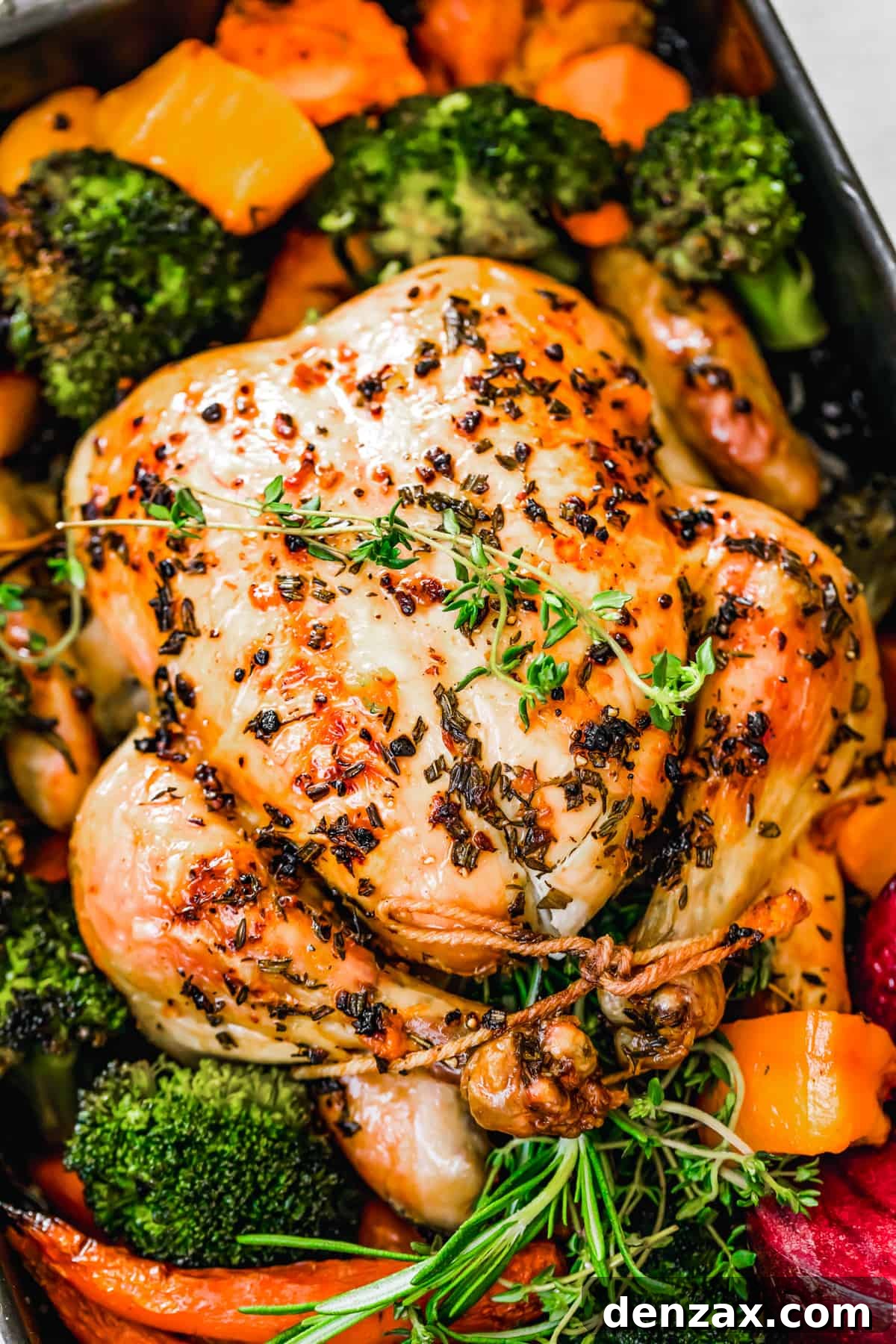
The Enduring Appeal of Roasting a Whole Chicken
For many, cooking is more than just a chore; it’s a therapeutic ritual, a moment of mindful creation. And there’s a particular soothing calm that comes with roasting a whole chicken. It’s a culinary tradition that spans generations, evoking memories of family gatherings and cozy evenings. This specific recipe embraces that time-honored charm, delivering a wonderfully satisfying roast chicken with minimal fuss. Its simplicity makes it approachable, while its robust flavors make it utterly irresistible. Learning to roast a whole chicken properly is a fundamental skill for any aspiring cook, and this method will quickly become your go-to for its reliability and delicious results.
Why This Roast Chicken Recipe Will Become Your New Favorite
What makes this roast chicken recipe truly stand out? It’s a harmonious blend of simplicity, profound flavor, and consistent juiciness. Using just a handful of quality ingredients and a straightforward roasting technique, it transforms humble poultry and vegetables into an extraordinary meal. The natural sweetness of fall vegetables like butternut squash and sweet potato beautifully contrasts with the savory notes of rosemary, thyme, and garlic. Each element complements the other, creating a symphony of autumn and winter colors, textures, and tastes that dance on your palate. Beyond its deliciousness, this recipe is designed to produce a perfectly **juicy whole roast chicken** every single time, avoiding the common pitfall of dry, overcooked poultry. It’s a testament to the idea that the best dishes are often the least complicated, relying instead on fresh ingredients and proper technique.
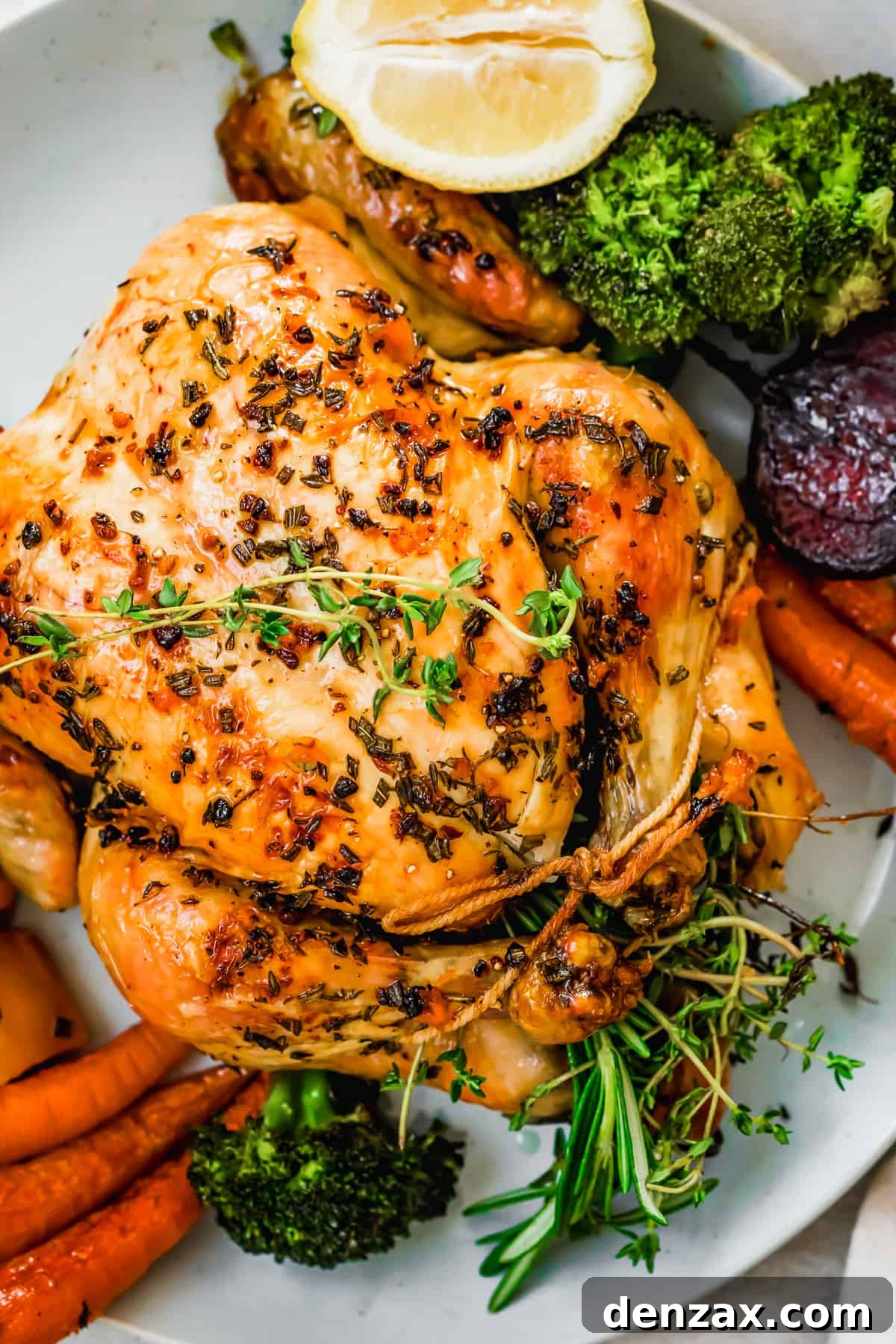
Handpicking Your Ingredients for Perfection
The secret to any outstanding dish lies in the quality of its ingredients. For this **easy roast chicken recipe**, choosing fresh, flavorful components is paramount. Here’s a detailed look at what you’ll need and some tips for selection:
For the Succulent Chicken
- One Whole Chicken: Aim for a chicken weighing between 3 and 3 ½ pounds for optimal cooking time and servings. If you opt for a larger bird, remember to adjust your roasting time accordingly – typically 20 minutes per pound at 350°F after the initial high-heat blast. Consider free-range or organic for superior flavor and texture.
- Lemon: Half a lemon, cut into quarters, is used to infuse the chicken cavity with bright, acidic notes. The lemon not only adds a wonderful aroma but also helps keep the chicken moist from the inside out.
- Fresh Thyme and Rosemary: You’ll need two sprigs of each for the cavity, and ½ a teaspoon of each, finely chopped, for the olive oil rub. Fresh herbs are crucial here; their aromatic oils release beautifully during roasting, penetrating the chicken’s skin and flesh.
- Fresh Garlic: Two whole cloves for the cavity, and one minced clove for the rub. Garlic is a non-negotiable flavor enhancer for roast chicken, providing a pungent, savory base.
- Olive Oil: Approximately 3 tablespoons of good quality olive oil. Extra-virgin is excellent, but virgin or even light olive oil works perfectly well for rubbing the chicken and dressing the vegetables. It helps crisp the skin and carries the flavors of the herbs and spices.
- Salt and Pepper: Essential seasonings to enhance all the natural flavors. Use freshly cracked black pepper for the best results.
The Vibrant Fall Vegetables
This recipe celebrates the bounty of autumn, featuring a medley of hearty vegetables that roast beautifully alongside the chicken, absorbing its rich juices. Feel free to adjust quantities or substitute based on availability and personal preference.
- Veggies: Half a pound each of baby beets, butternut squash, sweet potato, baby carrots, and broccoli florets.
- Baby Beets: Halved. They add an earthy sweetness and a stunning deep color.
- Butternut Squash and Sweet Potato: Peeled and cubed into roughly 1-inch pieces. These provide a creamy texture and natural sweetness that caramelizes beautifully.
- Baby Carrots: Their petite size means they cook quickly and evenly.
- Broccoli Florets: Added later in the roasting process to prevent them from overcooking and becoming mushy, ensuring they retain a slight bite and vibrant green color.
- Onion: One onion, peeled and quartered. Onions soften and sweeten as they roast, contributing an aromatic depth to the pan juices.
- Olive Oil: About 3 tablespoons to coat the vegetables, helping them roast evenly and develop a lovely char.
- Lemon Juice: The other half of the lemon, juiced, for dressing the vegetables. This adds a bright, fresh counterpoint to the richness of the roast.
- Salt and Pepper: To season the vegetables perfectly.
- Fresh Rosemary: 3 sprigs to be arranged among the vegetables, infusing them with its distinctive piney aroma.
Step-by-Step Guide to Your Perfect Roast
Follow these detailed instructions to create a show-stopping **whole roast chicken** with tender fall vegetables. Precision and a little patience are key to achieving outstanding results.
- Preheat Oven: Begin by preheating your oven to a high temperature of 450°F (230°C). This initial high heat is crucial for browning the chicken skin and locking in juices.
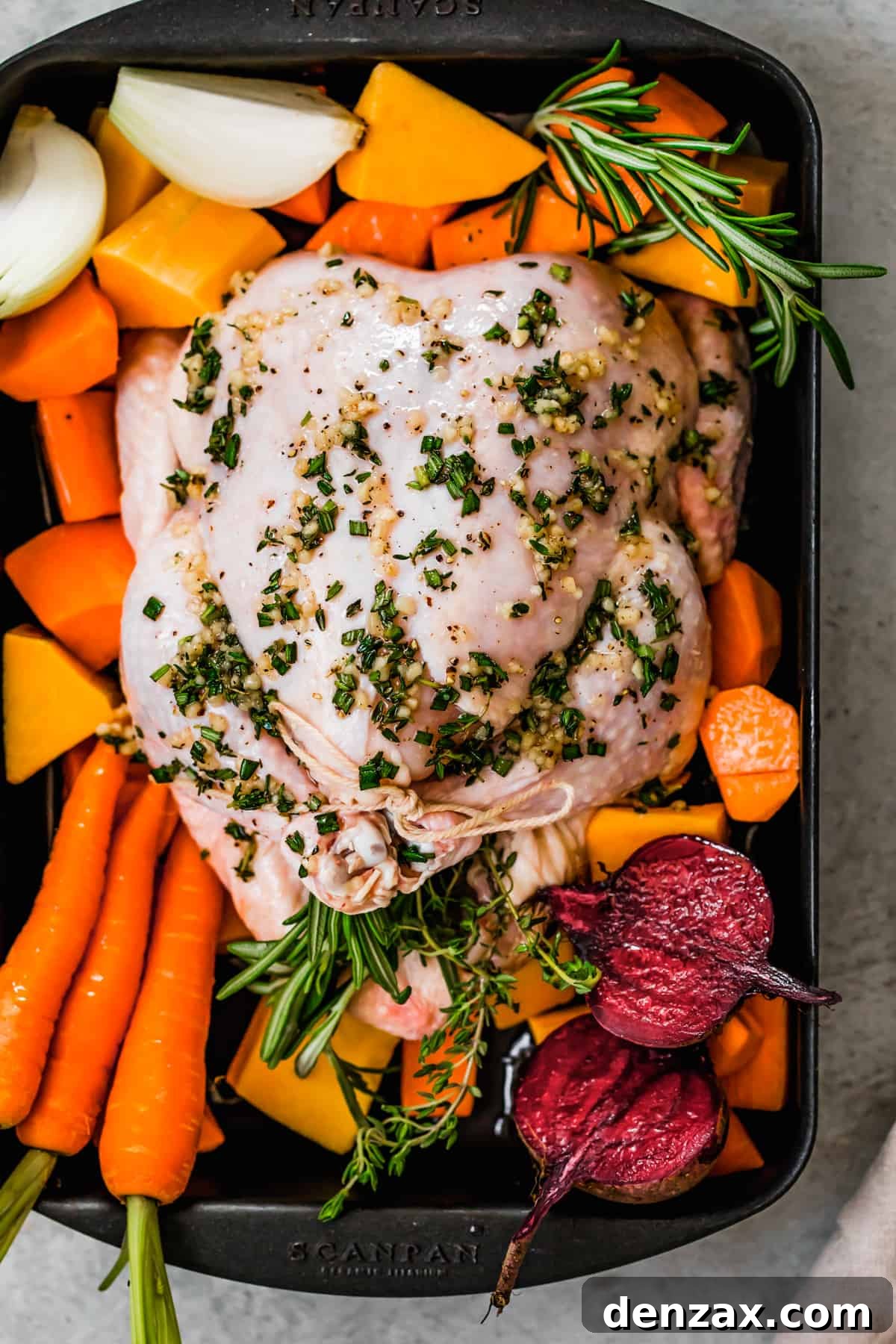
- Prepare the Chicken: Start by patting the entire chicken thoroughly dry with paper towels. This step is vital for achieving crispy skin. Inside the chicken cavity, place the lemon quarters, two sprigs of thyme, two sprigs of rosemary, and two whole garlic cloves. These aromatics will infuse the chicken with incredible flavor from the inside out.
- Truss and Tuck: Use kitchen twine to tie the chicken legs together. This helps the chicken cook more evenly and maintain a compact shape. Tuck the wing tips under the chicken’s body to prevent them from burning during roasting.
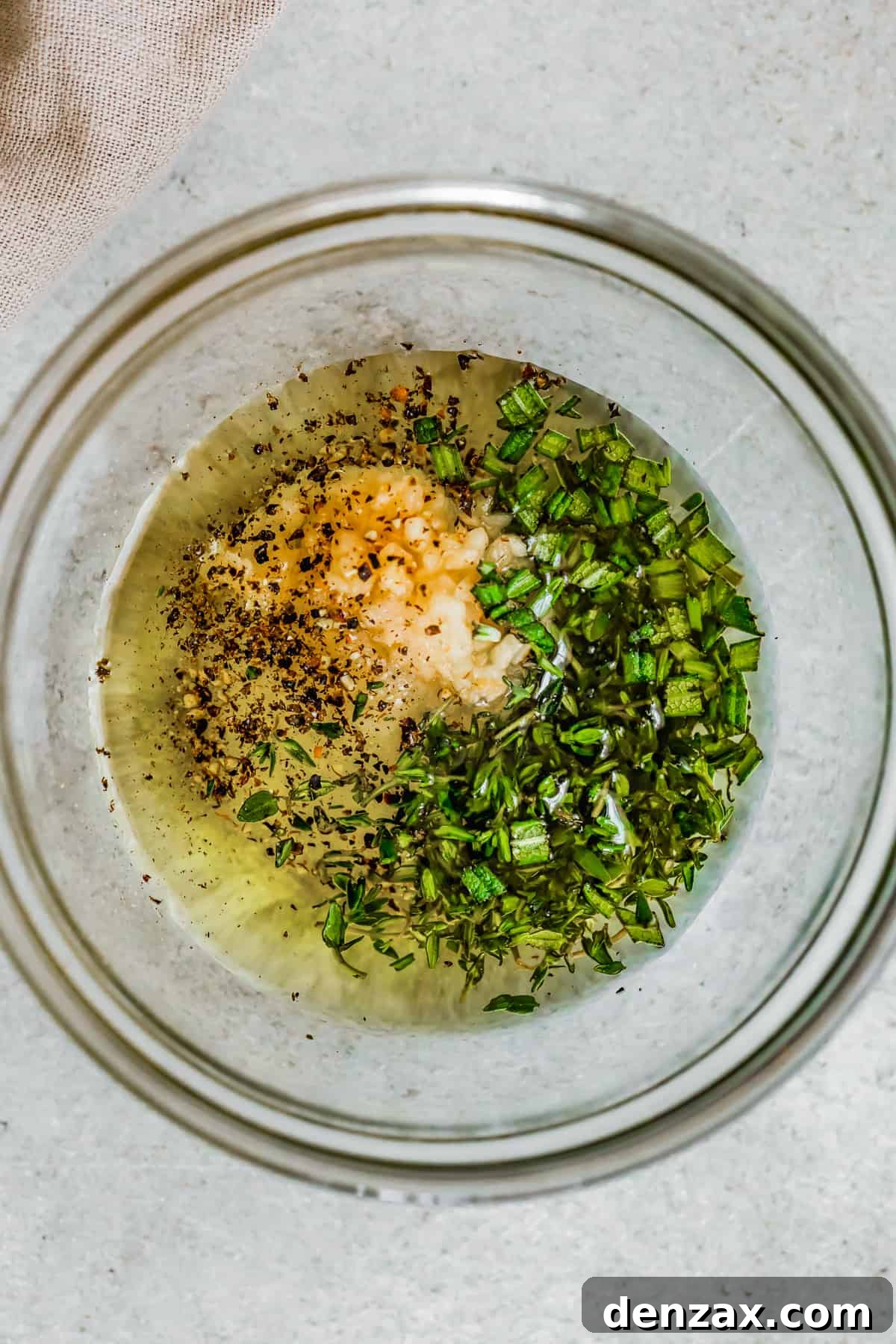
- Create the Flavorful Rub: In a small bowl, combine 3 tablespoons of olive oil with ½ teaspoon each of chopped fresh thyme and rosemary, one minced garlic clove, ½ teaspoon of salt, and ¼ teaspoon of cracked black pepper. Mix these ingredients well to form an aromatic paste.
- Season the Chicken: Generously rub the olive oil mixture all over the chicken skin, ensuring it’s evenly coated. Don’t forget to get under the wings and around the back. Place your perfectly seasoned chicken in a large, sturdy roasting pan.
- Prepare the Vegetables: In a large mixing bowl, combine all the prepared vegetables (baby beets, butternut squash, sweet potato, baby carrots, and quartered onion) except for the broccoli florets. Drizzle with 2 tablespoons of olive oil, the juice of half a lemon, ½ teaspoon of salt, and ½ teaspoon of cracked black pepper. Toss everything until the vegetables are well coated.
- Arrange and Roast: Arrange the seasoned vegetables around the chicken in the roasting pan. Place the 3 sprigs of fresh rosemary on top of the vegetables.
- Initial High-Heat Roast: Place the roasting pan into your preheated 450°F (230°C) oven and roast for 12 minutes. This initial burst of high heat is key for developing that beautiful golden-brown, crispy skin.
- Reduce Heat and Continue Roasting: After 12 minutes, reduce the oven temperature to 350°F (175°C) and continue roasting for approximately 45 more minutes.
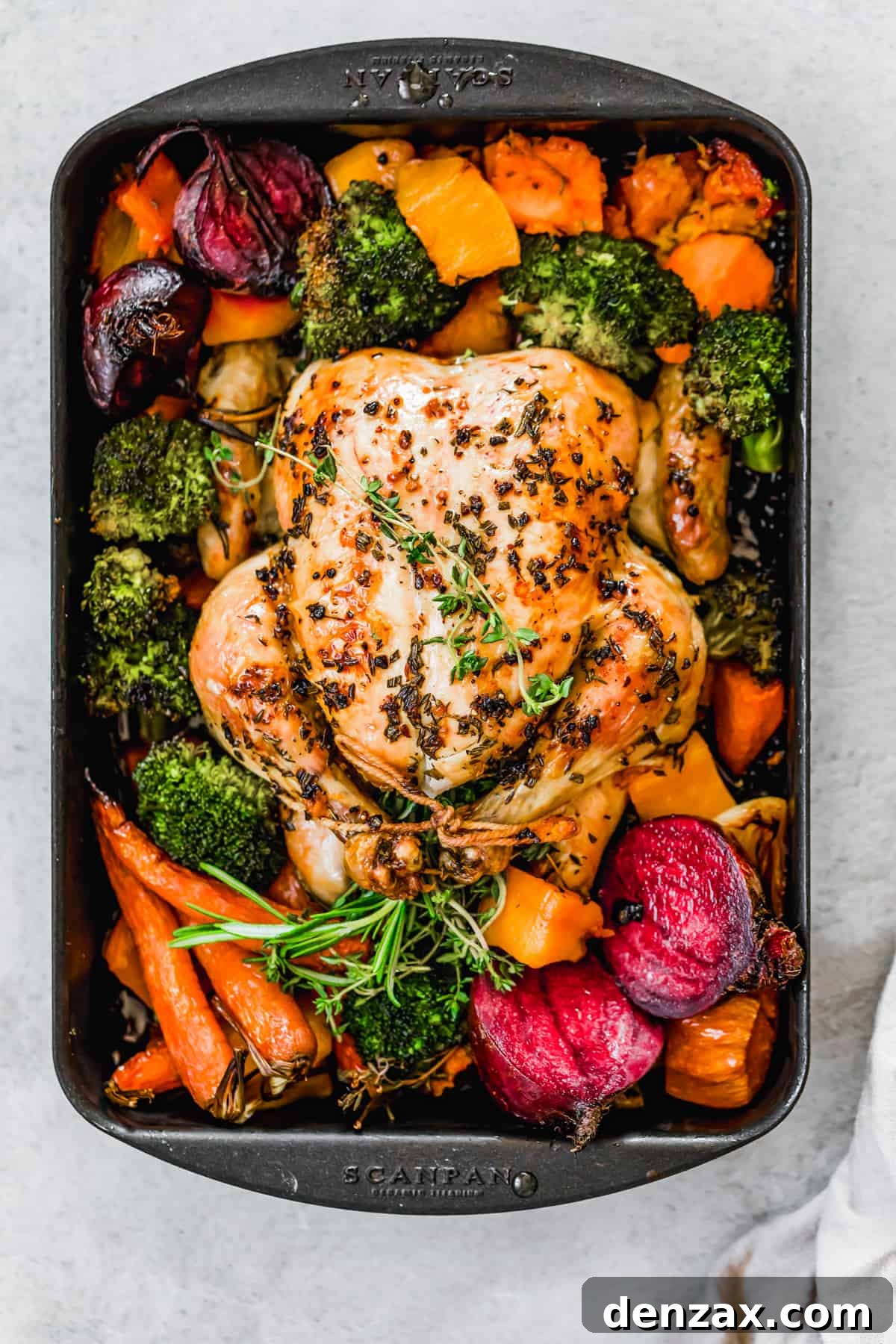
- Add Broccoli and Finish Roasting: Carefully remove the pan from the oven, add the broccoli florets to the vegetables, and return to the oven. Continue roasting for an additional 20 minutes, or until the chicken is deeply golden, cooked through, and the vegetables are tender and slightly caramelized.
- Check for Doneness: The chicken is fully cooked when its internal temperature, measured in the thickest part of the thigh (without touching the bone), reaches 165°F (74°C).
- Rest and Serve: Once cooked, remove the roasting pan from the oven and let the chicken rest for at least 10 minutes before carving. This crucial step allows the juices to redistribute throughout the meat, ensuring every bite is moist and flavorful. Then, it’s time to slice, serve, and enjoy your culinary masterpiece!
Mastering Roasting Times and Temperatures for a Perfect Chicken
Achieving a perfectly cooked, **juicy roast chicken** involves understanding the nuances of temperature and timing. Our method is designed to maximize flavor and texture:
We kick things off with a quick 12-minute roast at a high 450°F (230°C). After this initial blast, the oven temperature is reduced to 350°F (175°C) for the remainder of the cooking time. A good rule of thumb for the lower temperature is to roast for approximately 20 minutes per pound of chicken. For example, a 3.5-pound chicken would need about 70 minutes at 350°F (after the initial 12 minutes at 450°F).
However, oven temperatures can vary significantly, so relying solely on time is not ideal. The most reliable way to ensure your chicken is safely and perfectly cooked is by using a **meat thermometer**. The **internal temperature of the chicken should reach 165°F (74°C)**. Insert the thermometer into the thickest part of the chicken thigh, making sure not to touch the bone, as bones can give a false reading.
The “High-Heat Start” Secret
Starting with a high oven temperature might seem counterintuitive, but it’s a chef’s secret for a reason. This intense heat causes the chicken skin to rapidly brown and crisp up, creating a delicious protective crust. More importantly, it helps to “seal” the outer layers of the chicken, locking in precious juices and preventing the meat from drying out during the longer, slower roast. Think of it as searing a steak before finishing it in the oven; it builds a flavorful crust while keeping the interior tender.
Achieving That Irresistibly Crispy Skin
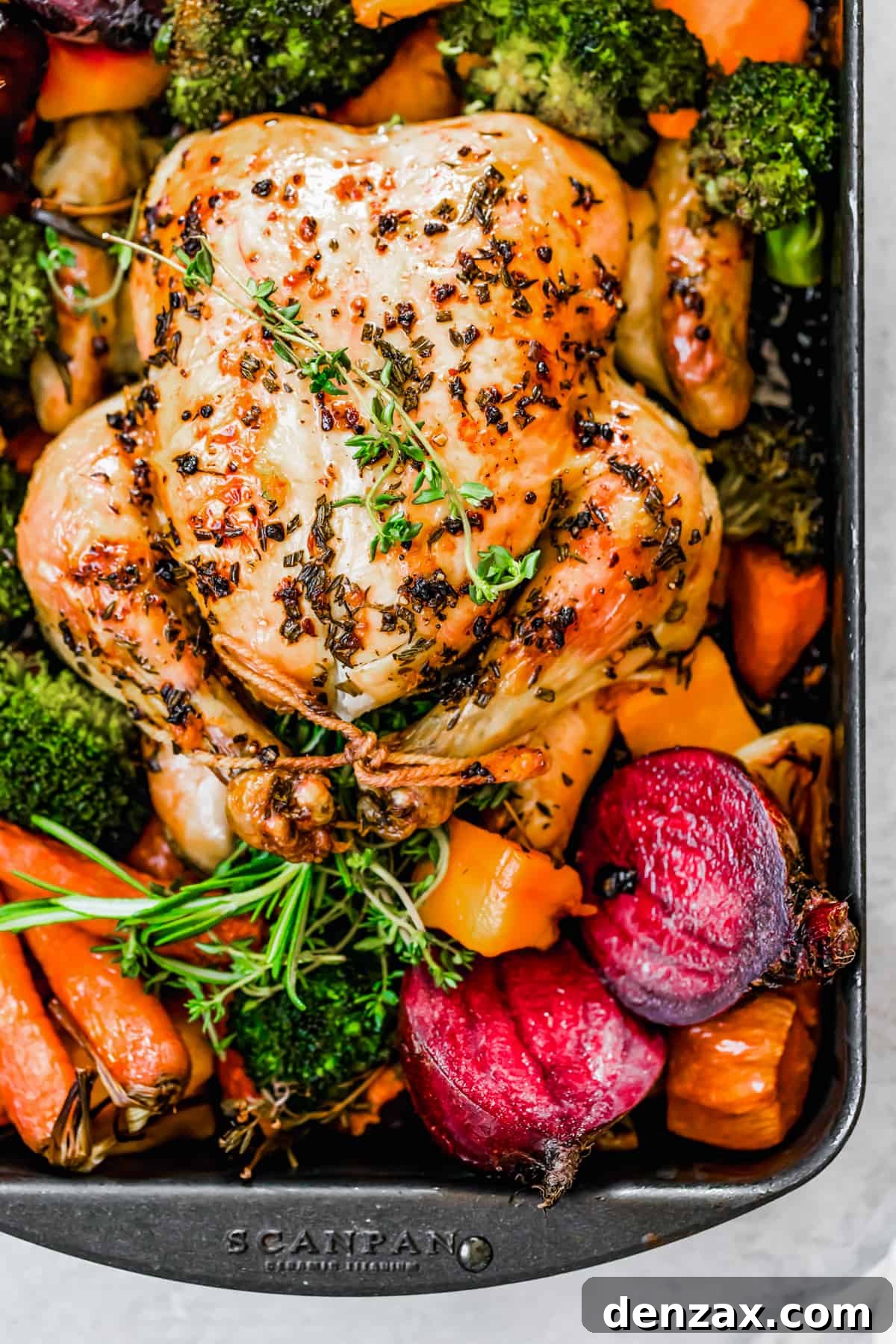
One of the most coveted aspects of a **whole roast chicken** is its delightfully crispy skin. Our method prioritizes this by ensuring the chicken remains uncovered during the initial high-heat roasting phase and the final 20 minutes. However, if you notice your chicken browning too quickly during the longer roasting period, you can loosely “tent” it with aluminum foil. This creates a barrier that prevents scorching while still allowing some air circulation. Remember, the goal is not to wrap it tightly, but to create a loose canopy that protects the skin from excessive direct heat. Removing the foil for the final stretch helps to re-crisp any softened areas and achieve that perfect golden hue.
The Importance of Resting Your Roast
After all the roasting, patience for just a few more minutes will be greatly rewarded. Once your chicken reaches the target internal temperature, remove it from the oven and let it rest, lightly tented with foil, for at least 10-15 minutes before carving. During cooking, the muscle fibers contract and push the juices towards the center of the bird. Resting allows these juices to redistribute throughout the meat. If you carve immediately, all those delicious juices will run out onto your cutting board, leaving you with a drier chicken. Resting ensures every slice is moist, tender, and full of flavor.
Delightful Serving Suggestions
This **roast chicken with fall vegetables** is a complete meal in itself, but a few thoughtful additions can elevate the dining experience even further. Here are some perfect pairings:
- Apple Cider: The crisp, sweet notes of apple cider beautifully complement the savory chicken and earthy vegetables. Whether you opt for a warm, non-alcoholic seasonal cider, a fizzy hard cider for adults, or a festive Slow Cooker Apple Cider Punch, it’s a match made in heaven.
- Homemade Bread: A freshly baked loaf of bread is always a welcome accompaniment. A quick and savory option, like Spinach and Feta No-Yeast Bread, adds a lovely textural contrast and is perfect for soaking up any delicious pan juices. You could even slice and toast it to make some killer garlic bread.
- Simple Green Salad: A light, crisp green salad with a simple vinaigrette can provide a refreshing counterpoint to the richness of the roast.
- Creamy Mashed Potatoes: While the roasted vegetables are substantial, a side of fluffy mashed potatoes is always a classic comfort food pairing with roast chicken.
- Apple Pie: To conclude this comforting menu on a sweet note, you simply can’t go wrong with apples and chicken! A hearty square of Dutch Apple Slab Pie offers a warm, spiced finish that perfectly rounds out the meal.
Storing and Reheating Leftovers
Should you be lucky enough to have any leftovers from your **whole roast chicken dinner**, proper storage is key to maintaining freshness and flavor:
- To Refrigerate: Once the chicken has cooled, remove any leftover meat from the bones. Store the deboned chicken pieces along with the roasted vegetables and any remaining pan juices in airtight containers. This ensures maximum freshness and prevents them from drying out. Leftovers will keep well in the refrigerator for up to 2-3 days.
- To Reheat: For best results, place your chicken and vegetable leftovers in an ovenproof dish. Reheat in a preheated oven at 350°F (175°C) until thoroughly heated through. Arrange any chicken pieces skin-side-up to help retain some crispness. Be careful not to overcook, as this will dry out the chicken. A splash of chicken broth can also help keep it moist during reheating.
Freezing for Future Feasts
Batch cooking or simply having more chicken than you can eat? This **easy roast chicken** freezes wonderfully, making future meal prep a breeze:
- Freezing Chicken: Debone the cooked chicken and shred or dice it. Place the chicken meat, preferably with some of the pan juices, into freezer-safe bags. Press out as much air as possible before sealing to prevent freezer burn. If there are a lot of juices, leave about an inch of headroom in the bag to allow for expansion during freezing.
- Freezing Vegetables: Freeze the roasted vegetables separately in their own freezer bags or airtight containers. This helps maintain their quality and allows for flexible reheating.
- Storage Time: Leftovers, both chicken and vegetables, can be kept frozen for up to 1 month. While the chicken thaws and reheats beautifully, be aware that the texture of some roasted vegetables (especially those with higher water content) may become slightly softer after freezing and thawing. They will still be delicious, however, and perfect for soups, stews, or quick side dishes.
The Ultimate Roast Chicken with Fall Vegetables Recipe
Roast Chicken with Fall Vegetables
A simple yet incredibly savory recipe for **roast chicken** seasoned with olive oil, aromatic herbs, and garlic, perfectly complemented by a colorful medley of hearty fall vegetables. This dish embodies comfort and flavor.
Prep Time: 15 minutes
Cook Time: 1 hour 17 minutes (approx. 12 min at 450°F, 45 min at 350°F, 20 min at 350°F)
Resting Time: 10 minutes
Total Time: Approximately 1 hour 30 minutes
Servings: 6
Ingredients
For The Chicken:
- 1 (3 to 3.5 pound) whole chicken
- ½ lemon, quartered
- 2 sprigs fresh thyme (for cavity)
- 2 sprigs fresh rosemary (for cavity)
- 2 whole cloves garlic (for cavity)
- 3 tablespoons olive oil
- ½ tablespoon chopped fresh thyme (for rub)
- ½ tablespoon chopped fresh rosemary (for rub)
- 1 clove garlic, minced (for rub)
- ½ teaspoon salt (for rub)
- ¼ teaspoon cracked black pepper (for rub)
For The Vegetables:
- 3 baby beet roots, halved (approx. ½ pound)
- ½ pound butternut squash, peeled and cubed
- ½ pound baby carrots
- ½ pound sweet potato, peeled and cubed
- ½ pound broccoli florets
- 1 onion, peeled and quartered
- 2 tablespoons olive oil
- Juice of ½ a lemon
- ½ teaspoon salt
- ½ teaspoon cracked black pepper
- 3 sprigs fresh rosemary
Instructions
- Preheat your oven to 450°F (230°C).
- Using paper towels, thoroughly pat the whole chicken dry.
- Carefully place the lemon quarters, 2 sprigs of thyme, 2 sprigs of rosemary, and 2 whole garlic cloves inside the chicken cavity.
- Using kitchen twine, tie the chicken legs together. Tuck the wing tips underneath the chicken’s body to prevent burning.
- In a small bowl, combine 3 tablespoons of olive oil, ½ tablespoon chopped fresh thyme, ½ tablespoon chopped fresh rosemary, 1 minced garlic clove, ½ teaspoon salt, and ¼ teaspoon cracked black pepper. Mix well.
- Rub this olive oil mixture generously all over the chicken skin, ensuring full coverage.
- Place the prepared chicken in a large roasting pan.
- In a separate large mixing bowl, combine all the prepared vegetables (beets, butternut squash, baby carrots, sweet potato, and onion), except for the broccoli florets.
- Drizzle the vegetables with 2 tablespoons of olive oil, the juice of the remaining ½ lemon, ½ teaspoon salt, and ½ teaspoon cracked black pepper. Toss until well combined.
- Arrange the seasoned vegetables evenly around the chicken in the roasting pan. Lay the 3 remaining sprigs of fresh rosemary on top of the vegetables.
- Place the roasting pan in the preheated 450°F (230°C) oven and roast for 12 minutes.
- Reduce the oven temperature to 350°F (175°C) and continue roasting for an additional 45 minutes.
- Remove the pan from the oven, add the broccoli florets to the vegetables, and return to the oven. Roast for a further 20 minutes, or until the chicken is golden brown, cooked through, and the vegetables are tender. The chicken is done when an instant-read thermometer inserted into the thickest part of the thigh (avoiding bone) registers 165°F (74°C).
- Once cooked, remove the pan from the oven and let the chicken rest for 10-15 minutes before carving. This allows the juices to redistribute, ensuring a truly succulent bird.
Nutrition Information (Estimate Per Serving)
- Calories: 437 kcal
- Carbohydrates: 23g
- Protein: 23g
- Fat: 28g
- Saturated Fat: 6g
- Cholesterol: 82mg
- Sodium: 546mg
- Potassium: 787mg
- Fiber: 5g
- Sugar: 7g
- Vitamin A: 15025IU
- Vitamin C: 55mg
- Calcium: 86mg
- Iron: 3mg
Nutritional information provided is an estimate and for courtesy only. Values may vary based on specific ingredients, preparation methods, and serving sizes. Please use your preferred nutritional calculator for more precise details.
There you have it – a comprehensive guide to preparing a truly spectacular **Juicy Whole Roast Chicken with Fall Vegetables**. This dish is more than just a meal; it’s an experience, a centerpiece that brings warmth and joy to any table. Whether you’re a seasoned chef or a novice in the kitchen, this recipe offers a straightforward path to culinary success. Embrace the simple elegance of fresh ingredients and the comforting magic of your oven, and prepare to delight in a meal that will leave everyone feeling nourished and utterly satisfied. Happy roasting!