
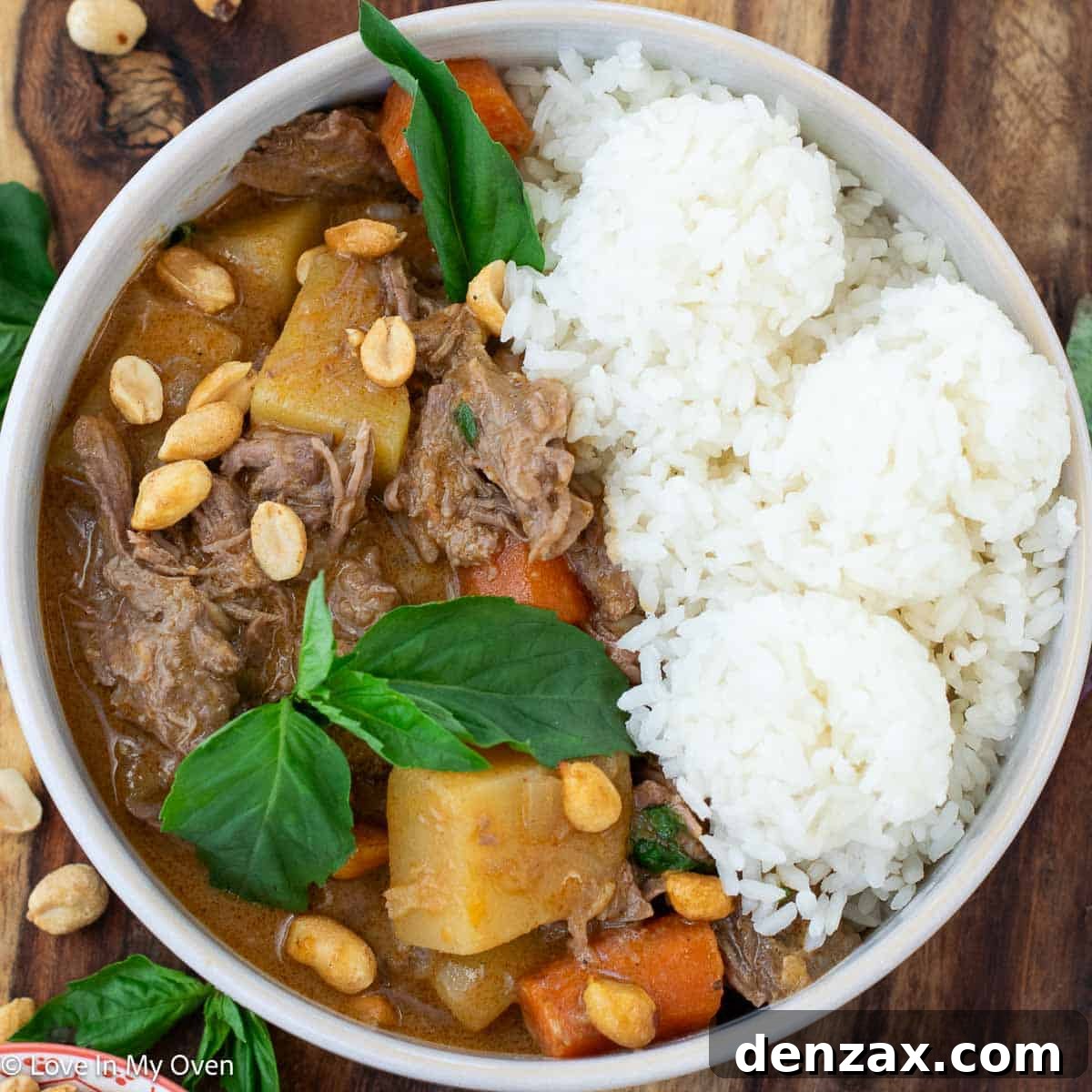
Embark on a culinary journey to Thailand with this rich, fragrant, and incredibly flavorful Beef Massaman Curry. Slow-cooked to perfection in a Dutch oven, this dish promises melt-in-your-mouth beef and a deeply aromatic sauce that’s simply irresistible. Perfect over steaming rice or with warm naan, this recipe creates a comforting meal that only gets better the next day!
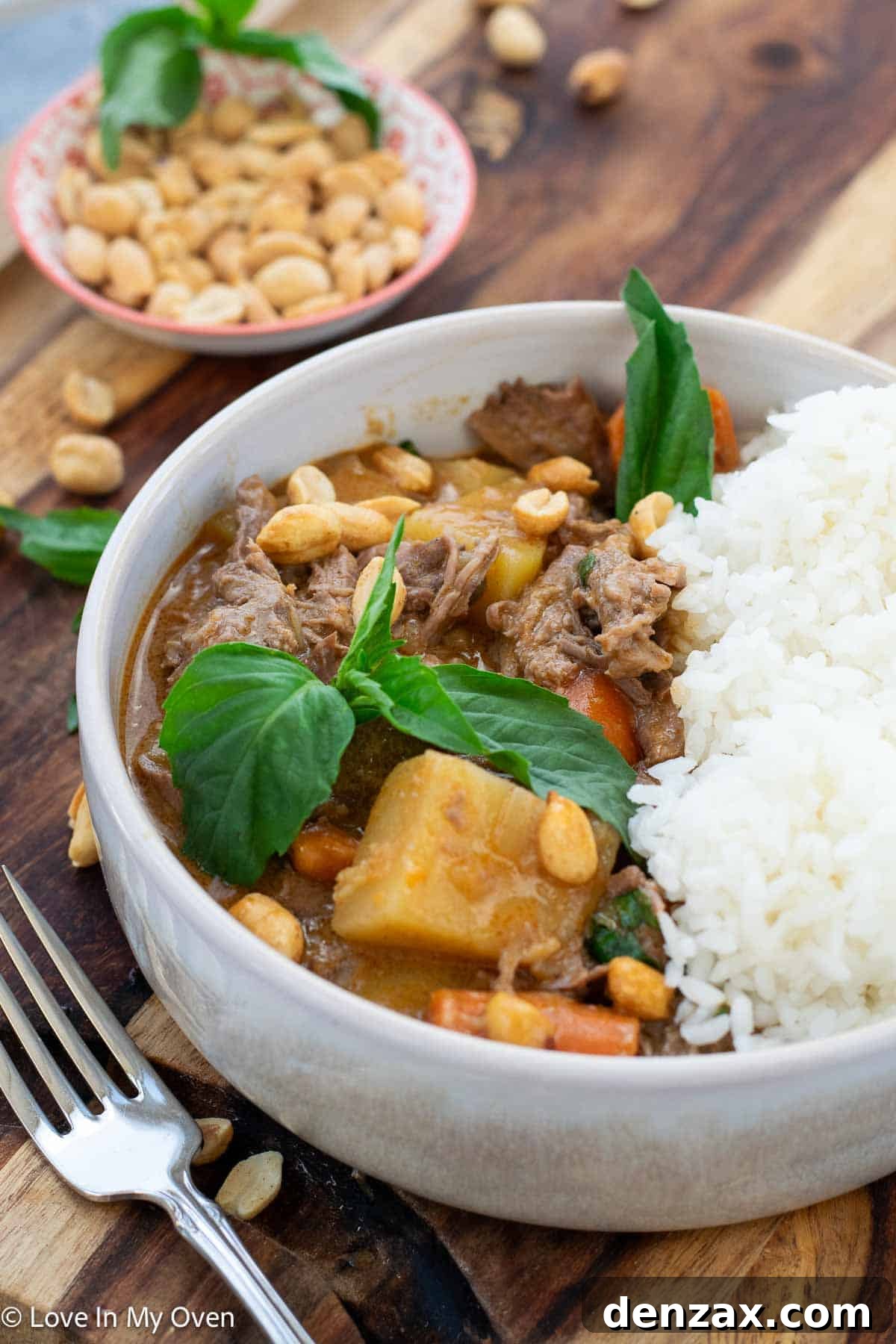
Table of Contents
- What Is Massaman Curry?
- Why a Dutch Oven for Massaman Curry?
- Essential Ingredients for Beef Massaman Curry
- Step-by-Step Guide to Making Beef Massaman Curry
- Serving Suggestions for Your Massaman Curry
- Slow Cooker and Instant Pot Variations
- Storage and Leftovers
- Other Thai-Inspired Curries to Try
- Beef Massaman Curry Recipe
What Is Massaman Curry?
Massaman curry stands out as a unique and beloved gem in the vibrant landscape of Thai cuisine. Unlike its spicier cousins like green or red curry, Massaman is renowned for its milder heat and richer, sweeter, and more complex flavor profile. This delightful balance makes it a favorite for many palates, including those who might find other Thai curries a bit too fiery.
The origins of Massaman curry are truly fascinating, reflecting a beautiful blend of cultures. Its name, “Massaman,” is thought to be derived from “Mussulman,” an archaic term for Muslims, suggesting its roots in southern Thailand, influenced by Malay, Persian, and Indian culinary traditions. This explains the presence of warm, aromatic spices not typically found in other Thai curries, such as cardamom, cinnamon, cloves, star anise, and nutmeg, alongside the more common Thai ingredients like lemongrass, galangal, and dried chilies.
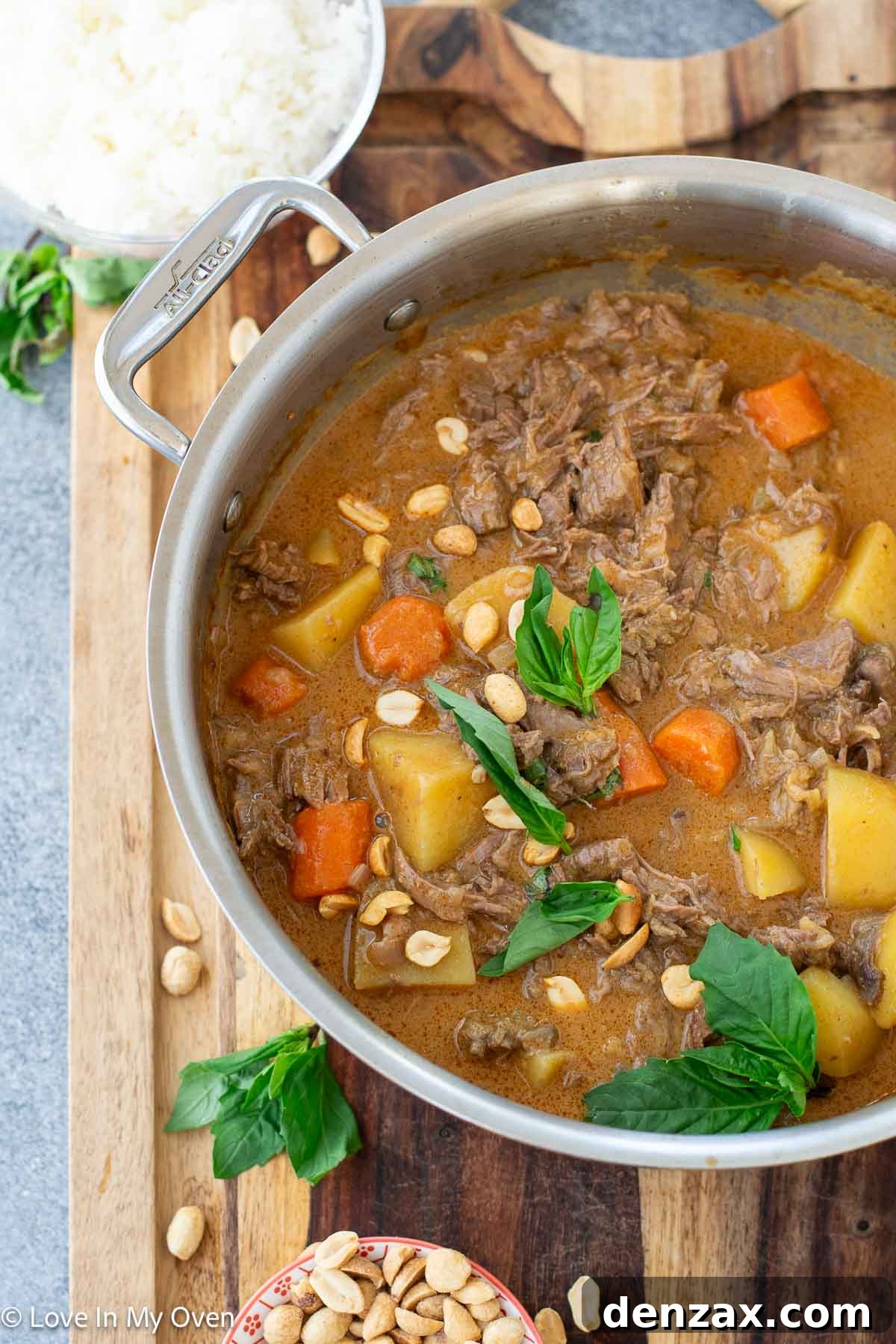
When you order Beef Massaman Curry at an authentic Thai restaurant, you’re usually greeted with a hearty, comforting dish. It features tender, slow-cooked chunks of beef, soft potatoes, carrots, onions, and often, a generous sprinkle of roasted peanuts for that satisfying crunch and nutty aroma. The sauce itself is creamy, thick, and deeply fragrant, a testament to the slow cooking process that allows all the spices and ingredients to meld into a harmonious symphony of flavors.
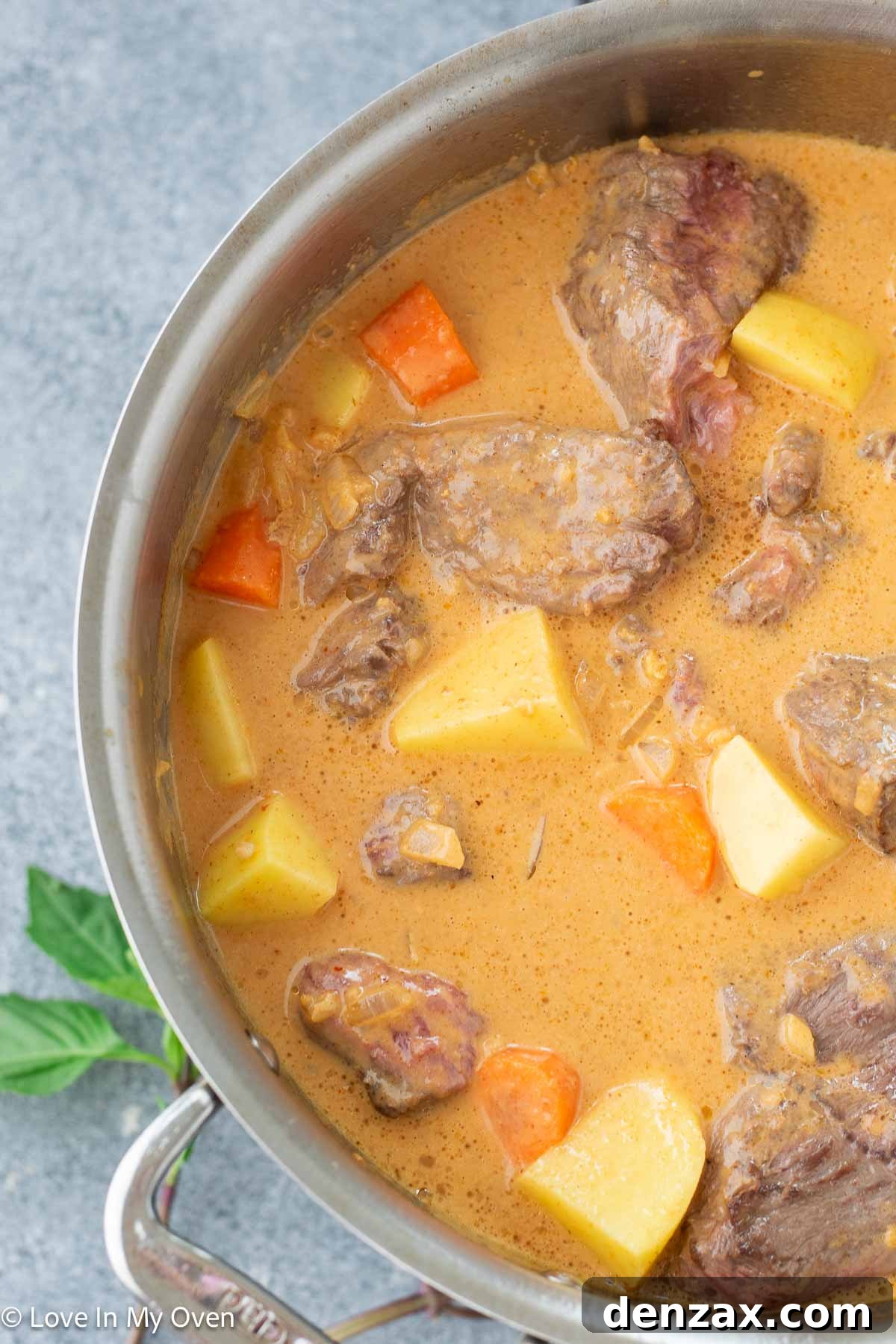
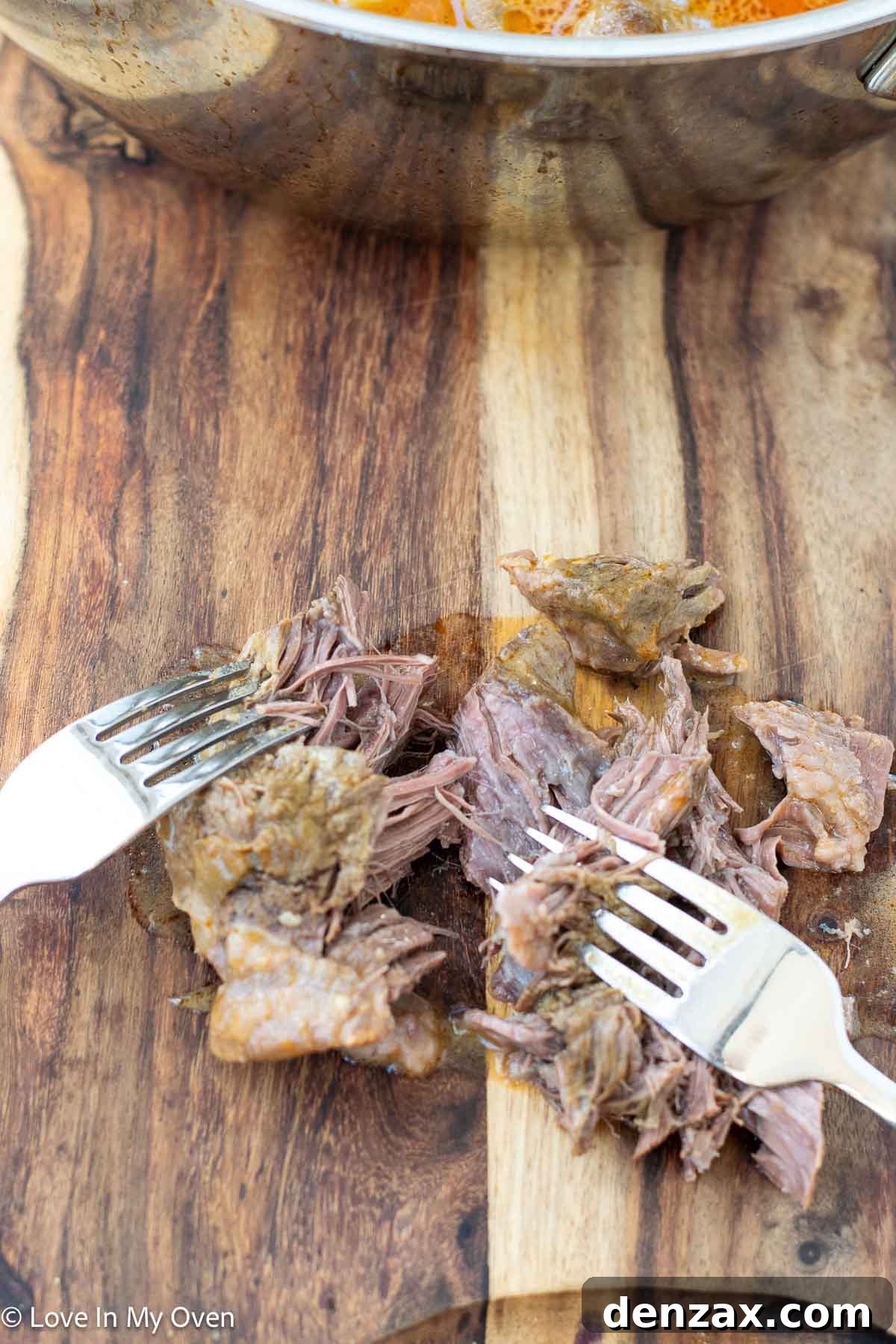
In this particular recipe, the beef becomes incredibly tender as it slowly cooks in the Dutch oven. It reaches a point where it practically melts apart, allowing it to soak up every drop of that luscious, spiced Massaman sauce. I often find myself gently shredding the beef with two forks before serving, ensuring each spoonful is bursting with flavor and texture.
Why a Dutch Oven for Massaman Curry?
While there are various ways to prepare a delicious curry, using a Dutch oven for this Beef Massaman recipe is truly a game-changer. The heavy, cast-iron pot excels at retaining and distributing heat evenly, creating an ideal environment for slow cooking. This method allows the beef to braise gently in its flavorful liquid, gradually breaking down tough connective tissues until it becomes incredibly tender and succulent.
The sealed environment of a Dutch oven also minimizes evaporation, keeping the sauce rich and concentrated. This slow, steady cooking process, often referred to as “low and slow,” is crucial for developing the deep, nuanced flavors that define Massaman curry. It gives ample time for the individual spices in the paste to bloom, for the coconut milk to mellow and thicken, and for the vegetables to absorb the delicious essence of the curry, resulting in a dish that’s far more complex and satisfying than quicker methods. It’s truly a labor of love that rewards patience with unparalleled taste.
Essential Ingredients for Beef Massaman Curry
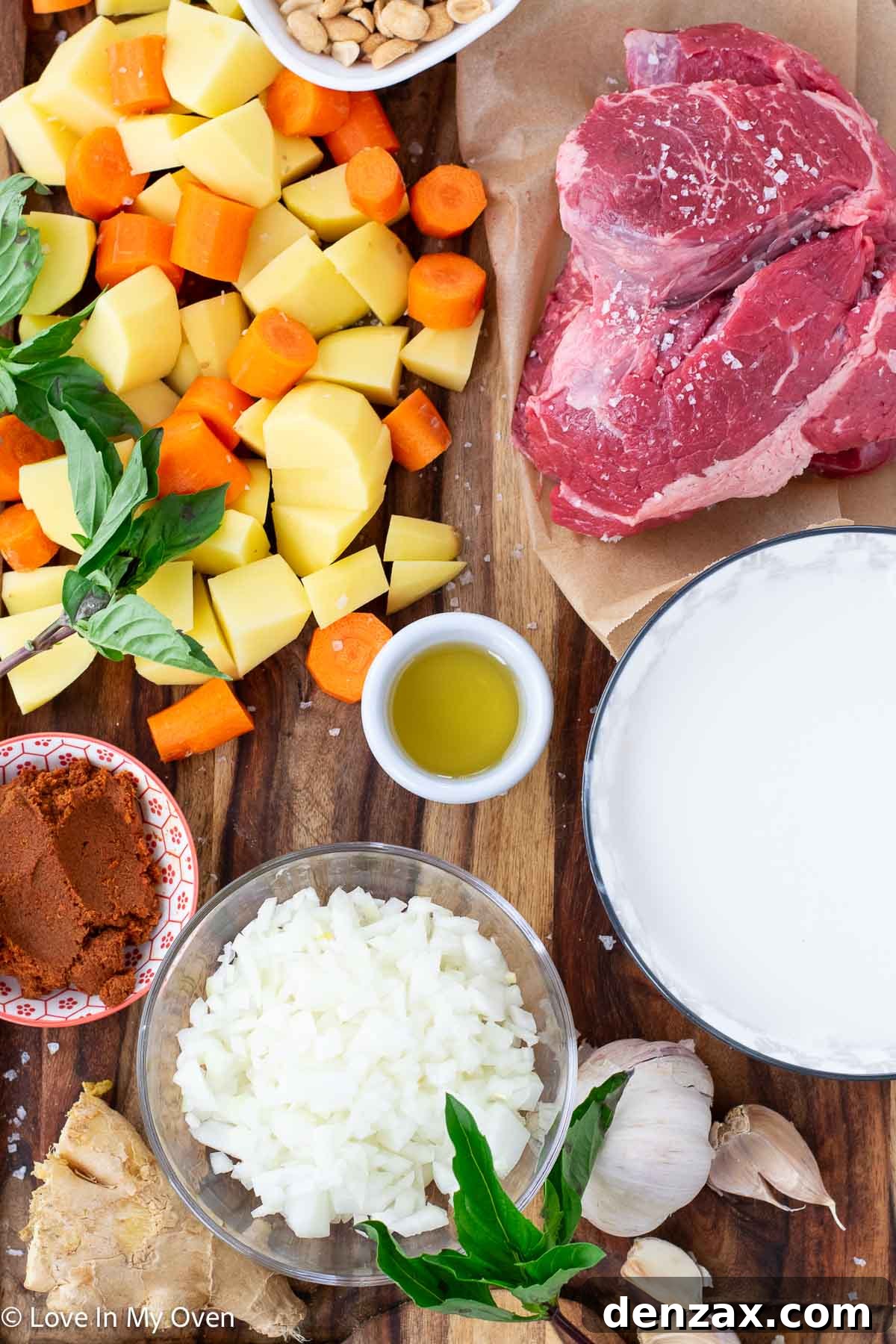
While the ingredient list might appear extensive, rest assured that many items are simple pantry staples, and each plays a vital role in building the incredible depth of flavor of this Thai curry. Here’s a closer look at what you’ll need to create this comforting masterpiece:
- Beef Bottom Blade Roast (2.5 – 3 lbs): This cut is highly recommended for its excellent marbling and rich, juicy flavor, which is perfect for slow cooking. As it braises, the fat and collagen break down, yielding incredibly tender, shreddable beef. You can also use a chuck roast, beef short ribs, or even stewing beef, as the long cooking time will ensure any tough cut becomes wonderfully soft.
- Avocado or Olive Oil (divided): Used for searing the beef and sautéing the aromatics. Avocado oil has a high smoke point, ideal for browning.
- Yellow Onion (1/2 diced): Provides a sweet and aromatic base for the curry sauce.
- Fresh Garlic (4 cloves, minced) & Fresh Ginger (1 tbsp, minced): These fresh aromatics are critical for a vibrant flavor. They add a pungent, spicy, and earthy warmth that truly elevates the dish. While fresh is always best, you can substitute with about 2 tablespoons of a good quality pre-made garlic and ginger paste for convenience.
- Massaman Curry Paste (1/4 cup): This is the heart of your curry! A good quality paste is essential. You can usually find it in the international aisle of larger grocery stores, specialty Asian markets, or online. Brands like Maesri or Mae Ploy are popular and reliable choices. If you’re feeling adventurous and want ultimate freshness, you can also try making your own Massaman curry paste from scratch.
- Full-Fat Coconut Milk (2 cans, 400ml each): The foundation of the creamy sauce. Full-fat coconut milk is crucial for achieving that authentic richness and velvety texture. Avoid light versions, as they can result in a thinner, less satisfying curry.
- Yellow Potatoes (3 large, peeled and cut into chunks): A classic Massaman addition, potatoes absorb the flavors of the curry beautifully and provide a lovely, starchy texture that thickens the sauce slightly. Russet or Yukon Gold potatoes work well.
- Carrots (2 large, peeled and cut into chunks): Adds a touch of natural sweetness and color, complementing the savory notes of the curry.
- Roasted, Salted Peanuts (1/2 cup): A signature garnish for Massaman. They add a wonderful crunch, nutty flavor, and essential texture contrast. Make sure they are roasted and salted for the best flavor.
- Fresh Thai Basil or Cilantro (2-3 tbsp, for garnish): Fresh herbs provide a burst of freshness and aroma just before serving, brightening the overall flavor profile.
Step-by-Step Guide to Making Beef Massaman Curry
Follow these detailed steps to create a truly unforgettable Beef Massaman Curry in your Dutch oven:
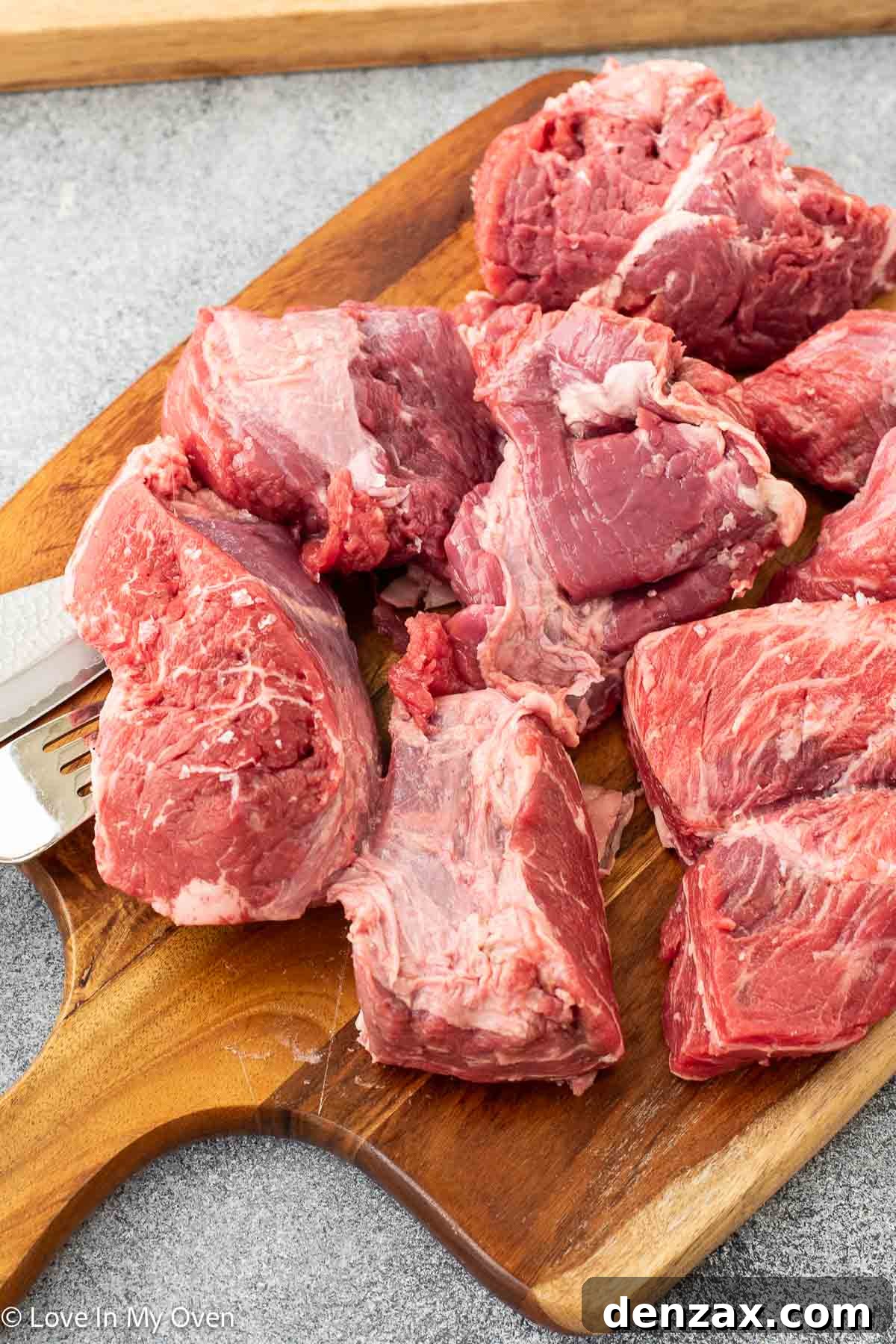
- Prepare the Beef: One hour before you begin cooking, remove your bottom blade roast from the refrigerator. Allowing the meat to come to room temperature helps it sear more evenly and develop a better crust. Cut the roast into large, manageable chunks (about 1.5-2 inches). Season generously with flaky sea salt.
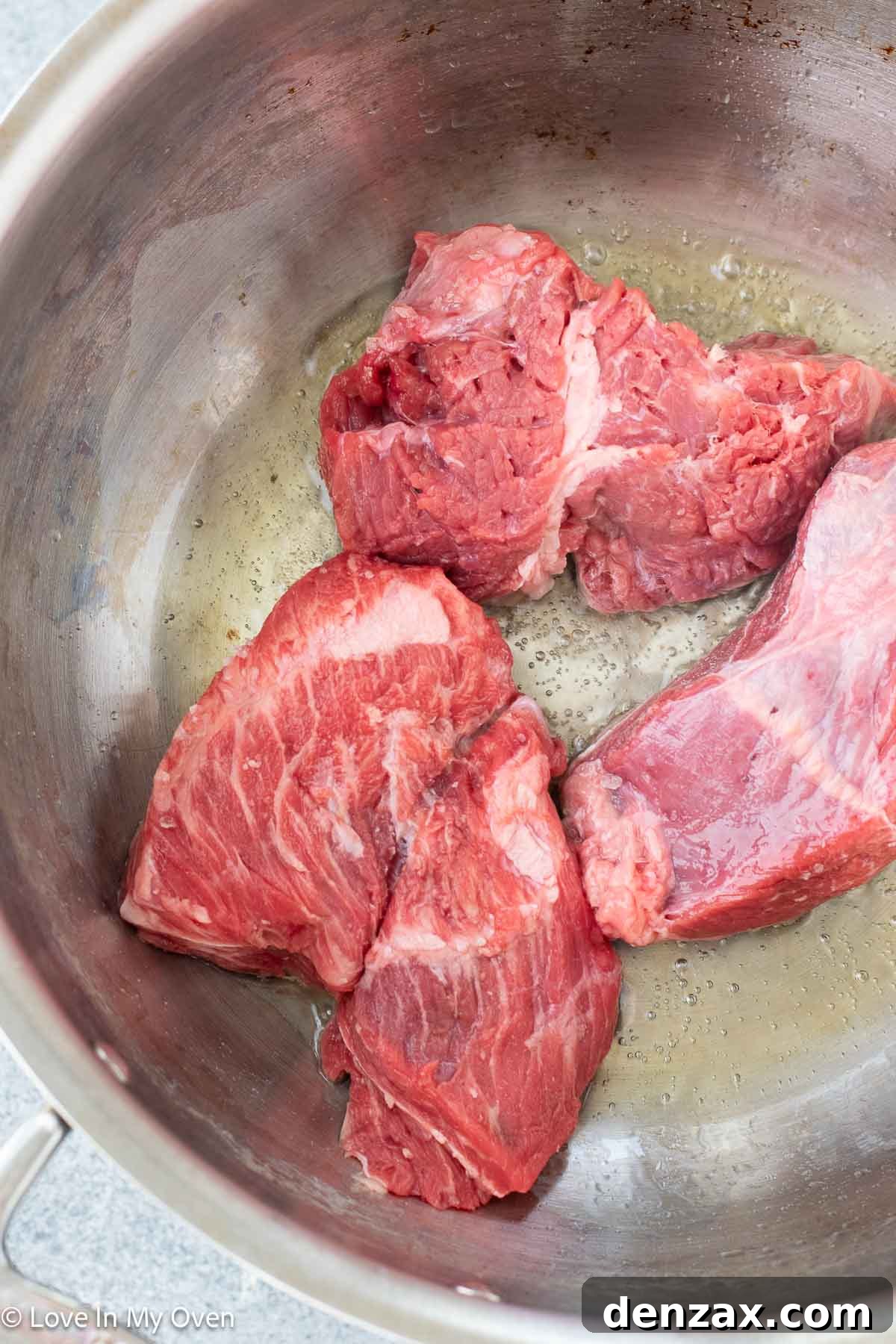
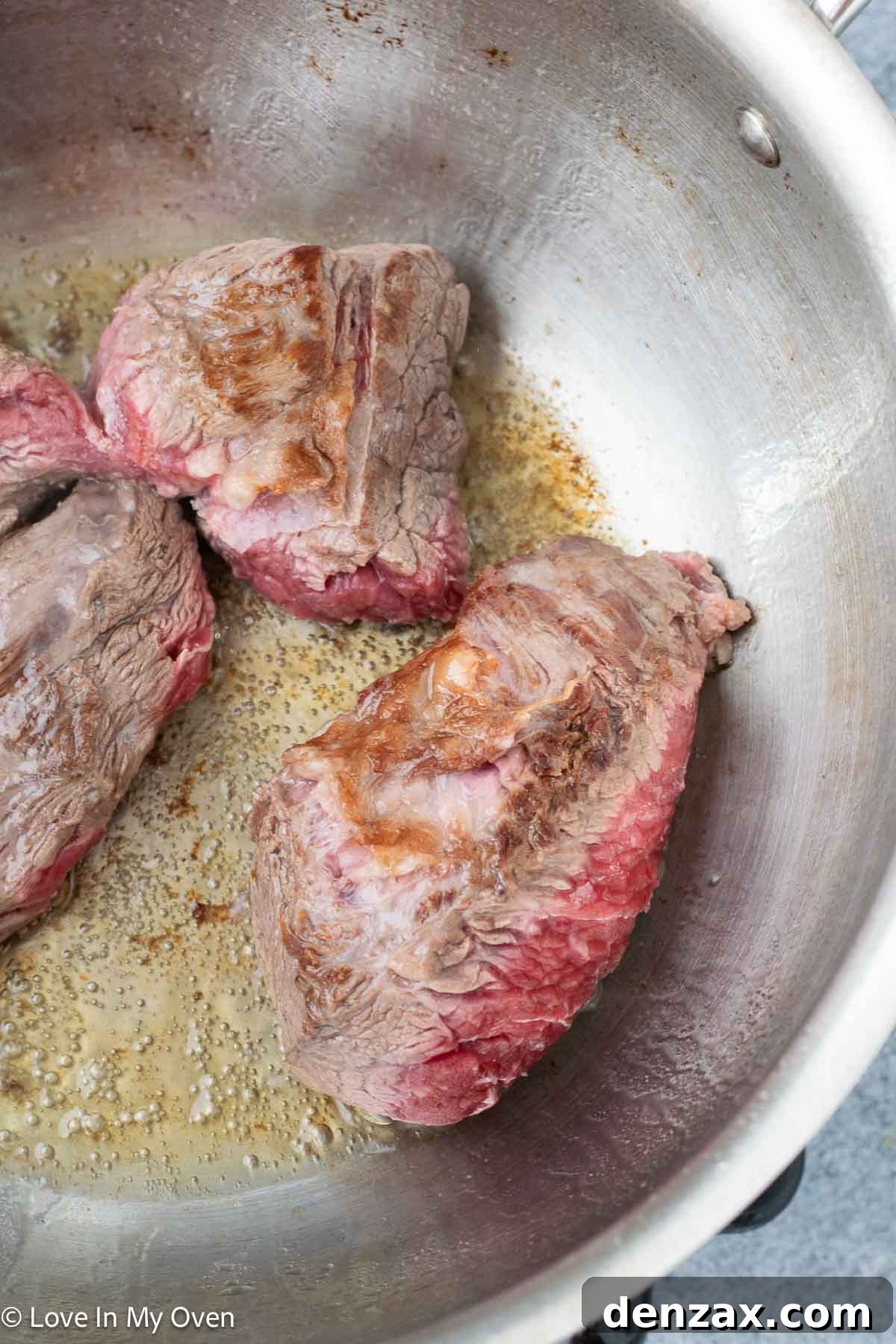
- Sear the Beef: Preheat your oven to 275°F (135°C). Place your Dutch oven over medium heat on the stovetop. Add 1 tablespoon of avocado or olive oil and let it heat for 1-2 minutes until shimmering. Carefully add a few chunks of beef to the pot, ensuring there’s enough space between each piece. Overcrowding the pot will cause the meat to steam rather than sear, preventing a golden-brown crust. You’ll likely need to do this in batches. Sear the beef on each side for about 4-5 minutes, or until a beautiful deep brown crust forms and the meat easily loosens from the pan. Remove the seared beef and set it aside.
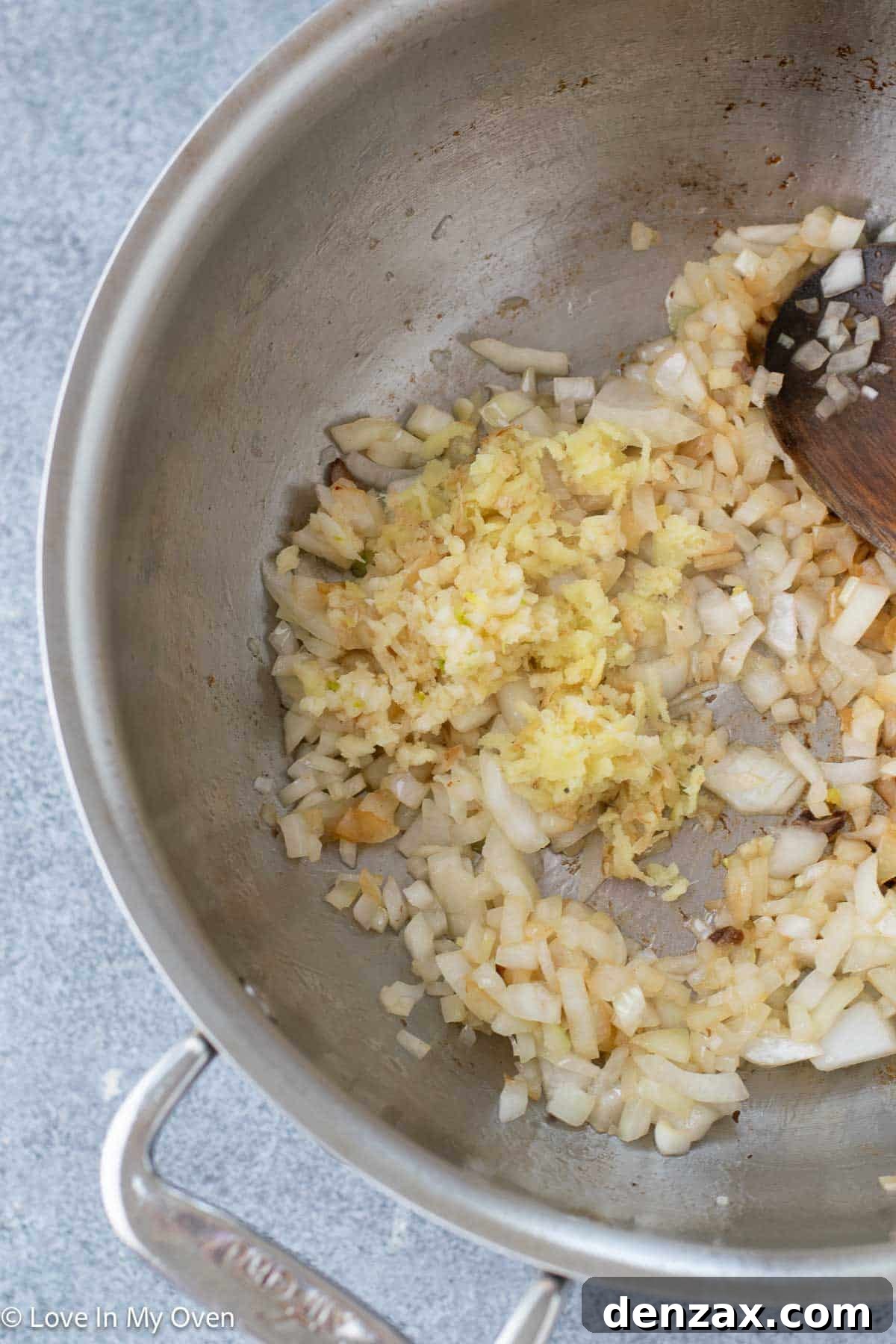
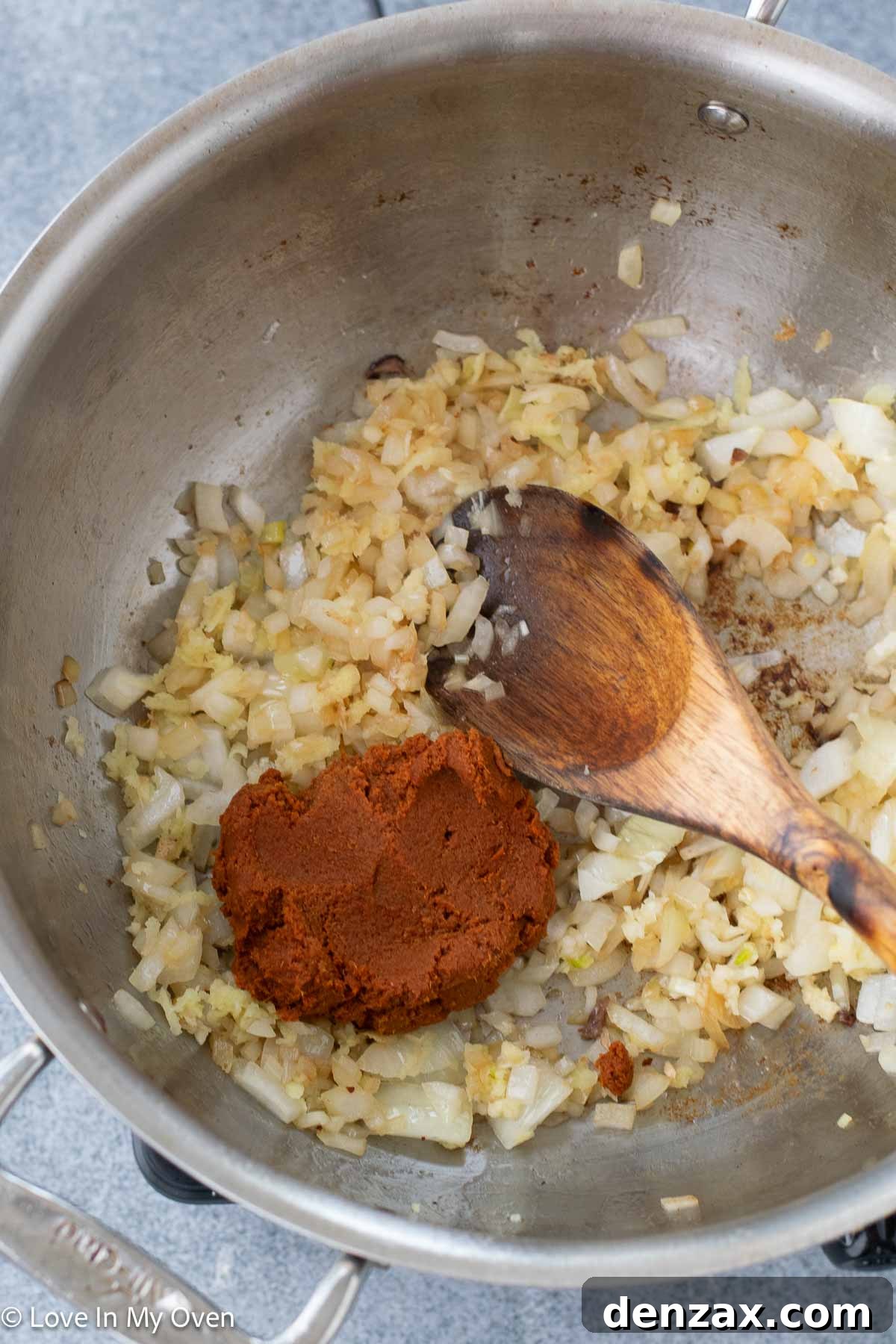
- Sauté Aromatics and Bloom Paste: Reduce the stovetop heat to low-medium. Add the remaining 1 tablespoon of oil to the Dutch oven, scraping up any browned bits from the bottom of the pan – these are packed with flavor! Add the diced onions and stir constantly, cooking for 2-3 minutes until they soften and become translucent. Next, add the minced garlic and ginger, cooking for another minute until fragrant. Now, add the Massaman curry paste. Stir it vigorously with a large wooden spoon, breaking it up and incorporating it into the softened onions, garlic, and ginger. Cook for 1-2 minutes, allowing the paste to “bloom” in the hot oil. This step is crucial for deepening the flavor of the spices in the paste.
- Create the Sauce: Pour in 1/2 cup of the full-fat coconut milk. Stir well, using the liquid to deglaze the pan and scrape up any remaining flavorful bits from the bottom. Continue stirring until the curry paste is fully incorporated and the sauce is smooth. Then, add the remaining coconut milk, stirring to combine.
- Combine and Braise: Return the seared beef chunks to the Dutch oven, gently moving them around to ensure they are evenly spaced and submerged in the sauce. Place the lid securely on the Dutch oven.
- Slow Cook to Perfection: Transfer the Dutch oven to your preheated 275°F (135°C) oven. Cook for a total of 4.5 to 5 hours. Set a timer for the first 2 hours. After 2 hours, carefully remove the Dutch oven from the oven, add the chopped potatoes and carrots, stir gently, then return the lidded pot to the oven for the remaining cooking time. The curry is ready when the beef is incredibly tender and can be easily shredded with a fork. Once cooked, remove the beef chunks from the pot to a cutting board. Use two forks to shred the beef into smaller, succulent pieces, then return it to the pot and stir it back into the rich sauce. Place the curry back in the oven for an additional 20-30 minutes to allow the shredded beef to fully absorb the sauce and for the flavors to deepen further. This is an excellent time to prepare your rice or other accompaniments!
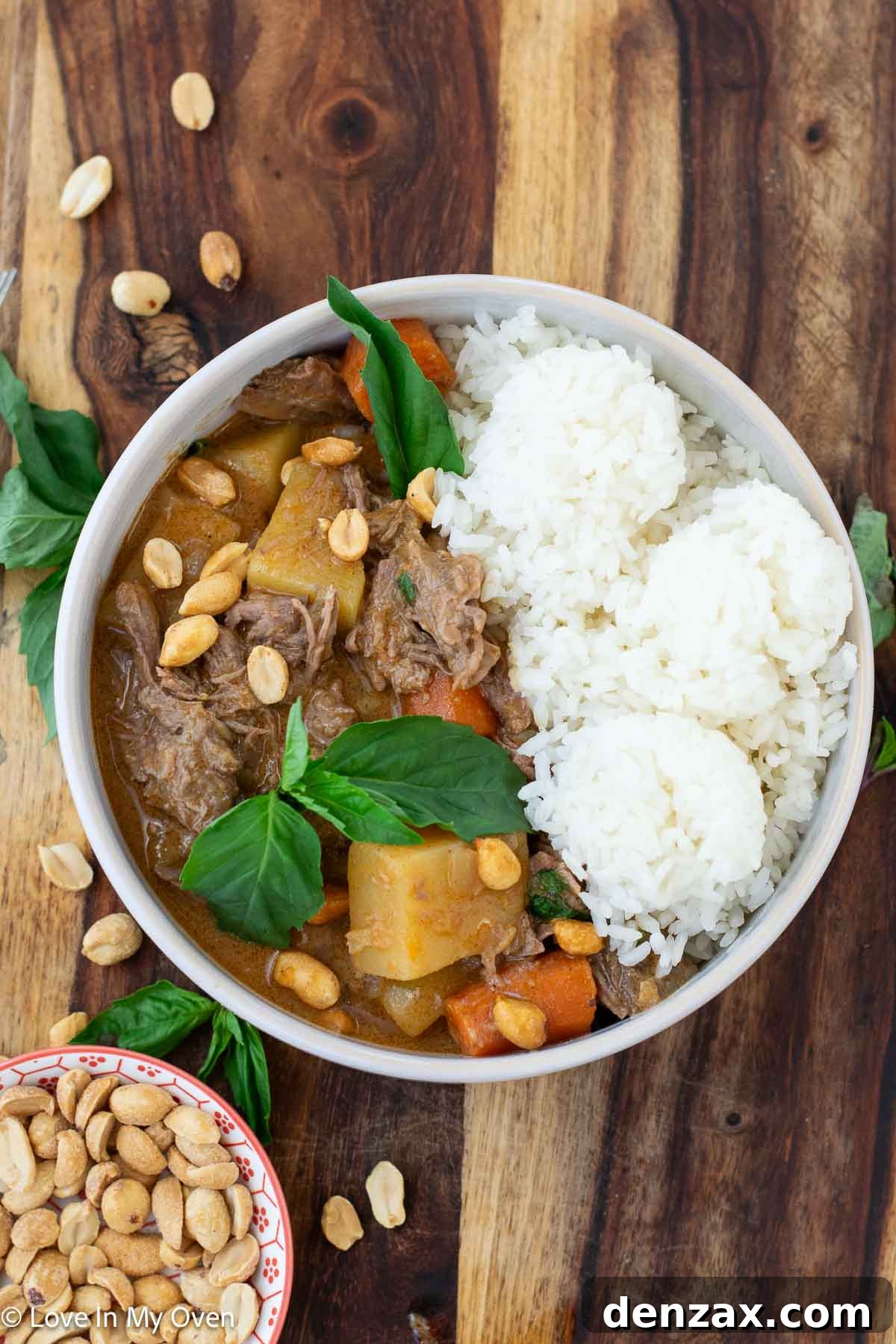
- Serve and Garnish: Carefully remove the finished Massaman curry from the oven. Ladle generously over your choice of rice, cauliflower rice, or rice noodles. For an authentic touch and a burst of flavor and texture, top each serving with a sprinkle of roasted peanuts and fresh Thai basil or cilantro. Enjoy!
Serving Suggestions for Your Massaman Curry
A beautifully prepared Beef Massaman Curry deserves equally delightful accompaniments. Here are some perfect pairings to complete your meal:
- Coconut Rice: The creamy sweetness of coconut rice perfectly complements the rich flavors of the curry, adding another layer of tropical indulgence.
- Basmati Rice: Its fragrant, long grains are excellent for soaking up the delicious sauce without overpowering the curry’s delicate spices.
- Cilantro Lime Cauliflower Rice: For a lighter, low-carb option, cauliflower rice infused with zesty lime and fresh cilantro offers a refreshing contrast.
- Rice Noodles: A great alternative to rice, especially if you prefer a different texture or are looking for a gluten-free option.
- Quinoa: A nutritious grain that offers a slightly nutty flavor and a pleasing texture.
- Naan Bread: Soft, chewy naan is fantastic for scooping up every last drop of the rich Massaman sauce.
- Extra Potatoes or Roasted Potatoes: If you’re a potato lover, a side of simple roasted potatoes can be a wonderful addition, offering more comforting starch to the meal.
Slow Cooker and Instant Pot Variations
While the Dutch oven provides unparalleled flavor development, you can absolutely adapt this Beef Massaman Curry recipe for the convenience of a slow cooker or Instant Pot, especially on busy days!
Slow Cooker Instructions:
The slow cooker is an excellent alternative for this recipe, allowing the flavors to meld beautifully over several hours with minimal supervision. Follow the searing and sauce-building steps exactly as written, but instead of using the Dutch oven directly, use its insert if it’s stovetop-safe. If not, complete steps 1-4 in a separate skillet or pot, then transfer all ingredients to your slow cooker. Cook on LOW for 5-6 hours, or even up to 8 hours for maximum tenderness and convenience if you’re out for the day. Add the potatoes and carrots during the last 2-3 hours of cooking to ensure they are tender but not mushy. Shred the beef before the final 20-30 minutes, just as you would with the Dutch oven method. The long, gentle cook time is perfect for achieving that signature Massaman richness.
Instant Pot Instructions:
Using an Instant Pot will significantly cut down on cooking time, making it ideal for a weeknight meal. Here’s how to adapt:
- Cut the beef into 1.5-2 inch chunks. Use the “Sauté” function on your Instant Pot to sear the beef in batches with a tablespoon of oil until browned on all sides. Remove and set aside.
- Add the remaining oil, then sauté the diced onions until softened. Stir in the minced garlic and ginger for one minute until fragrant. Add the Massaman curry paste and “bloom” it for another minute, stirring constantly.
- Pour in 1/2 cup of coconut milk to deglaze the pot, scraping up any stuck-on bits. Add the remaining coconut milk. Important: When using an Instant Pot, reduce the total coconut milk to 1 can (400ml) to prevent the curry from becoming too watery, as there’s less evaporation.
- Return the seared beef to the pot, along with the chopped potatoes and carrots. Ensure everything is submerged.
- Secure the lid and set the Instant Pot to “Manual” or “Pressure Cook” on HIGH pressure for 20 minutes.
- Once cooking is complete, allow for a Natural Pressure Release (NPR) for at least 10-15 minutes before performing a quick release of any remaining pressure. This natural release helps tenderize the meat further.
- Carefully open the lid. Shred the beef with two forks, stir it back into the curry, and serve with your favorite garnishes.
While the Instant Pot offers speed, some argue that the depth of flavor developed over hours in a slow cooker or Dutch oven is unparalleled. However, for a quick and satisfying Massaman fix, the Instant Pot is a fantastic option!
Storage and Leftovers
This Beef Massaman Curry recipe makes a generous amount, which is great because leftovers are truly exceptional! The flavors have more time to meld and deepen, often tasting even better the next day.
- Refrigeration: Store any leftover curry in an airtight container in the refrigerator for 3-4 days.
- Freezing: Massaman curry freezes beautifully! Allow the curry to cool completely, then transfer it to freezer-safe containers or heavy-duty freezer bags. It can be frozen for up to 3 months. Thaw overnight in the refrigerator before reheating.
- Reheating: Reheat gently on the stovetop over medium-low heat, stirring occasionally, until warmed through. You may need to add a splash of water or extra coconut milk if the sauce has thickened too much. Avoid high heat to prevent the coconut milk from separating.
*Tip* Always add the roasted peanuts and fresh herbs just before serving, even with leftovers, to maintain their freshness, crunch, and vibrant aroma.
Other Thai-Inspired Curries to Try
If you’ve fallen in love with the complex flavors of Massaman, there’s a whole world of delicious curries waiting to be explored! We’re big fans of curry in our kitchen, and each offers a unique taste experience. Here are some other favorites from the blog that you might enjoy:
- Prawn Massaman Curry
- Thai Chicken Peanut Curry
- Easy Vegetarian Curry
- Thai Green Chicken Curry
- Easy Thai Basil Chicken (a flavorful stir-fry, not strictly a curry but shares similar profiles)
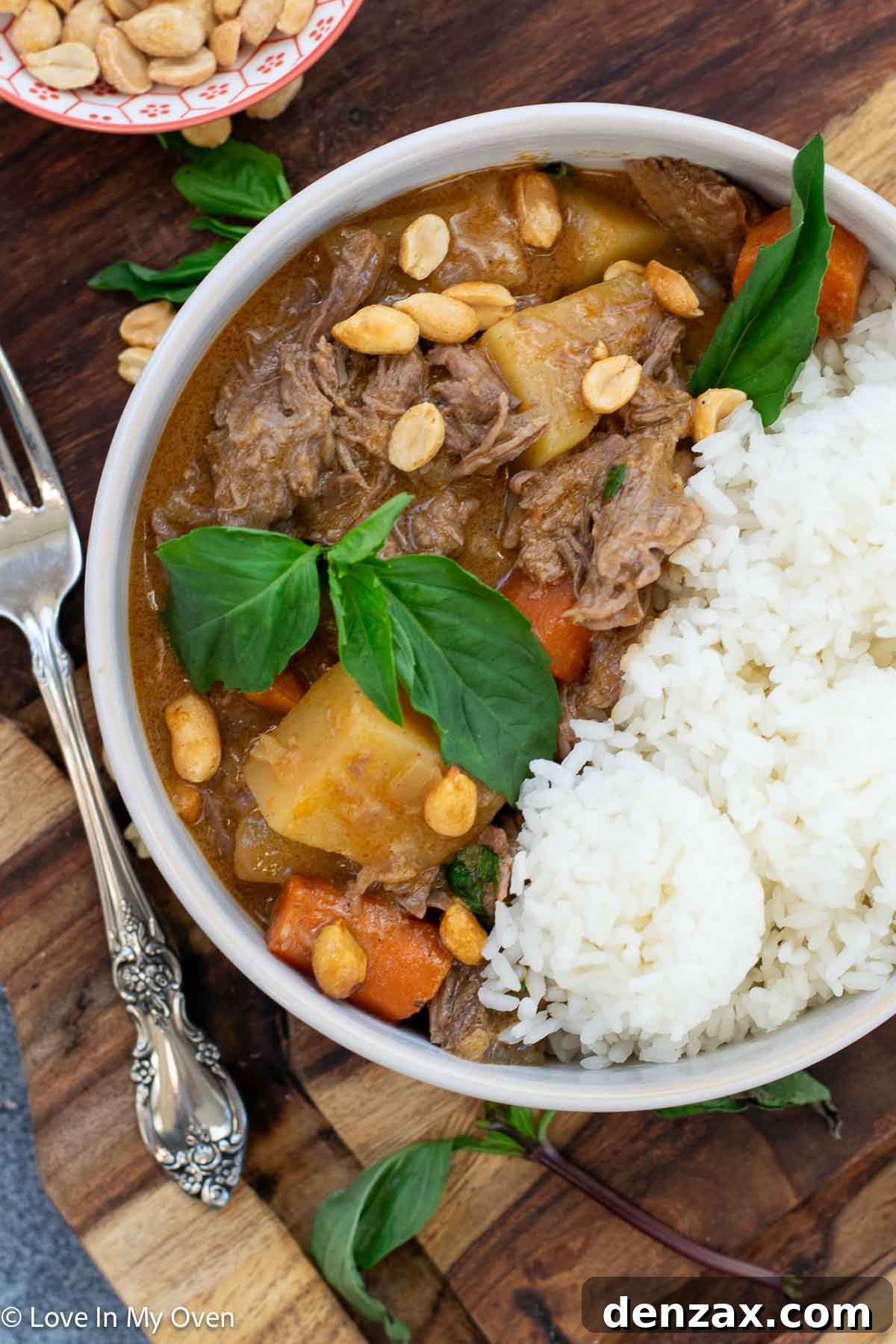

Slow-Cooked Beef Massaman Curry
- Author: Katherine | Love In My Oven
- Total Time: 6 hours
- Yield: 4-5 servings
Description
This rich and flavourful beef Massaman curry is slow cooked in the oven for maximum flavour! It’s perfect over rice or with naan bread, and the leftovers are even better!
Ingredients
- 2 1/2 – 3 lb beef bottom blade roast*
- 2 tbsp avocado oil or olive oil, divided
- 1/2 diced yellow onion
- 1 tbsp fresh ginger, minced**
- 4 cloves garlic, minced
- 1/4 cup Massaman curry paste***
- 2 cans (400mL each) full-fat coconut milk
- 3 large yellow potatoes, peeled and cut into chunks
- 2 large carrots, peeled and cut into chunks
- 1/2 cup roasted, salted peanuts
- 2-3 tbsp fresh Thai basil or cilantro, for garnish
Instructions
- One hour prior to starting the recipe, remove the roast from the fridge to allow it to come to room temperature. Cut the roast into large chunks, then add flaky sea salt to the top of it.
- Preheat the oven to 275 F (135°C). In a Dutch oven over medium heat on the stove, add 1 tablespoon of avocado oil and heat it for 1-2 minutes before adding a few chunks of the beef to the pot. Leave enough space between the pieces of meat to ensure a nice crust, otherwise you may end up steaming the meat! This means you’ll have to brown the meat in batches. Sear the meat on each side for about 4-5 minutes or until it easily loosens from the pan. Set the meat aside.
- Turn the heat to low-medium and add the remaining tablespoon of oil to the pot. Add in the diced onions and stir, cooking for 2-3 minutes or until softened. Add in the garlic and ginger, and cook for another minute. Next, add the curry paste and stir, breaking it up and incorporating it into the onions with a large wooden spoon.
- Add 1/2 cup of the coconut milk and stir, deglazing the pan. Stir until the paste is incorporated into the coconut milk, then add the remaining coconut milk.
- Place the beef back into the pot, moving things around a bit so it’s evenly spaced out. Place the lid on to the Dutch oven and place in the oven.
- Cook the curry for 4 1/2 – 5 hours at this low heat. Set a timer for 2 hours, then add the vegetables (potatoes and carrots), before returning to the oven. You’ll know the curry is ready when the beef is super tender and easily shreds with a fork. When the beef is ready, remove the chunks from the pot to a cutting board, and use two forks to shred the beef, before returning it the pot and stirring. Place the curry back in the oven for 20-30 minutes.
- Remove the curry from the oven, and serve over rice, cauliflower rice, or even rice noodles. Top the dish with roasted peanuts and Thai basil (or cilantro), if you have it on hand.
Notes
*I like to use a bottom blade roast, but you can use a beef chuck roast or another cut of beef suitable for slow cooking if you’d prefer.
**You can substitute the fresh garlic and ginger for a prepared garlic and ginger paste. Use approximately 2 tablespoons of the paste.
***If you can’t find Massaman paste in your local grocery store, look for it in Asian specialty stores or online. You can also make your own for an even fresher flavor.
*Tip* Add the peanuts at the end when serving to maintain their delightful crunch and savory saltiness, rather than stirring them into the entire curry during cooking.
- Prep Time: 20 minutes
- Cook Time: 5 hours
- Category: Curry
- Method: Dutch Oven
- Cuisine: Thai