
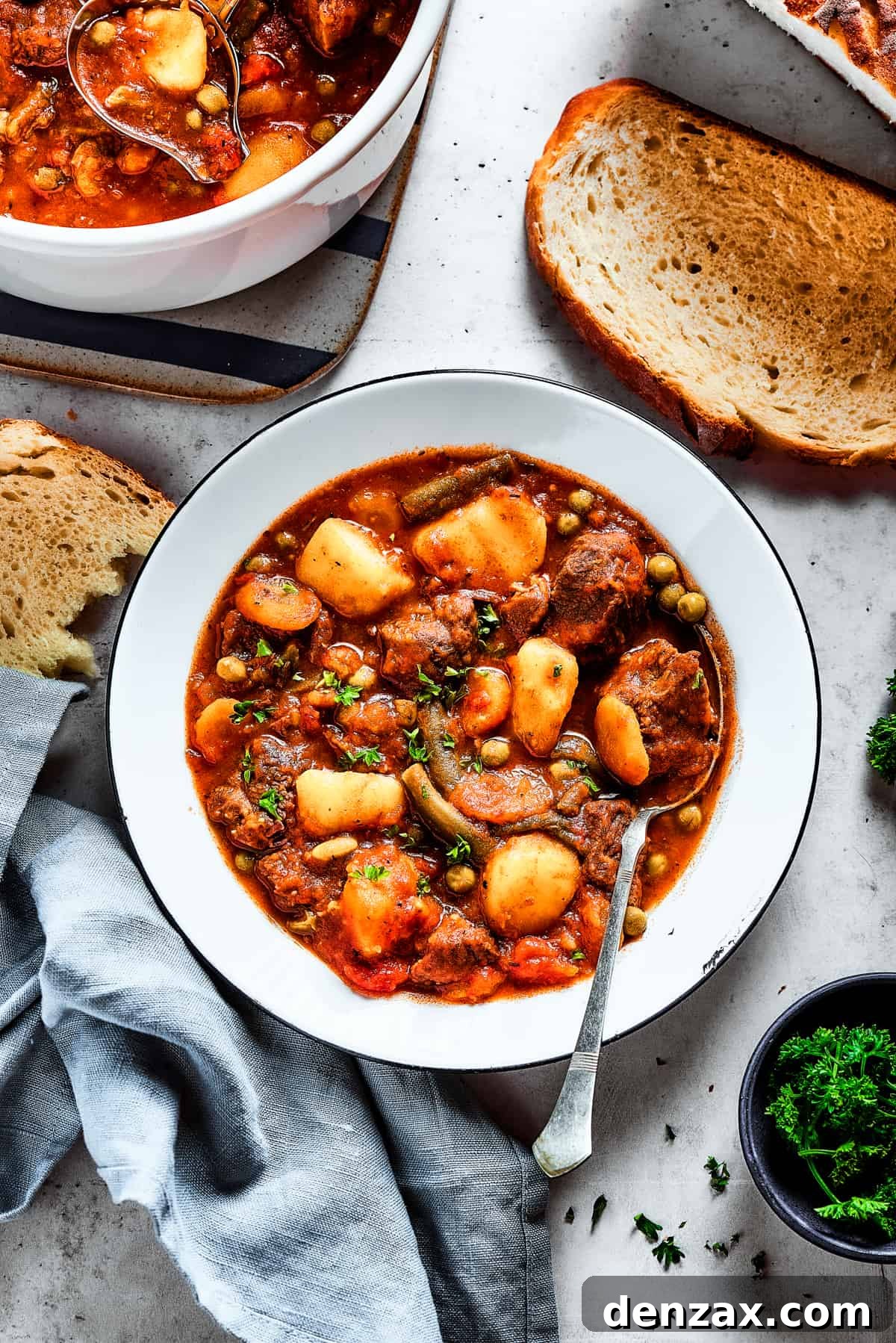
As the crisp autumn air heralds shorter days and the vibrant leaves paint the landscape in hues of gold and crimson, there’s an undeniable yearning for dishes that wrap you in warmth and comfort. Look no further than this classic, old-fashioned Mulligan Stew – a true celebration of hearty, rustic flavors. This isn’t just a meal; it’s a rib-sticking, soul-soothing experience that’s surprisingly simple to prepare yet consistently delivers deep, delicious satisfaction. Get ready to embrace the season with a bowl of pure, unadulterated coziness.
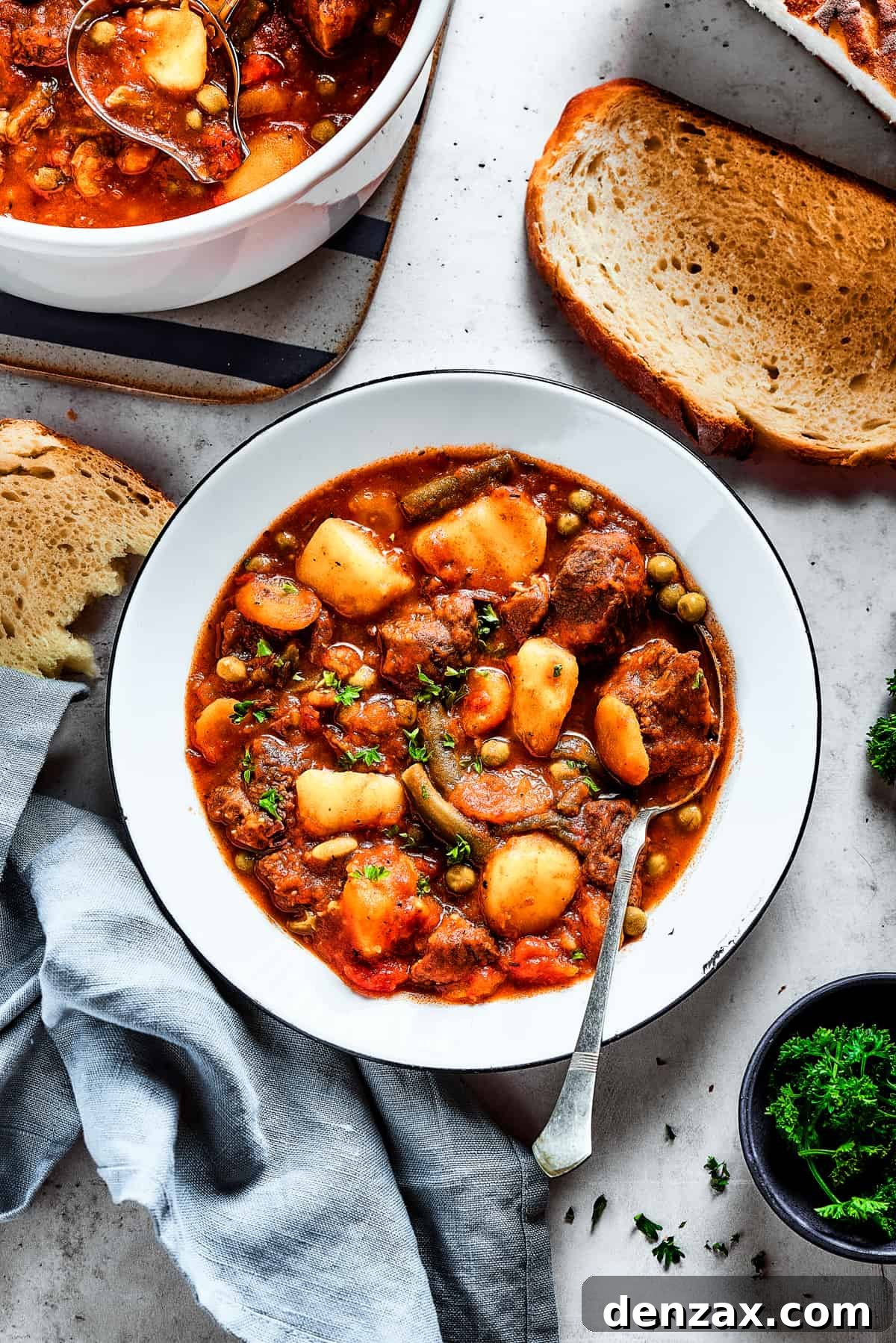
The Ultimate Old-Fashioned Mulligan Stew: A Fall Favorite
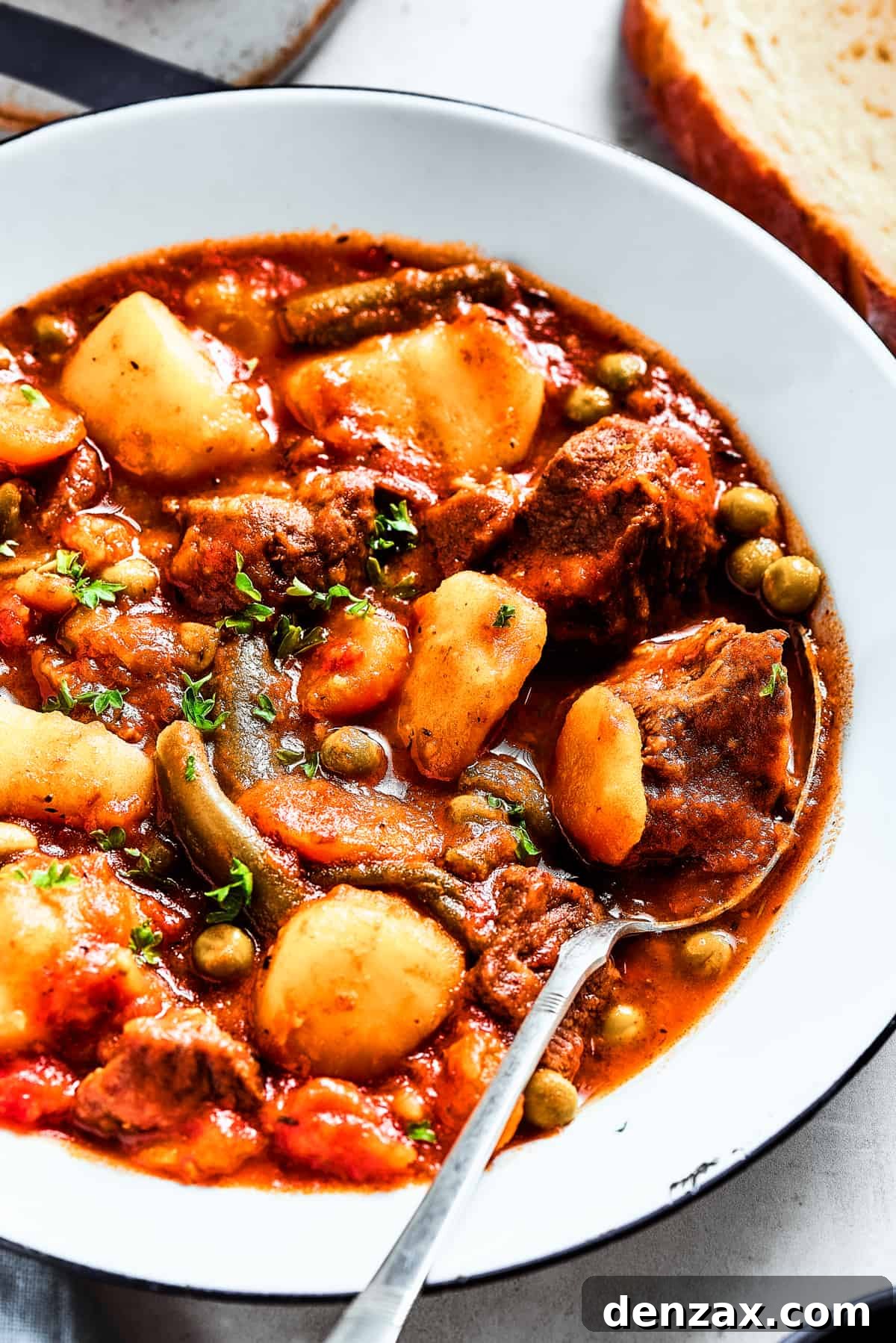
Are you searching for a one-pot meal that stands apart from your usual chili or everyday beef stew? Then it’s time to discover the enduring charm of Mulligan Stew. If you’ve never had the pleasure of tasting this culinary gem, prepare for it to become a cherished staple in your kitchen. This robust stew masterfully combines succulent chunks of tender beef with the vibrant zest of tomatoes, the gentle sweetness of peas, and the earthy crunch of green beans, alongside other nourishing vegetables. The result is a substantial dish that artfully bridges the gap between your favorite vegetable soup and a rich, thick beef stew. Serve this on a crisp, chilly evening, and you’ll instantly understand why it evokes feelings of pure bliss and home-cooked heaven.
Why Mulligan Stew Will Become Your New Go-To Comfort Food
- Nostalgic Appeal: Mulligan Stew is the epitome of old-fashioned comfort food. Its roots in resourceful cooking and community gathering make it feel like a culinary hug from simpler times. Imagine the warmth of a campfire stew, full of wholesome ingredients, bringing families together. This stew carries that same heartwarming spirit, making it a beloved family favorite for generations.
- Budget-Friendly & Resourceful: At its heart, Mulligan Stew is a testament to culinary ingenuity. It’s one of those brilliant recipes where creativity meets practicality, allowing you to utilize whatever ingredients you have on hand. This makes it an excellent choice for minimizing food waste and transforming leftovers into a brand-new, exciting meal. It truly embodies the spirit of frugal yet flavorful cooking.
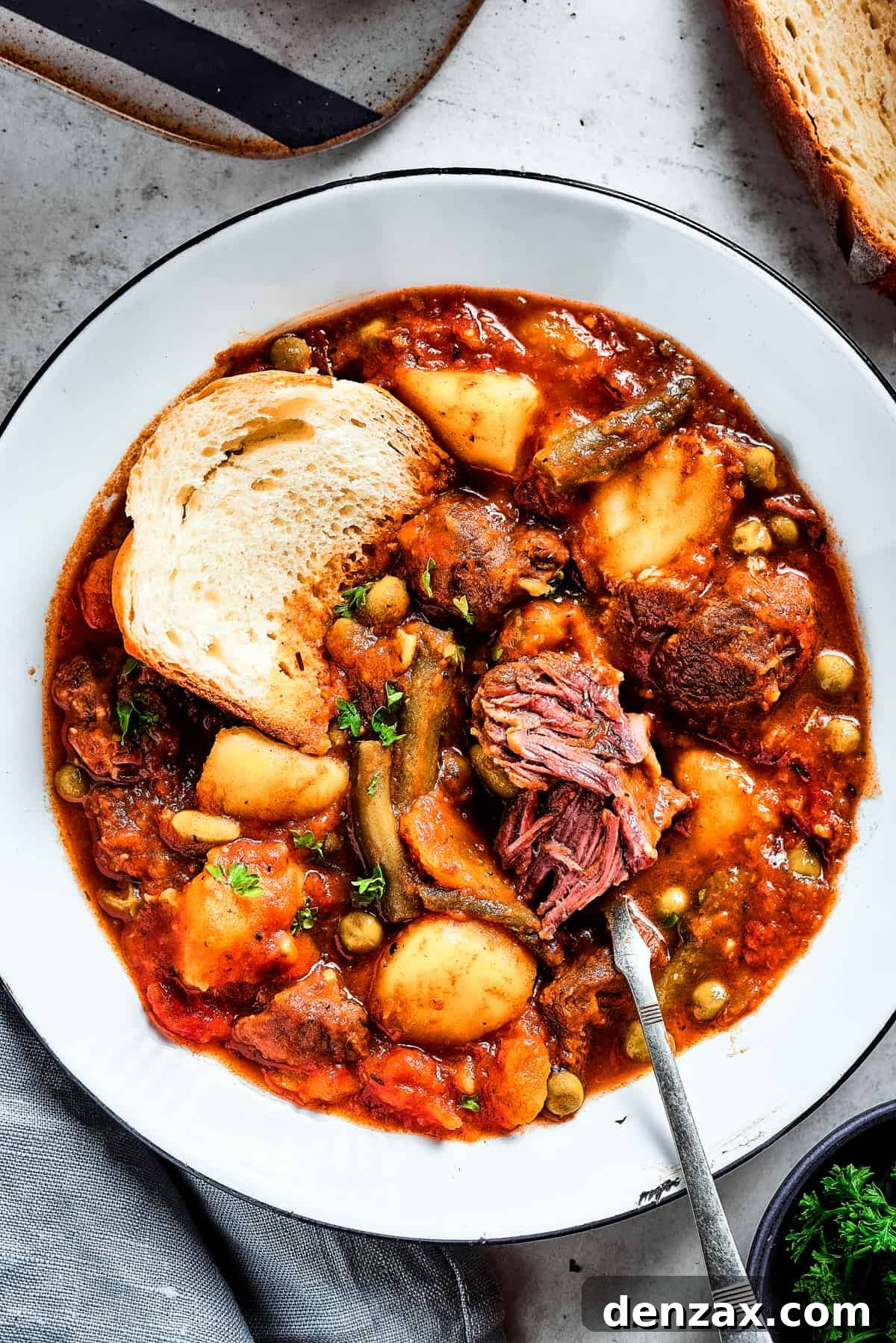
- Ultimate Coziness: When the weather turns cold, nothing quite hits the spot like a hearty stew. Mulligan Stew is no exception. Its rich broth, tender meat, and abundance of vegetables create a deeply satisfying and restorative dish. Each spoonful delivers a warm embrace, making it the perfect antidote to a long day or a chilly evening. It’s a classic comfort that nourishes both body and soul.
- Deceptively Simple: Don’t let the incredible depth of flavor fool you – Mulligan Stew is remarkably easy to prepare. With just a few basic ingredients and straightforward steps, you can create a meal that tastes like it took hours of complex effort. Its simplicity makes it accessible for cooks of all skill levels, proving that extraordinary taste doesn’t require an elaborate process.
The Intriguing History of Mulligan Stew
The name “Mulligan Stew” itself hints at a story of improvisation and resourcefulness. Believed to have originated among Irish immigrants in North America, particularly associated with hoboes and transient workers in the late 19th and early 20th centuries, this stew was a communal effort. “Mulligan” was a common Irish surname, and a “Mulligan” in this context could refer to the stew’s creator or simply be a generic term for an Irishman. These resourceful individuals would pool whatever ingredients they could find – scraps of meat, forgotten vegetables, wild herbs – into a single pot, cooking it over an open fire. The beauty of Mulligan Stew lies in its adaptability; no two batches were ever quite the same, making it a truly democratic and sustainable dish long before such concepts were fashionable. It’s a culinary representation of making the most of what you have.
Irish Stew vs. Mulligan Stew: Unraveling the Differences
While both Irish stew and Mulligan stew are celebrated for their hearty, traditional charm, they possess distinct characteristics. Irish stew, in its purest form, is a more defined dish, typically featuring lamb (or sometimes mutton or beef), potatoes, onions, and carrots. It’s known for its clear, savory broth and a relatively consistent ingredient list that reflects the historical staples of Irish cuisine. Mulligan stew, on the other hand, embraces a much more “anything goes” philosophy. It is often a vibrant, eclectic combination of whatever meats, vegetables, and seasonings are available. This improvisational nature means you might find a diverse array of seasonal vegetables – from summer corn and bell peppers to winter root vegetables – all mingling harmoniously in the same pot. Our recipe provides a fantastic foundational version, allowing you to easily whip up a delicious stew even when your pantry isn’t overflowing with “leftovers.”
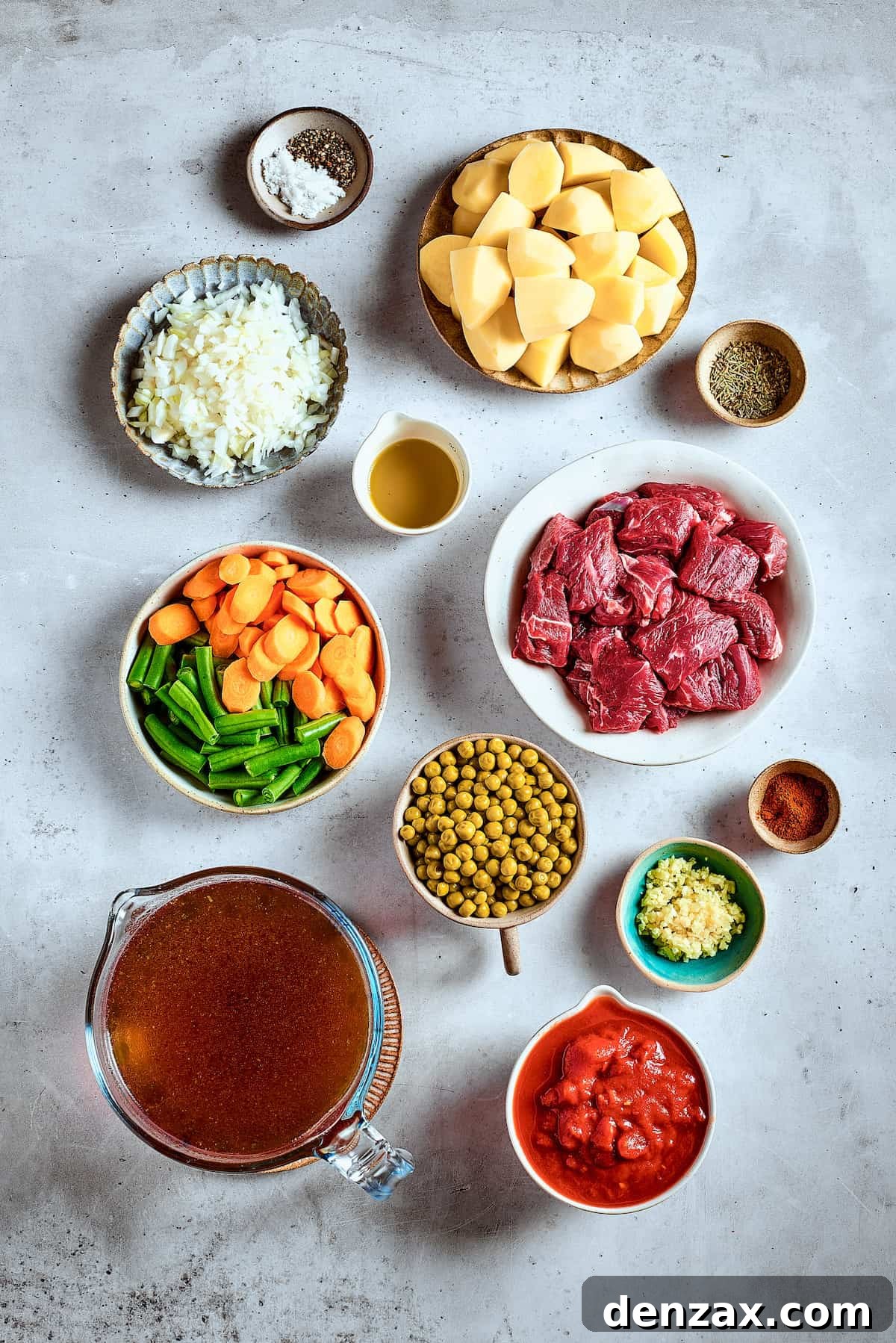
Essential Ingredients for Your Savory Mulligan Stew
Curious about the building blocks of this satisfying classic? Our version of Mulligan Stew is generously packed with tender, flavorful chunks of beef, a colorful medley of nutritious vegetables, and a carefully selected blend of savory seasonings. Here’s a detailed look at the ingredients that bring this dish to life:
- Olive Oil: The starting point for sautéing, olive oil provides a light, flavorful base. Feel free to substitute with any neutral cooking oil you prefer, such as canola or vegetable oil.
- Beef: The heart of the stew. Opt for high-quality stew beef, pre-cut for convenience, or a chuck roast that you can cube yourself. Chuck roast, with its excellent marbling, becomes incredibly tender and flavorful when slow-simmered.
- Salt and Pepper: Essential seasonings to enhance the natural flavors of the meat and vegetables. Kosher salt is recommended for its pure taste, and freshly ground black pepper adds a fragrant kick.
- Onion and Garlic: The aromatic foundation of almost any great stew. Diced onion caramelizes to add sweetness, while minced or pressed garlic infuses the broth with its pungent, savory depth.
- Paprika: This spice adds a beautiful color and a subtle warmth. We highly recommend smoked paprika for that authentic, rustic, campfire-inspired flavor. If smoked isn’t available, sweet paprika is a perfectly acceptable alternative.
- Beef Broth: The primary liquid component, beef broth is crucial for building a deep, rich, and savory base for the stew. While vegetable or chicken broth can be substituted, they won’t yield the same robust color and intense flavor profile.
- Carrots: Sweet and vibrant, carrots add both flavor and a pleasant texture. Cutting them into one-inch chunks ensures they hold their shape during the long simmer.
- Potatoes: A classic stew staple, potatoes provide comforting starch and heartiness. Yukon gold potatoes are excellent for their creamy texture and ability to absorb flavors without falling apart completely when cubed.
- Tomatoes: Adding a touch of tangy acidity and a rich umami depth. While fresh tomatoes can be used, canned, crushed tomatoes are a convenient and consistent choice, contributing a robust tomato flavor to the broth.
- Green Beans: Providing a delightful snap and fresh green color. Fresh green beans are fantastic, but frozen green beans work just as well and can be added directly to the pot without thawing.
- Peas: These small bursts of sweetness add another layer of flavor and texture. Frozen peas are ideal for their convenience and retain their vibrant color when added towards the end of cooking.
- Herbs: A fragrant blend of dried oregano and rosemary elevates the stew with their earthy, aromatic notes. A generous garnish of freshly chopped parsley at the end brightens the dish with its fresh, herbaceous finish.
How to Prepare Your Hearty Mulligan Stew: Step-by-Step
Crafting this delicious Mulligan Stew is a surprisingly straightforward process. The key lies in layering flavors, starting with perfectly browned beef to create those deep, savory undertones, then patiently simmering your array of vegetables until every ingredient is tender and infused with the rich, meaty goodness.
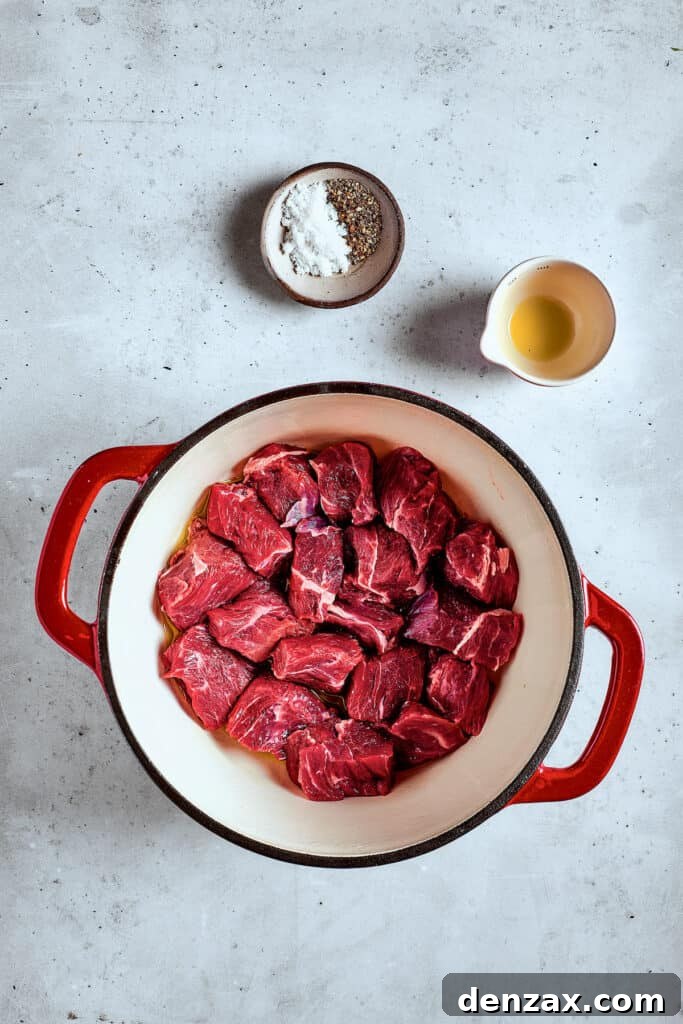
- Brown the Beef to Build Flavor: Begin by heating the olive oil in a large, heavy-bottomed soup pot or a Dutch oven over medium-high heat. Season your cubed beef generously with salt and pepper. Add the beef to the hot oil in batches if necessary, ensuring not to overcrowd the pot. Brown the beef thoroughly on all sides, allowing a rich, caramelized crust to form. This crucial step is called the Maillard reaction and contributes immense depth of flavor to your stew. Once browned, remove the beef and set it aside on a clean plate.
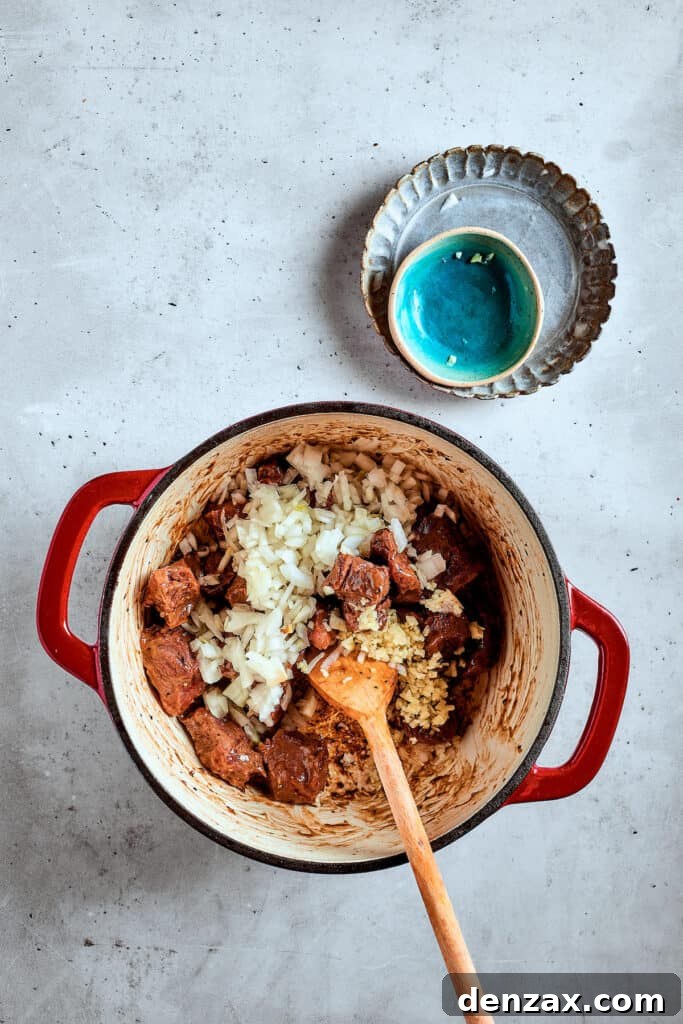
- Sauté Aromatics and Bloom Spices: In the same pot, with any delicious browned bits remaining, add the diced onion. Cook, stirring occasionally, until the onions become soft and translucent, typically about 2-3 minutes. Next, add the minced garlic and cook for another minute until fragrant. Stir in the smoked paprika, cooking for just one minute more. This “blooming” of the paprika in the hot oil helps to release its full aromatic potential and rich color.
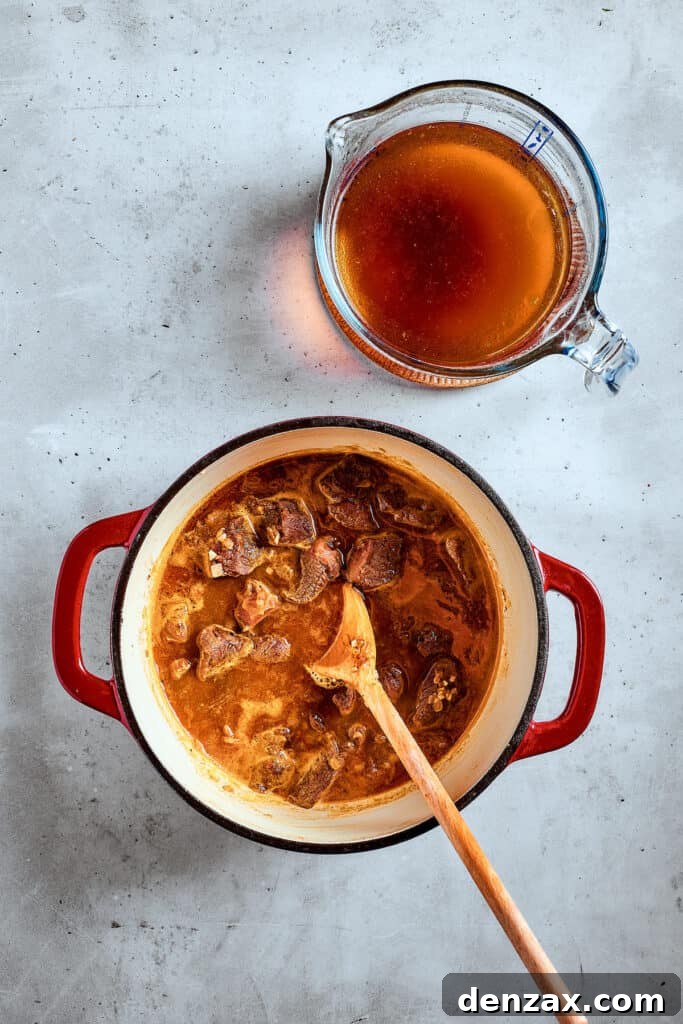
- Simmer the Beef for Tenderness: Return the browned beef to the pot. Pour in the beef broth, ensuring it fully covers the meat. Bring the liquid to a gentle boil, then reduce the heat to low, cover the pot tightly, and let it simmer for approximately one hour. This slow, low-and-slow cooking process is key to breaking down the connective tissues in the beef, rendering it incredibly tender and juicy.
- Introduce the Vegetables in Stages: After the beef has simmered for an hour, add the heartier vegetables: cubed potatoes, carrot chunks, and green beans. Stir everything together and continue to simmer for another 30 minutes, or until these vegetables are beginning to soften but still have a slight bite. Next, stir in the crushed tomatoes and allow the stew to simmer for an additional 15 minutes to fully integrate their tangy flavor. Finally, add the frozen peas, dried oregano, and dried rosemary. Simmer for a final 10 minutes, or until all vegetables are perfectly tender.
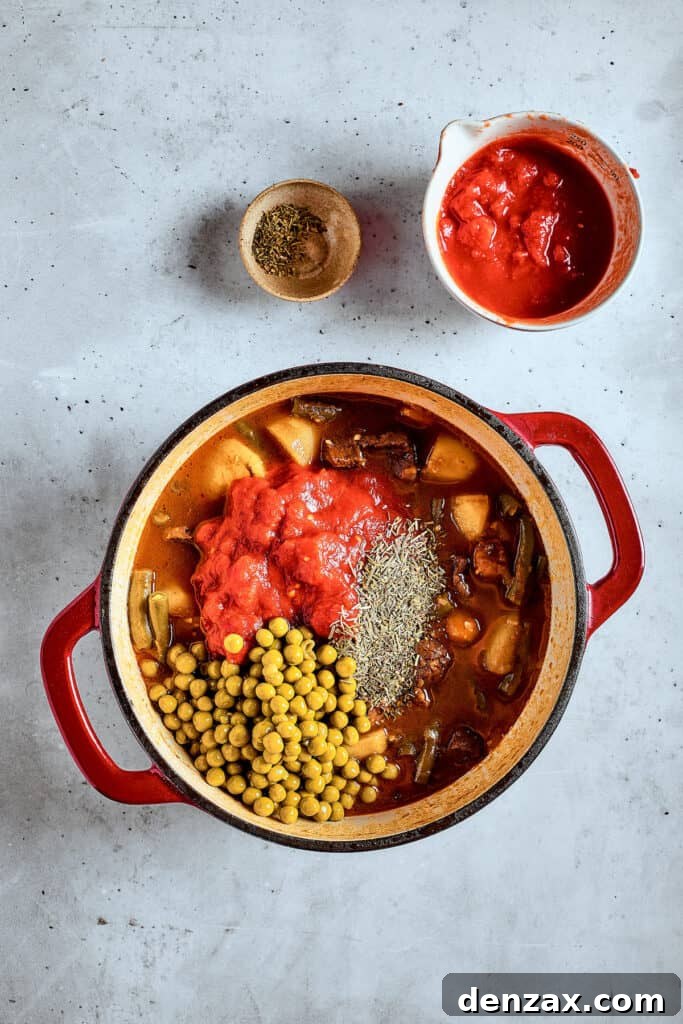
- Final Seasoning and Serve: Once all the vegetables are tender and the flavors have beautifully melded, taste the stew and adjust the seasonings as needed. Add the remaining kosher salt and black pepper to your preference. Finally, stir in the freshly chopped parsley just before serving to add a burst of fresh flavor and a vibrant green garnish. Serve your piping hot Mulligan Stew with your favorite accompaniments. Enjoy every comforting spoonful!
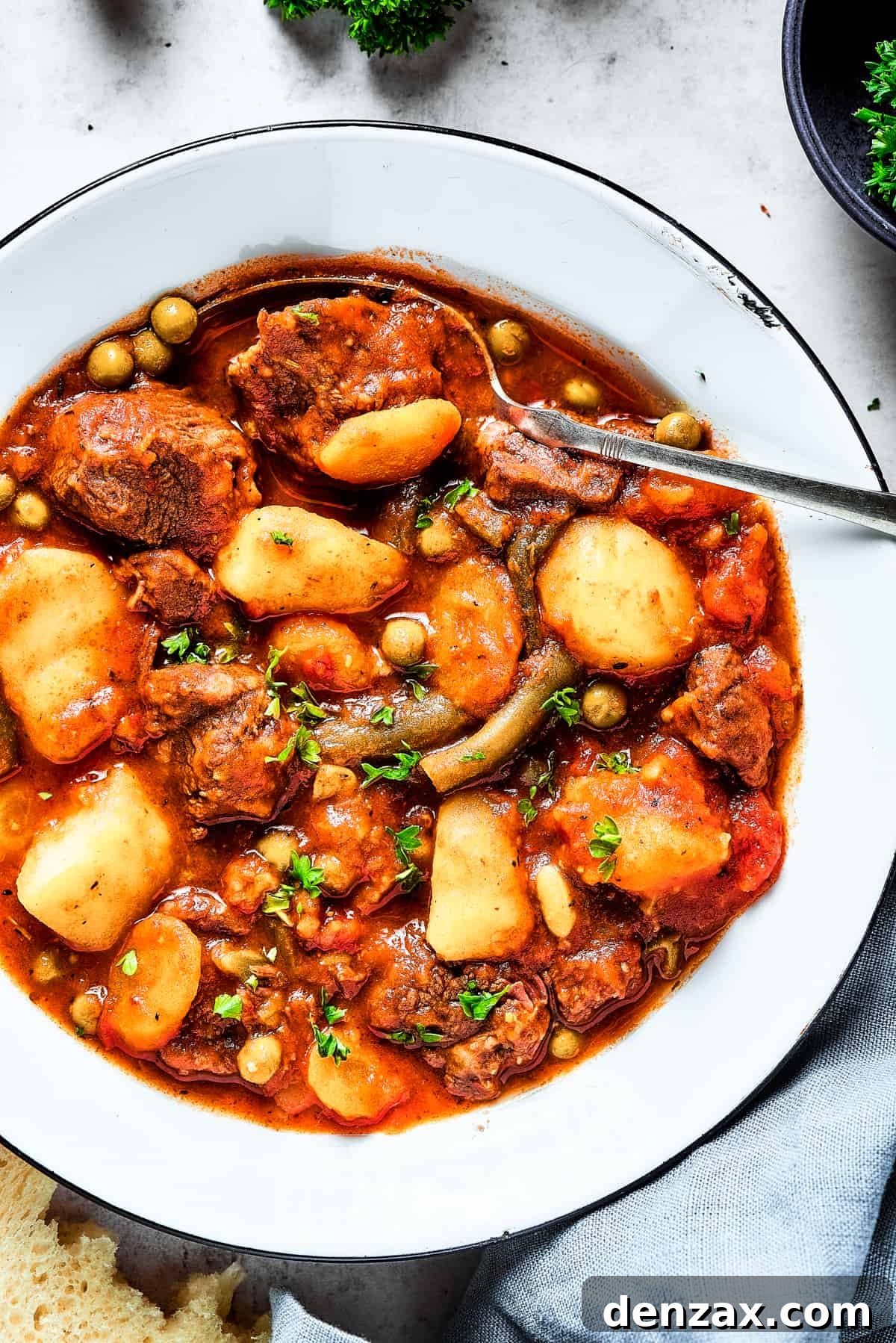
Pro Tips for a Perfectly Delicious Mulligan Stew
- Master the Art of Layering Flavors: The secret to a truly exceptional stew lies in building flavor from the ground up. Always start by browning your chosen meat – whether it’s beef, lamb, or even poultry – in batches. Searing the meat creates a deeply savory crust that translates into a rich, complex foundation for your entire stew. Don’t rush this step; those browned bits are pure gold!
- Deglaze Your Pot for Extra Depth: After you’ve sautéed your aromatics (onions, garlic, etc.), don’t let those flavorful browned bits at the bottom of the pot go to waste. Deglaze the pot by adding a splash of broth, wine, or even beer. Use a wooden spoon to scrape up all those delicious sticky bits. This step incorporates incredible depth and umami into your stew’s broth.
- Embrace a Diverse Array of Vegetables: The beauty of Mulligan Stew is its versatility. Don’t be shy about incorporating a wide variety of vegetables. Beyond the traditional potatoes and carrots, consider adding corn, bell peppers, celery, parsnips, turnips, or even mushrooms. Think seasonally and use what you have on hand. Root vegetables add earthiness, while quicker-cooking vegetables can be added later.
- Adjust Thickness to Your Liking: If you prefer a thicker stew, you have a few options. You can either simmer the stew uncovered for a longer period during the final stages to reduce the liquid, or you can create a slurry. Whisk together a tablespoon of cornstarch with an equal amount of cold water, then slowly stir it into the simmering stew until it reaches your desired consistency.
- Herbaceous Freshness Matters: While dried herbs are excellent for long simmering, a touch of fresh herbs at the very end can truly elevate the dish. Fresh parsley, chives, or even a sprig of fresh thyme stirred in just before serving will brighten the flavors and add an appealing aroma.
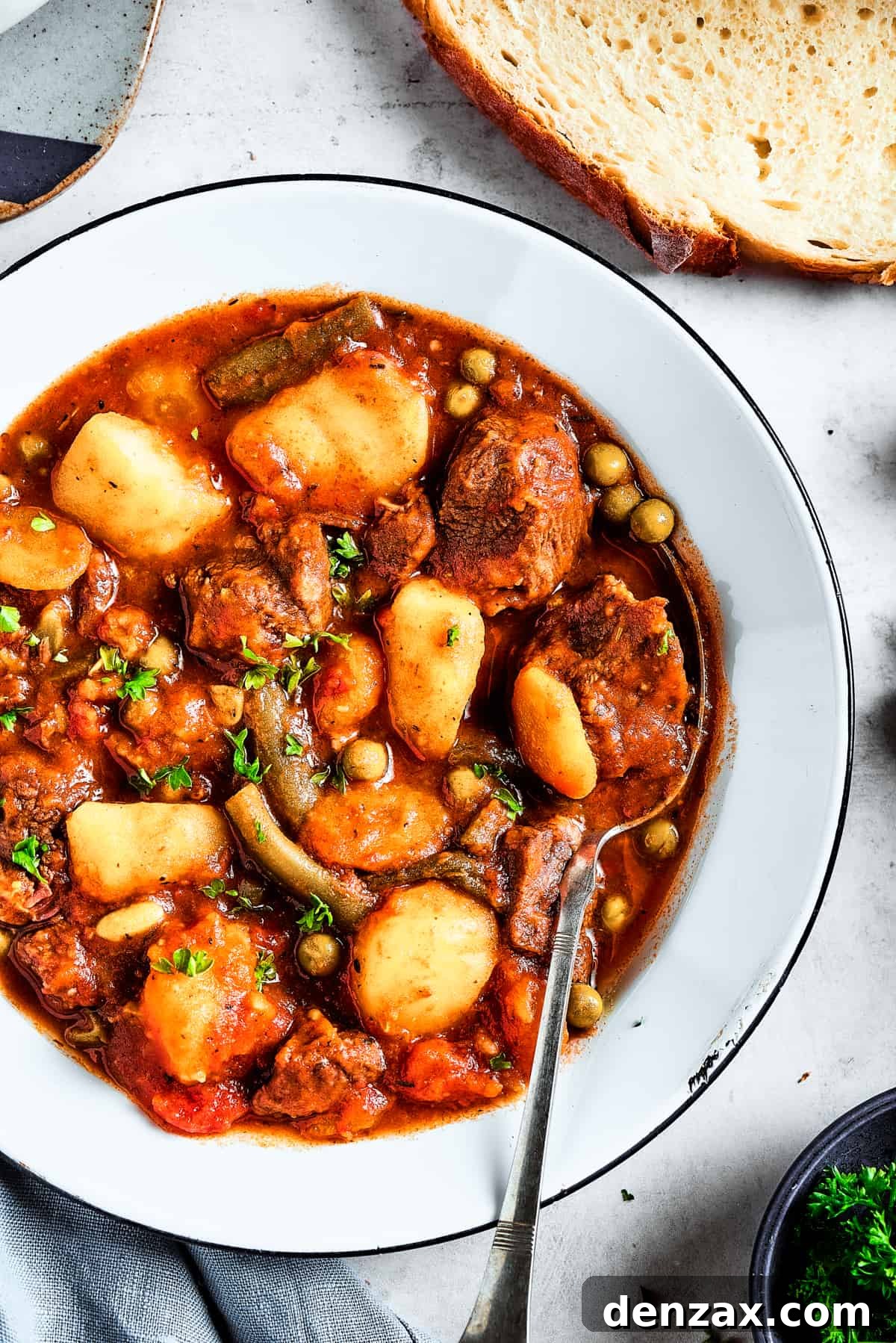
Delightful Serving Suggestions for Your Mulligan Stew
Mulligan Stew is a meal in itself, but it truly shines when paired with accompaniments that can soak up its rich, savory broth. Here are some fantastic ideas to complete your comforting meal:
- Warm, Fluffy Cornbread: There’s nothing quite like the sweet, slightly crumbly texture of cornbread to complement a savory stew. Whether you prefer to dunk large pieces into the rich broth or crumble it directly into your bowl, you’ll love this sweet, honey-topped Homemade Cornbread Recipe served alongside hot Mulligan Stew. It’s a match made in culinary heaven.
- Irresistible Crescent Rolls: For a truly indulgent experience, whip up a batch of homemade crescent rolls. These flaky, buttery rolls (also known as butterhorn rolls) are utterly irresistible and perfect for sopping up every last drop of that flavorful broth. Consider making a double batch and freezing some for later – trust us, they are absolutely worth the effort. Find the recipe here: Homemade Crescent Rolls.
- Crisp Side Salad: If you’re looking to lighten the meal slightly or add a refreshing counterpoint, a crisp side salad is an excellent choice. A simple garden salad with fresh greens, cucumbers, and cherry tomatoes would be wonderful. Alternatively, try making this creamy, zesty, and effortlessly simple Cucumber Salad with Sour Cream Dressing for a delightful contrast in flavors and textures.
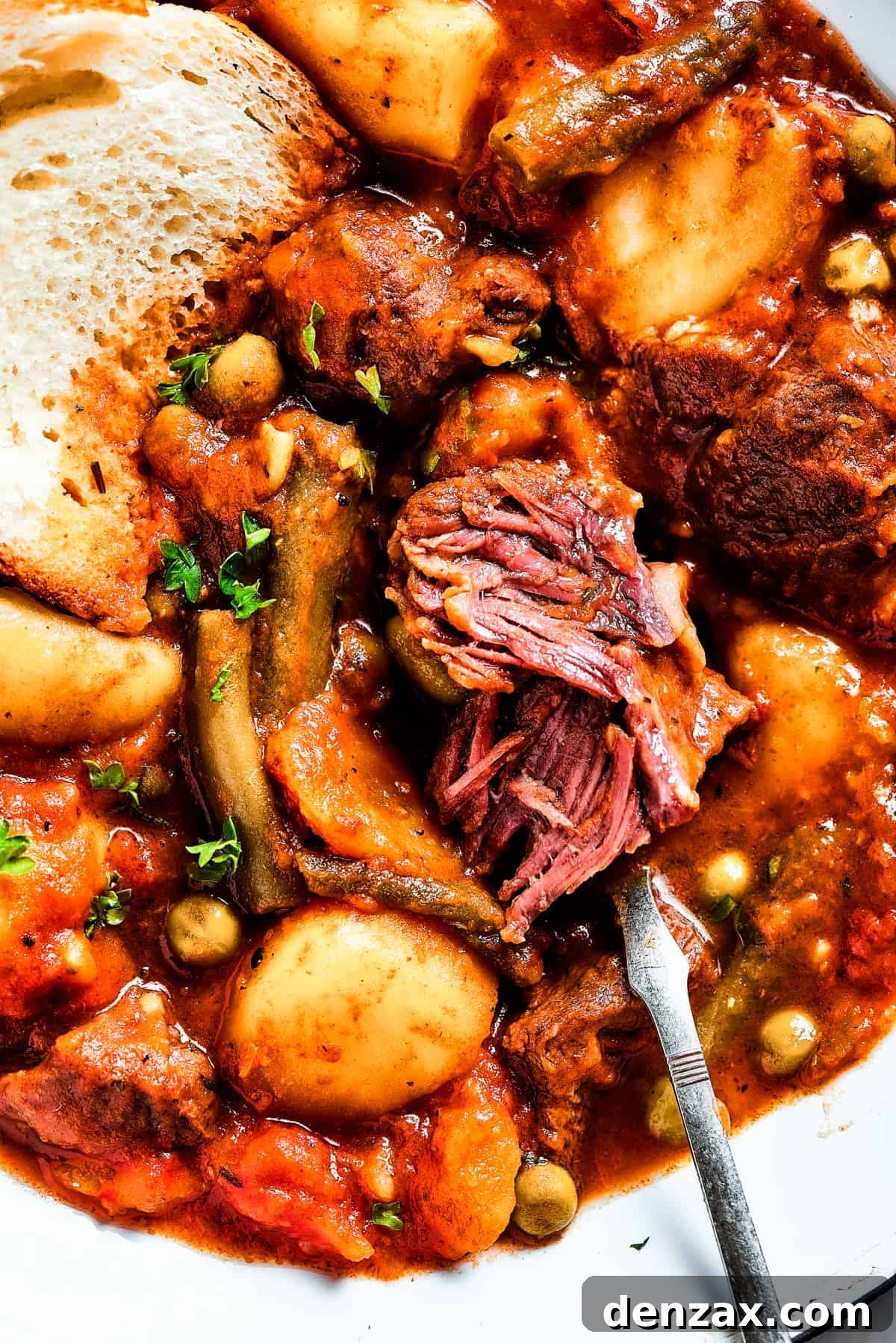
Storing and Reheating Your Mulligan Stew for Extended Enjoyment
- Refrigeration: Like many hearty soups and stews, Mulligan Stew often tastes even better the next day as the flavors have more time to meld and deepen. To store leftovers, simply transfer the cooled stew to an airtight container and refrigerate it promptly. It will maintain its delicious quality for 3 to 4 days. When you’re ready to enjoy it again, gently reheat it on the stovetop over low heat, stirring occasionally. If the stew has thickened too much during storage, add a splash of beef broth or water to reach your desired consistency.
- Freezing for Future Meals: Mulligan Stew freezes exceptionally well, making it perfect for meal prepping or saving for a busy weeknight. Portion the cooled stew into freezer-safe containers, leaving a little space at the top for expansion. It can be safely stored in the freezer for up to 3 months. For best results, thaw the frozen stew in the refrigerator overnight before reheating it slowly on the stove. This ensures even thawing and preserves the texture and flavor.
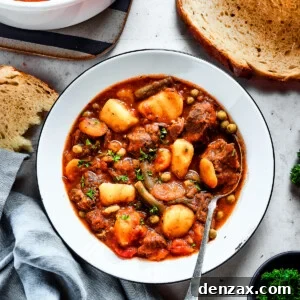
Mulligan Stew
It’s time to cozy up with a bowl of pure comfort with this Mulligan Stew! Get ready for a rib-sticking dish that’s easy, warm, and scrumptious.
Prep Time: 20 minutes
Cook Time: 2 hours 30 minutes
Total Time: 2 hours 50 minutes
Servings: 6
Ingredients
- 3 tablespoons olive oil
- 1 pound beef stew meat, or use chuck roast cut into cubes
- 2 teaspoons kosher salt
- ½ teaspoon freshly ground black pepper
- 1 large onion, diced
- 3 cloves garlic, minced
- 1 teaspoon smoked paprika
- 6 cups beef broth
- 4 carrots, cut into about 1 inch chunks
- 4 medium Yukon gold potatoes, peeled and cubed
- 28 ounce can crushed tomatoes
- 2 cups fresh green beans
- 1 cup frozen peas
- 1 teaspoon dried oregano
- ½ teaspoon dried rosemary
- ¼ cup chopped fresh parsley
Instructions
- In a large pot or Dutch oven, heat the olive oil over medium-high heat.
- Season the cubed beef with 1 teaspoon of kosher salt and 1/4 teaspoon of freshly ground black pepper.
- Add the seasoned beef to the pot and brown it on all sides, stirring occasionally. This will take about 5 to 7 minutes. Once browned, remove the beef from the pot and set aside.
- In the same pot, add the diced onion and minced garlic. Cook until the onions are translucent and fragrant, about 2 minutes.
- Stir in the smoked paprika and cook for another minute to release its flavor.
- Pour in the beef broth, stirring all the browned bits from the bottom of the pan and ensuring that the beef is fully covered with the liquid. Bring the mixture to a boil.
- Once boiling, reduce the heat to low, cover the pot, and let the stew simmer for 1 hour.
- After an hour, add the cubed potatoes, carrot pieces, and green beans to the pot. Stir everything together and continue to simmer for 30 minutes or until the vegetables are softened.
- Next, add the crushed tomatoes to the stew and mix well. Allow the stew to simmer for 15 minutes to incorporate the flavors.
- Add the peas, dried oregano, and dried rosemary to the pot. Stir everything together and let the stew simmer for another 10 minutes or until the vegetables are tender.
- Taste the stew and adjust the seasoning with the remaining 1 teaspoon of kosher salt and 1/4 teaspoon of black pepper, or to taste.
- Finally, stir in the chopped parsley.
- Remove the pot from the heat and serve hot.
Equipment
- Dutch Oven
- Measuring Cups and Spoons
- Wooden Spoons
Notes
- Flavor Building: Sear the meat (beef, lamb, or poultry) in stages to enrich the stew’s flavor. This caramelization is key to a deep, savory base.
- Pot Deglazing: After sautéing aromatics, use broth, wine, or beer to deglaze the bottom of the pot, scraping up all those delicious browned bits for added depth.
- Veggie Selection: Feel free to use a variety of vegetables beyond those listed, including root vegetables and mushrooms, keeping in mind seasonal availability or whatever you have on hand.
- Storage: To store, transfer the cooled stew to an airtight container and keep it in the fridge for three to four days. To serve it again, simply reheat it on the stovetop over low heat, adding a splash of broth if the stew seems too thick.
- Freezing: Mulligan stew freezes wonderfully. Portion it out into freezer-safe containers (leaving a little space for expansion) and keep it in the freezer for up to 3 months. Thaw in the fridge before reheating on the stove.
Nutrition
- Calories:
- 424 kcal
- Carbohydrates:
- 46 g
- Protein:
- 26 g
- Fat:
- 17 g
- Saturated Fat:
- 5 g
- Polyunsaturated Fat:
- 2 g
- Monounsaturated Fat:
- 10 g
- Trans Fat:
- 1 g
- Cholesterol:
- 52 mg
- Sodium:
- 1945 mg
- Potassium:
- 1637 mg
- Fiber:
- 11 g
- Sugar:
- 12 g
- Vitamin A:
- 7798 IU
- Vitamin C:
- 48 mg
- Calcium:
- 136 mg
- Iron:
- 6 mg
Nutritional information is an estimate and provided as a courtesy. Values may vary according to the specific ingredients and tools used. Please consult your preferred nutritional calculator for more detailed and personalized information.
Discover More Satisfying Soups and Stews for Any Season
If you’ve fallen in love with the comforting nature of Mulligan Stew, you’re in for a treat! Explore these other heartwarming and satisfying soup and stew recipes that are perfect for any occasion:
- Hearty Guinness Beef Stew: Dive into the rich, complex flavors of a traditional Irish beef stew made with a touch of dark stout.
- Authentic Pasta Fagioli Recipe: A classic Italian “pasta and bean” soup that’s incredibly flavorful, hearty, and easy to customize.
- Quick and Easy Chicken Chili: A lighter yet equally satisfying chili option, perfect for a speedy weeknight meal without compromising on taste.
We hope this exploration into the world of Mulligan Stew inspires you to gather your ingredients and create this wonderful dish. It’s more than just food; it’s a connection to history, a celebration of resourcefulness, and a warm invitation to gather around the table. Happy cooking!