
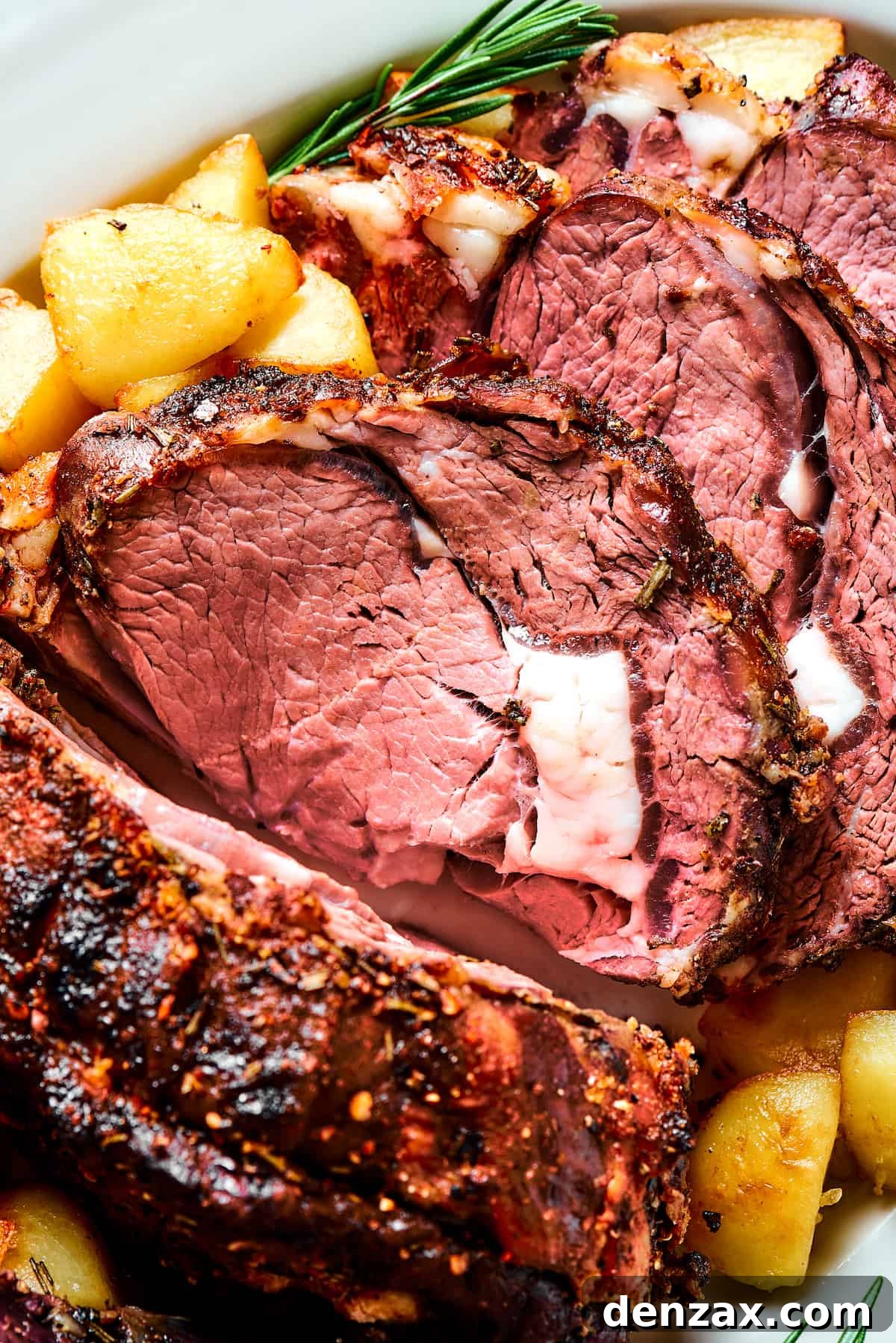
Unlock the secret to crafting the most exquisite Prime Rib with astounding ease! This festive culinary masterpiece, perfect for any special occasion, boasts a vibrant medley of rosemary, the savory depth of Worcestershire sauce, and a subtle warmth from chili flakes. The magic lies in our simple yet highly effective reverse-sear roasting technique, guaranteeing a supremely juicy, incredibly tender interior with a perfectly caramelized crust that will impress even the most discerning palates. Prepare to elevate your holiday dining experience with a roast that’s both magnificent and surprisingly straightforward.
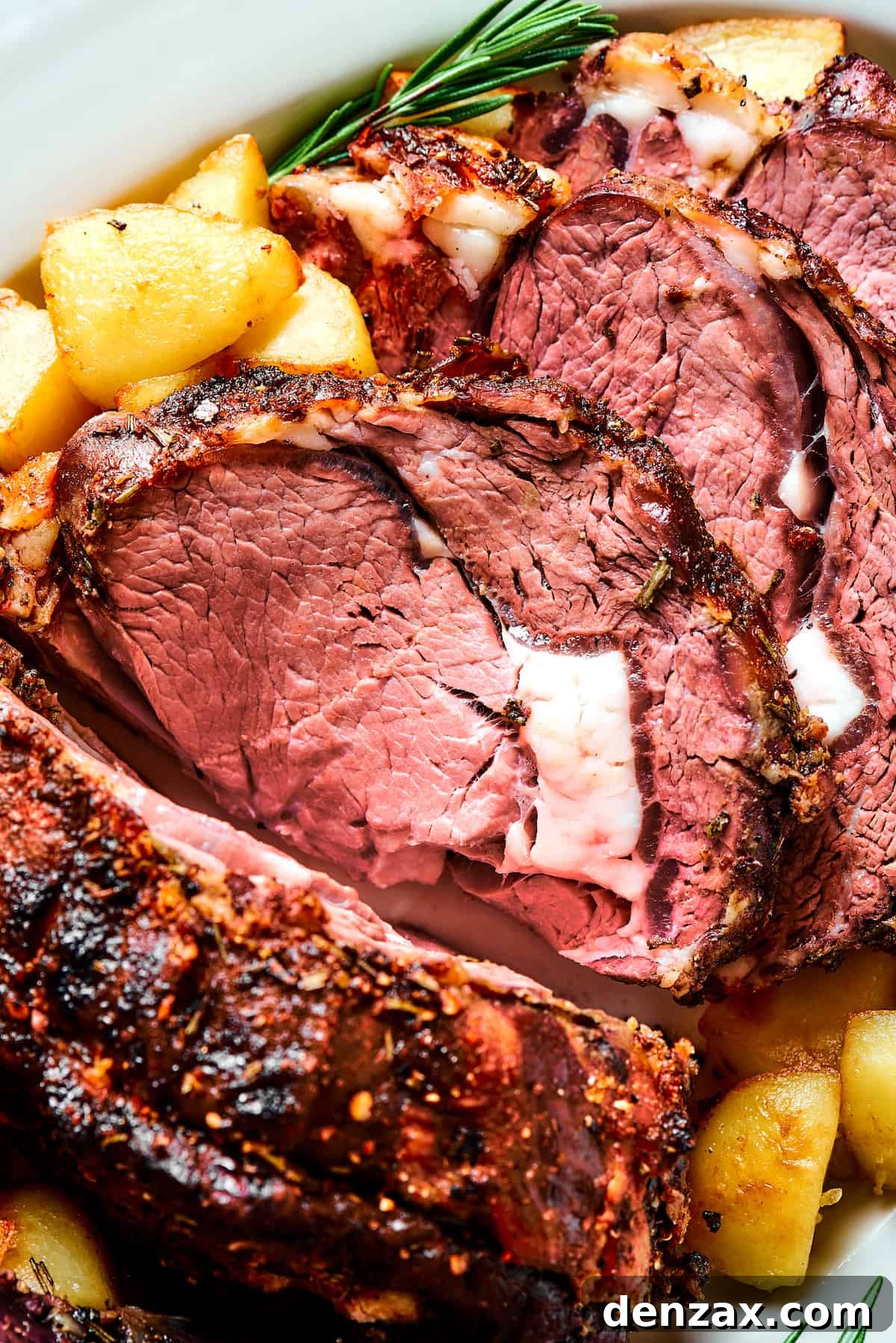
Crafting an Unforgettable Holiday Roast: Prime Rib Perfection
The holiday season often brings with it a delightful blend of joy and anticipation, but let’s be honest – there’s also a fair bit of pressure, especially when it comes to the dinner table. We all aspire to create memorable moments and spectacular meals that stand out, brimming with flavor and presented with elegance. Striking the balance between “effortlessly enjoyable” and “exceptionally impressive” can feel like a daunting task. However, when it comes to a show-stopping main course like prime rib, you absolutely can have the best of both worlds. This classic cut of beef, often reserved for celebratory feasts, transforms into an achievable culinary triumph with the right approach.
Its inherent tenderness, generous marbling, and rich, savory profile naturally make prime rib a coveted choice. With just a few simple steps and a smart roasting technique, you can unlock its full potential, creating a fantastic main course that will garner rave reviews from all your guests. The best part? That game-changing roasting technique is incredibly user-friendly, making holiday entertaining less stressful and far more delicious.
The Allure of Prime Rib: Why This Cut Reigns Supreme
Prime rib, often referred to as a standing rib roast, holds a special place in the world of gourmet beef. At its core, it’s a magnificent bone-in roast that essentially comprises several premium ribeye steaks. This cut is celebrated for its unparalleled tenderness, succulent juiciness, and profoundly rich flavor. Many connoisseurs consider it the ultimate beef experience, though tenderloin enthusiasts might respectfully disagree. If you’re a fan of a perfectly cooked ribeye or any high-quality steakhouse cut, then a well-prepared prime rib roast is destined to become your new favorite. Its exceptional marbling – the intramuscular fat that melts during cooking – is key to its moist texture and robust taste, ensuring every slice is a decadent delight.
Why the Reverse Sear Method is Best for Prime Rib
Traditional roasting methods often involve searing meat at a high temperature first, then finishing it at a lower temperature. While effective for some cuts, the reverse sear method truly shines for large roasts like prime rib. This technique involves cooking the roast slowly at a low temperature, allowing the heat to penetrate evenly to the center. This gentle cooking process ensures that the meat cooks uniformly from edge to edge, minimizing the dreaded gray band often seen with high-heat roasting. By the time it reaches your desired internal temperature, the entire roast is tender and perfectly cooked.
The grand finale of the reverse sear is a quick blast of very high heat. This brief, intense sear creates a deeply caramelized, crisp crust on the exterior of the roast. This crust not only adds an incredible texture contrast but also enhances the overall flavor profile, locking in the juices and delivering that coveted “steakhouse” finish. It’s a foolproof method for achieving consistent doneness and an unbeatable crust, making your prime rib truly exceptional.
Essential Ingredients for an Exceptional Prime Rib
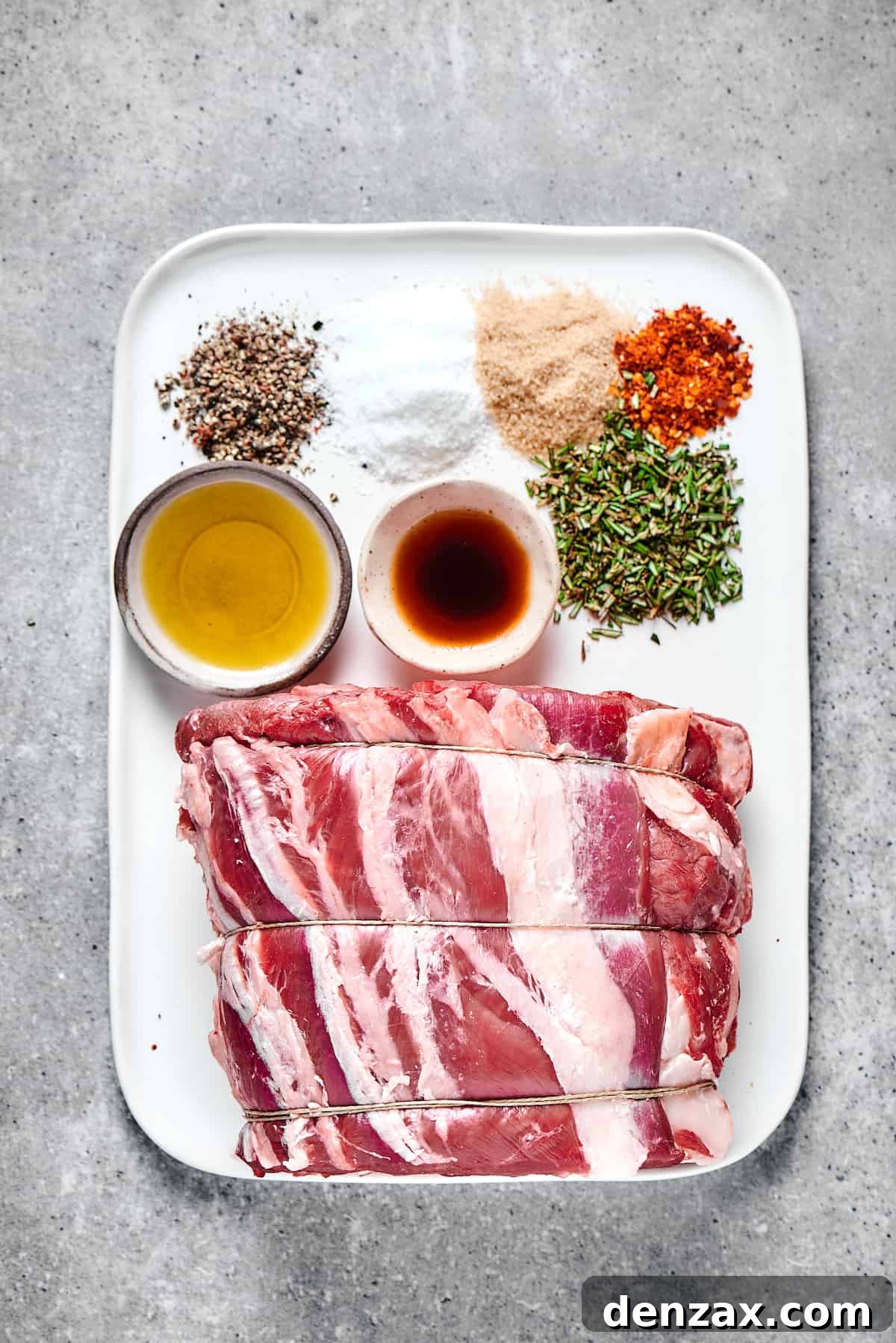
While a prime rib roast can be delicious with just salt and pepper, why settle for good when you can achieve extraordinary? With just a few additional, readily available ingredients, you can create a stunning prime rib roast adorned with an aromatic, herbed crust that will take your holiday meal to the next level. Each ingredient plays a crucial role in developing layers of flavor and perfecting the roast’s texture.
- Rib Roast: The star of the show! When selecting your roast, look for labels such as “prime rib,” “standing rib roast,” or “rib roast.” For this recipe, we’re focusing on a classic bone-in roast, ideally weighing between 4 to 5 pounds, which typically equates to 3 to 4 ribs. Bone-in roasts often offer more flavor and help protect the meat during cooking.
- Olive Oil: A good quality extra virgin olive oil works wonderfully, but a lighter olive oil is also perfectly suitable. It helps to bind the seasonings to the meat and promotes an even crust.
- Worcestershire Sauce: This tangy, savory, and slightly pungent sauce is a secret weapon, providing a deep umami boost that perfectly complements the rich flavor of the beef.
- Salt and Pepper: Fundamental seasonings. Use coarse sea salt for a superior crust and freshly ground black pepper for maximum flavor. They are essential for seasoning the meat thoroughly.
- Sugar: Just a touch of sugar contributes significantly to the Maillard reaction during the high-heat sear, helping to create that gorgeous, deep brown, caramelized crust. Don’t worry, it won’t make your roast sweet.
- Chili Flakes: Also known as crushed red pepper. These are optional, but a small amount adds a subtle, pleasant spicy kick that beautifully balances the richness of the prime rib. Adjust to your preference or omit entirely if you prefer no heat.
- Fresh Rosemary: Fresh herbs make a world of difference. Strip the fragrant leaves from about four sprigs and finely chop them. Rosemary’s piney, earthy notes are a classic pairing with beef and infuse the crust with an irresistible aroma.
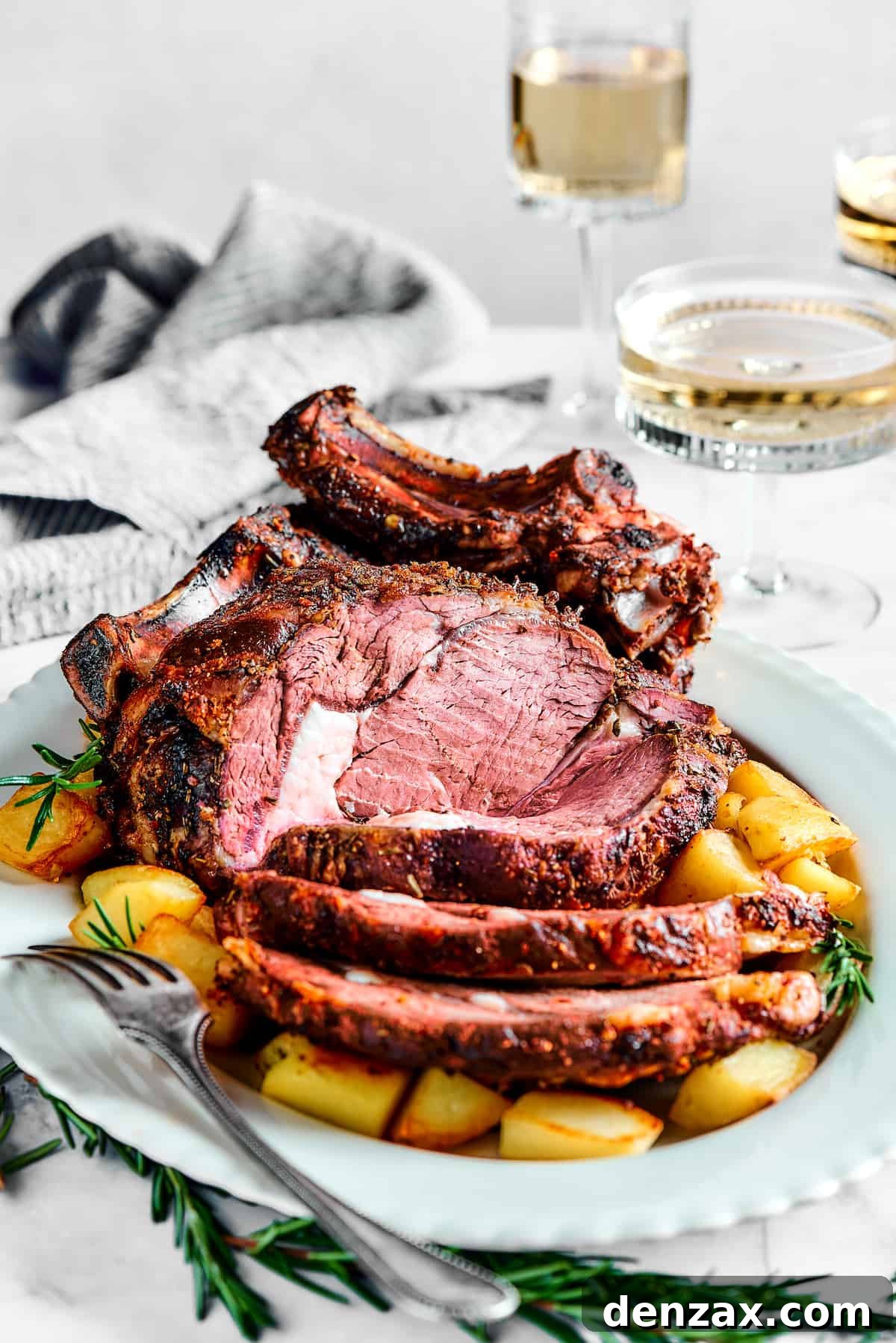
Mastering the Reverse Sear: Your Guide to Perfect Prime Rib
This method employs the highly acclaimed reverse-sear technique, a process designed to deliver perfectly cooked meat from edge to center, followed by an intensely flavorful, crispy crust. The journey begins with a low-and-slow roast, gently bringing the meat to temperature, and culminates in a quick, high-heat blast. Remember, patience is key, especially when it comes to resting times, which are crucial for juicy results.
- Bring to Room Temperature: For the most even cooking and best results, allow your rib roast to come closer to room temperature before it hits the oven. Approximately two hours before you intend to start cooking, remove the prime rib from the refrigerator and place it on your kitchen counter. This crucial step prevents the outer layers from overcooking while the center struggles to catch up, ensuring consistent doneness throughout. Plan this timing carefully to avoid rushing the process.
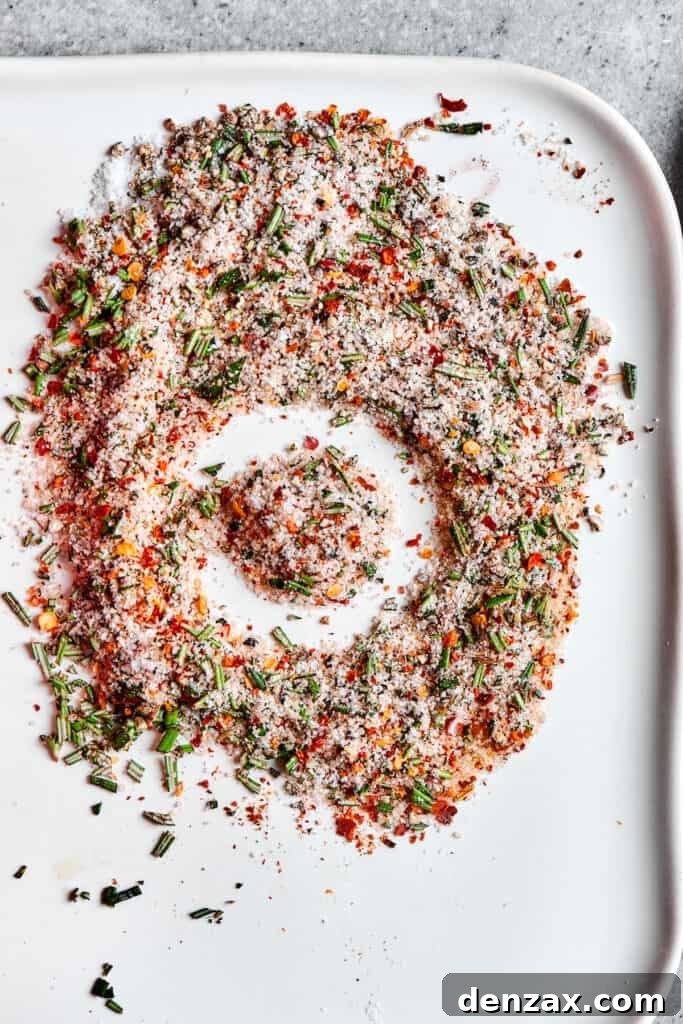
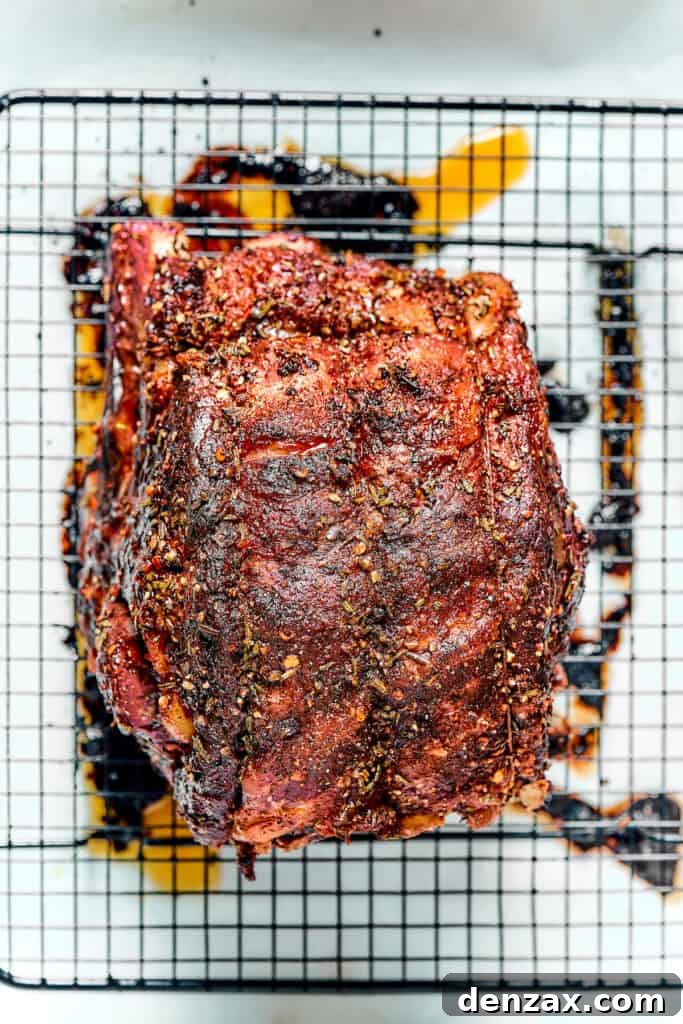
- Prepare and Season the Roast: Once the two-hour tempering period is complete, gently pat the entire surface of the meat dry with paper towels. A dry surface is essential for achieving that desirable crispy crust. Next, preheat your oven to a low 250°F (120°C). Pour the olive oil and Worcestershire sauce evenly over the roast, using your hands to rub it in thoroughly. Then, generously sprinkle the salt, freshly ground black pepper, sugar, chili flakes (if using), and chopped fresh rosemary all over, ensuring the roast is completely and evenly coated on all sides. This herb and spice rub will form a flavorful crust during cooking.
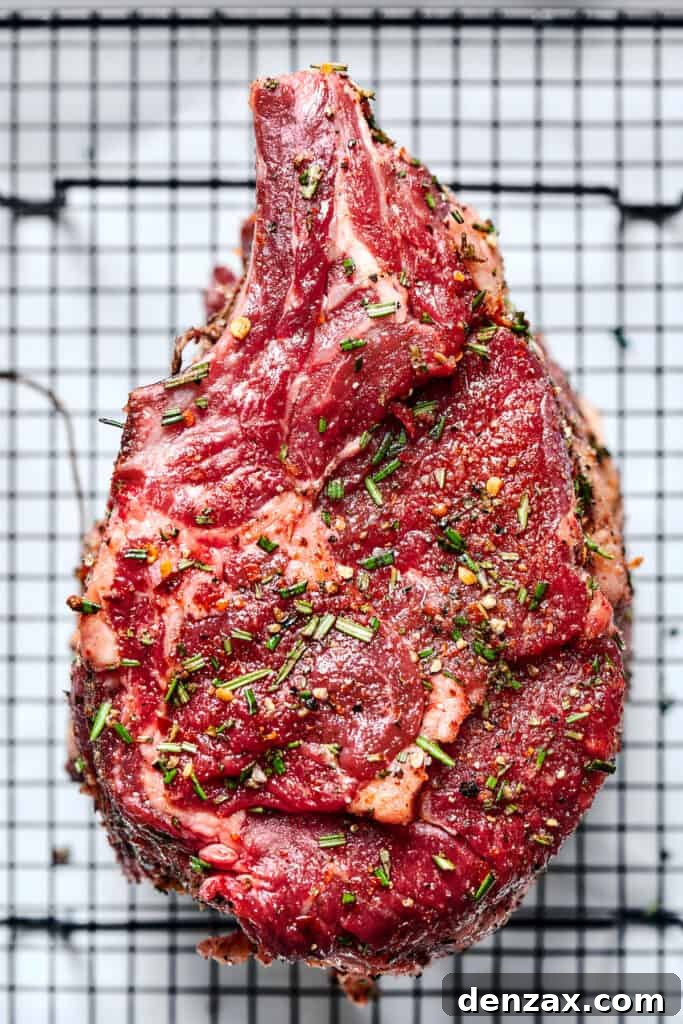
- The Initial Low Roast (250°F): Place the seasoned prime rib on a wire rack set inside a sturdy roasting pan. This elevated position allows hot air to circulate evenly around the roast, promoting consistent cooking. Transfer the pan to your preheated 250°F (120°C) oven and roast for approximately two and a half hours. The exact cooking time will vary based on the size and shape of your roast, so the most important indicator is the internal temperature. Use a reliable meat thermometer inserted into the thickest part of the meat, avoiding the bone, until it registers 125°F (52°C) for a perfect medium-rare.
- First Resting Period: Once the roast reaches 125°F (52°C), remove it from the oven. Tent it loosely with aluminum foil – this helps to retain heat and juices without steaming the crust. Allow the roast to rest at room temperature for a minimum of 30 minutes. This rest period is essential; it allows the muscle fibers to relax and reabsorb the juices, ensuring a tender and succulent final product.
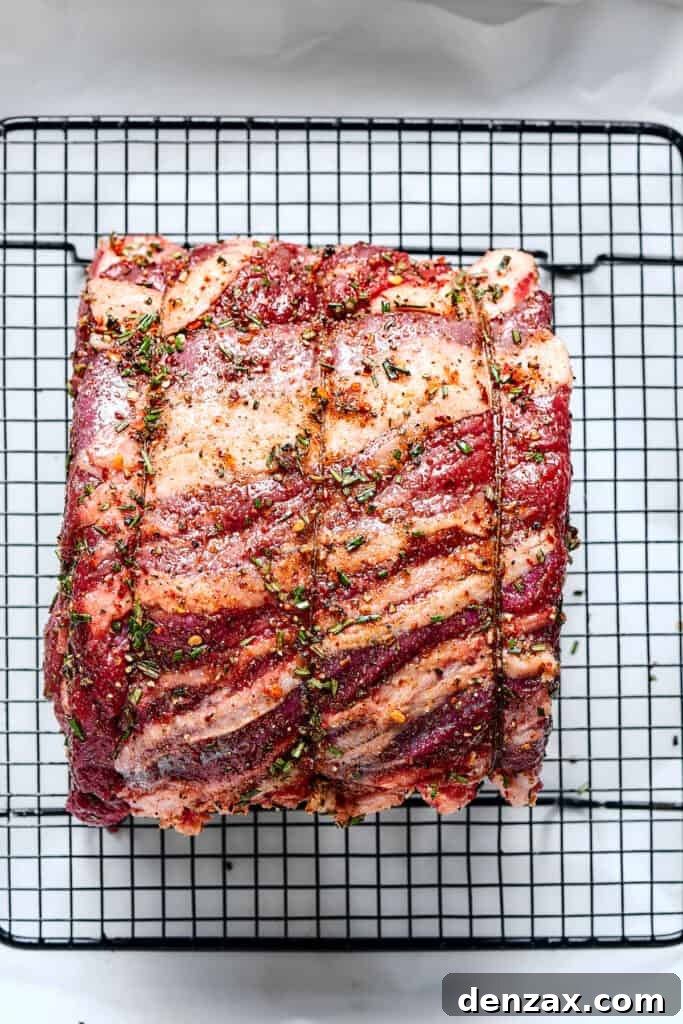
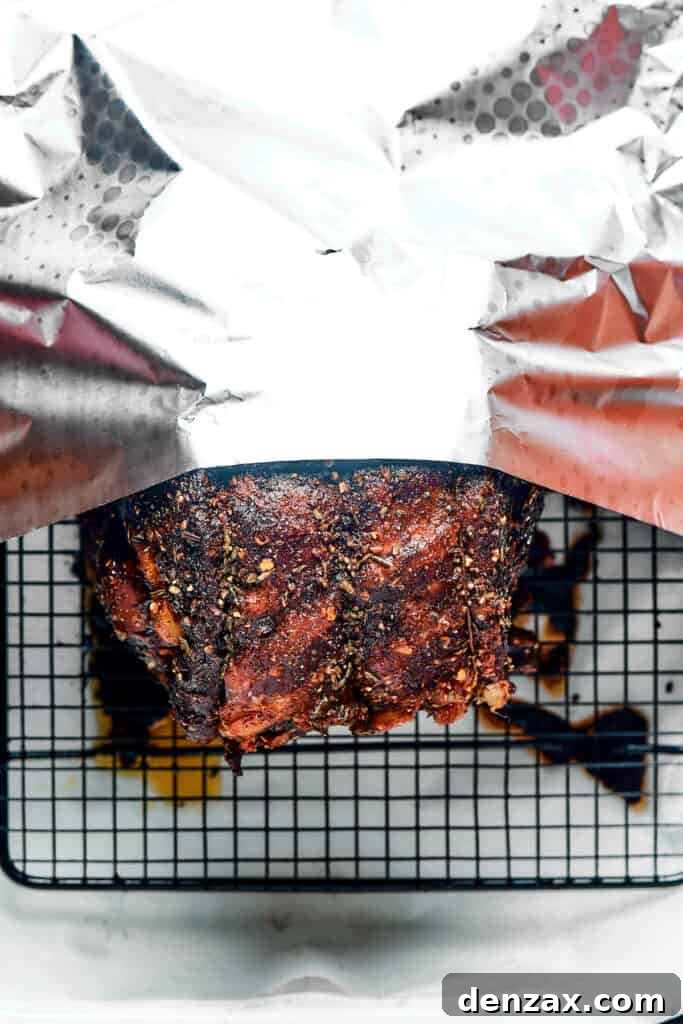
- The High-Heat Sear (500°F): Approximately one hour before you plan to serve, remove the foil from the roast and preheat your oven to a blistering 500°F (260°C). Return the prime rib to the intensely hot oven for a short, but critical, period. This high-heat blast will create that deeply browned, exquisitely crisp crust that defines a perfectly reverse-seared prime rib. This searing process usually takes between 5 to 10 minutes; watch it closely to prevent burning.
- Final, Crucial Rest: Once the crust is golden and crisp, remove the prime rib from the oven for its final rest. Place it back on the counter, uncovered, and allow it to rest for a full hour before carving and serving. This extended rest is vital for distributing the juices throughout the meat, resulting in unparalleled tenderness and flavor. Resist the urge to cut into it early – patience here truly yields the best reward.
Achieving Ideal Doneness for Prime Rib
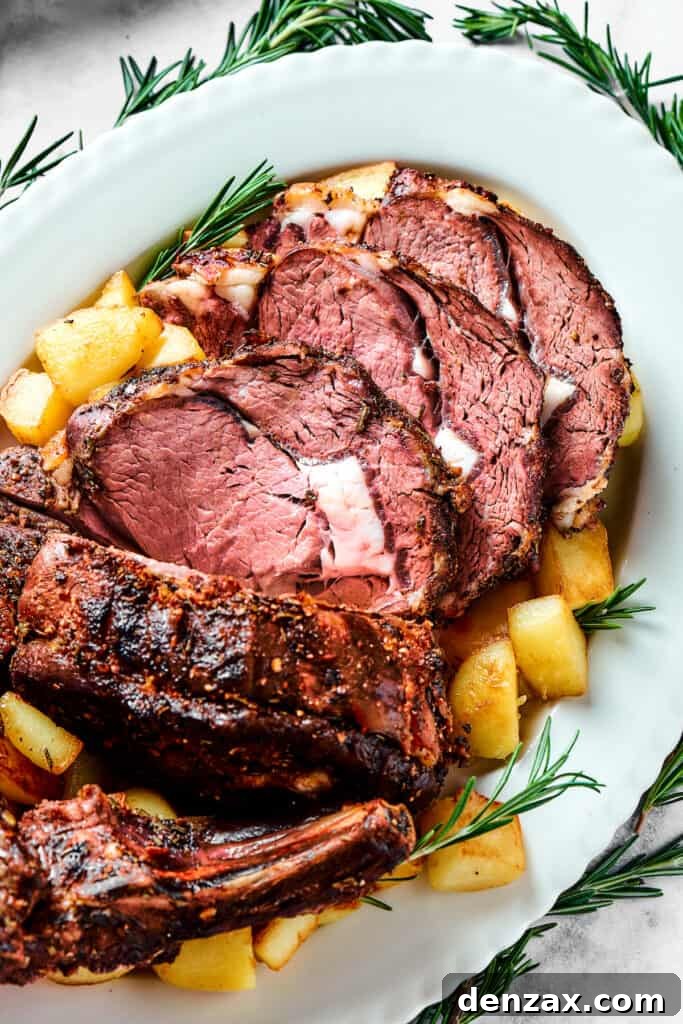
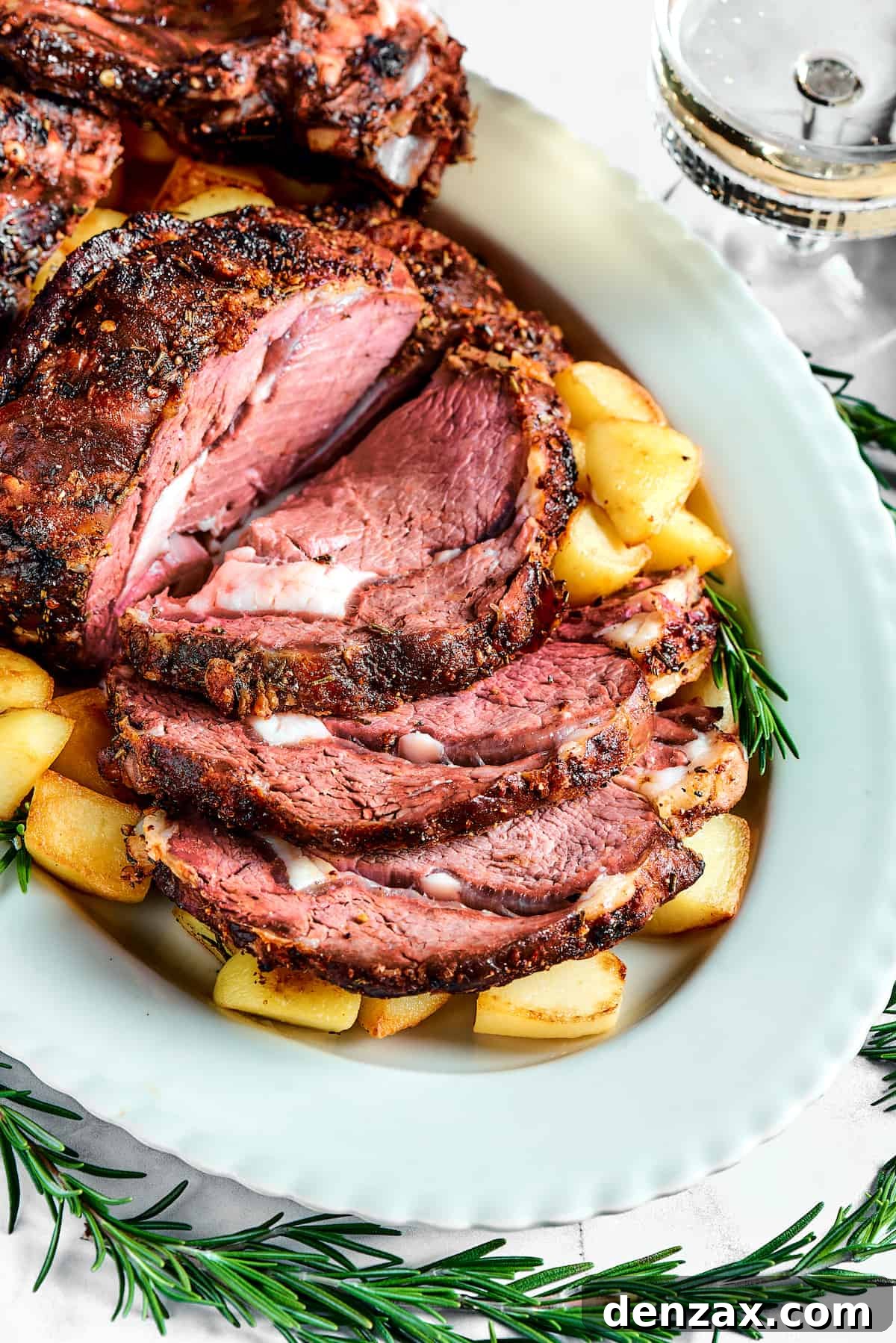
Given prime rib’s rich, juicy character and balanced fat content, the aim is typically to cook it to a medium or, ideally, a medium-rare doneness. This range preserves its tenderness and ensures maximum flavor. My personal preference leans towards medium-rare for that perfect rosy-pink interior. Medium is also an excellent choice, offering a slightly firmer texture while retaining much of its juiciness. While you can opt for medium-well, exercise caution: overcooking prime rib can lead to a dry, less desirable roast, as the exquisite marbling renders out too much of its moisture. Precision with a meat thermometer is your best friend here, guiding you to the exact level of doneness you desire without guesswork.
Expert Tips for Prime Rib Perfection
The hallmark of an outstanding prime rib often boils down to one critical factor: cooking the meat to perfection without going over. Here are my top tips to help you achieve that flawlessly cooked, juicy prime rib roast every single time, ensuring it becomes the star of your holiday table.
- The Indispensable Meat Thermometer: While meat thermometers are always useful, they are absolutely non-negotiable when preparing a significant main course like prime rib. Without one, accurately gauging the internal doneness of such a large roast is pure guesswork, often leading to either undercooked meat or, worse, a dry, overcooked disaster from repeated cutting to check. Invest in a reliable instant-read meat thermometer and insert it into the thickest part of the meat, ensuring it doesn’t touch any bone. This simple tool is your assurance of precision and a perfectly cooked roast.
- The Carryover Cooking Phenomenon: Always remember that meat continues to cook even after it’s removed from the oven, a process known as “carryover cooking.” To account for this, take your prime rib out when it’s about 3 to 5 degrees Fahrenheit below your target internal temperature. During its resting period on the counter, the residual heat will continue to gently cook the roast, allowing it to reach that final, ideal temperature.
- Understanding Prime Rib Temperatures:
- 125˚F – 130˚F (52˚C – 54˚C): Medium-Rare. This is the sweet spot for many, delivering a beautifully rosy pink center that is incredibly tender and juicy.
- 135˚F – 140˚F (57˚C – 60˚C): Medium. The meat will still be pink throughout but a slightly lighter shade than medium-rare. It remains tender and flavorful.
- 145˚F (63˚C) and Above: Medium-Well to Well-Done. While some prefer this, pushing beyond 145°F into medium-well or well-done territory risks drying out the roast significantly. The meat will become progressively less pink and lose its signature juiciness and tenderness. It’s generally best to avoid these higher temperatures for prime rib.
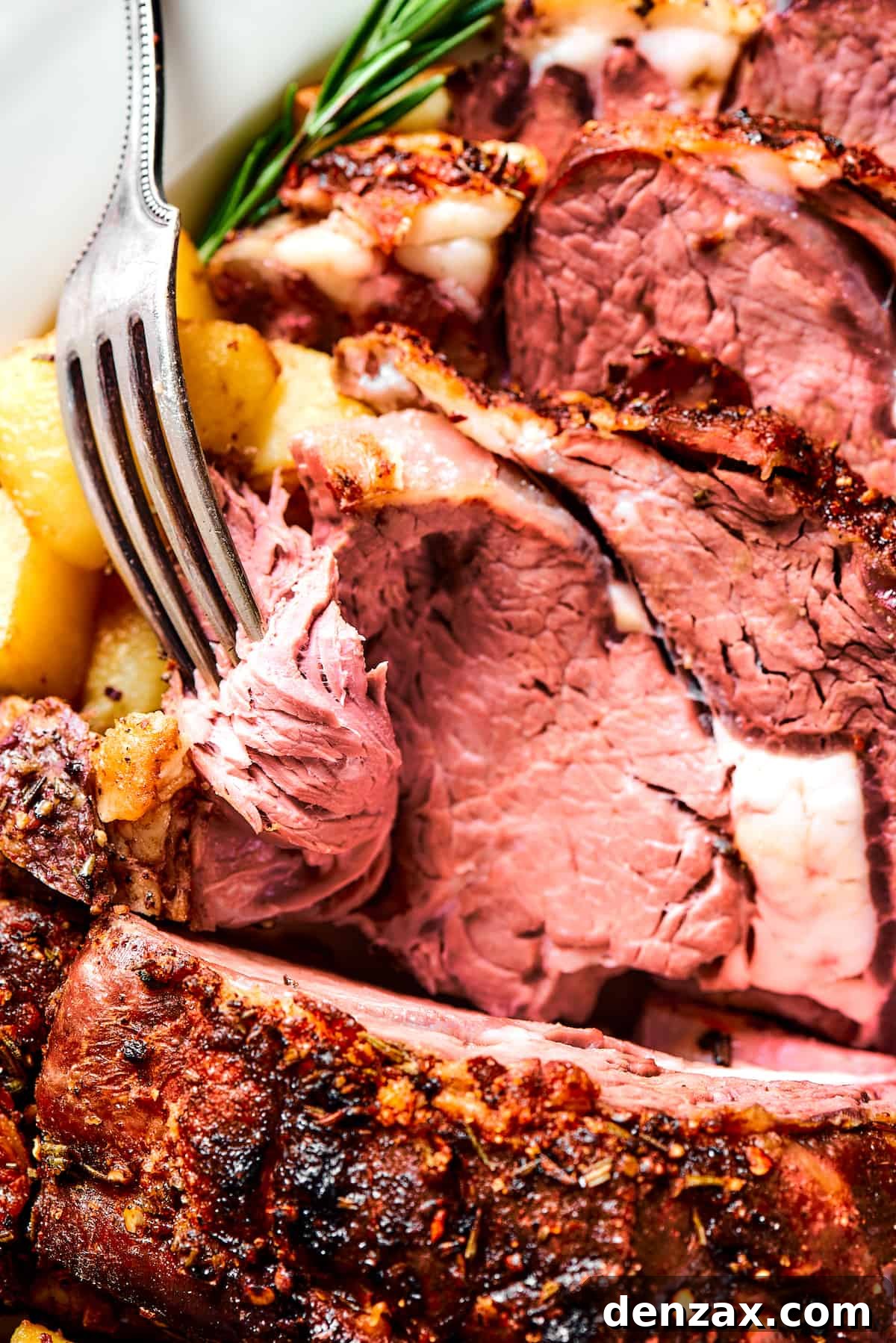
- Carving with Confidence: Once rested, carving a prime rib is straightforward. For a bone-in roast, carefully slice along the bone to remove the entire roast section. Then, you can slice the meat against the grain into desired thicknesses. Carving against the grain shortens the muscle fibers, making each bite even more tender.
Delectable Side Dishes to Complement Your Prime Rib
Pairing side dishes with prime rib is a delightful endeavor, as this versatile main course complements a wide array of flavors and textures. Almost anything you love can work, but these hearty, holiday-worthy suggestions are particularly excellent choices, offering a balance of richness, freshness, and comfort that will elevate your entire meal.
- Luxurious Macaroni and Cheese: More than just a simple comfort food, a well-made macaroni and cheese is a velvety, cheesy masterpiece that provides a wonderful creamy contrast to the robust beef. This Baked Macaroni and Cheese recipe is ideal for creating that rich, indulgent side dish perfect for a festive spread.
- Caramelized Roasted Brussels Sprouts: If you harbor childhood memories of bitter, mushy Brussels sprouts, prepare to be amazed! Roasted Brussels sprouts have undergone a culinary revolution. When roasted until tender-crisp and caramelized, these “mini cabbages” transform into an irresistible side. Crispy on the edges and meltingly soft within, their slightly sweet and earthy flavor makes them an exquisite, elegant counterpoint to the rich prime rib, especially during the holidays.
- Fluffy Homemade Crescent Rolls: A basket of warm, freshly baked crescent rolls is a universal crowd-pleaser and often the first thing to disappear from the dinner table. Their soft, airy texture and buttery flavor are perfect for soaking up any delicious juices. Better make a double batch, because these Crescent Rolls truly vanish like magic! If by some miracle you have any leftovers, they make for a simply indulgent breakfast with a dollop of jam the next morning.
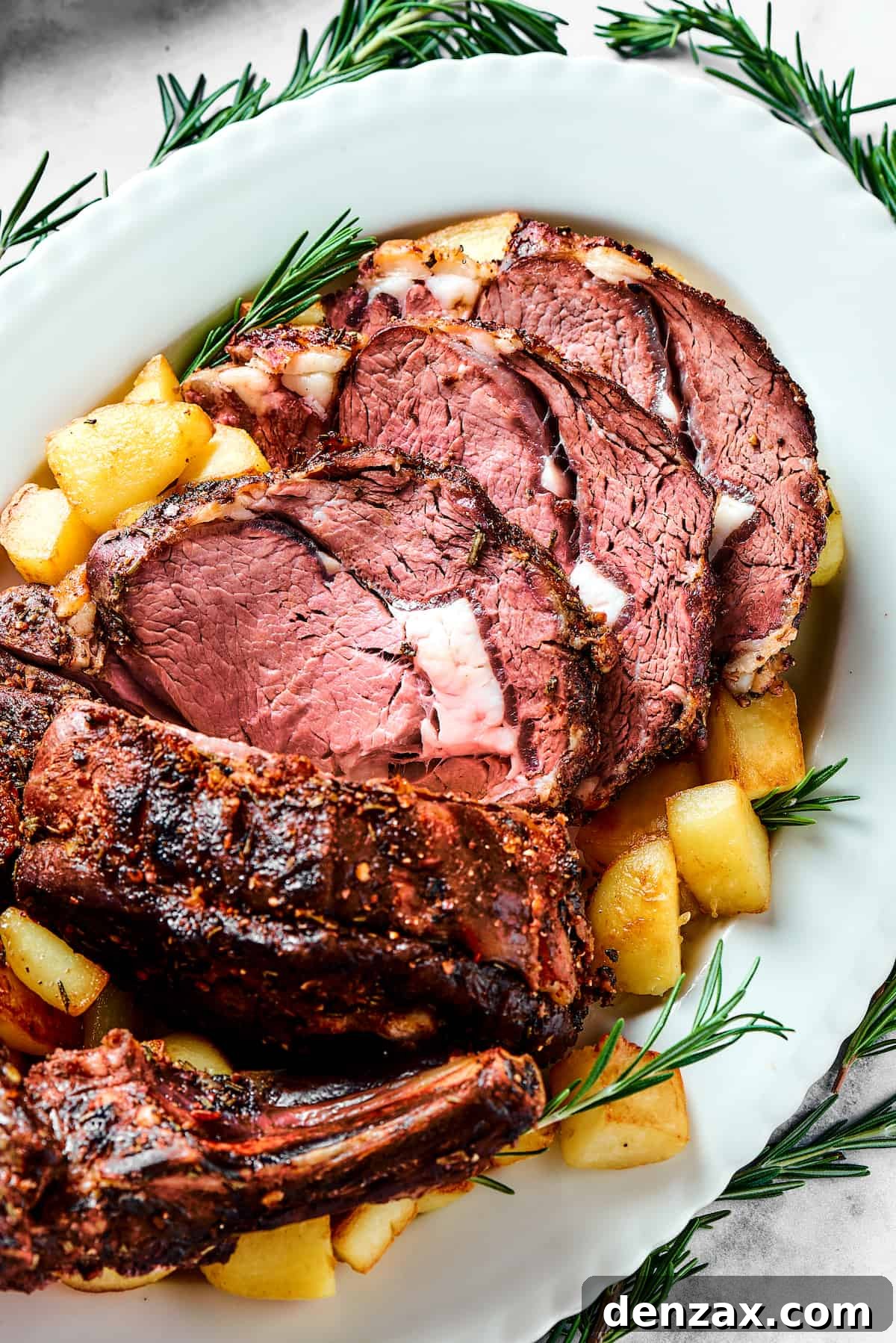
Storing and Reheating Prime Rib Leftovers
Properly storing and reheating your prime rib leftovers ensures that you can enjoy its deliciousness for days to come. The key is to protect the meat from drying out and to reheat it gently to preserve its tenderness.
- Once the prime rib has cooled completely to room temperature, the most important step for storage is to wrap it tightly. For refrigeration, wrap individual slices or larger pieces in plastic wrap, then place them in an airtight container. Stored this way, prime rib will remain fresh and delicious in the fridge for up to 5 days.
- When it comes to reheating, your goal is to warm the prime rib without continuing to cook it, which could lead to dryness. Preheat your oven to a low 250°F (120°C). Place the prime rib slices in a baking dish and add a splash of water or beef broth to the bottom of the dish – this creates a steamy environment that helps keep the meat moist. Cover the dish tightly with aluminum foil. Bake until the meat is just heated through, typically between 10 to 20 minutes, depending on the thickness of your slices and your oven’s exact temperature. This gentle method ensures the meat remains tender and flavorful.
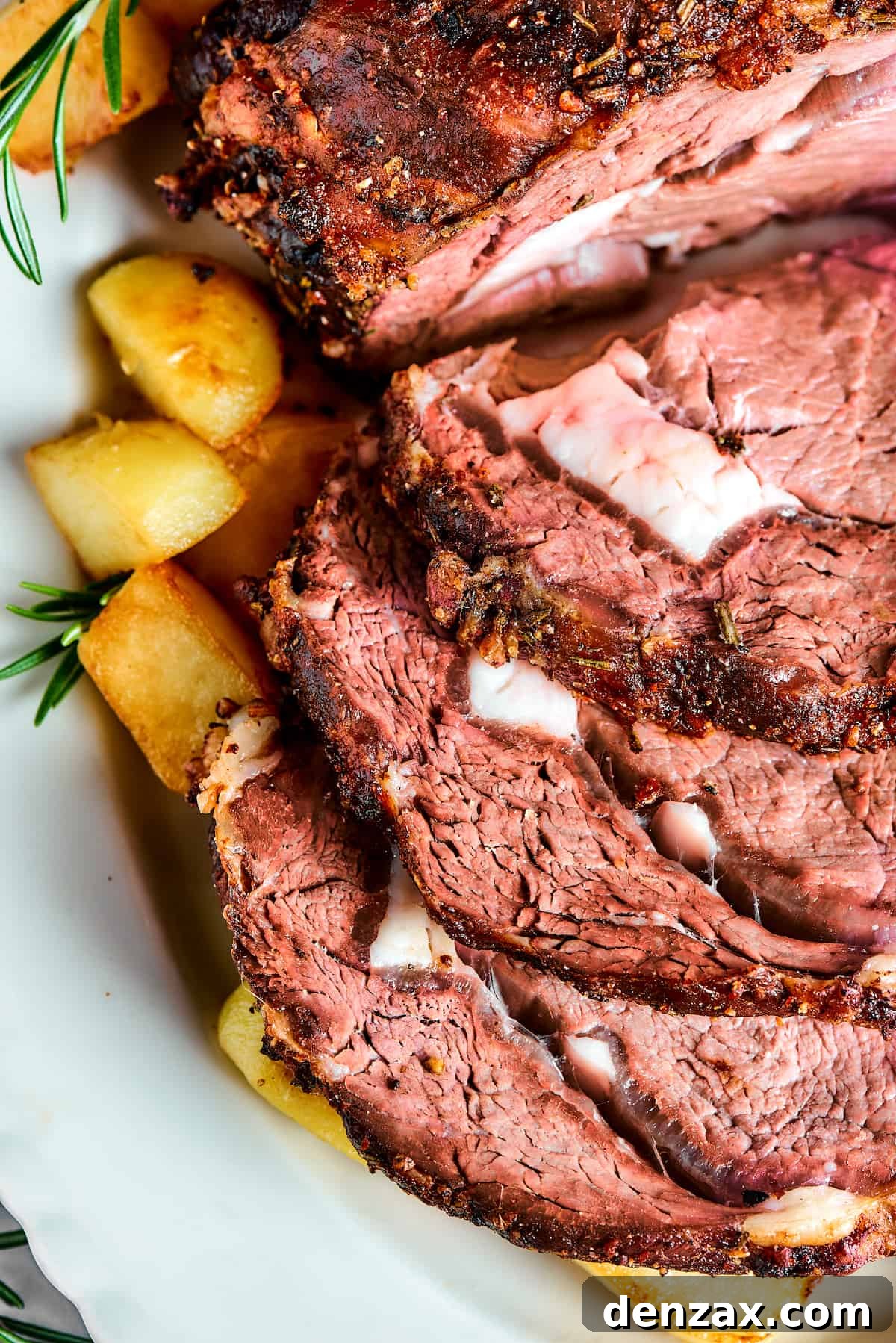
Freezing Leftover Prime Rib for Future Enjoyment
Yes, absolutely! Freezing leftover prime rib is a fantastic way to extend its shelf life and enjoy this luxurious cut long after your holiday meal. The key to successful freezing is preventing freezer burn, which can compromise flavor and texture.
- To prevent freezer burn, ensure the meat has cooled completely before freezing. Then, wrap individual portions or slices very tightly in plastic wrap, pressing out as much air as possible. For an extra layer of protection, add a second layer of plastic wrap, or place the wrapped meat into a heavy-duty freezer bag, squeezing out air before sealing. Alternatively, you can wrap it in aluminum foil over the plastic wrap. Label the package clearly with the date. Frozen prime rib will maintain its quality for up to three months. While it may last longer in the freezer, the quality of the meat can gradually degrade beyond this timeframe.
- When you’re ready to enjoy it, thaw the frozen prime rib overnight in your refrigerator. Once thawed, you can reheat it using the gentle oven method described above to bring it back to a delicious, tender state.
Prime Rib
Ingredients
- 4 to 5 pounds bone-in standing rib roast,, about 3 to 4 ribs
- 2 tablespoons olive oil
- 1 tablespoon Worcestershire sauce
- 1½ tablespoons sea salt
- 1 teaspoon fresh ground black pepper
- ½ tablespoon sugar
- ½ teaspoon red chili flakes,, optional
- 4 sprigs fresh rosemary,, leaves only, finely chopped
Instructions
-
Take the prime rib out of the fridge 2 hours before cooking to allow it to come to room temperature.
-
Preheat the oven to 250°F (120°C).
-
Dry the roast thoroughly with paper towels.
-
Rub olive oil and Worcestershire sauce over the entire roast, then season generously with salt, fresh ground black pepper, sugar, chili flakes (if using), and finely chopped rosemary leaves, ensuring all sides are coated.
-
Place the seasoned prime rib roast in a roasting pan fitted with a wire rack.
-
Roast at 250°F (120°C) for approximately 2 hours and 30 minutes, or until the internal temperature reaches 125°F (52°C) in the thickest part of the meat. Use an Instant Read Meat Thermometer for accuracy.
-
Remove the prime rib from the oven, cover loosely with foil, and let it rest at room temperature for 30 minutes.
-
During the rest period, increase the oven temperature to 500°F (260°C).
-
Uncover the prime rib and return it to the very hot oven.
-
Roast for 5 to 10 minutes, or until the exterior is deeply browned and crisp. Watch carefully to prevent burning.
-
Remove from the oven and let it rest, uncovered, for a full 1 hour before cutting and serving.
Equipment
-
Roasting Pan
-
Aluminum Foil
-
Instant Read Meat Thermometer
-
Carving Set
Notes
- Meat Thermometer: A quality meat thermometer is absolutely essential for prime rib. It removes all guesswork and ensures your roast is cooked to your desired doneness without overcooking.
- Doneness: Always remove the prime rib from the oven when it is 3 to 5 degrees below your ideal final temperature. The internal temperature will continue to rise during the resting period due to carryover cooking.
- Prime Rib Temperatures: Aim for 125˚F to 130˚F (52˚C-54˚C) for a perfect medium-rare with a rosy pink center. If you prefer a slightly more cooked result, you can go up to 140˚F (60˚C) for medium. Avoid going beyond 145˚F (63˚C) as the meat can become dry.
Nutrition
Carbohydrates: 1g |
Protein: 31g |
Fat: 64g |
Saturated Fat: 26g |
Polyunsaturated Fat: 3g |
Monounsaturated Fat: 29g |
Cholesterol: 137mg |
Sodium: 1439mg |
Potassium: 524mg |
Fiber: 0.1g |
Sugar: 1g |
Vitamin A: 42IU |
Vitamin C: 0.3mg |
Calcium: 22mg |
Iron: 3mg
Nutritional info is an estimate and provided as courtesy. Values may vary according to the ingredients and tools used. Please use your preferred nutritional calculator for more detailed info.
More Inspiring Holiday Dinner Ideas
If you’re planning a grand holiday feast and looking for other impressive main course options, or simply want to explore different culinary traditions, here are a few more fantastic dinner ideas that are perfect for special occasions. Each offers its own unique flavors and presentation, ensuring your holiday table is nothing short of spectacular.
- Christmas Ham with Brown Sugar Glaze: A holiday classic, featuring a sweet and savory glaze that creates a beautiful crust and keeps the ham wonderfully moist.
- Perfect Roast Turkey with Stuffing: The quintessential Thanksgiving or Christmas centerpiece, roasted to golden perfection and served with a flavorful, aromatic stuffing.
- Classic Rack of Lamb: An elegant and impressive dish, known for its tender, delicate meat and sophisticated presentation, often served with a herb crust.