
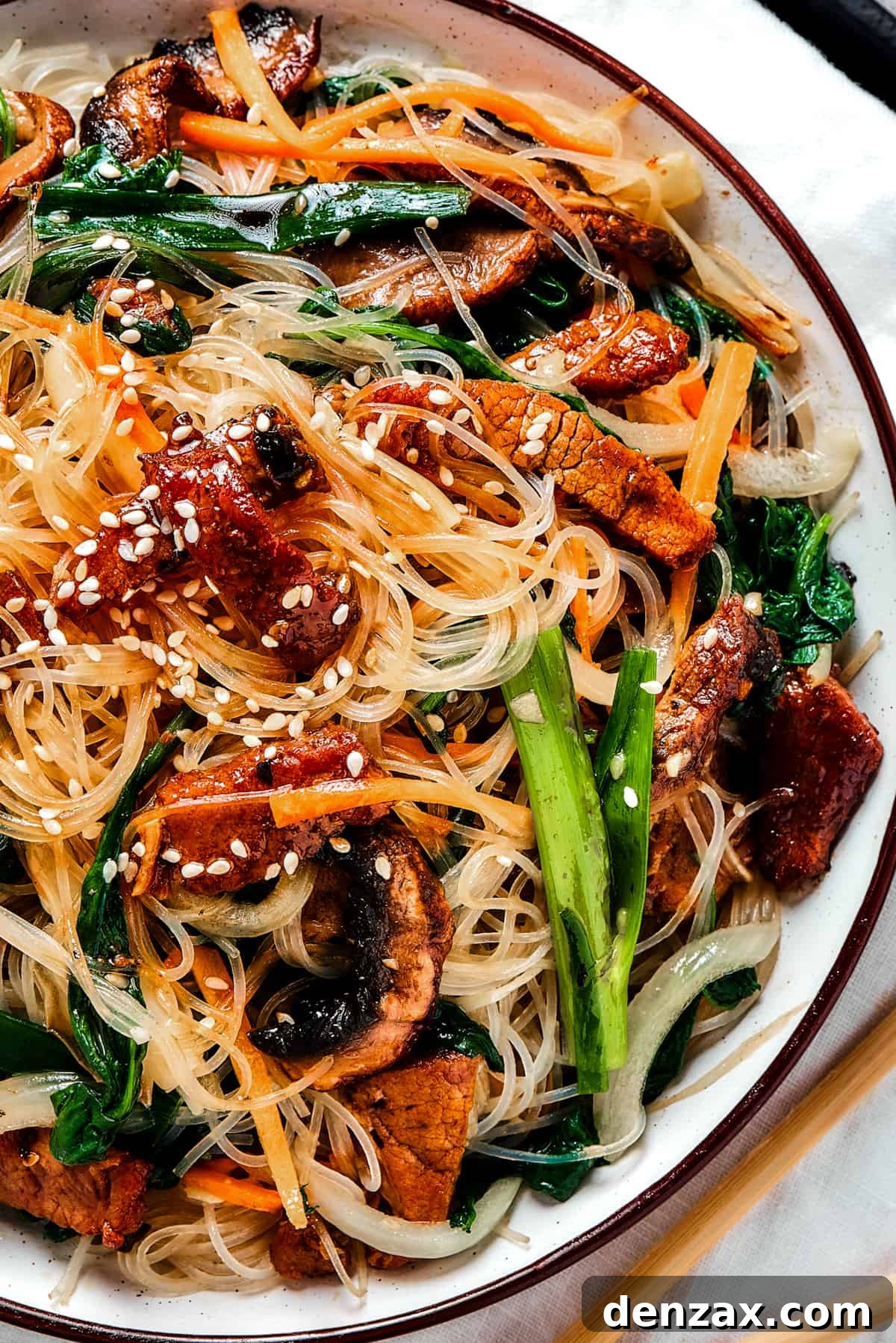
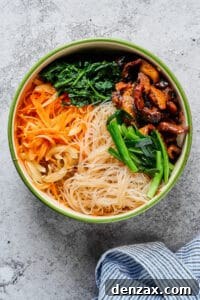
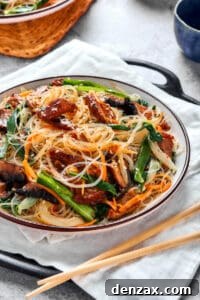
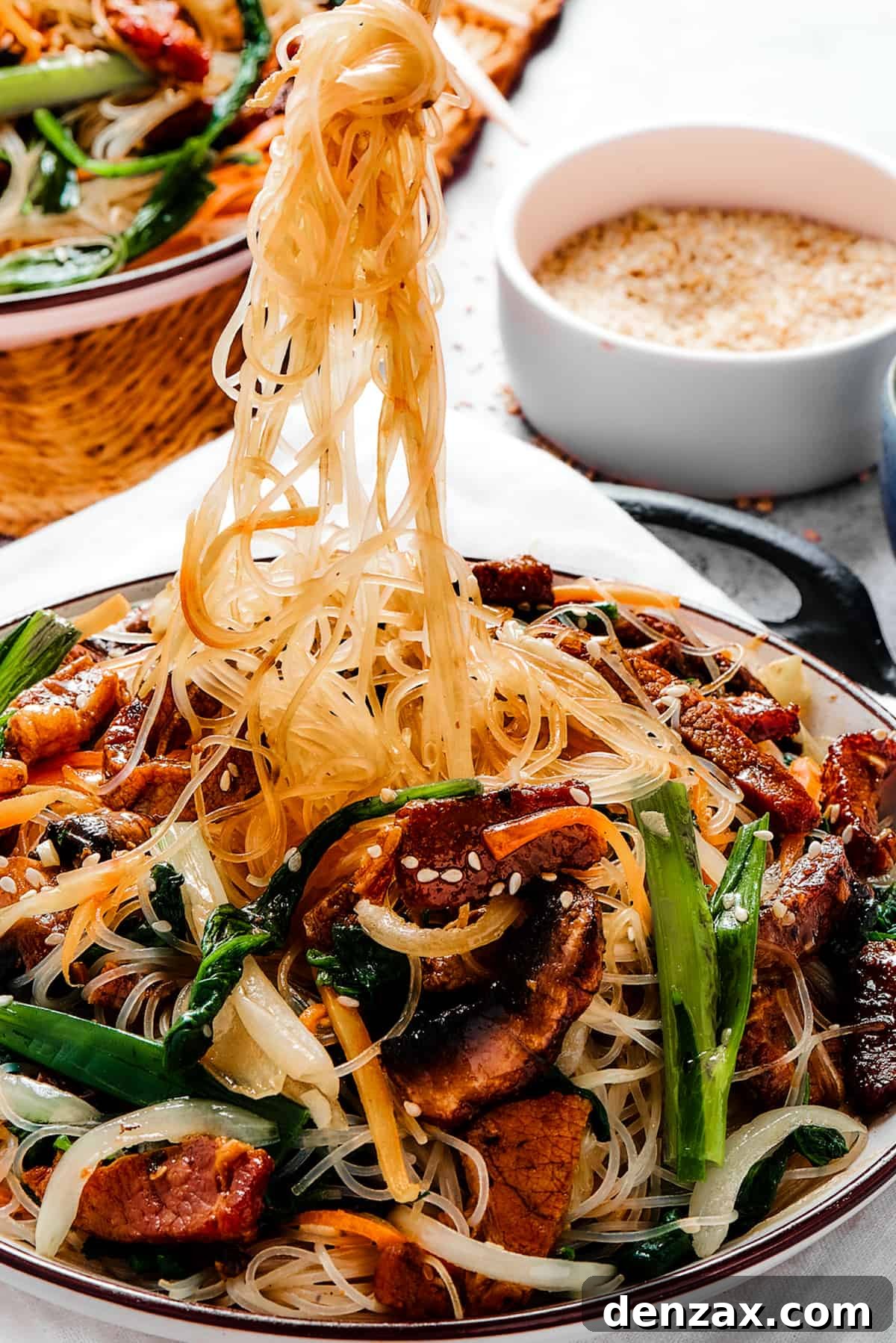
Beef Stir Fry with Glass Noodles, famously known as Japchae, is a quintessential Korean dish that captivates with its harmonious blend of savory steak, vibrant vegetables, and delightfully springy glass noodles. This culinary masterpiece is brought to life by a simple yet profound sweet-and-savory sauce, crafted from just five essential ingredients. More than just a meal, Japchae embodies comfort, tradition, and a celebration of flavors, making it a beloved staple across Korea and an increasingly popular choice worldwide for those seeking an authentic taste of Korean cuisine.
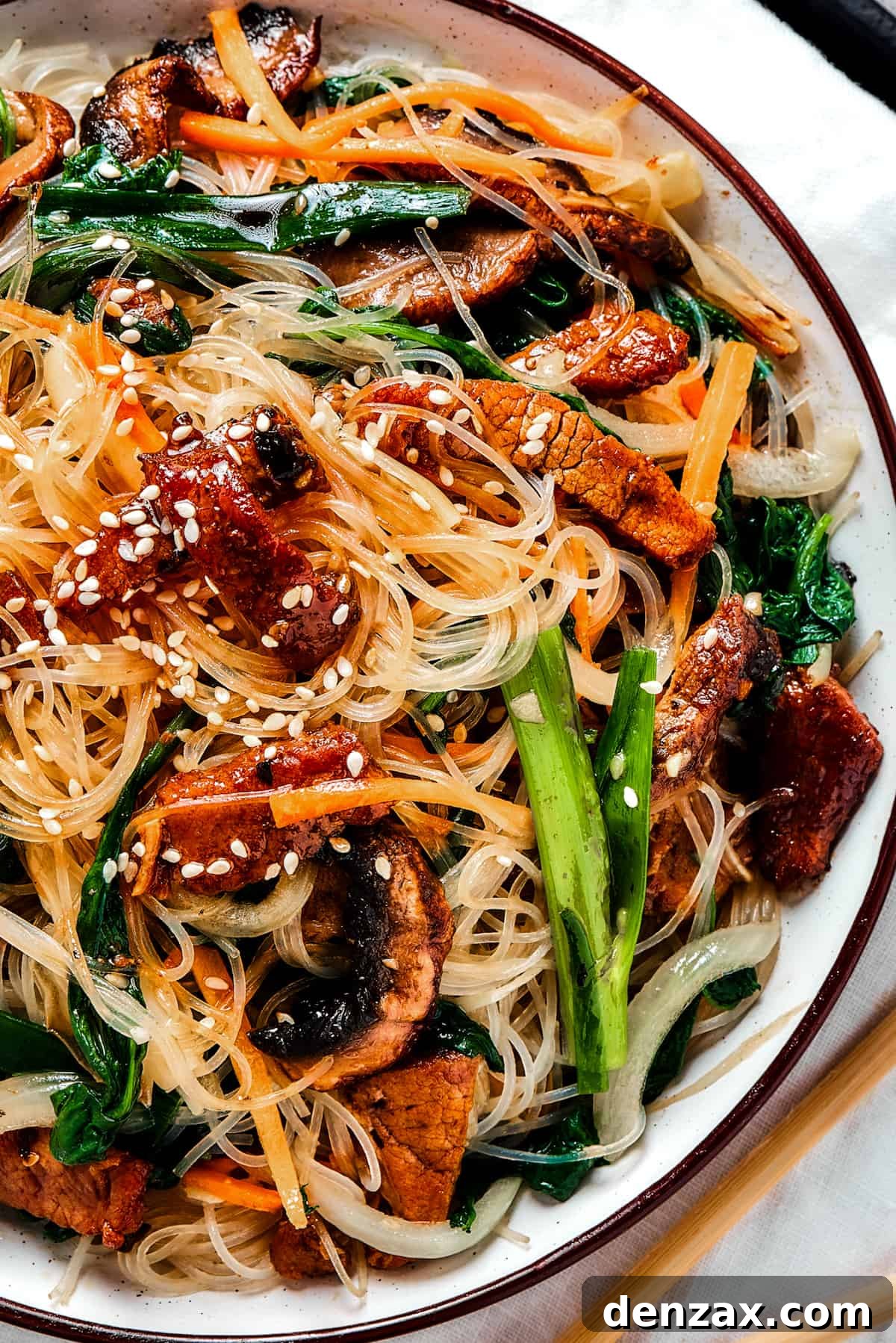
The Essence of Japchae: A Korean Culinary Gem
Japchae (잡채), meaning “mixed vegetables,” is far more than just a stir-fried noodle dish; it’s a vibrant tapestry of flavors and textures deeply woven into Korean culture. This iconic dish is a highlight at major holidays like Lunar New Year and Chuseok (Korean Thanksgiving), celebrated at family gatherings, and enjoyed as a comforting meal on any given weeknight. Its universal appeal lies in its exquisite balance and diverse components, offering a complete sensory experience that truly has something for everyone.
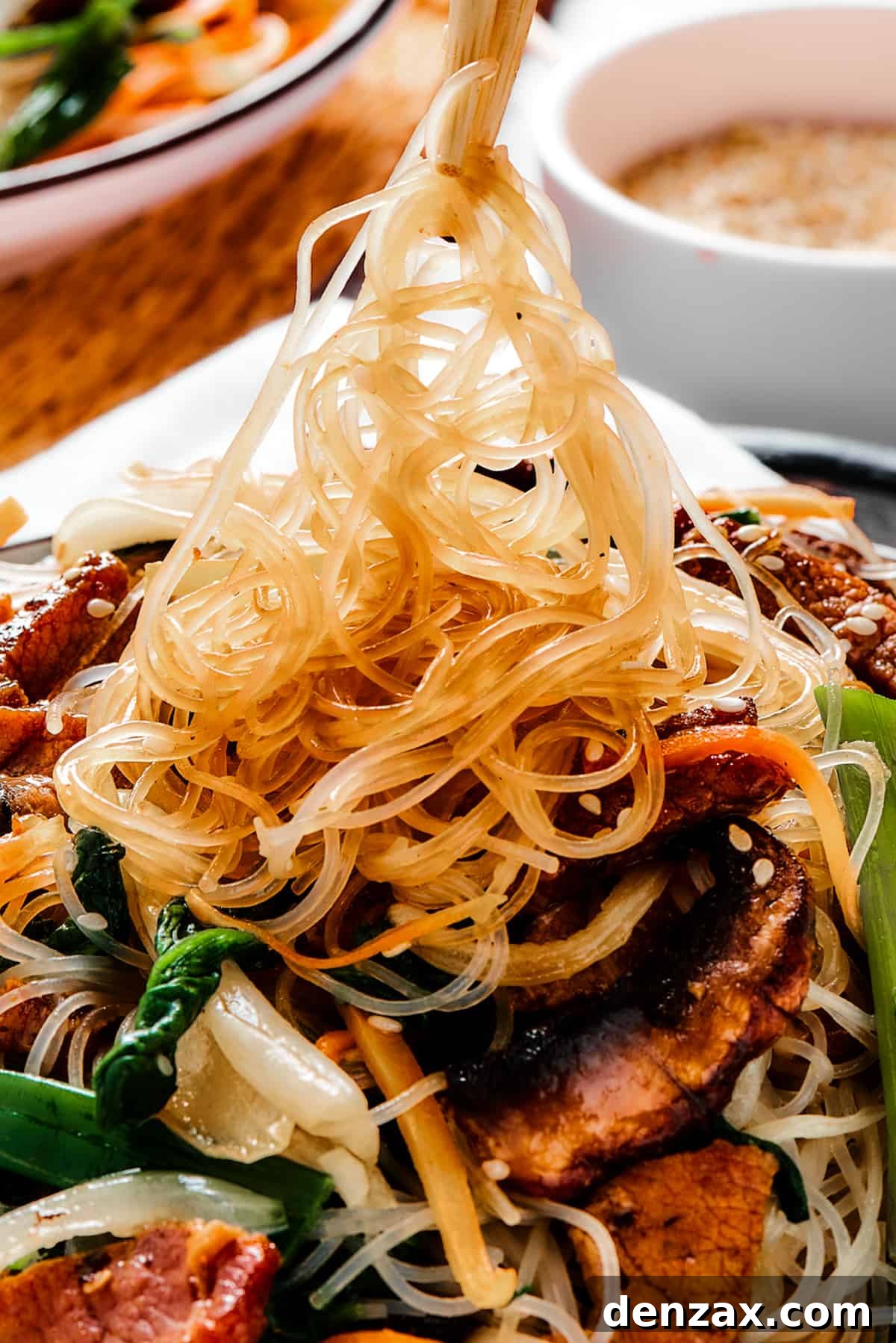
At the heart of Japchae are the distinct glass noodles. These translucent, chewy, and highly absorbent noodles are typically made from sweet potato starch, giving them an unparalleled springy texture that is incredibly satisfying. If you’re new to the world of Korean cooking or have never encountered glass noodles before, you’re in for a delightful surprise. Their unique resilience and ability to soak up the rich, flavorful sauce without becoming mushy make them addictively delicious and a standout feature of this dish.
Complementing the noodles is a wonderfully balanced sauce – a masterful blend of salty soy, aromatic sesame, and a hint of sweetness. This delicate seasoning acts as the perfect canvas, allowing the natural flavors of each vegetable and the tender beef to truly shine through. The result is a savory, umami-packed experience with a characteristic sesame-soy aroma that makes Japchae utterly irresistible. Every bite delivers a symphony of tastes that lingers pleasantly on the palate.
And let’s not forget the star protein: the beef. While some traditional recipes might call for premium cuts like filet mignon, thinly-sliced flank steak or sirloin steak work exceptionally well for stir-fries, offering great flavor and tender results when prepared correctly. The thinly cut strips of beef cook quickly and evenly, soaking up the marinade and adding a rich, hearty dimension to the entire dish, ensuring every forkful is packed with deliciousness.
Are Glass Noodles a Healthy Choice?
When considering the nutritional aspects of glass noodles, many are surprised to find they are quite similar to traditional wheat pasta. While they often contain a comparable amount of carbohydrates, they typically have slightly fewer overall calories, though this difference isn’t always significant enough to be the sole deciding factor. If you’re looking to diversify your noodle repertoire and try something with a unique texture profile that stands apart from ordinary pasta, Japchae is an excellent culinary adventure.
One notable advantage of glass noodles is that they are generally gluten-free. Most varieties are made from starch derived from sweet potatoes, mung beans, or tapioca, rather than wheat. However, it is crucial to always check the packaging of your specific brand of glass noodles to confirm they are indeed gluten-free, especially if you have strict dietary requirements. Ingredient lists can vary, and cross-contamination can occur in some manufacturing processes.
For those monitoring carbohydrate intake, it’s important to remember that glass noodles are not low-carb. They are primarily composed of carbohydrates, providing energy, but should be consumed in moderation if you are following a low-carb diet. In such cases, alternatives like zucchini noodles, shirataki noodles, or spiralized vegetables could be used as a substitute, though this would alter the traditional texture and flavor profile of authentic Japchae.
Essential Ingredients for Authentic Japchae
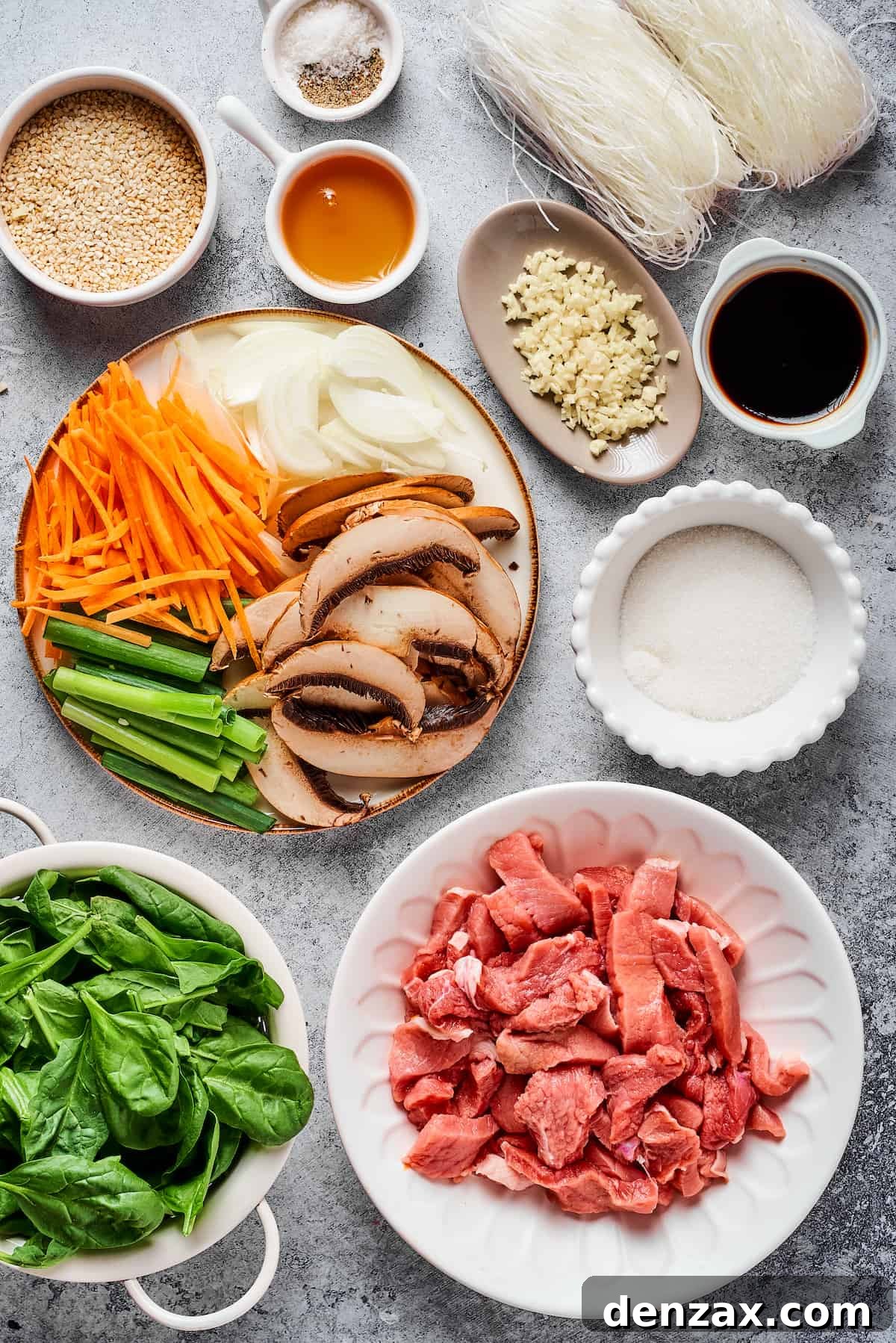
Despite its impressive appearance and complex flavors, preparing Beef Stir Fry with Glass Noodles (Japchae) relies on a surprisingly straightforward list of ingredients. The magic truly happens in how these simple components are prepared and combined, especially with a quick and effortless five-ingredient sauce that elevates the entire dish.
For the Flavorful Stir Fry
- Glass Noodles: While glass noodles can be derived from various starches like mung bean, for an authentic Korean Japchae experience, we recommend using Korean sweet potato starch noodles (dangmyeon). Their signature chewy texture is irreplaceable.
- Beef: Select about one pound of high-quality grilling steak. Flank steak is an excellent choice due to its flavor and tenderness when thinly sliced against the grain. Sirloin or even a leaner cut like tenderloin can also work beautifully.
- Carrots: These add a touch of sweetness and vibrant color. Cutting them into thin matchsticks ensures even cooking and integrates them perfectly into the noodle mixture. Pre-cut matchsticks are a convenient time-saver.
- Onion: A small yellow onion, thinly sliced, contributes a mild sweetness and aromatic depth to the stir-fry base.
- Mushrooms: Mushrooms provide an earthy, umami richness. Portobello mushrooms are a robust choice, but shiitake or oyster mushrooms are also fantastic alternatives, each offering a slightly different texture and flavor profile.
- Spinach: Baby spinach is ideal because its tender leaves require minimal preparation. If using regular spinach, simply tear or chop the larger leaves into bite-sized pieces for easier incorporation.
- Green Onions: These add a fresh, pungent kick and a pop of color. Ensure to trim off the root ends and any withered tips, then chop the remaining stalks into pieces that blend well with the noodles and other vegetables.
- Cooking Oil: For stir-frying, a neutral oil with a high smoke point is best. Olive oil is a good option, as are peanut oil, vegetable oil, or avocado oil.
- Salt and Pepper: Essential seasonings to enhance the natural flavors of the beef and vegetables, adjusted to your personal preference.
For the Simple Yet Dynamic Seasoning
- Soy Sauce: The cornerstone of our savory sauce. Low sodium soy sauce is recommended to control saltiness. For gluten-free alternatives, tamari or coconut aminos can be used.
- Sesame Oil: Toasted sesame oil is crucial for its distinct nutty aroma and flavor, which is characteristic of Korean cuisine. You’ll typically find it in the international foods aisle or alongside other cooking oils.
- Sugar: A few spoonfuls of granulated sugar balance the savory and salty notes, contributing to Japchae’s signature sweet-and-savory profile.
- Garlic: Freshly minced or pressed garlic provides a pungent, aromatic base that infuses the entire dish with depth.
- Toasted Sesame Seeds: Used both within the seasoning mixture for an added layer of nuttiness and as a beautiful, flavorful garnish to finish the dish.
How to Master Beef Stir Fry with Glass Noodles (Japchae)
Creating this delicious Korean stir-fry might seem like a multi-step process due to the individual cooking of ingredients, but it’s remarkably manageable. The key to success is good organization and familiarizing yourself with the sequence of steps. Reading through the recipe a couple of times before you begin will ensure a smooth and enjoyable cooking experience. Here’s a detailed guide to preparing your perfect Japchae:
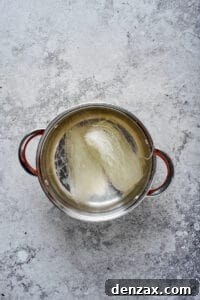
- Prepare the Glass Noodles: Begin by bringing a large pot of salted water to a rolling boil. Once boiling, remove the pot from the heat. Submerge the dried glass noodles into the hot water and let them soak for approximately 7-8 minutes, or precisely as instructed on their package. This rehydrates them and makes them perfectly springy. Drain the noodles thoroughly, rinse them under cold water to stop the cooking process and prevent sticking, then set them aside.
- Marinate the Beef and Noodles: In a small bowl, place your thinly sliced beef pieces. Next, prepare your versatile seasoning mixture: combine all the sauce ingredients (soy sauce, sesame oil, sugar, minced garlic, and some toasted sesame seeds) in a separate bowl or measuring cup, mixing until well combined. Add about three tablespoons of this flavorful marinade to the beef, tossing gently to ensure every piece is evenly coated. Set the beef aside to absorb the flavors. Then, take two tablespoons of the same seasoning mixture and add it to your prepared glass noodles, tossing well until the noodles are uniformly coated and glistening. Set them aside as well.
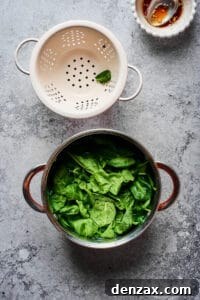
- Blanch the Spinach: If you haven’t already, bring a small amount of water to a boil in a saucepan. Add the spinach, pressing it down into the water as it wilts quickly. A pinch of salt during cooking enhances the spinach’s vibrant green color and flavor. Cook for only about 30 seconds until just tender, then immediately drain and rinse with cold water. Squeeze out excess water to ensure the spinach isn’t soggy.
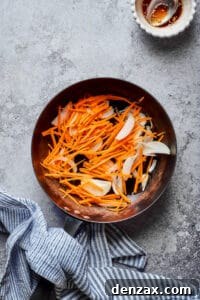
- Begin Stir-Frying – Carrots and Onions First: Heat 1 tablespoon of cooking oil in a large skillet or wok over medium heat. Add the thinly sliced onions and matchstick carrots, along with a pinch of salt. Stir-fry for 2-3 minutes, just until they are aromatic but still retain a pleasant crispness. Transfer these cooked vegetables to a plate and set aside.
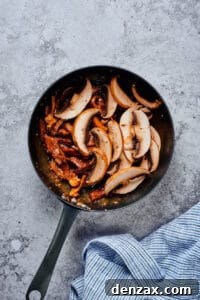
- Cook the Beef and Mushrooms: Increase the heat in the same skillet to medium-high. Add another tablespoon of oil if needed, then stir-fry the marinated beef pieces. Cook for about 4-5 minutes, or until the beef is browned and fully cooked through. Now, add your sliced mushrooms to the skillet with the beef. Cover the skillet and allow them to cook together for 2-4 minutes, or until the mushrooms have softened and released their moisture.
- Combine Noodles and Seasoning: Reduce the heat to medium. Pour the pre-seasoned glass noodles into the skillet, along with the remaining seasoning mixture. Using tongs or spatulas, stir and toss everything vigorously. The noodles will readily absorb the rich sauce as you mix. Continue until the sauce is evenly distributed and absorbed by the noodles. Remove the skillet from the heat and transfer the entire mixture into a large mixing bowl.
- Finish and Season the Dish: To the large mixing bowl with the noodles, beef, and mushrooms, add your blanched spinach, the sautéed carrots and onions, and the chopped green onions. Sprinkle with salt and freshly ground black pepper to taste. Gently toss all the ingredients together until everything is well combined. Sometimes, using your (clean!) hands can make this step easier for an even distribution, especially if the mixture isn’t too hot. Taste and adjust the seasoning one final time, adding more salt, pepper, soy sauce, or sesame oil if desired. Garnish generously with toasted sesame seeds for both visual appeal and added flavor.
- Serve and Enjoy: Japchae can be served warm, straight from the mixing bowl, or you can chill it and enjoy it cold, making it a versatile dish for any occasion. Prepare to savor the incredible blend of flavors and textures!
Expert Tips for Japchae Success
While making Japchae is a rewarding culinary experience, its multi-component nature can feel a bit intricate for first-timers. The key to a smooth process and a perfectly delicious outcome lies in smart planning and a few helpful techniques. Embrace these tips to ensure your Korean beef stir-fry with glass noodles is a resounding success:
- The Power of Mise en Place: Since different ingredients require separate cooking, dedicate time to thorough preparation. Slice all your vegetables (carrots into matchsticks, onions and mushrooms thinly, chop green onions) and beef before you even turn on the stove. Having everything prepped, measured, and ready to go will make the stir-frying process swift and stress-free, preventing overcooked ingredients.
- Efficient Cooking Strategy: To save time, consider cooking the spinach and glass noodles simultaneously in separate pots if your stovetop space allows. The spinach blanches quickly, and the noodles soak, meaning both can be ready for draining and rinsing around the same time, streamlining your workflow.
- Quality Steak Matters: The tenderness of the beef is paramount in Japchae. Invest in a good quality flank steak, sirloin, or even a ribeye. Crucially, slice the beef thinly AGAINST the grain. This technique shortens the muscle fibers, resulting in wonderfully tender pieces that cook quickly and absorb the marinade beautifully. Avoid cuts with too much gristle for the best texture.
- Don’t Overcook the Noodles: Glass noodles have a wonderful chewiness that can be lost if overcooked. Follow the package directions precisely, and once they’re done soaking, rinse them with cold water immediately to halt the cooking process. Overcooked noodles will become soft and mushy, detracting from the dish’s signature texture.
- Balance is Key: Japchae is all about harmony. After combining everything, taste the dish and adjust the seasoning. You might want a little more soy sauce for saltiness, a touch more sugar for sweetness, or extra sesame oil for nuttiness. Don’t be afraid to tweak it to your personal preference.
- The Art of Tossing: When mixing the sauce with the noodles, and later combining all the cooked components, use large tongs or your hands (if the mixture is cool enough) to gently but thoroughly toss. This ensures every strand of noodle and every piece of vegetable is evenly coated with the delicious sauce.
Serving Suggestions for Your Japchae Feast
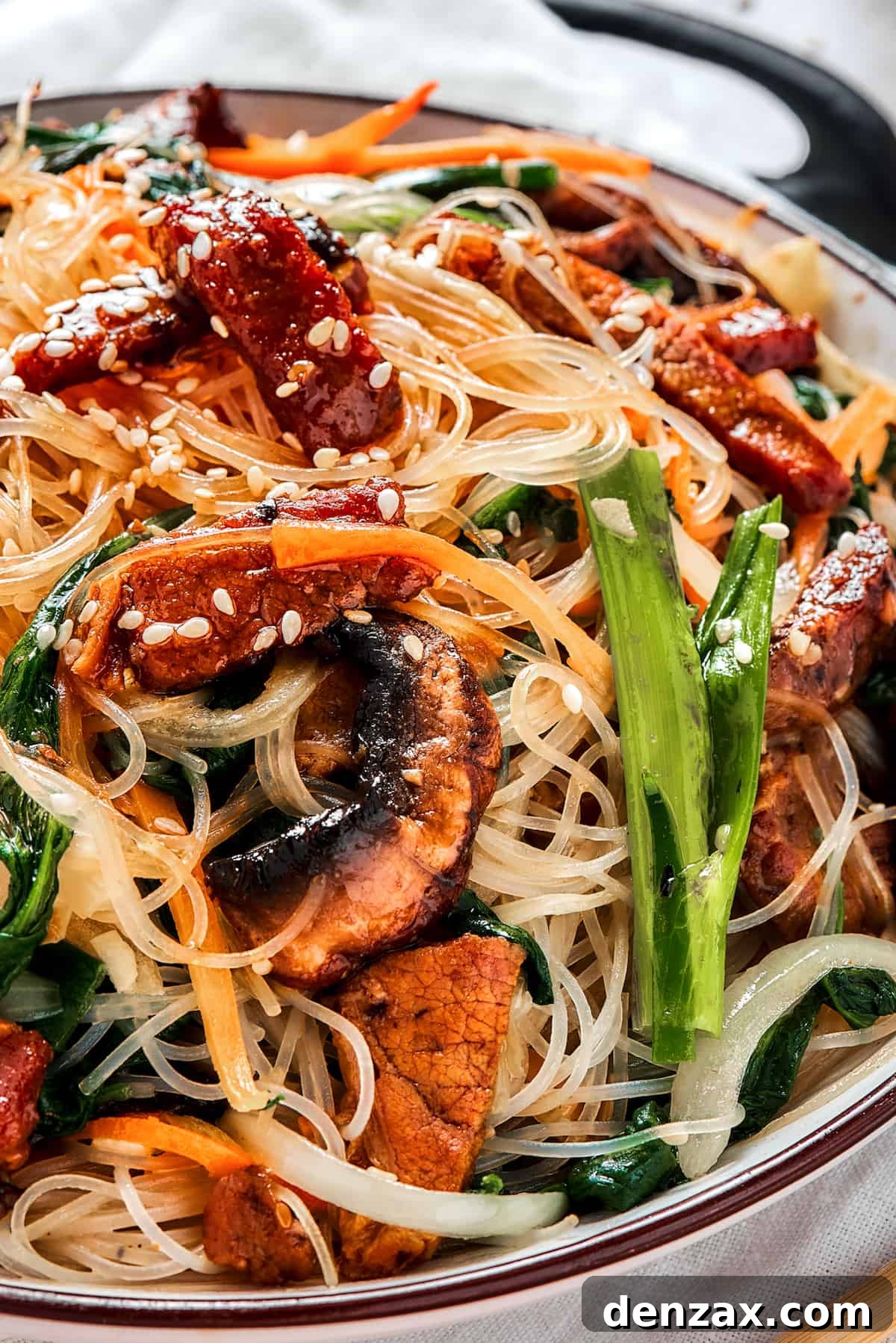
Japchae is a wonderfully satisfying dish on its own, often enjoyed simply with a pair of chopsticks (or a fork, if that’s your preference!). However, if you’re looking to create a more elaborate Korean-inspired meal, there are several delightful side dishes that pair perfectly with this flavorful noodle stir-fry. Elevate your dining experience with these recommendations:
- Egg Drop Soup: Begin your meal with a warm, comforting bowl of classic Egg Drop Soup. Its light, savory broth and delicate egg ribbons offer a soothing contrast to the richness of Japchae, making it an excellent starter. This recipe demonstrates just how effortless it is to whip up at home.
- Potstickers: Who can resist the allure of perfectly pan-fried dumplings? Easy Chicken Potstickers are not only fun to prepare but also incredibly scrumptious, thanks to their savory filling of cabbage, scallions, and a medley of other delicious ingredients. They add a delightful textural contrast to the meal.
- Spring Rolls: Another beloved takeout favorite, Golden Veggie Spring Rolls are crispy, crunchy, and utterly craveable. These golden parcels of fresh vegetables offer a refreshing bite and are sure to bring smiles around your table.
- Steamed Rice and Kimchi: For a truly traditional Korean spread, serve your Japchae alongside a bowl of fluffy steamed white or brown rice and a side of homemade or store-bought kimchi. The rice helps to absorb the sauce, and the spicy, fermented kimchi provides a fantastic tangy counterpoint to the sweet and savory flavors of the stir-fry.
Storing and Reheating Japchae: Tips for Leftovers
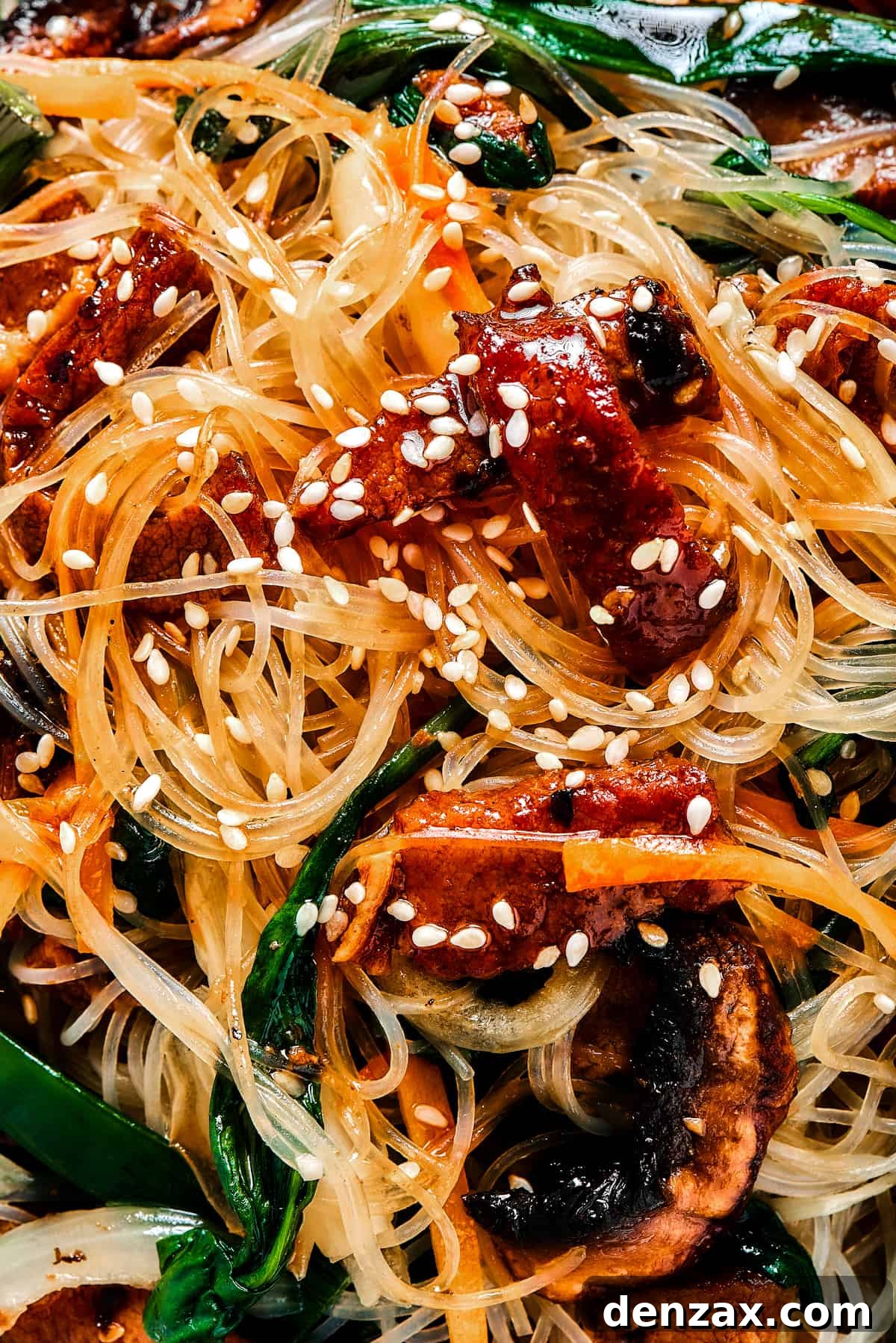
While Japchae is undeniably at its best when served fresh, it also makes for wonderful leftovers that can be safely stored and enjoyed later. Be aware that the texture of the glass noodles might become slightly softer after refrigeration and reheating, but the delicious flavors will remain.
- To Store: Allow your leftover Beef Stir Fry with Glass Noodles to cool completely to room temperature. Once cooled, transfer it to a resealable bag or an airtight container. Properly stored in the refrigerator, Japchae will keep fresh for up to two days.
- To Reheat: For the best results, place the desired portion of stir-fry in a lightly-oiled skillet over medium heat. Cover the skillet to help retain moisture. Cook, stirring occasionally to ensure even heating, for a few minutes until the beef and noodles are thoroughly warmed through. Avoid over-stirring or cooking for too long, as this can cause the delicate glass noodles to become overly soft or soggy. A quick reheat is all it needs to restore its savory appeal.
Can You Freeze Japchae?
- Yes, you can freeze leftover Beef Stir Fry with Glass Noodles, making it an excellent option for meal prepping or having a quick meal on hand. It’s important to note that the freezing and thawing process may lead to a slightly softer texture in both the vegetables and the glass noodles. However, the dish will remain safe to eat and delicious if handled properly during storage and reheating.
- To freeze, allow the Japchae to cool completely. Divide the leftovers into individual servings or family-sized portions and place them in freezer-safe bags or airtight containers. Label each container with the date. It can be stored in the freezer for up to 2 months. For best results, thaw the frozen Japchae overnight in the refrigerator before reheating using the method described above.
Beef Stir Fry with Glass Noodles (Japchae)
by Katerina | Easy Weeknight Recipes
Beef Stir Fry with Glass Noodles (Japchae) is prepared with steak, veggies, and delicious, springy glass noodles.
Prep Time: 30 minutes
Cook Time: 40 minutes
Total Time: 1 hour 10 minutes
Servings: 6
Ingredients
For Seasoning:
- 6 tablespoons low sodium soy sauce
- 4 tablespoons sesame oil
- 3 tablespoons sugar
- 3 cloves garlic, minced
- Toasted sesame seeds, plus more for garnish
For the Stir Fry:
- 7 ounces Korean potato starch noodles (glass noodles)
- 1 pound flank steak, cut into bite-sized pieces
- 2 cups baby spinach
- 3 tablespoons vegetable oil, divided
- 1 yellow onion, thinly sliced
- 2 medium carrots, cut into matchsticks
- 2 green onions, root ends removed, cut into bite-sized pieces
- 4 to 5 fresh portobello mushrooms, thinly sliced
- Salt and freshly ground black pepper, to taste
Instructions
- Mix all seasoning ingredients together in a small bowl.
- Bring a large pot of salted water to boil.
- When the water has come to a boil, remove it from the heat and place the noodles in it. Leave them in the hot water for 7 to 8 minutes, or follow the instructions on the package. Drain the water, and rinse briefly with cold water. Set aside.
- Place the beef pieces in a separate bowl, and season with about 3 tablespoons of your seasoning mixture. Set aside to marinate.
- Add 2 tablespoons of the seasoning to the drained and rinsed glass noodles. Mix well, until the noodles are evenly coated in the sauce. Set aside.
- Lightly blanch the spinach by adding it to a pot of boiling water with a pinch of salt, for about 30 seconds. Rinse under cold running water to stop the cooking process and preserve the spinach’s nutritional value. Drain and set them aside.
- Heat 1 tablespoon vegetable oil in a large skillet or wok set over medium heat; stir in the sliced onions, carrots, and green onions. Add couple pinches of salt, and cook for about 2 to 3 minutes, or until aromatic but still crisp; transfer to a plate and set aside.
- Pour a little more oil in the skillet, increase the heat to medium-high, and stir in the beef chunks; cook for about 4 to 5 minutes, or until cooked through.
- Next, add the sliced mushrooms to the beef. Cover and cook for 3 minutes, or until the mushrooms are tender and cooked.
- To the skillet, add the cooked noodles and the remaining seasoning mixture. Stir and toss to coat the noodles evenly. Once the sauce is absorbed into the noodles, remove the skillet from the heat. Transfer the ingredients to a large, clean mixing bowl.
- Add the prepared vegetables to the same bowl, along with salt and pepper to taste. Toss well to distribute the ingredients evenly. Taste and season accordingly.
- Garnish with toasted sesame seeds, adding more sesame oil and soy sauce as needed.
- Serve warm, or chill and serve cold.
Notes
Nutrition values are given as a courtesy, and are only approximations. Actual nutrition facts may vary.
Nutrition
Calories: 368kcal
Carbohydrates: 42g
Protein: 20g
Fat: 14g
Saturated Fat: 3g
Polyunsaturated Fat: 4g
Monounsaturated Fat: 5g
Trans Fat: 0.002g
Cholesterol: 45mg
Sodium: 648mg
Potassium: 686mg
Fiber: 2g
Sugar: 9g
Vitamin A: 4375IU
Vitamin C: 7mg
Calcium: 57mg
Iron: 3mg
Nutritional info is an estimate and provided as courtesy. Values may vary according to the ingredients and tools used. Please use your preferred nutritional calculator for more detailed info.
Did you make a recipe? Leave a rating!
More Savory Stir Fry Recipes to Explore
If you’ve fallen in love with the vibrant flavors and satisfying textures of this Japchae recipe, you’re in for a treat! The world of stir-fries is vast and full of delicious possibilities. Expand your culinary horizons with these other fantastic savory stir-fry recipes, perfect for quick weeknight meals or impressive dinners:
- Honey Balsamic Beef Stir Fry: A delightful fusion stir-fry featuring tender beef coated in a sticky, sweet, and tangy honey balsamic glaze, paired with crisp vegetables.
- Szechuan Chicken: For those who enjoy a bit of heat, this spicy and aromatic Szechuan chicken stir-fry brings bold flavors with tender chicken and crunchy peanuts.
- Pad See Ew: A classic Thai stir-fried noodle dish featuring wide rice noodles, tender protein, and Chinese broccoli in a rich, savory dark soy sauce.
- Teriyaki Chicken Stir Fry: A universally loved dish, this recipe combines succulent chicken and an array of colorful vegetables with a sweet and savory homemade teriyaki sauce, perfect over rice.
- Garlic Shrimp Stir Fry: A lighter, quick-cooking option featuring plump shrimp, plenty of garlic, and vibrant greens, all tossed in a savory sauce.
Each of these recipes offers a unique flavor profile and cooking experience, promising to become new favorites in your weeknight rotation. Happy cooking!