
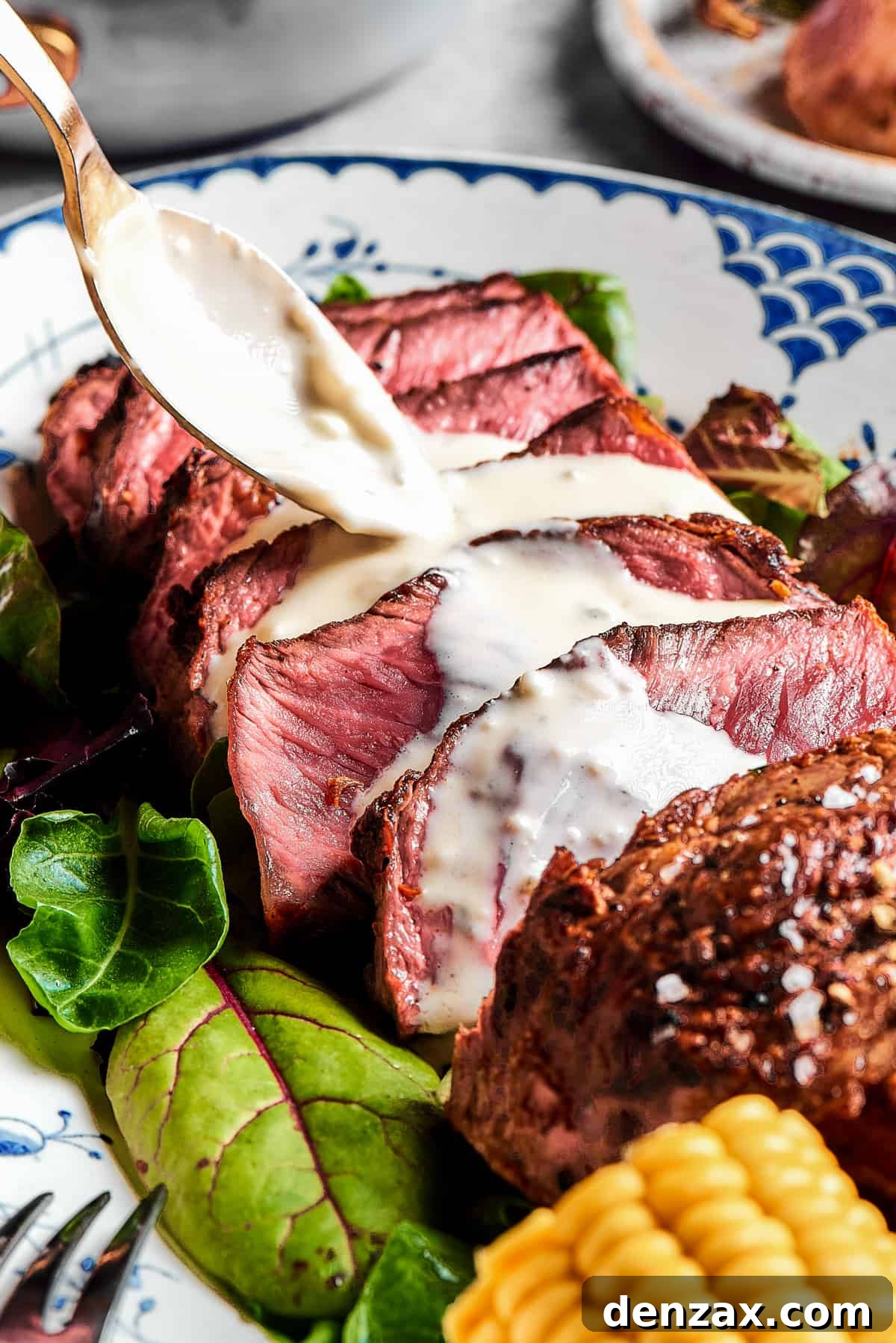
The Art of Blue Steak: A Comprehensive Guide to Ultra-Rare Perfection
Imagine a steak that is perfectly seared to a delicious, savory crust on the outside, yet boasts an incredibly tender, almost velvety interior that remains vividly rare. This is the hallmark of a Blue Steak – a culinary masterpiece for true steak aficionados. Infused with aromatic garlic, rich butter, and fragrant rosemary, this ultra-rare preparation method unlocks a unique flavor and texture profile that is surprisingly simple to achieve in your own kitchen.
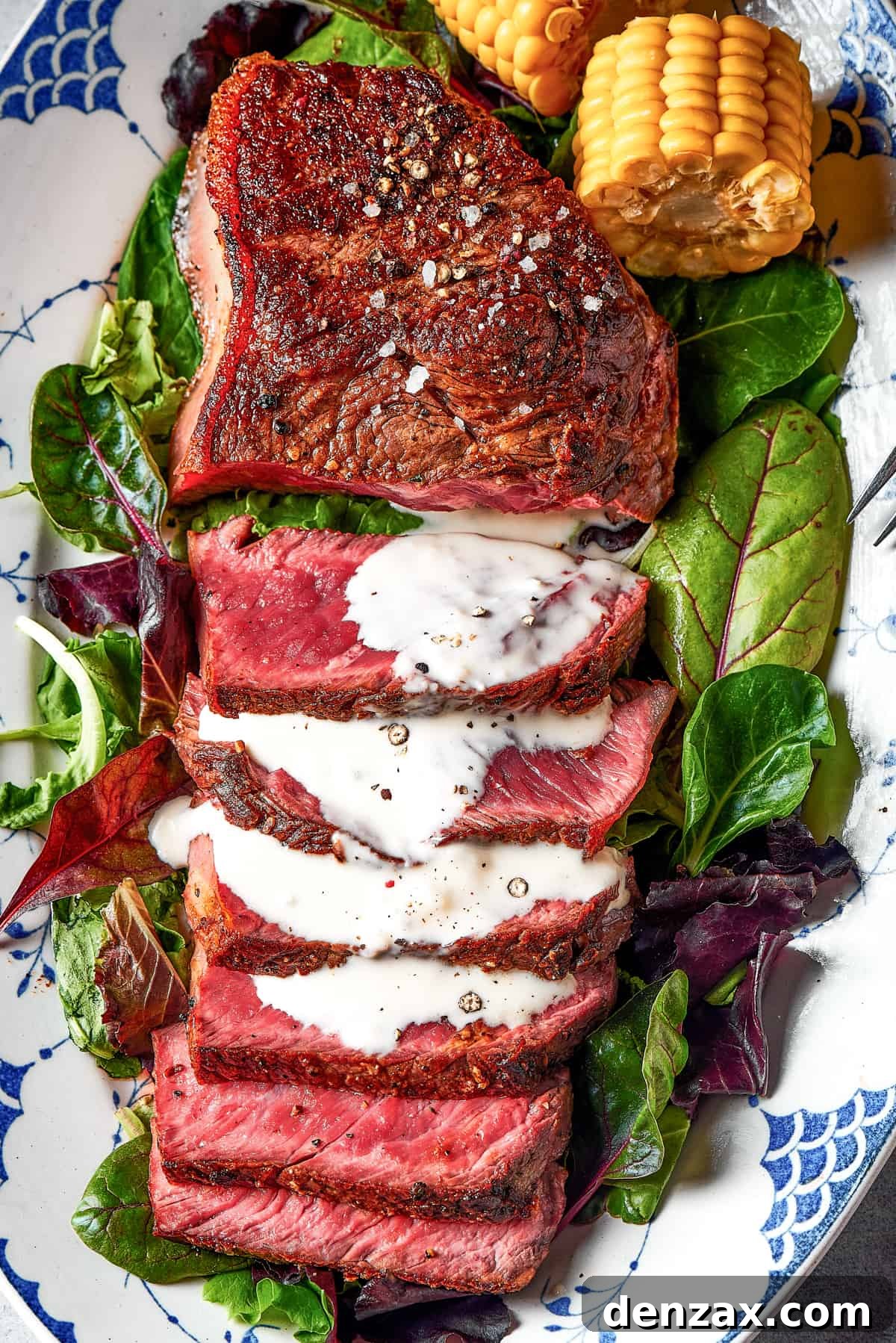
Understanding Blue Steak: The Allure of Ultra-Rare
For those who savor the purest essence of high-quality beef, blue steak represents the pinnacle of rare doneness. It’s a method that prioritizes intense exterior searing while preserving the cool, deep red, almost purplish interior of the meat. This striking contrast offers an unparalleled dining experience – a crispy, flavorful crust yielding to an incredibly succulent and melt-in-your-mouth center. The experience is often likened to that of a perfectly seared tuna steak, but with the rich, unmistakable flavor of premium beef.
The intriguing name “blue” for this highly sought-after doneness has a few theories surrounding its origin. Some culinary historians suggest it stems from the classic French cooking term “au bleu,” which traditionally refers to fish cooked very briefly in boiling liquid, retaining its raw-like state. Another popular theory posits that the steak is so exceptionally rare that its natural purplish-red hue appears exaggerated, leading some to describe it as “blue.” Regardless of its etymological roots, what remains undeniable is the exquisite delight blue steak offers to discerning palates.
Achieving a truly blue steak hinges on one critical technique: extremely high-temperature searing for a very short duration. This rapid cooking process creates that desired charred, caramelized crust, building a robust flavor barrier that encapsulates the pristine, virtually raw interior. The goal is to cook the outside just enough to develop a delicious texture and flavor, while ensuring the core temperature remains minimal, preserving the steak’s natural juices and tenderness.
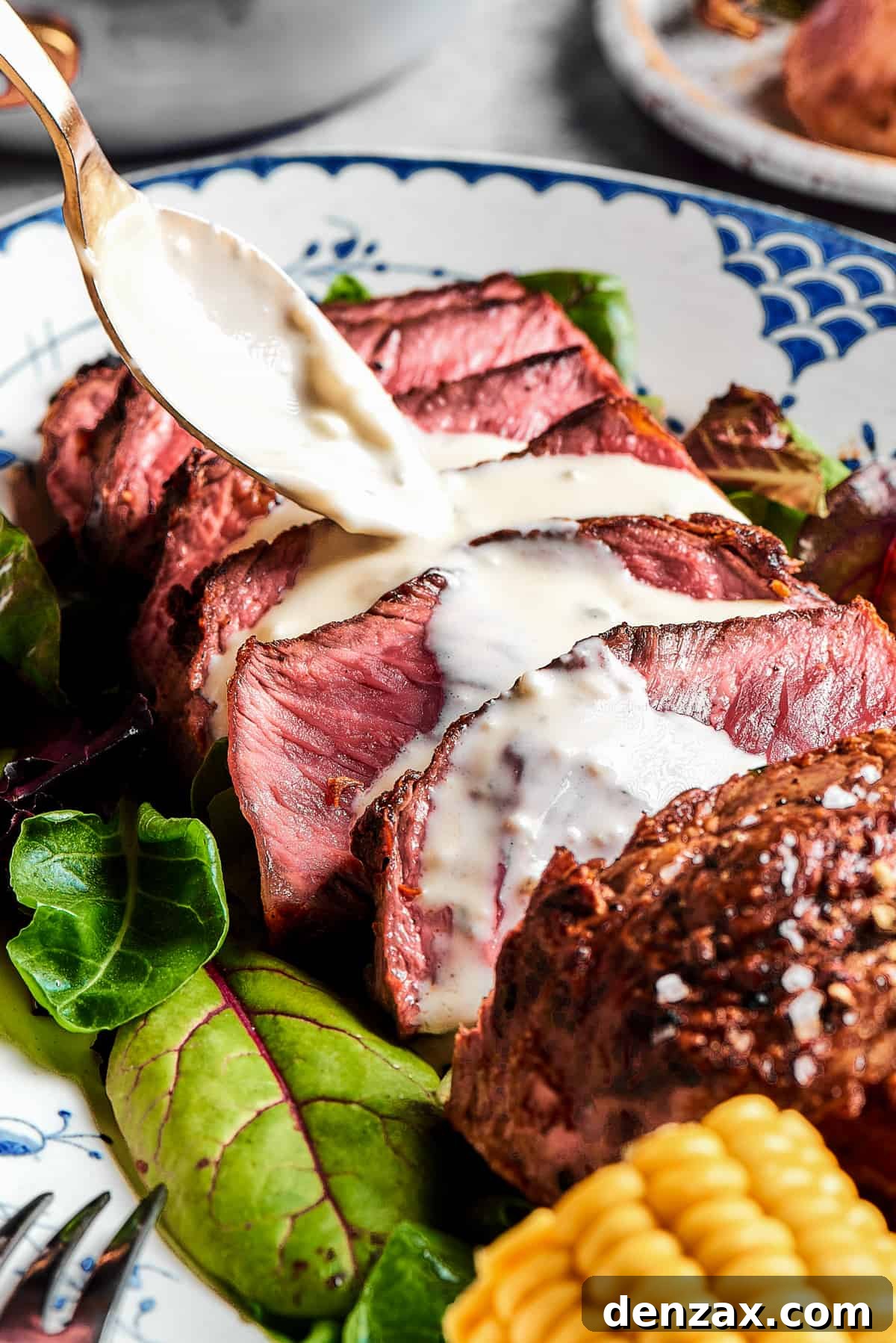
Is Blue Steak Safe to Eat? Addressing Common Concerns
A frequent question surrounding ultra-rare steak is its safety. Generally, blue steak is considered very safe to consume, provided you adhere to best practices and source your meat responsibly. The intense, high-heat searing applied during the cooking process is crucial; it effectively eliminates any surface bacteria, such as E. coli, which are typically found only on the exterior of the meat. The interior of a high-quality, fresh steak from a reputable butcher or supplier is generally sterile and safe to eat in its rare state.
For optimal safety, always ensure your steak comes from a trusted source known for its stringent hygiene standards. Look for fresh meat with a good color and no off-odors. While the risk is minimal for most healthy individuals, it’s always prudent to consult with your healthcare provider if you have any specific health concerns, compromised immune systems, or are pregnant, to ensure blue steak is an appropriate dietary choice for you. Prioritizing quality and proper handling are key to enjoying this exquisite dish without worry.
Essential Ingredients for Your Blue Steak Masterpiece
Crafting the perfect blue steak requires a select few, high-quality ingredients that allow the natural flavors of the beef to shine. This recipe includes two main components: the impeccably seared steak itself, and a rich, creamy blue cheese sauce featuring robust Gorgonzola. While the blue cheese sauce is a heavenly accompaniment, the steak preparation stands strong as a delicious standalone dish for those who prefer an alternative sauce or simply the pure taste of beef.
For the Perfectly Seared Blue Steak
- Sirloin Steak: Opt for a thick cut, ideally between 1.5 and 2 inches. This thickness is crucial for achieving the characteristic seared exterior while maintaining a truly rare, cool interior. Sirloin offers an excellent balance of leanness and tenderness suitable for blue steak.
- Olive Oil: Used for its higher smoke point, olive oil initiates the searing process effectively, helping to build that beautiful crust without burning too quickly.
- Butter: Added during the second sear, butter provides a rich, nutty depth of flavor and aids in basting, contributing to a deeply caramelized and flavorful exterior.
- Fresh Rosemary: A sprig of fresh rosemary infuses the butter and pan juices with its pungent, earthy, and piney aroma, creating an exquisite counterpoint to the richness of the steak.
- Garlic: A whole head of garlic, split crosswise, releases its sweet, aromatic compounds into the basting butter, imparting a subtle yet profound savory essence to the steak.
- Salt and Freshly Ground Black Pepper: Simple yet indispensable, these seasonings enhance the natural beef flavor and contribute to the development of the crust.
For the Decadent Blue Cheese Sauce
- Heavy Cream: The foundation for a luxurious, velvety sauce, heavy cream provides the necessary richness and body to carry the bold flavor of the blue cheese.
- Gorgonzola Cheese: This Italian blue cheese offers a wonderfully piquant and creamy texture when melted, creating a sauce that perfectly complements the robust flavor of the steak. Feel free to substitute with your favorite type of blue cheese, such as Roquefort or Danish Blue, for a similar effect.
- Salt and Freshly Ground Black Pepper: To season the sauce, balancing the intensity of the cheese and cream.
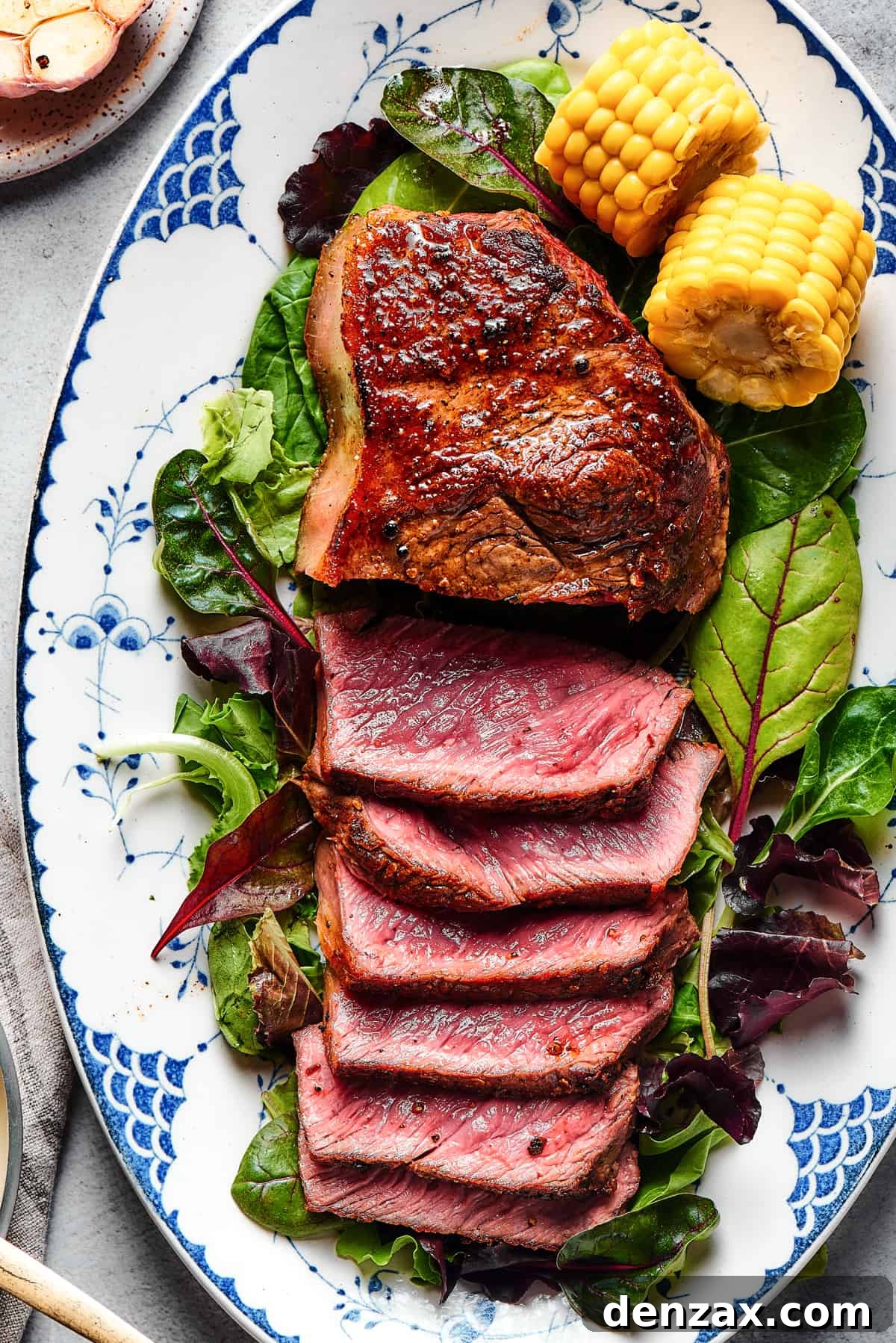
Selecting the Ideal Cut for Blue Steak
Choosing the right cut of beef is paramount when aiming for a perfect blue steak. Unlike traditional medium-rare or well-done preparations where marbling (intramuscular fat) is highly desired for tenderness and flavor, blue steak requires a lean yet naturally tender cut. The brief cooking time means that marbled fat won’t have sufficient opportunity to render and melt, resulting in an unpleasantly chewy texture. Similarly, tough, lean cuts that typically benefit from long, slow braising are unsuitable, as they lack the inherent tenderness to be delicious when cooked so quickly.
Here are the best choices for achieving an exemplary blue steak:
- Filet Mignon (Tenderloin): Often regarded as the most tender cut, filet mignon is also quite lean, making it an exceptional, albeit premium, choice for blue steak. Its delicate texture and mild flavor truly shine when cooked to this rare doneness.
- Top Sirloin Steak: Also commonly known simply as sirloin steak, this is a fantastic, more accessible option. It strikes an excellent balance, being lean enough for blue preparation yet possessing enough tenderness and a robust, juicy, beefy flavor that is widely loved. It cooks beautifully to a blue finish.
- Round Steak: While round steak is typically a tougher, leaner cut often reserved for braising or stewing, it can surprisingly work for blue steak if prepared correctly. Its inherent leanness means you won’t encounter unrendered fat, and the ultra-short cooking time prevents it from becoming “shoe leather.” However, ensure it’s a thicker cut to allow for the exterior sear and rare interior.
- Cuts to Avoid: Steaks that are heavily marbled or have significant connective tissue are generally not ideal for blue steak. This includes popular cuts like **Ribeye**, **Porterhouse**, and **Skirt Steak**. The abundant fat in these cuts, which is delicious when rendered over longer cooking times, will remain firm and chewy in a blue steak, detracting from the overall experience. Focus on leaner, naturally tender options for the best results.
How to Master the Art of Blue Steak: A Step-by-Step Guide
The secret to a perfect blue steak lies in precise timing and intense heat. Because the cooking window is so narrow, it is highly recommended to use a kitchen timer or a reliable clock app on your phone. Even a slight overcook can shift your steak from blue to a traditional rare, which, while still delicious, misses the unique texture of a true blue steak.
Here’s how to achieve blue steak perfection at home:
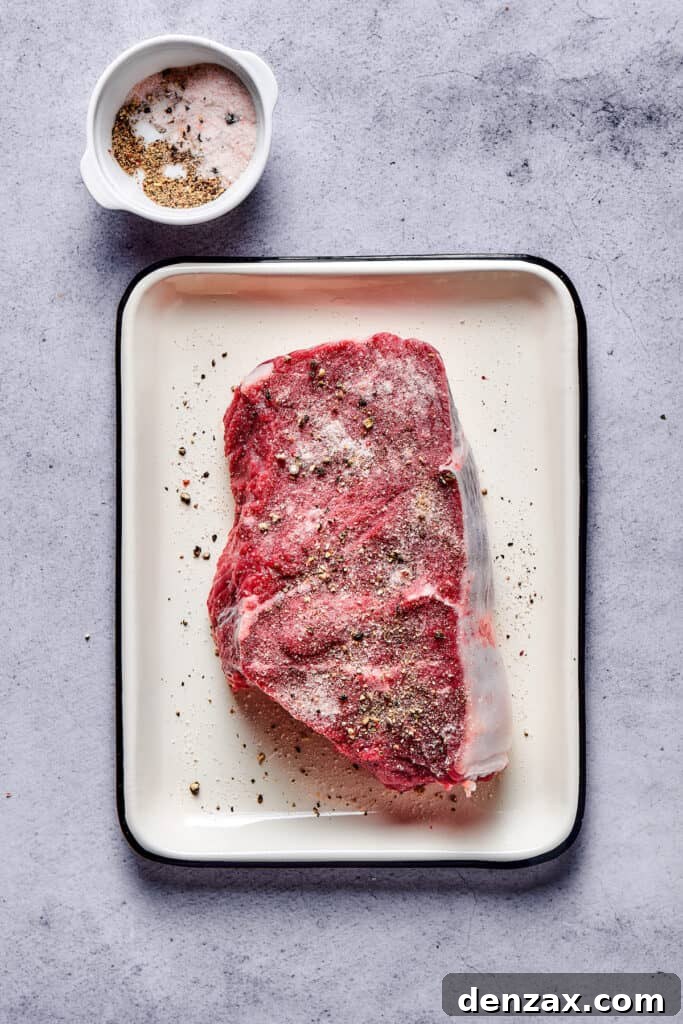
- Bring Steak to Room Temperature and Season: Approximately 30 minutes before you plan to cook, remove your steak from the refrigerator. Place it on a clean plate and generously season both sides with salt and freshly ground black pepper. Allowing the steak to come to room temperature ensures more even cooking and helps prevent the interior from being cold rather than just rare. This also gives the salt time to penetrate the meat, enhancing its flavor.
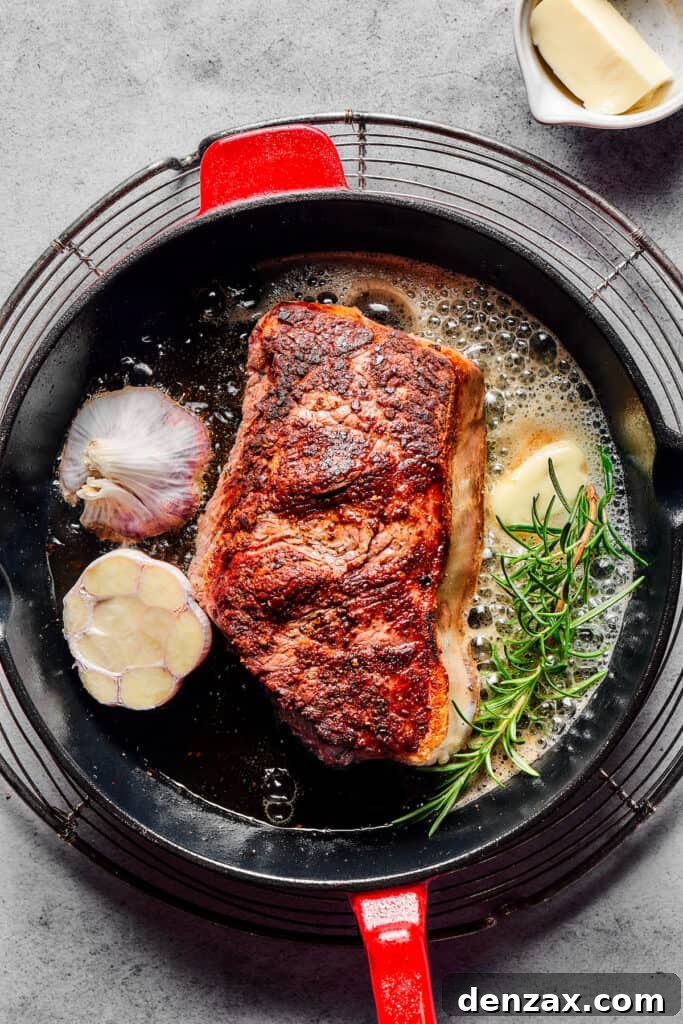
- Prepare for the First Sear: Place a large, heavy-bottomed skillet, preferably a cast-iron skillet, over high heat. Cast iron is ideal because it retains and distributes heat exceptionally well, which is crucial for a rapid, even sear. Add 1 tablespoon of olive oil to the dry pan. Allow the pan and oil to heat until the oil just begins to smoke lightly. This is your cue that the pan is screaming hot and ready for searing.
- Execute the First Sear: Carefully lay the seasoned steak into the hot skillet. You should hear an immediate, aggressive sizzle. Cook the first side for exactly 2 minutes and 30 seconds. Resist the urge to move or peek at the steak during this time; allowing it to form an undisturbed crust is key to a superior sear and flavor development.
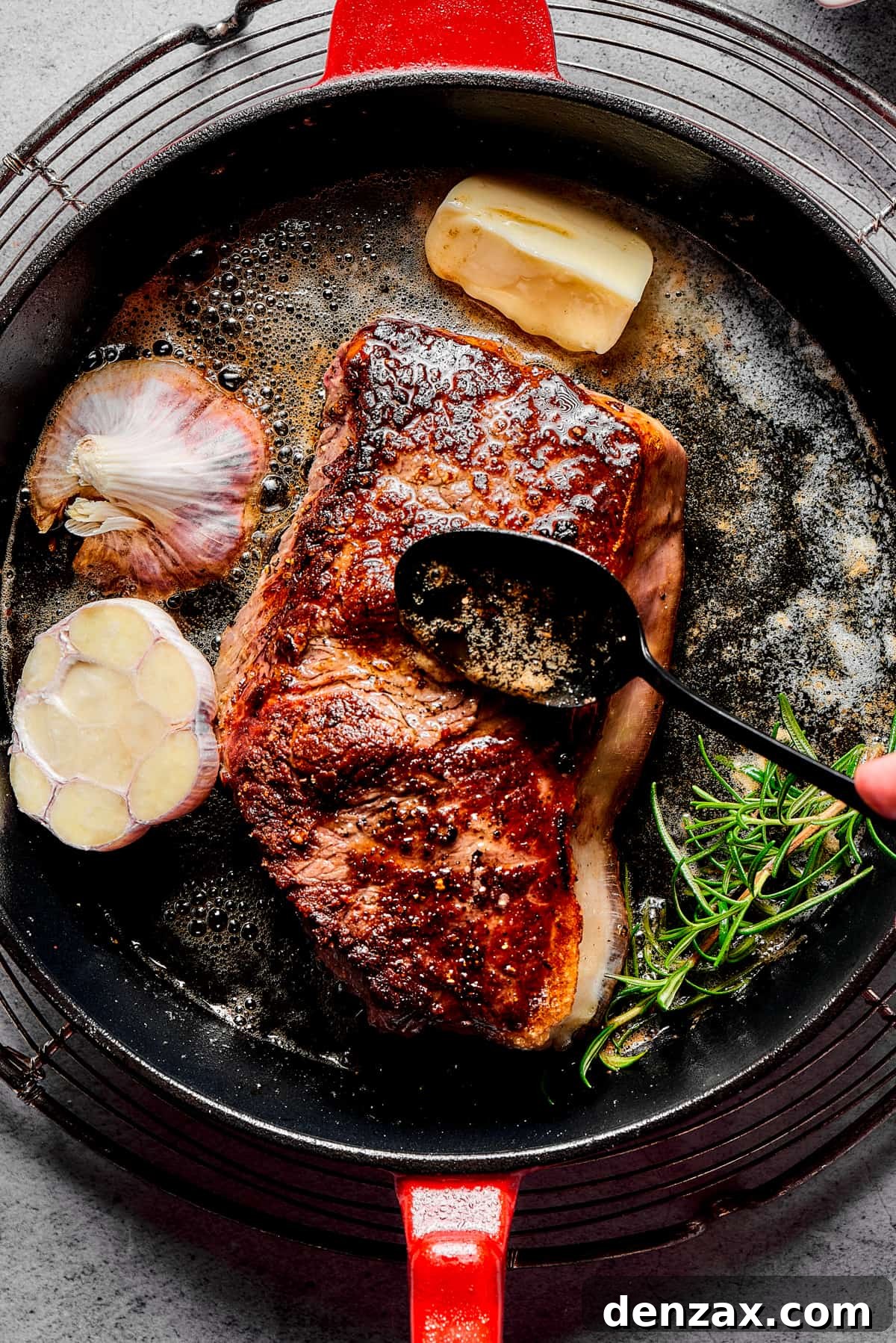
- Flip and Infuse with Aromatics: Once the 2 minutes and 30 seconds are complete, carefully flip the steak to the uncooked side. Immediately add 4 tablespoons of butter, the sprig of fresh rosemary, and the halved head of garlic (cut-side-down) to the skillet. Allow the butter to melt and the aromatics to infuse into the pan juices.
- Baste and Complete the Second Sear: Cook the second side for precisely 2 minutes. Throughout this time, continuously baste the steak by tilting the pan slightly and spooning the melted butter and aromatic pan juices over the top of the steak. This basting process moistens the steak, infuses it with flavor, and contributes to a beautiful, even crust. **Important Safety Note:** Never use a plastic turkey baster for this step, as the extremely high temperature of the butter and oil can melt plastic. Always use a large metal spoon or a heat-resistant silicone utensil.
- Crucial Resting Period: Immediately remove the steak from the skillet and transfer it to a clean serving platter or cutting board. It is absolutely essential to let the steak rest uncovered for 35 minutes at room temperature. If you need to cover it to keep it warm or protect it, lightly tent it with aluminum foil, ensuring air circulation to prevent steaming which can soften the crust. This resting period allows the juices within the steak to redistribute, ensuring every slice is incredibly tender and moist.
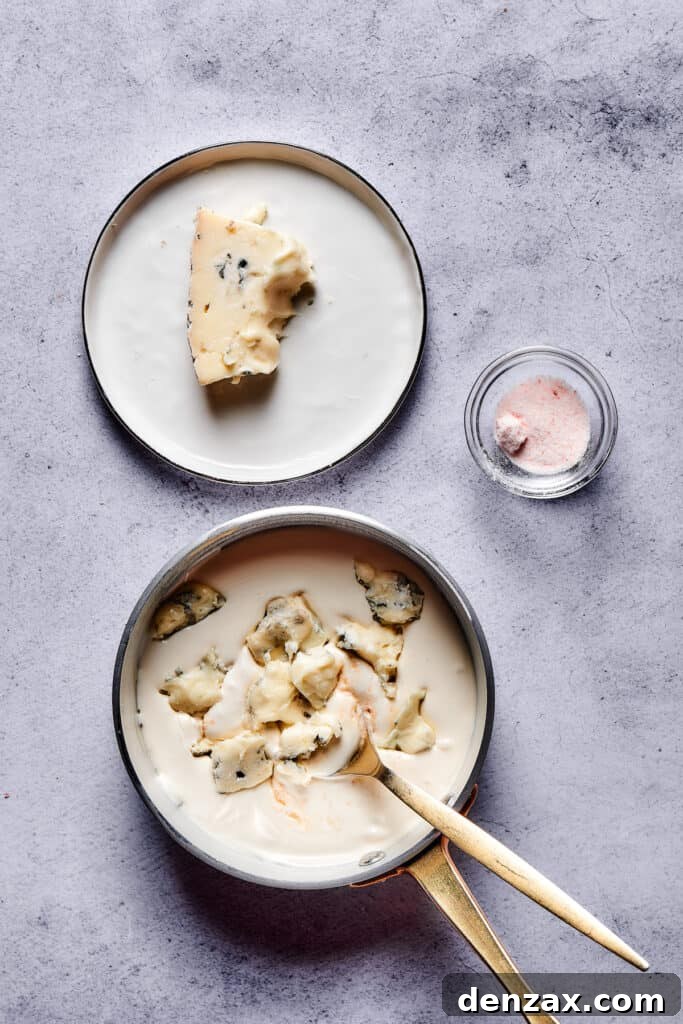
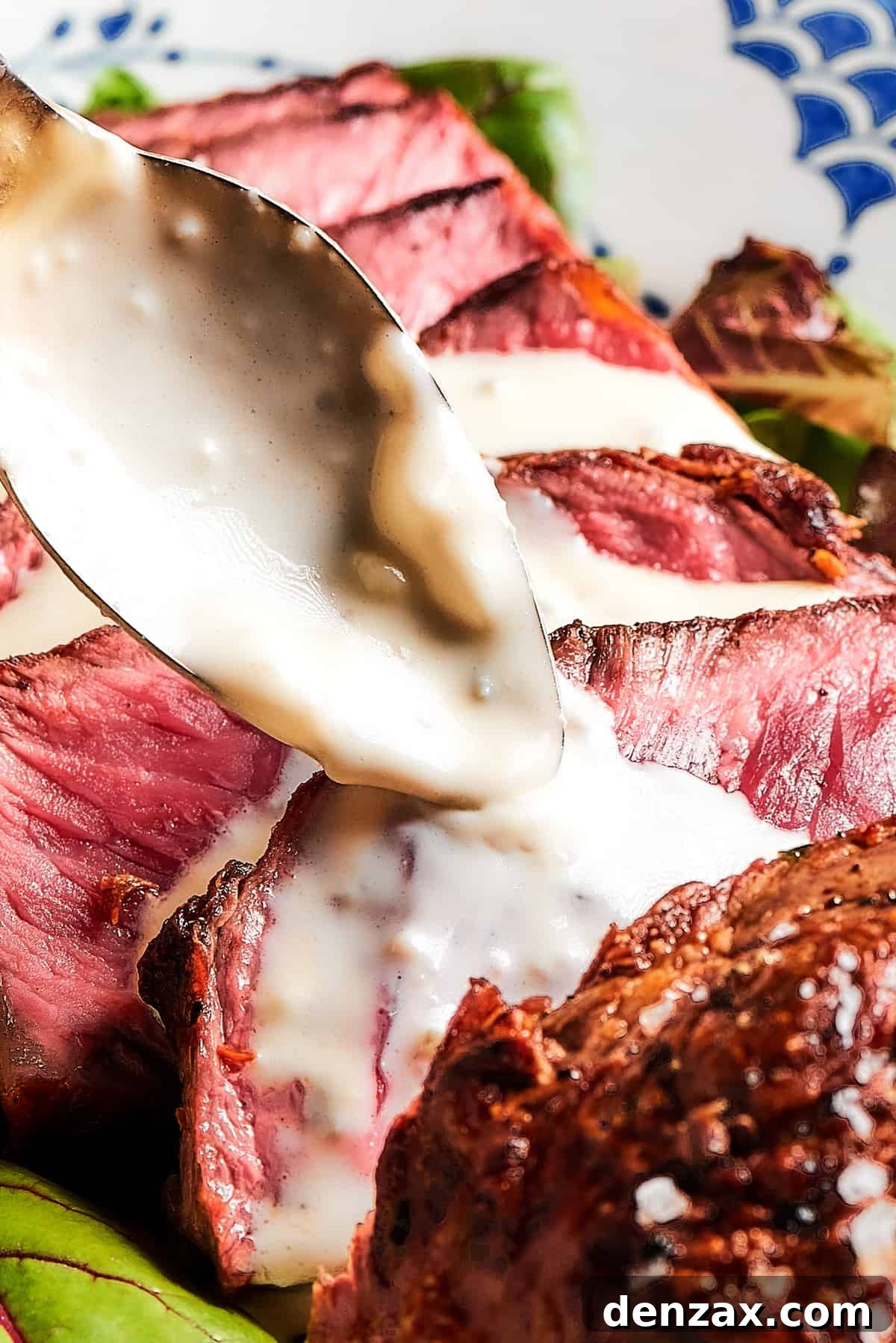
- Prepare the Blue Cheese Sauce (During Resting): While your steak is resting, you can prepare the accompanying blue cheese sauce. In a small saucepan, combine the heavy cream and Gorgonzola cheese (or your chosen blue cheese). Place the saucepan over low heat and stir continuously until the cheese melts completely and is evenly incorporated into the cream, forming a smooth, luscious sauce. Season the sauce to taste with salt and pepper. Once finished, remove the sauce from the heat to prevent it from thickening too much.
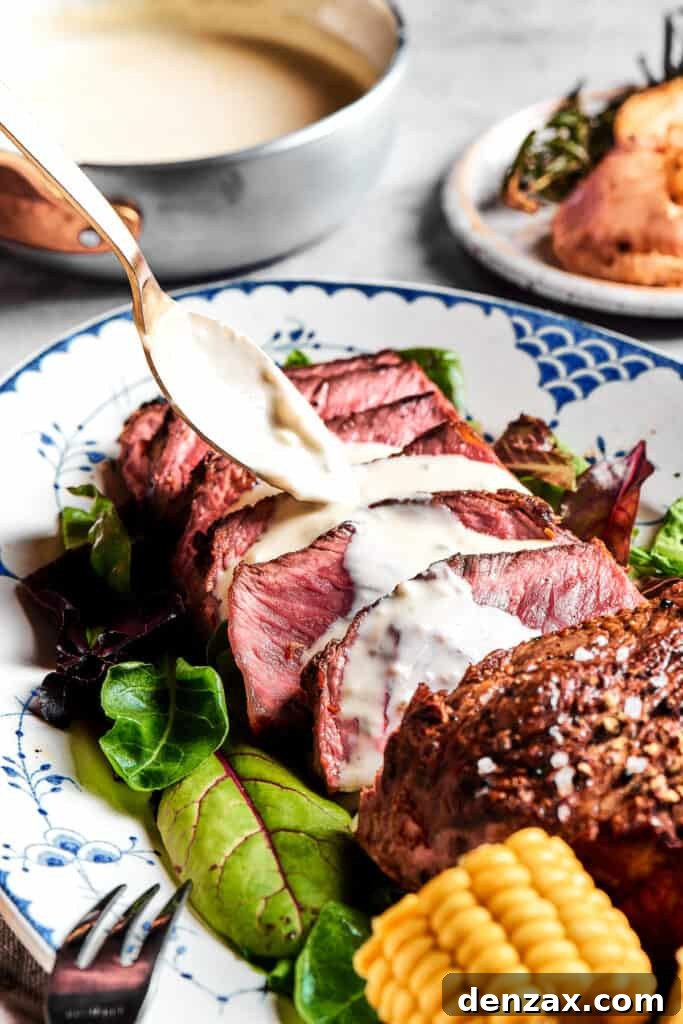
- Slice and Serve: After the steak has completed its resting period, slice it against the grain into desired portions. Serve immediately with generous dollops of the warm blue cheese sauce and your chosen side dishes. Enjoy the exquisite balance of flavors and textures!
Pro Tips for Blue Steak Mastery
While the steps for blue steak are straightforward, mastering this ultra-rare preparation involves understanding a few critical nuances. These expert tips will help ensure your blue steak is nothing short of spectacular, especially given its unique requirements compared to more conventional steak cooking methods.
- Embrace Leanness, Avoid Heavy Marbling: This is perhaps the most counter-intuitive tip for steak lovers. For most steak preparations, excellent marbling is a sign of quality, as the fat renders and bastes the meat from within, ensuring juiciness and flavor. However, with blue steak’s extremely short cooking time, the internal temperature never rises high enough or for long enough for significant fat rendering to occur. Heavily marbled cuts like ribeye will leave you with unrendered, chewy pockets of fat that detract from the tender experience. Stick to leaner, inherently tender cuts like sirloin or filet mignon for the best blue steak.
- Never Skip the Rest Time (Before AND After): The two resting periods are non-negotiable for a superior blue steak. The initial 30-minute rest at room temperature is vital to ensure the steak’s core isn’t fridge-cold, which could result in an unpleasant temperature gradient after the quick sear. The longer 35-minute rest after cooking is even more crucial. It allows the intense heat from the surface to gently warm the interior of the steak further and, more importantly, permits the muscle fibers to relax and reabsorb juices that have migrated to the center during cooking. Skipping this step means a less tender steak that loses valuable juices when sliced.
- Prepare for Smoke: Achieving that perfect, deep brown, charred crust requires a “screaming hot” pan. This level of heat will invariably produce a significant amount of smoke as the olive oil reaches its smoke point and the beef surface caramelizes. Don’t be alarmed – this is a good sign that your pan is at the optimal temperature for searing. Ensure you have good ventilation in your kitchen; turn on your range hood to its highest setting, or open windows to disperse the smoke.
- Pair with a Bold Sauce: Due to the minimal cooking time, blue steak doesn’t undergo the extensive flavor development from prolonged heat that medium-rare steaks do, nor is it typically marinated. This means its primary flavor is the pure, unadulterated taste of beef. While exquisite on its own, blue steak truly shines when paired with a flavorful sauce that offers a complementary contrast. A rich blue cheese sauce is a classic pairing, its pungency and creaminess providing a perfect counterpoint to the lean, rare beef. Consider other robust sauces like a classic peppercorn sauce, a bright chimichurri, or a rich mushroom sauce if blue cheese isn’t your preference.
Perfect Side Dish Ideas to Complement Your Blue Steak
No steak dinner is complete without thoughtfully chosen side dishes. The pure, rich flavor of blue steak pairs beautifully with sides that offer contrasting textures and complementary flavors. These easy-to-prepare suggestions will elevate your blue steak dinner into an unforgettable culinary experience.
- Steakhouse Creamed Spinach: A timeless classic, Steakhouse Creamed Spinach offers a decadent, rich, and comforting counterpoint to the lean elegance of blue steak. Its creamy texture and subtle bitterness cut through the richness of the beef and blue cheese sauce, creating a perfectly balanced bite.
- Hedgehog Roasted Potatoes: Forget your average roasted potatoes. These Hedgehog Roasted Potatoes deliver an irresistible combination: a wonderfully crispy, seasoned exterior reminiscent of the best fries, giving way to a luxuriously soft and buttery interior much like mashed potatoes. They provide a satisfying textural contrast and absorb all the delicious steak juices and sauce.
- Roasted Sugar Snap Peas: For a vibrant, fresh, and healthy element, try these Roasted Sugar Snap Peas. This recipe is incredibly simple, packed with flavor, and adds a gorgeous pop of bright green to your plate. The sweet crispness of the snap peas, especially when roasted with savory red onions, offers a refreshing crunch that cleanses the palate and complements the richness of the steak and sauce beautifully.
Storing and Reheating Blue Steak: Preserving Its Quality
While blue steak is best enjoyed immediately after its final rest, you might occasionally find yourself with leftovers. Proper storage and reheating techniques are essential to preserve its unique quality and prevent overcooking.
- Refrigeration: Any leftover blue steak should be tightly wrapped in aluminum foil or plastic wrap and immediately refrigerated. Stored correctly, it will maintain its quality for approximately three to four days in the refrigerator.
- Reheating: To reheat blue steak while attempting to retain its rare interior, allow the steak to come to room temperature for about 30 minutes. Then, place it on a baking sheet and reheat it in a very low oven, around 250˚F (120˚C), for about 20-30 minutes. The goal is to gently warm it through without cooking it further. Check the internal temperature periodically; remove it earlier if you prefer it closer to its original blue doneness.
Can You Freeze Blue Steak? Guidelines for Long-Term Storage
Yes, you can absolutely freeze cooked blue steak, allowing you to enjoy this delicacy at a later date. Proper freezing techniques are key to preventing freezer burn and maintaining the steak’s quality.
- Freezing Method: To freeze, first ensure the steak has completely cooled. Wrap it tightly and individually in plastic wrap, followed by a layer of aluminum foil or freezer paper. This double layer provides excellent protection against air exposure. Then, place the wrapped steak into a heavy-duty, zip-top freezer bag. Crucially, press out as much air as possible from the bag before sealing it to minimize ice crystal formation and freezer burn.
- Duration and Thawing: Frozen blue steak can be stored for up to three months. When ready to enjoy, transfer the steak from the freezer to the refrigerator and allow it to thaw slowly overnight. Once thawed, you can reheat it using the low-oven method described above, taking care not to overcook it.
Blue Steak Recipe
Seared on the outside, rare on the inside, and flavored with garlic, butter, and rosemary, this ultra-rare Blue Steak is a steak-lover’s dream! Plus, it’s super simple to make at home.
Prep Time: 5 minutes
Cook Time: 5 minutes
Total Resting Time (Before and After Cooking): 1 hour 10 minutes
Total Time: 1 hour 15 minutes
Servings: 4
Ingredients
For the Steak
- 2 pounds sirloin steak, 1.5 to 2-inches thick
- 1 tablespoon olive oil
- 4 tablespoons butter
- 1 sprig of fresh rosemary
- 1 head of garlic, cut in half crosswise
- Salt and freshly ground black pepper
For the Blue Cheese Sauce
- 1 cup heavy cream
- ⅔ cup Gorgonzola cheese, or other blue cheese
- Salt and freshly ground black pepper
Instructions
Cook the Steak
- Season the steak generously with salt and pepper, then let it rest at room temperature for 30 minutes.
- Heat a large, cast-iron skillet over high heat. Add a tablespoon of olive oil. When the oil begins to smoke, carefully lay the steak in the skillet and cook for exactly 2 minutes and 30 seconds to achieve a good sear.
- After 2 minutes and 30 seconds, carefully flip the steak. Immediately add the butter, rosemary sprig, and the halved head of garlic (cut-side-down) to the skillet. Continue to cook for exactly 2 minutes, constantly basting the steak with the melted butter and pan juices using a large metal spoon. Do not use plastic utensils.
- Remove the steak from the skillet and transfer it to a clean serving platter. Let it rest for 35 minutes at room temperature, lightly tented with foil to retain warmth without steaming the crust.
Make the Sauce
- While the steak is resting, combine the Gorgonzola cheese and heavy cream in a small saucepan over low heat. Stir continuously until the cheese is completely melted and smoothly combined into the cream. Season with salt and pepper to taste, then remove from heat.
Serve
- Once the steak has finished resting, slice it against the grain and serve immediately with the warm blue cheese sauce and your preferred side dishes.
Nutrition
- Calories: 707kcal
- Carbohydrates: 2g
- Protein: 56g
- Fat: 52g
- Saturated Fat: 29g
- Polyunsaturated Fat: 2g
- Monounsaturated Fat: 17g
- Trans Fat: 0.5g
- Cholesterol: 250mg
- Sodium: 452mg
- Potassium: 887mg
- Fiber: 0.03g
- Sugar: 2g
- Vitamin A: 1369IU
- Vitamin C: 1mg
- Calcium: 207mg
- Iron: 4mg
Nutritional information is an estimate and provided as courtesy. Values may vary according to the specific ingredients and tools used. Please use your preferred nutritional calculator for more detailed and accurate information.
Discover More Satisfying Steak Recipes
If you enjoyed mastering the art of blue steak, explore these other fantastic steak recipes that are sure to impress and delight your taste buds!
- Garlic Steak Bites with Potatoes: A quick and flavorful meal perfect for any night of the week.
- Grilled Flank Steak with Bleu Cheese Butter: Juicy grilled flank steak elevated by a compound bleu cheese butter.
- Easy Instant Pot Carne Asada: Tender and flavorful carne asada, made effortlessly in your Instant Pot.