
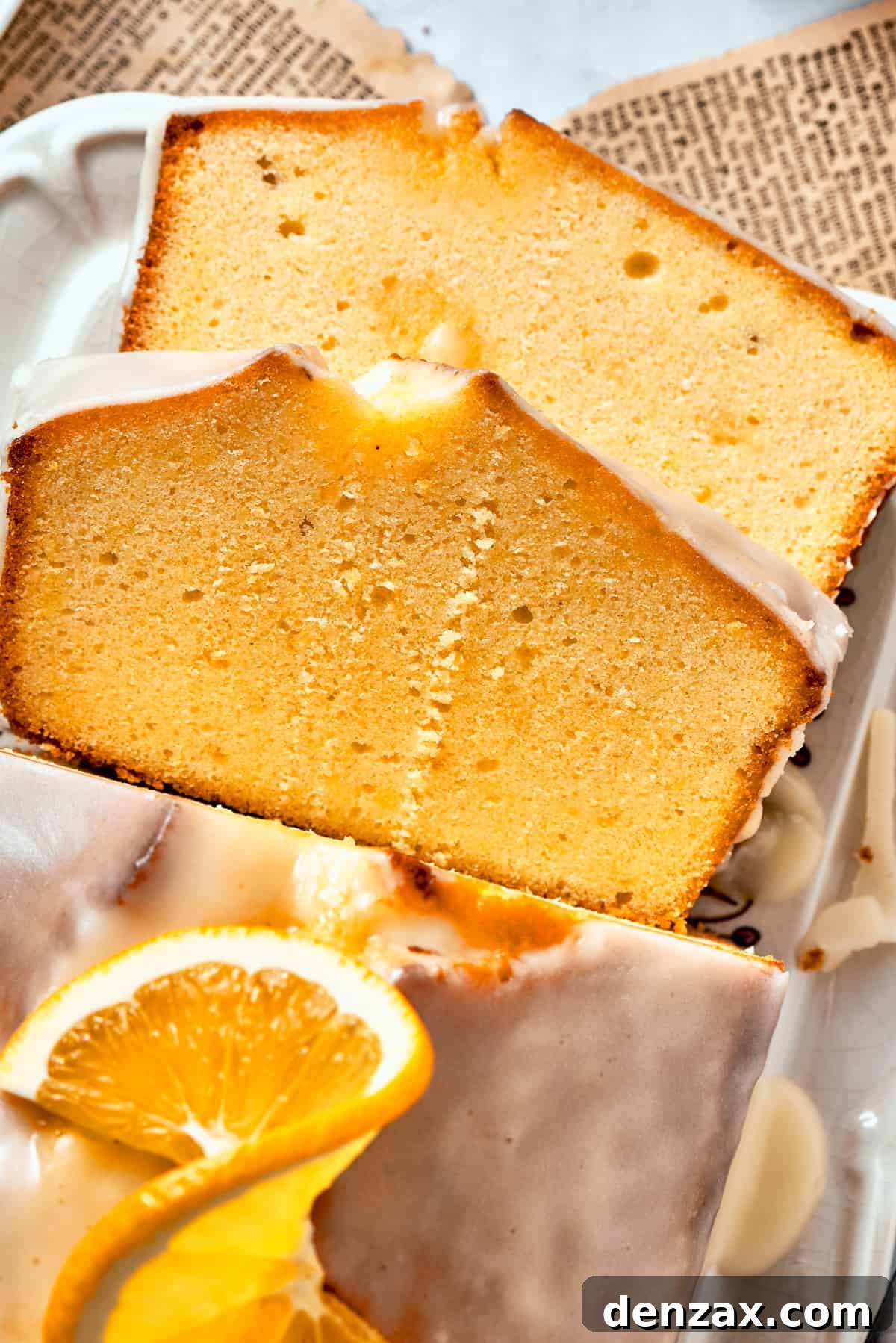
Indulge in the vibrant zest of this truly exceptional Orange Loaf Cake, a recipe designed to deliver an intense citrus burst with every slice. Infused with abundant orange zest, fresh orange juice, and a touch of orange liqueur, this cake is a celebration of sun-kissed flavors. Its wonderfully moist and dense crumb offers a delightful texture, perfectly complemented by a luscious, glossy orange glaze that adds an extra layer of sweet, tangy perfection. Whether you’re seeking a comforting treat for a quiet afternoon or an elegant dessert to impress, this fragrant loaf cake promises a memorable culinary experience.
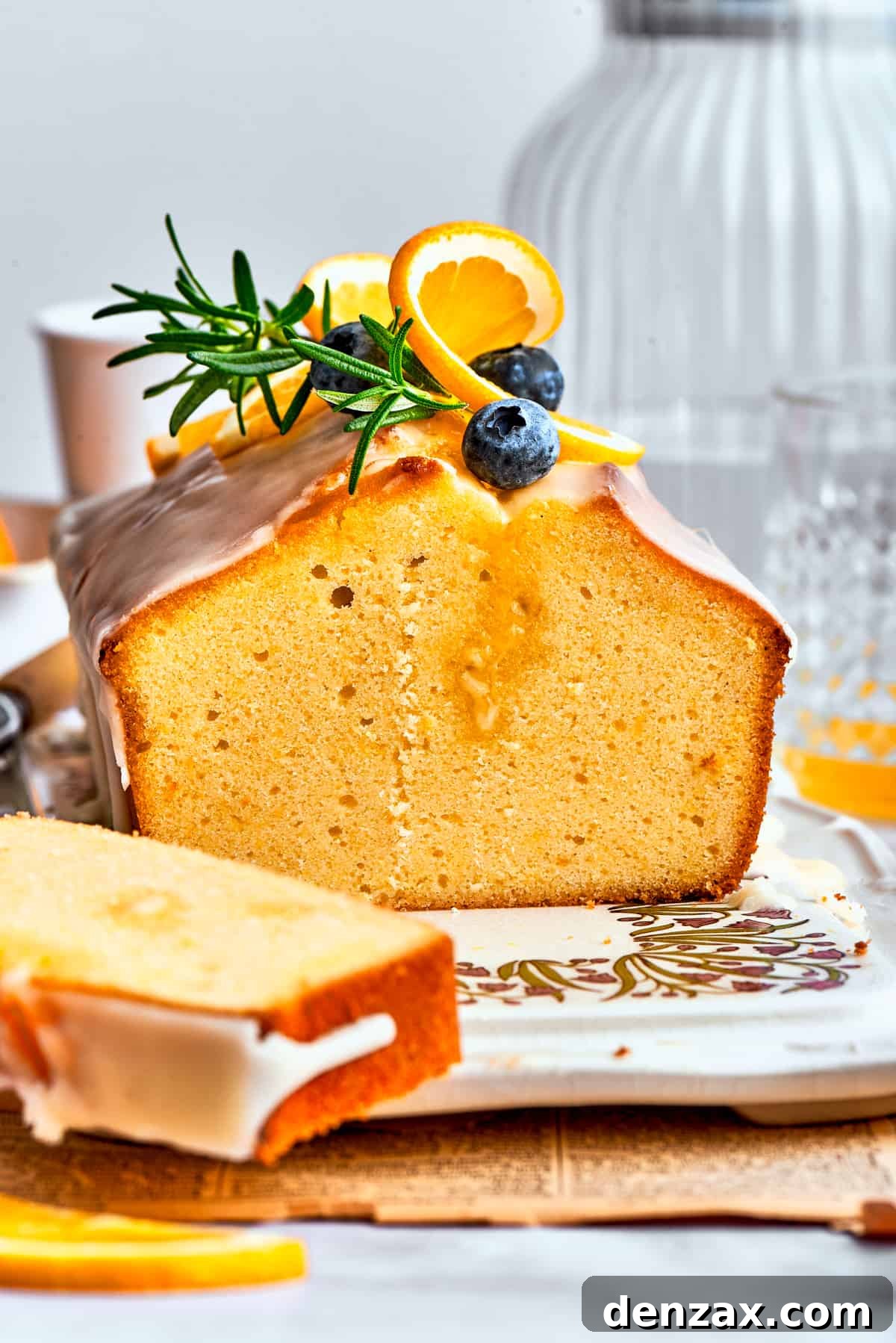
This orange-infused take on a classic pound cake marries richness with incredible simplicity, making it accessible for bakers of all skill levels. Its decadent nature means it can stand proudly as the centerpiece of any dessert spread, yet its humble loaf form makes it equally suitable for a casual get-together. Elevate its presentation by serving it with a dollop of freshly whipped cream and seasonal berries, or enjoy it unadorned alongside your favorite cup of coffee or tea. No matter how you choose to savor it, this moist and flavorful orange cake is guaranteed to be a crowd-pleaser, leaving a lasting impression with its bright, cheerful taste.
Why You’ll Love This Orange Cake Recipe
There are countless reasons why this orange cake recipe deserves a special place in your baking repertoire. From its straightforward preparation to its irresistible flavors and texture, it consistently delivers a delightful experience.
- Simple, Accessible Ingredients: You’ll appreciate how many of the necessary ingredients are likely already in your pantry. This recipe is an ideal way to harness the bright, fresh flavors of winter citrus season, encouraging you to bake it often. It proves that extraordinary flavor doesn’t require complex or hard-to-find components.
- An Explosion of Citrus Flavor: Prepare your taste buds for an unrivaled orange experience! This cake is packed with citrus from every angle. From the aromatic orange zest infused directly into the batter to the tangy fresh orange juice that moistens the cake and the subtle complexity added by orange liqueur, every single bite is brimming with vibrant, sun-drenched orange notes. The final sweet orange glaze seals in this incredible flavor profile.
- Irresistible Velvety Texture: Beyond its amazing flavor, one of the most compelling aspects of this cake is its exquisite texture. It boasts a perfectly balanced crumb that is both dense and incredibly velvety. Each forkful offers a melt-in-your-mouth sensation, making it remarkably difficult to resist reaching for another slice. This perfect blend of richness and lightness sets it apart.
- Perfect for Any Occasion: Whether you’re looking for a simple snack to accompany your morning coffee, an elegant dessert for a dinner party, or a thoughtful gift, this orange cake fits the bill. Its versatile nature means it can be dressed up with a variety of garnishes or enjoyed in its purest, delicious form.
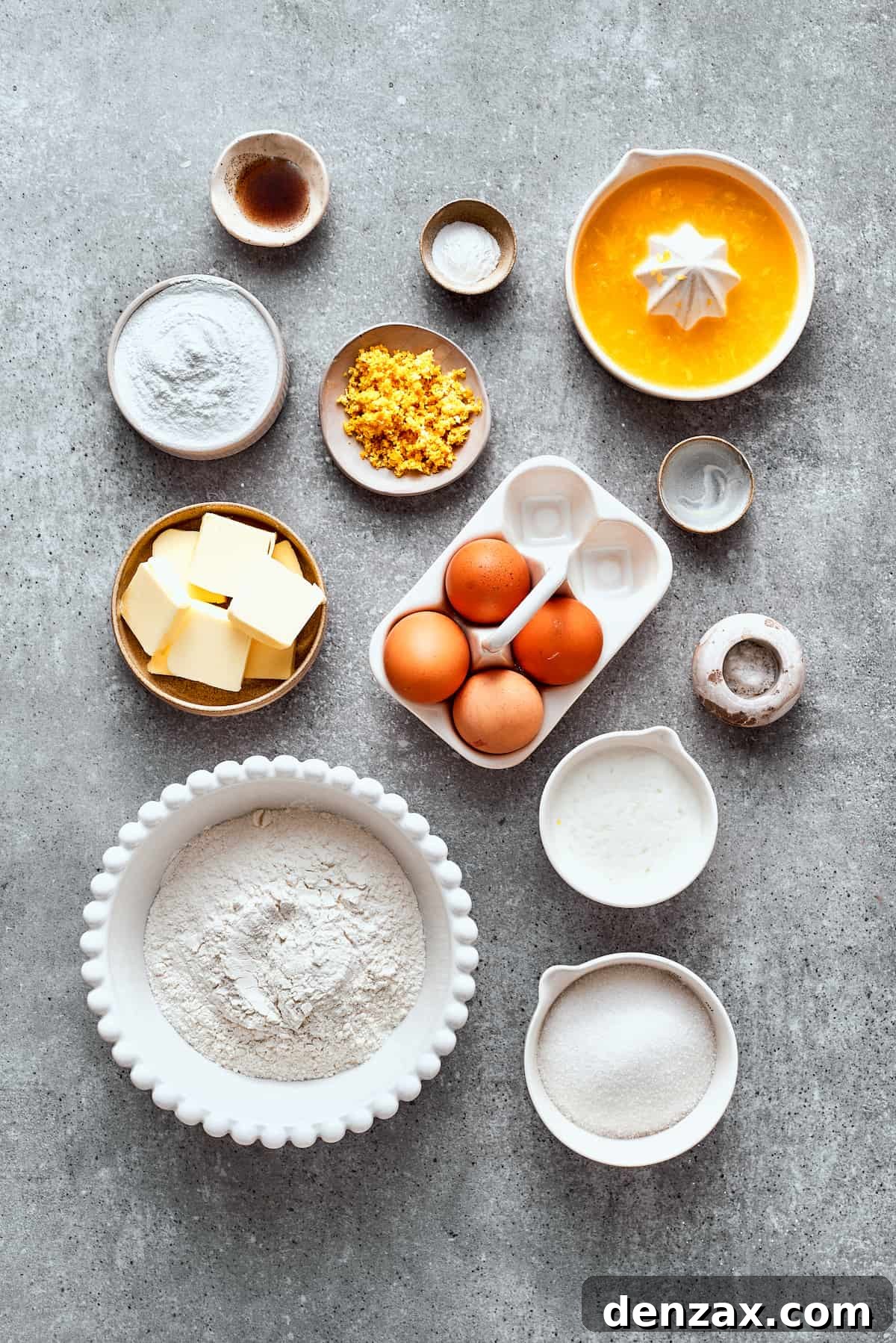
Essential Ingredients for Your Zesty Orange Cake
Crafting this moist and flavorful orange cake begins with selecting the right ingredients. Each component plays a vital role in achieving its signature taste and texture. Here’s a detailed look at what you’ll need:
- All-Purpose Flour: The foundation of our cake. Ensure accurate measurement by using the spoon and level method to avoid a dense or dry crumb.
- Baking Powder: Our primary leavening agent, responsible for giving the cake its beautiful lift and tender texture.
- Sea Salt: A touch of salt enhances all the other flavors, balancing the sweetness and brightening the citrus notes.
- Unsalted Butter: The backbone of this pound-style cake. Using unsalted butter allows you to control the overall salt content, and softening it to room temperature is crucial for a smooth batter.
- Granulated Sugar: Provides sweetness and moisture, also contributing to the tender crumb and golden crust.
- Orange Zest: The most potent source of orange flavor! Opt for organic oranges if possible, as you’ll be using the peel. The oils in the zest provide intense aromatic compounds.
- Large Eggs and One Egg Yolk: The eggs add structure and richness, while the extra egg yolk contributes to the cake’s luxurious, velvety texture and deep yellow hue. Ensure they are at room temperature for optimal emulsification.
- Buttermilk: Adds a delightful tang and reacts with the baking powder to create a softer, more tender crumb. If you don’t have buttermilk, you can easily make a substitute by adding a tablespoon of lemon juice or white vinegar to whole milk and letting it sit for 5 minutes.
- Freshly Squeezed Orange Juice: Essential for a truly authentic and vibrant orange flavor in the cake batter and for soaking. Store-bought juice can work, but fresh is undeniably superior.
- Orange Liqueur (e.g., Grand Marnier, Cointreau): An optional but highly recommended ingredient that deepens the orange flavor and adds a touch of sophisticated warmth. The alcohol bakes out, leaving only the nuanced flavor.
- Vanilla Bean Paste or Pure Vanilla Extract: While orange is the star, vanilla complements and rounds out the citrus notes beautifully. Vanilla bean paste offers a more concentrated flavor and visible specks.
- Powdered Sugar (Icing Sugar): Forms the base of our dreamy, smooth orange glaze, giving it a fine, dissolves-on-your-tongue quality.
- More Fresh Orange Juice: Used specifically for mixing with the powdered sugar to create the perfect consistency and flavor for the zesty glaze.
Step-by-Step Guide: Crafting Your Perfect Orange Loaf Cake
Creating this delightful orange cake is a straightforward process, promising delicious results. Follow these detailed steps to ensure a perfectly moist and flavorful loaf. The full, comprehensive recipe, including precise measurements, is available in the recipe card further down the page.
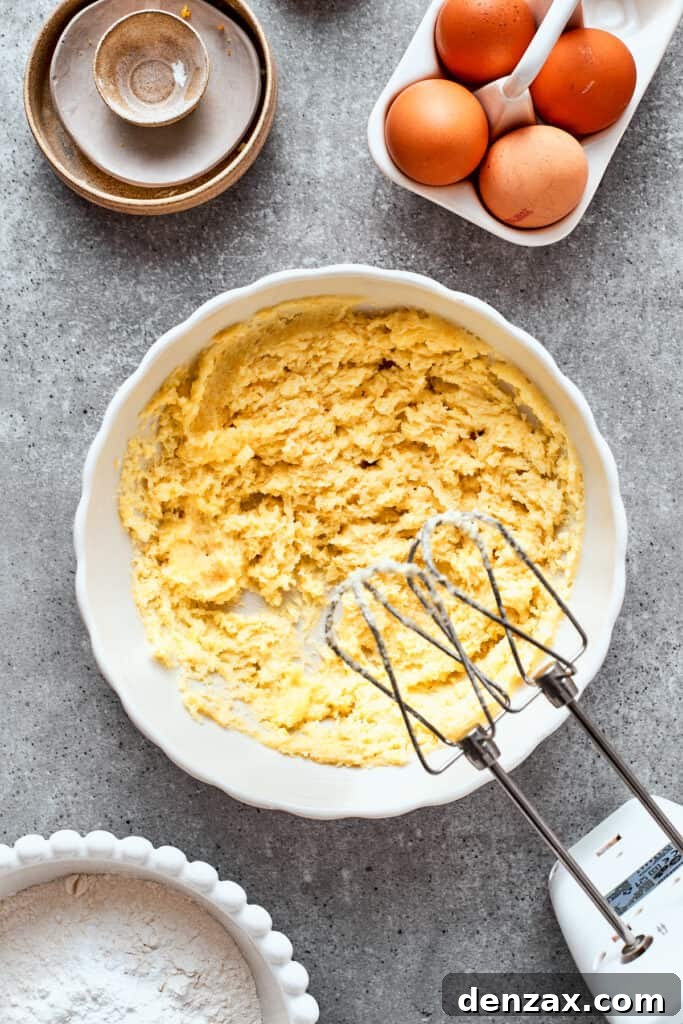
- 1. Prepare Your Baking Station: Start by preheating your oven to 350°F (175°C). Lightly grease an 8×4-inch loaf pan with butter or baking spray, then dust it evenly with a thin layer of flour, tapping out any excess. Set aside. In a separate medium bowl, sift together the all-purpose flour, baking powder, and sea salt. Sifting helps to aerate the flour and prevent lumps in your final batter.
- 2. Cream Butter, Sugar, and Zest: In a large mixing bowl, using an electric mixer, cream together the softened unsalted butter, granulated sugar, and vibrant orange zest. Beat on medium-high speed for about 4-5 minutes until the mixture becomes pale in color, light, and fluffy. This step incorporates air, which is crucial for the cake’s tender crumb.
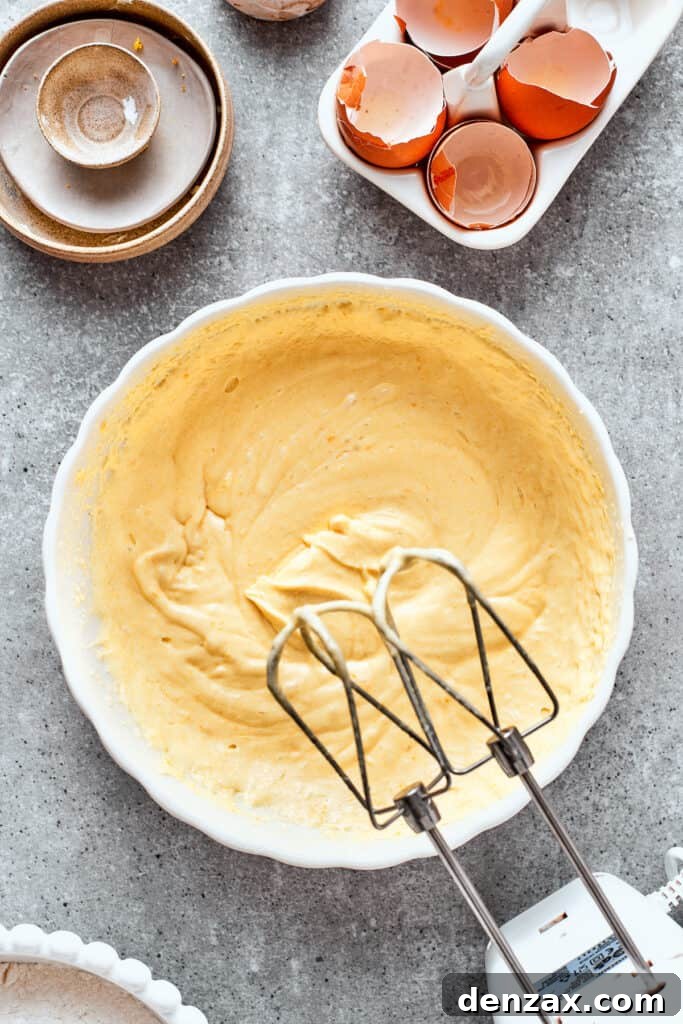
- 3. Incorporate Eggs: Reduce the mixer speed to low. Add the large eggs, one at a time, beating well after each addition until just combined. Scrape down the sides of the bowl as needed to ensure everything is fully incorporated and prevent overmixing.
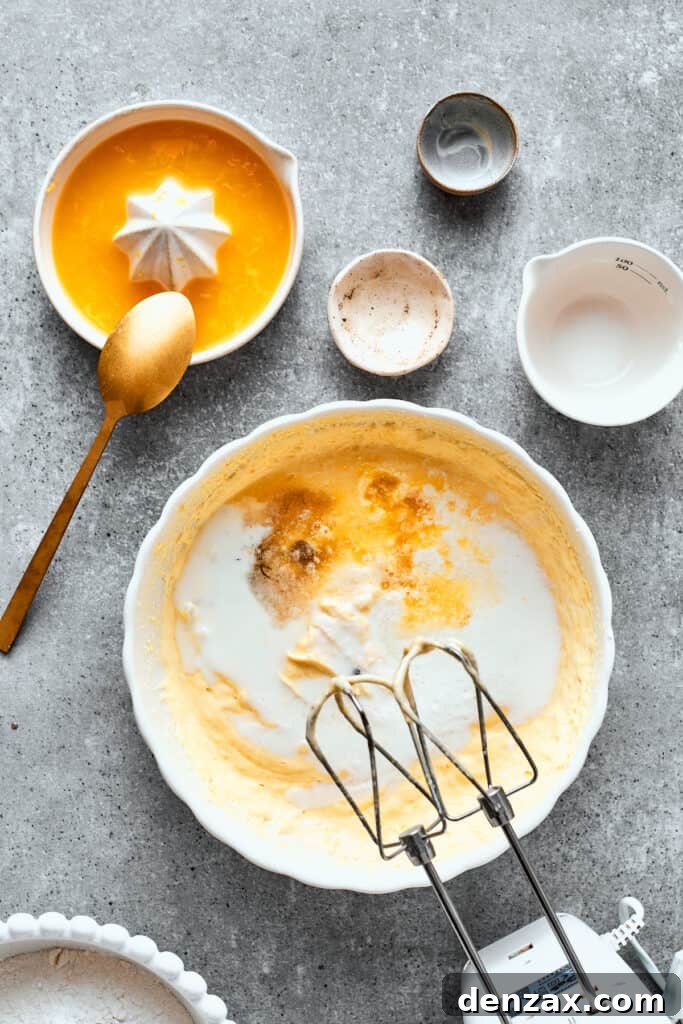
- 4. Mix in Wet Ingredients: With the mixer still on low speed, gradually add the buttermilk, fresh orange juice, orange liqueur (if using), and vanilla bean paste or extract. Mix until the liquids are just incorporated into the butter-egg mixture. The mixture might look slightly curdled at this point, which is completely normal.
- 5. Combine Wet and Dry: Slowly add the sifted dry ingredients to the wet mixture, mixing on the lowest speed of your electric mixer or by hand with a spatula. Mix only until the batter is smooth and no streaks of flour remain. Be very careful not to overmix, as this can develop the gluten too much and result in a tough, rubbery cake.
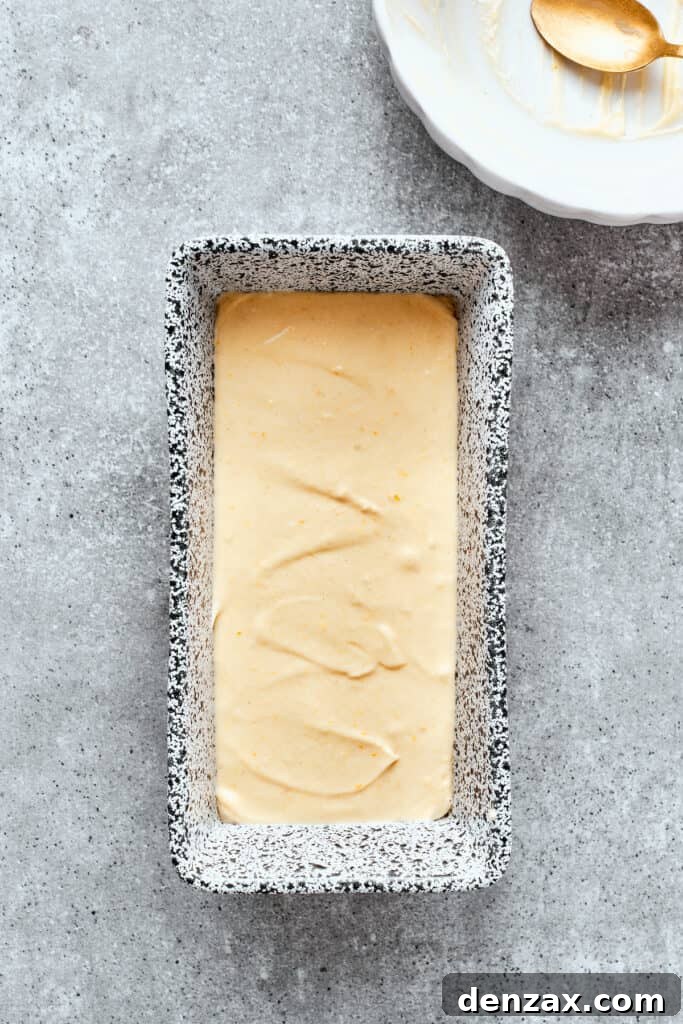
- 6. Fill the Loaf Pan: Gently pour the prepared cake batter into your greased and floured loaf pan. Use a spatula to spread the batter evenly, ensuring it reaches all corners. Lightly tap the pan on your counter a few times to release any trapped air bubbles, which helps prevent large pockets in the baked cake.
- 7. Bake to Perfection: Place the loaf pan into the preheated oven. Bake for approximately 40 to 45 minutes, or until a wooden skewer or toothpick inserted into the center of the cake comes out clean. The top should be golden brown and spring back lightly when touched.
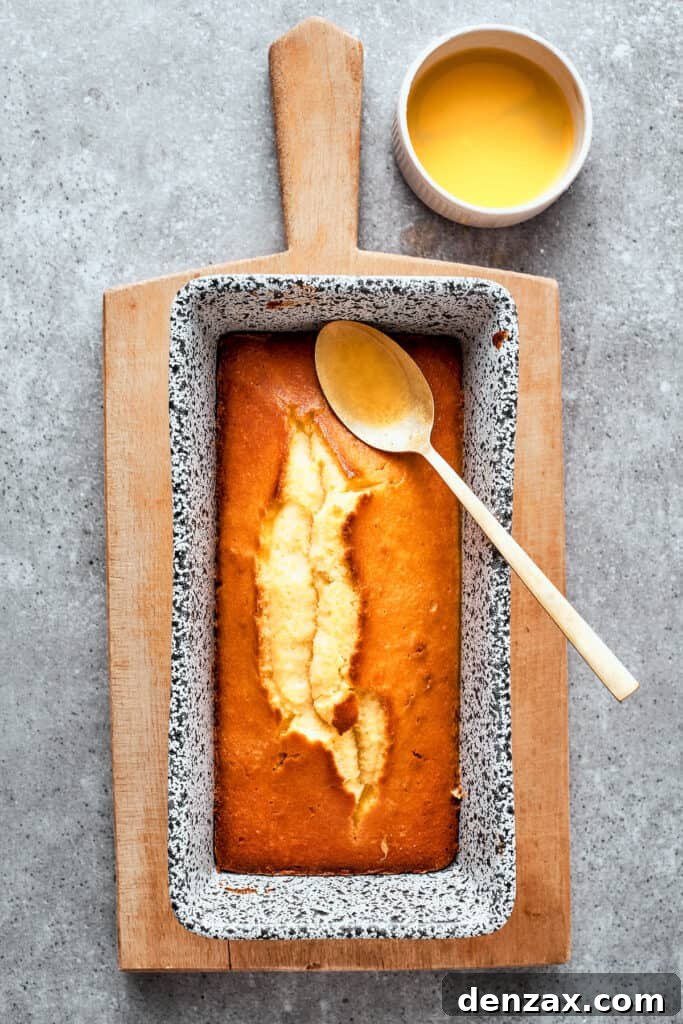
- 8. Infuse with Orange Juice: As soon as the cake comes out of the oven and while it’s still warm, use a toothpick or skewer to poke numerous small holes evenly across the entire top surface. Slowly and carefully drizzle about 1 cup of fresh orange juice over the warm cake. This step allows the cake to absorb extra moisture and orange flavor, making it incredibly tender and juicy.
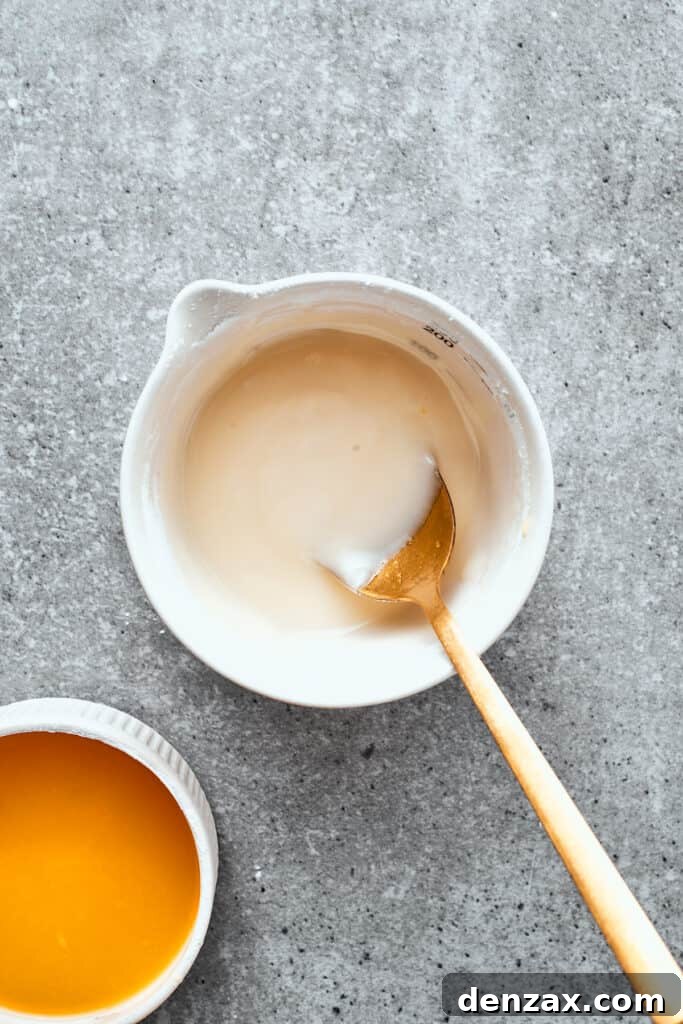
- 9. Prepare the Glaze: While the cake cools, prepare the glorious orange glaze. In a separate bowl, sift the powdered sugar to remove any lumps. Gradually add the freshly squeezed orange juice, one tablespoon at a time, stirring thoroughly after each addition. Continue until you achieve a smooth, pourable glaze consistency that isn’t too thin or thick.
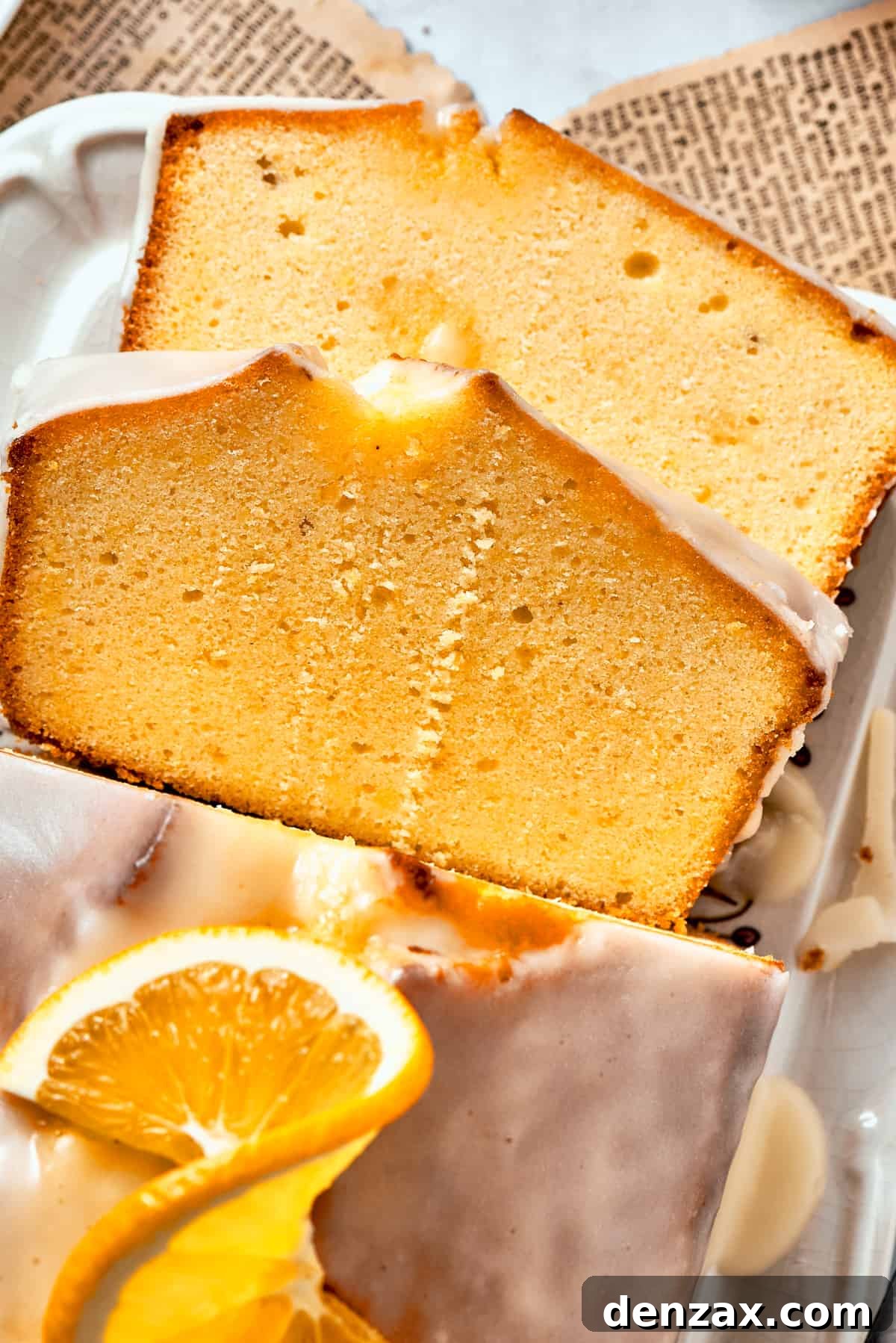
- 10. Glaze and Garnish: Allow the cake to cool completely on a wire rack before applying the glaze. Once cooled, generously drizzle the prepared orange glaze over the top of the cake, letting it cascade elegantly down the sides. For an extra touch of beauty and freshness, decorate your finished cake with thin orange slices, fresh blueberries, and a sprig of aromatic rosemary.
- 11. Serve and Enjoy: Once the glaze has set slightly, slice your magnificent orange loaf cake and serve! This cake is delightful on its own or paired with your favorite warm beverage.

Expert Tips for Orange Cake Baking Success
While this orange loaf cake recipe is wonderfully simple and forgiving, similar to a traditional pound cake, a few expert tips can ensure your creation turns out perfectly every time. These insights will help you achieve the best possible flavor and texture:
- Room Temperature Ingredients are Key: For a flawlessly smooth and emulsified batter, it’s essential to bring your butter, eggs, and buttermilk to room temperature before you begin. Room temperature ingredients combine more easily and evenly, creating a uniform batter that bakes beautifully. Test your butter: it should be soft enough to indent easily with your finger without being greasy or melted.
- Quality Butter Matters: Butter forms the foundational flavor and richness of this orange loaf cake. Investing in fresh, good-quality unsalted butter will significantly impact the overall taste and texture of your finished product. A good butter will lend a creamy, pure flavor that complements the bright citrus beautifully.
- Sift for a Silky Glaze: The orange glaze is a simple yet impactful component. To achieve a perfectly smooth, lump-free glaze that cascades beautifully over your cake, always sift the powdered sugar thoroughly before whisking in the orange juice. This extra step prevents any pesky sugar clumps from marring your glaze.
- Freshly Squeezed Juice for Superior Flavor: While store-bought orange juice can be used in a pinch, for the most vibrant, authentic, and best possible orange flavor, we highly recommend freshly squeezing your own juice. The difference in taste and aroma is truly remarkable and will elevate your cake from good to extraordinary.
- Mastering the Mix: Avoid Overmixing: Overmixing is a common pitfall that can lead to a tough or rubbery cake. Once you’ve added the dry ingredients to the wet, mix only until the batter is smooth and just combined, with no visible streaks of flour. As soon as this point is reached, turn off your mixer. Gentle mixing ensures a tender, delicate crumb.
- Bake Ahead for Enhanced Flavor: This orange cake is one of those magical desserts that actually tastes better the next day! You can comfortably bake this cake a few days before you plan to serve it. Store it covered tightly in the refrigerator. The flavors will have more time to meld and deepen, resulting in an even more delicious and cohesive taste. Remember to bring the cake back to room temperature before serving for the best experience.
- Unleash Your Inner Citrus Explorer: Variations: While this is a dedicated orange loaf cake recipe, the versatile base allows for wonderful experimentation with other citrus fruits. Feel free to substitute the orange zest and juice with equal amounts of lemon, lime, blood orange, or even tangerine. For a unique twist, you can either omit the orange liqueur entirely or keep it for a subtle, underlying orange note that complements the new citrus star.
- Proper Pan Preparation: Ensure your loaf pan is not just greased, but also floured, especially if it’s an older pan or one known for sticking. This dual-step preparation guarantees an easy release and a beautifully intact cake.
- Don’t Peek Too Early: Resist the temptation to open the oven door during the first 30 minutes of baking. Prematurely opening the oven can cause the cake to deflate and prevent it from rising properly. Trust the process and your oven’s consistent temperature.

How to Store Your Orange Cake for Lasting Freshness
Proper storage is essential to maintain the freshness and deliciousness of your orange loaf cake. Whether you plan to enjoy it over a few days or save it for later, here’s how to store it effectively:
- Countertop Storage: For enjoyment within a day or two, simply cover the cake lightly with aluminum foil or plastic wrap, or place it in an airtight container. Keep it at room temperature on your kitchen counter. This method is best for short-term freshness.
- Refrigerator Storage: To extend its freshness, place the cake in an airtight container or wrap it securely in plastic wrap, then foil. Store it in the refrigerator for up to 1 week. The cool environment helps preserve its moisture and prevents spoilage.
- Freezing for Long-Term Storage: This orange cake freezes beautifully! You have two options for freezing:
- Whole Loaf: For the entire loaf, wrap the cooled cake tightly in plastic wrap, ensuring no air gaps. Then, wrap it again securely in aluminum foil. Place the double-wrapped cake in a freezer-safe bag or container. It can be stored in the freezer for up to 3 months.
- Individual Slices: For convenient single servings, wrap individual slices of cake tightly in plastic wrap. Then, place these wrapped slices into a freezer-safe, sealable bag or container. Store them in the freezer for up to 3 months.
To thaw, simply transfer the frozen cake (whole or slices) to the refrigerator and let it thaw completely overnight before serving. Bring it to room temperature before eating for the best texture and flavor.

Pin
Orange Cake
Ingredients
For the cake:
- 2 cups all-purpose flour
- 1 teaspoon baking powder
- ½ teaspoon sea salt
- 1 cup unsalted butter, softened at room temperature
- 1 cup granulated sugar
- 4 tablespoons orange zest
- 3 large eggs, at room temperature
- 1 egg yolk
- ½ cup buttermilk
- 3 tablespoons orange juice
- 1 tablespoon orange liqueur
- 1 teaspoon vanilla bean paste, or pure vanilla extract
- 1 cup orange juice, for soaking the cake before glazing
Orange glaze:
- 1 cup powdered sugar
- 3 tablespoons freshly squeezed orange juice
Instructions
For the Cake
-
Preheat the oven to 350°F (175°C). Grease an 8×4-inch loaf pan with butter and dust it with flour. Set aside.
-
In a medium-sized bowl, sift together the all-purpose flour, baking powder, and sea salt. Set aside.
-
In a large mixing bowl, use an electric mixer to cream together the softened butter, granulated sugar, and orange zest until light and fluffy. This process should take approximately 4 to 5 minutes.
-
Reduce the speed of the electric mixer to low and add the eggs, one by one, beating well after each addition.
-
Then, add the buttermilk, orange juice, orange liqueur, and vanilla; continue to mix until incorporated.
-
Gradually add the sifted dry ingredients to the wet mixture, mixing well with a spatula or an electric mixer on low speed to get a nice, smooth mixture. Be careful not to overmix to maintain the cake’s light texture.
-
Pour the batter into the greased loaf pan, spreading it evenly. Tap the pan gently on the counter to remove any air bubbles.
-
Bake in the preheated oven for 40 to 45 minutes or until a toothpick inserted into the center comes out clean.
-
Once the cake is baked and out of the oven, but it’s still warm, use a toothpick or skewer to poke holes over the whole top surface. Slowly drizzle the fresh orange juice over the cake, then transfer the cake from the loaf pan to a wire rack to cool completely.
For the Orange Glaze
-
Strain the freshly squeezed orange juice through a sieve to remove any pulp.
-
In a separate bowl, sift the powdered sugar. Gradually add the orange juice to the powdered sugar, spoon by spoon, stirring thoroughly between each addition. Stir until well combined, achieving a smooth glaze.
-
Once the cake has cooled completely, drizzle the orange glaze over the top, allowing it to cascade down the sides.
-
Optional: Decorate with fresh sliced oranges, fresh blueberries, sprig of rosemary, etc.
-
Cut and Serve.
Equipment
-
Measuring Cups and Spoons
-
Mixing Bowls
-
Electric Mixer
-
Cooling Wire Rack
Notes
- Room-Temperature Ingredients: For a smooth batter, use room-temperature butter, eggs, and buttermilk.
- Sift Powdered Sugar: To get a lump-free glaze, sift the powdered sugar before adding orange juice.
- Fresh Orange Juice: If possible, use freshly squeezed juice for the best flavor, though store-bought is okay to use.
- Avoid Overmixing: Mix just until the batter is smooth and streak-free to prevent a rubbery texture.
- Make Ahead: Bake the cake in advance and store it covered in the fridge. Serve at room temperature.
- Experiment with Citrus: Try lemon, lime, blood orange, or tangerine instead of orange.
- Storage Tips: Store the cake covered at room temperature for 2 days or refrigerate for up to 7 days. Freeze the whole loaf or slices, wrapped in plastic and foil, for up to 3 months. Thaw in the fridge before serving.
Nutrition
Nutritional info is an estimate and provided as courtesy. Values may vary according to the ingredients and tools used. Please use your preferred nutritional calculator for more detailed info.
Frequently Asked Questions (FAQ) About Orange Loaf Cake
Here are some common questions and helpful answers to ensure your orange cake baking experience is a breeze:
Can I use regular milk instead of buttermilk?
Yes, you can substitute regular whole milk for buttermilk. However, for the best tender crumb and slight tang, buttermilk is highly recommended. If you don’t have buttermilk, you can easily make a substitute: add 1 tablespoon of lemon juice or white vinegar to a measuring cup, then fill it with whole milk to the ½-cup line. Let it sit for 5-10 minutes until it slightly curdles before using.
Is orange liqueur essential, or can I skip it?
Orange liqueur, such as Grand Marnier or Cointreau, is not strictly essential, but it greatly enhances the depth and complexity of the orange flavor in the cake. If you prefer to omit it for dietary reasons or simply don’t have it on hand, you can substitute it with an equal amount of fresh orange juice or even a little extra vanilla extract. The cake will still be delicious!
How do I know when my orange cake is fully baked?
The best way to tell if your orange cake is done is to insert a wooden skewer or toothpick into the very center of the loaf. If it comes out clean, with no wet batter attached, your cake is ready. The top of the cake should also be golden brown and spring back gently when lightly pressed.
Can I make this cake gluten-free?
While this recipe uses all-purpose flour, you can often adapt it to be gluten-free by using a good quality 1:1 gluten-free baking flour blend that contains xanthan gum. Ensure your blend is specifically designed for baking and follow the package instructions, as some blends may require slight adjustments to liquid or baking time.
Discover More Delightful Cake Recipes
If you loved baking and enjoying this zesty orange cake, you might be interested in exploring other delicious cake creations. Expand your baking horizons with these fantastic recipes:
- Decadent Chocolate Eclair Cake
- Sweet and Fluffy Strawberry Cupcakes
- Bright and Tangy Lemon Bundt Cake
- Classic Red Velvet Cake with Cream Cheese Frosting
- Effortlessly Easy Chocolate Cake