
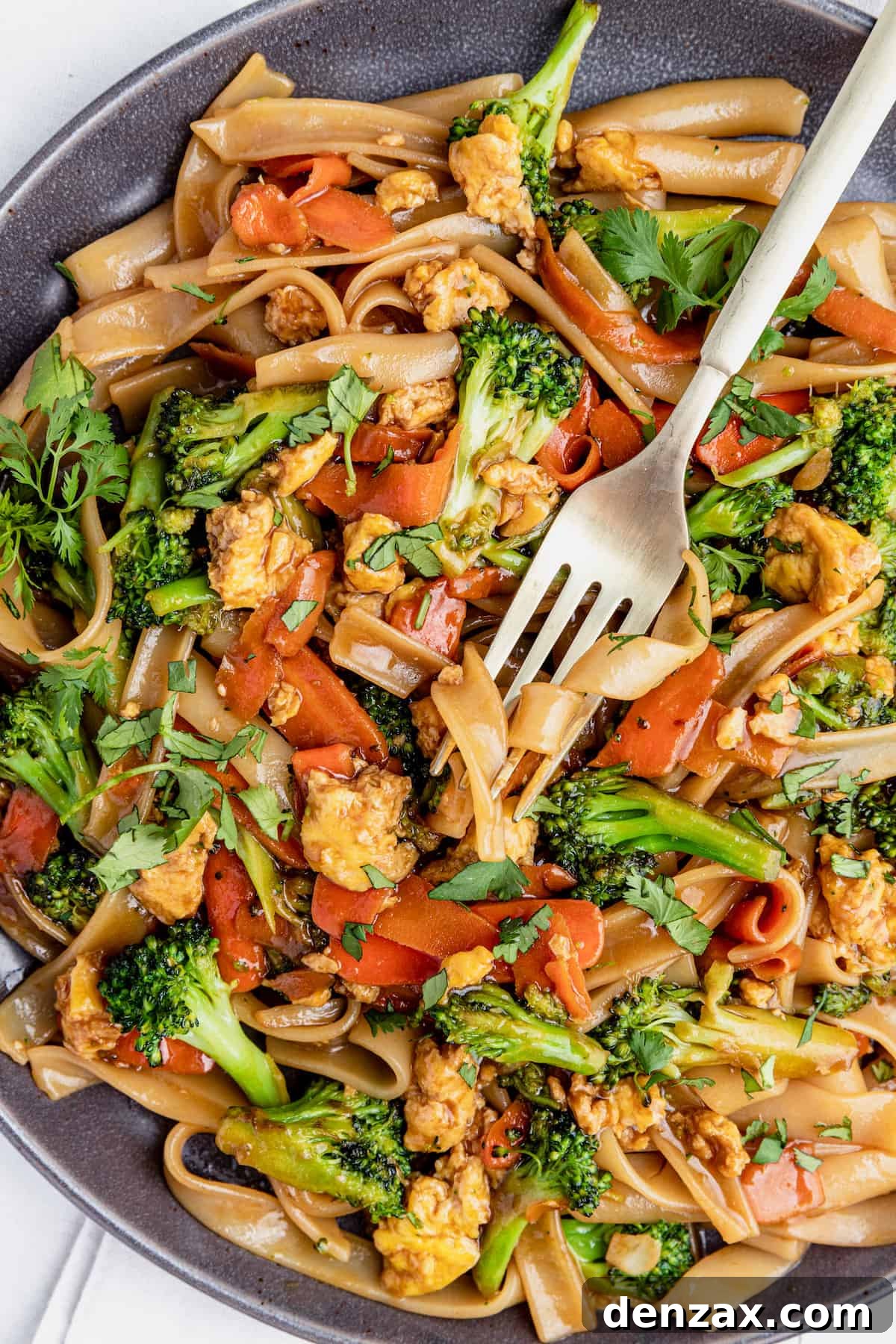
Unlock the rich, authentic flavors of Thailand right in your own kitchen with this incredibly easy Homemade Pad See Ew recipe. A symphony of sweet, salty, and tangy notes, this beloved Thai stir-fried noodle dish transforms simple ingredients like wide rice noodles, tender broccoli, and scrambled eggs into an unforgettable culinary experience that will have you craving it daily. Forget takeout – your new favorite weeknight meal awaits!
Why You’ll Love This Easy Pad See Ew Recipe
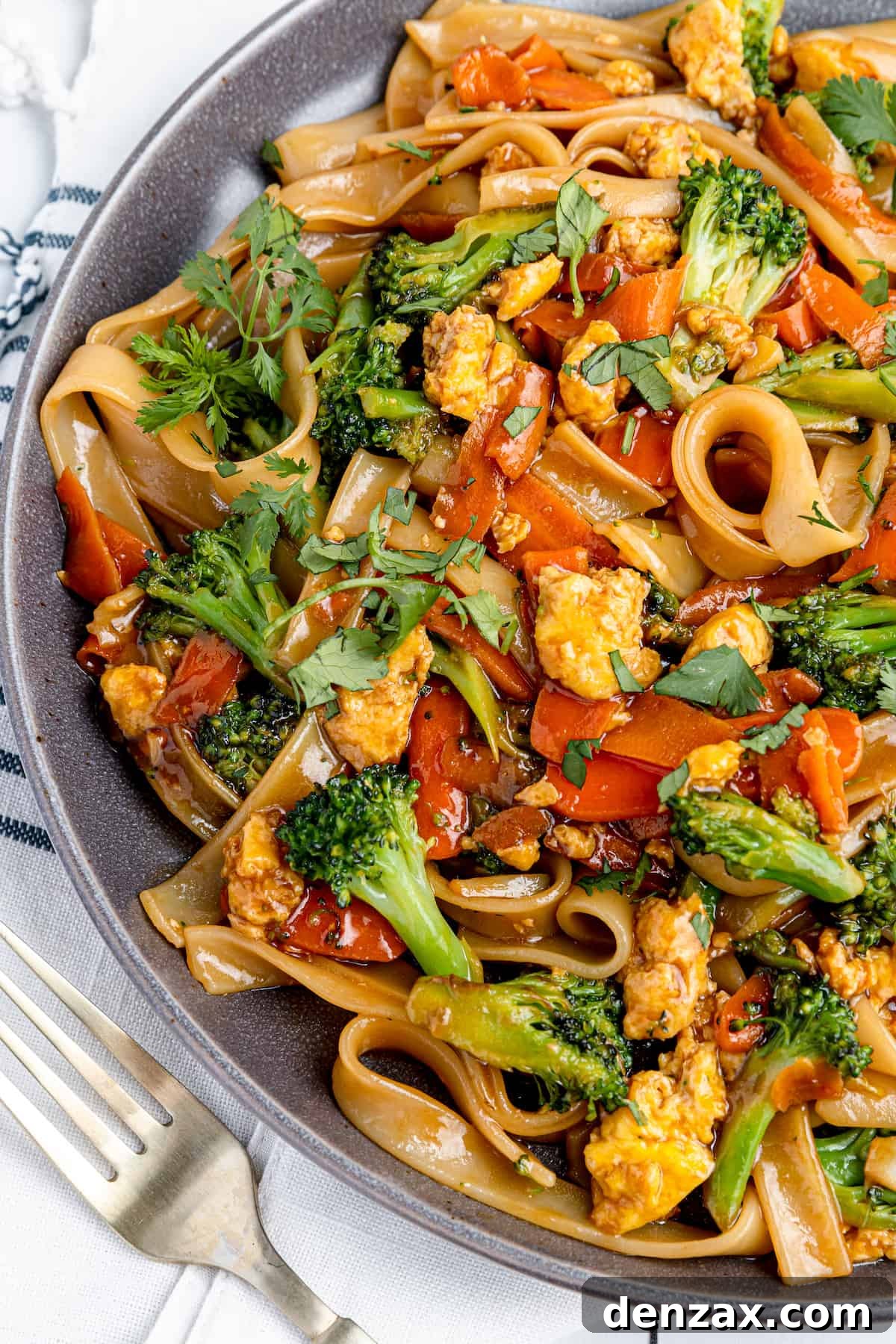
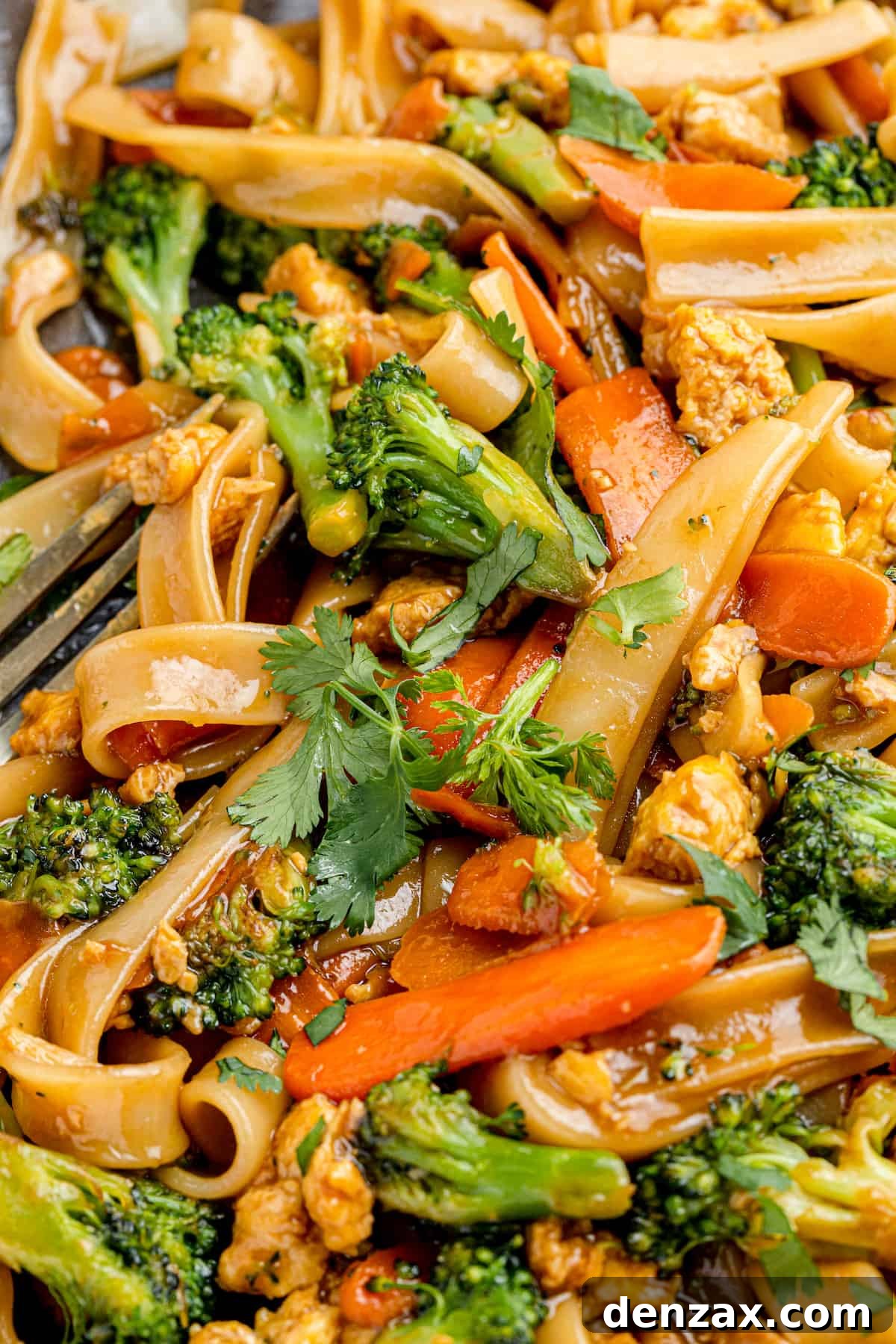
There’s something truly magical about Thai cuisine, and Pad See Ew (pronounced Pat-See-You) stands out as a comforting, flavorful, and remarkably easy-to-make dish. This isn’t just another noodle recipe; it’s a culinary journey that transports your taste buds to the bustling streets of Thailand with every savory bite. We’re talking about broad, chewy rice noodles enveloped in a glossy, umami-rich sauce, perfectly balanced with the crunch of fresh Chinese broccoli (or regular broccoli florets) and fluffy scrambled eggs.
What makes this particular Pad See Ew recipe a must-try? It strikes the perfect balance between authenticity and approachability. You don’t need a professional wok or years of experience to achieve that signature “wok char” and irresistible caramelized flavor. Plus, it’s a versatile dish that can be customized with your favorite protein, making it an ideal choice for any dinner occasion. Even picky eaters often find themselves reaching for seconds, thanks to the harmonious blend of familiar ingredients coated in an incredibly addictive brown sauce. Prepare to make this a regular in your rotation!
What is Pad See Ew? Unveiling a Thai Street Food Classic
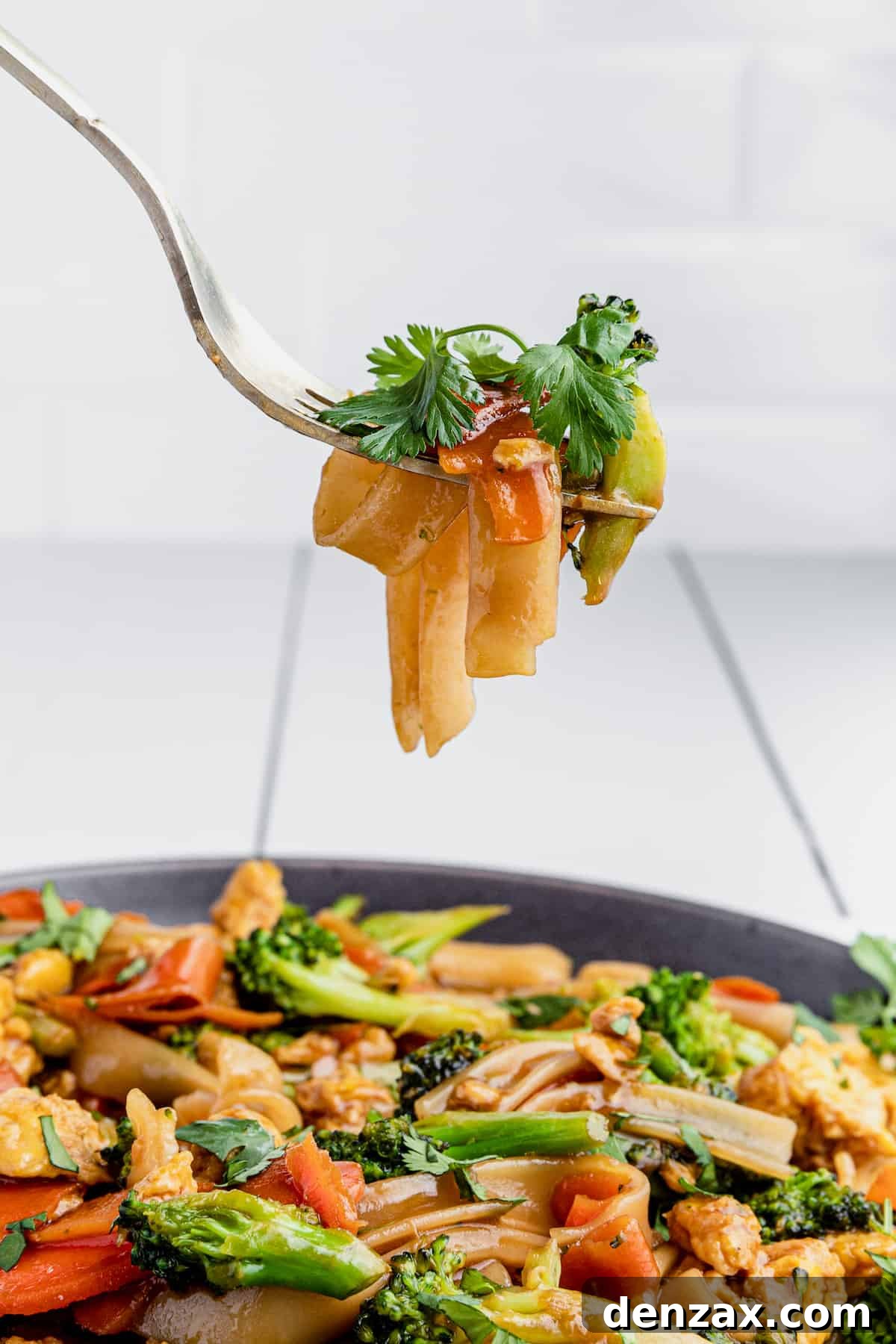
Pad See Ew is a revered Thai street food staple, globally recognized for its comforting appeal and distinctive flavor profile. The name itself, “Pad See Ew,” literally translates to “fried with soy sauce,” perfectly encapsulating the essence of this delightful dish. Originating from Chinese stir-frying techniques adapted with Thai ingredients and culinary sensibilities, it has become one of Thailand’s most popular noodle dishes, rivaling even Pad Thai in its widespread appeal.
At its core, Pad See Ew features wide, flat rice noodles (sen yai) stir-fried with Chinese broccoli (gai lan), scrambled egg, and often a choice of meat like chicken or pork, all brought together by a rich, savory sauce. This sauce is typically a blend of dark and light soy sauces, oyster sauce, and a touch of vinegar and sugar, creating the characteristic sweet, savory, and slightly tangy flavor profile.
The defining characteristic and perhaps the most sought-after element of an authentic Pad See Ew is the “wok char” or “wok hei.” This refers to the smoky, slightly charred flavor and aroma imparted to the noodles and other ingredients when cooked quickly at very high heat in a well-seasoned wok. It results in beautifully caramelized noodles with crispy edges and a depth of flavor that can’t be replicated by simply boiling or lightly frying. Our recipe guides you on how to achieve a fantastic approximation of this professional technique using a heavy skillet or home wok, ensuring your homemade Pad See Ew is nothing short of delicious.
While commonly enjoyed with scrambled eggs for protein, it’s also frequently served with a spicy chili vinegar on the side, allowing diners to adjust the heat to their preference. Its straightforward yet profoundly satisfying nature makes Pad See Ew a universal crowd-pleaser and a true testament to the beauty of Thai stir-fry cuisine.
The Essential Ingredients for Authentic Pad See Ew
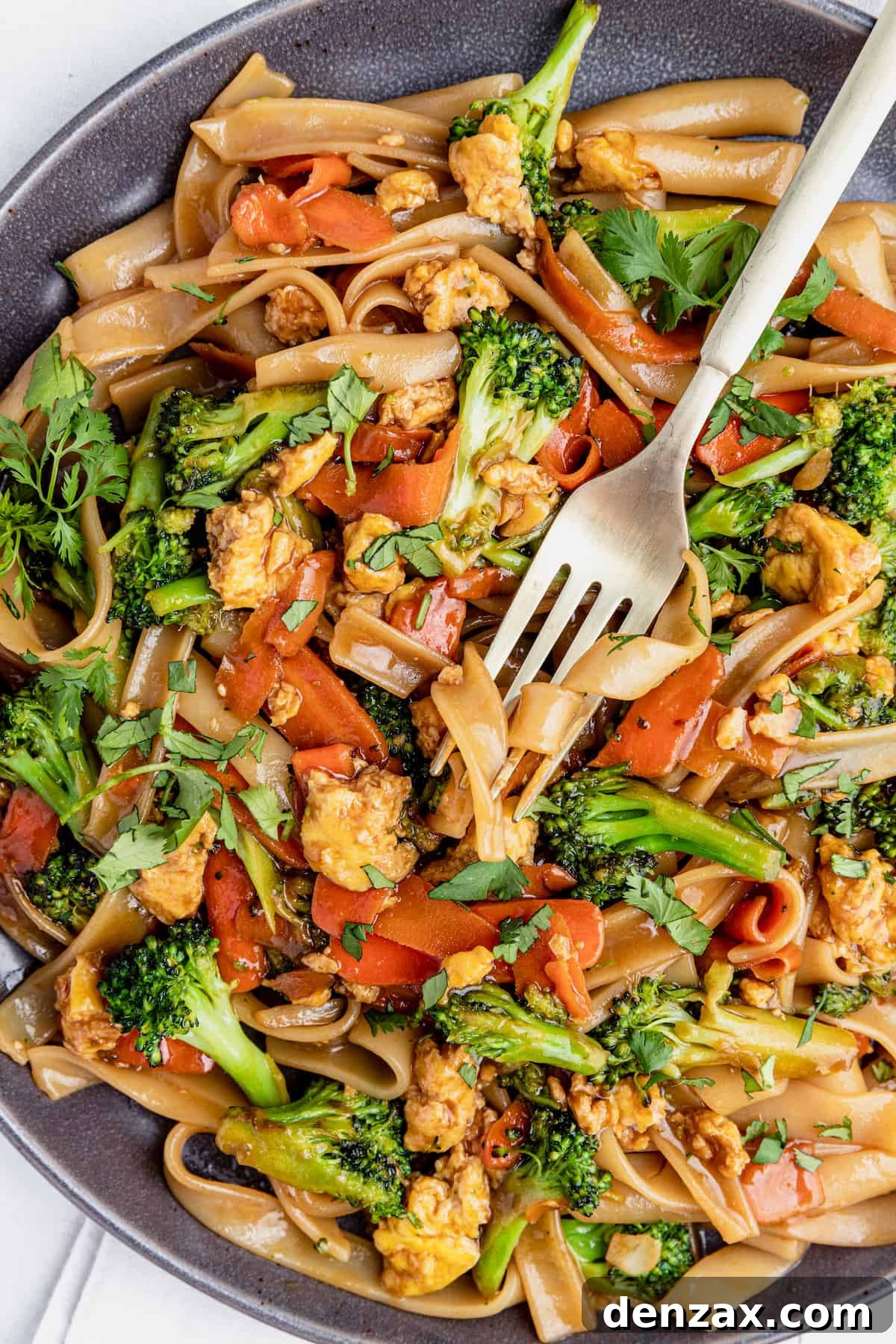
One of the best things about Pad See Ew is that, despite its exotic flavors, most ingredients are now readily available at major grocery stores or Asian markets. We’ve broken down what you’ll need to create this amazing dish, offering tips for selection and substitution.
For the Pad See Ew Stir-Fry
- Wide, Flat Rice Noodles: Authentic Pad See Ew calls for “sen yai” noodles, which are broad and flat. These absorb the sauce beautifully and provide that signature chewy texture. If you can’t find them fresh, dried wide rice noodles work well. As an easy substitute, flat pad Thai noodles will also yield delicious results, though they might be slightly narrower.
- Olive Oil: A good quality olive oil or other neutral high-heat cooking oil like avocado or coconut oil is perfect for stir-frying. It ensures even cooking and prevents sticking.
- Fresh Garlic: Minced garlic is non-negotiable for that aromatic base. Freshly minced cloves offer a far superior flavor to pre-packaged options. Don’t skimp on this!
- Large Eggs: Beaten eggs add a wonderful protein element and a soft, fluffy texture that complements the noodles and vegetables.
- Broccoli: Traditionally, Chinese broccoli (gai lan) with its slightly bitter notes and tender stems is used. If unavailable, regular broccoli florets, chopped into bite-sized pieces, are an excellent and accessible substitute. Ensure they are fresh and crisp.
- Carrots: Thinly sliced or julienned carrots add a pop of color, a touch of sweetness, and a pleasant crunch to the dish. Matchsticks are ideal for quick cooking.
- Fresh Cilantro: While optional, a sprinkle of fresh chopped cilantro at the end adds a bright, herbaceous garnish that enhances the overall presentation and flavor.
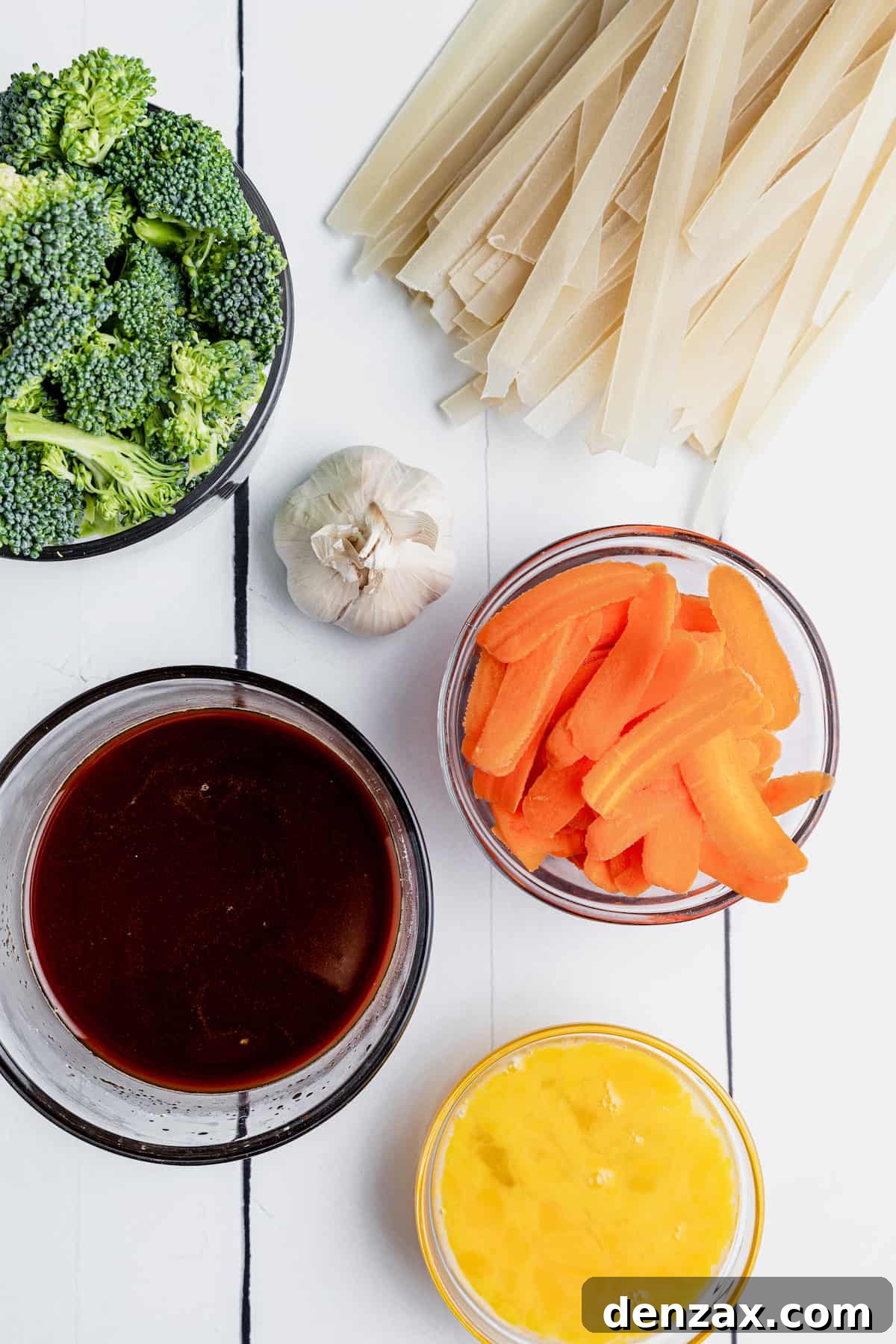
Crafting the Perfect Pad See Ew Sauce
The sauce is the heart and soul of Pad See Ew, responsible for its distinctive sweet, salty, and tangy profile. Mixing these ingredients ahead of time ensures a smooth, seamless stir-fry process.
- Oyster Sauce: This thick, dark condiment is key for a rich, umami depth. It brings a savory sweetness and characteristic gloss to the sauce. Don’t skip it!
- Olive Oil (for sauce): A small amount is used in the sauce mixture itself, helping to emulsify and enrich the blend.
- Soy Sauce: Low-sodium soy sauce is recommended to control the overall saltiness, allowing the other flavors to shine. For gluten-free options, tamari or coconut aminos work beautifully.
- Dark Brown Sugar: Dark brown sugar provides a molasses-rich sweetness and contributes to the beautiful caramelization and dark color of the noodles. Honey or pure maple syrup can be used as alternatives for a slightly different flavor.
- Rice Wine Vinegar: This light, slightly sweet, and delicate vinegar provides the essential tangy counterpoint, balancing the sweetness and richness of the other sauce ingredients. It’s also a fantastic pantry staple for other Asian dressings and marinades.
- Arrowroot Powder or Cornstarch: A small amount of either thickener is crucial for giving the sauce its desirable velvety consistency, allowing it to cling perfectly to the noodles and vegetables.
Step-by-Step: How to Make Pad See Ew at Home
Creating this Thai street food classic is surprisingly straightforward. The key lies in proper preparation and executing the stir-fry steps in the right order. With your ingredients prepped (mise en place!), you’ll have a restaurant-quality meal on your table in under 40 minutes.
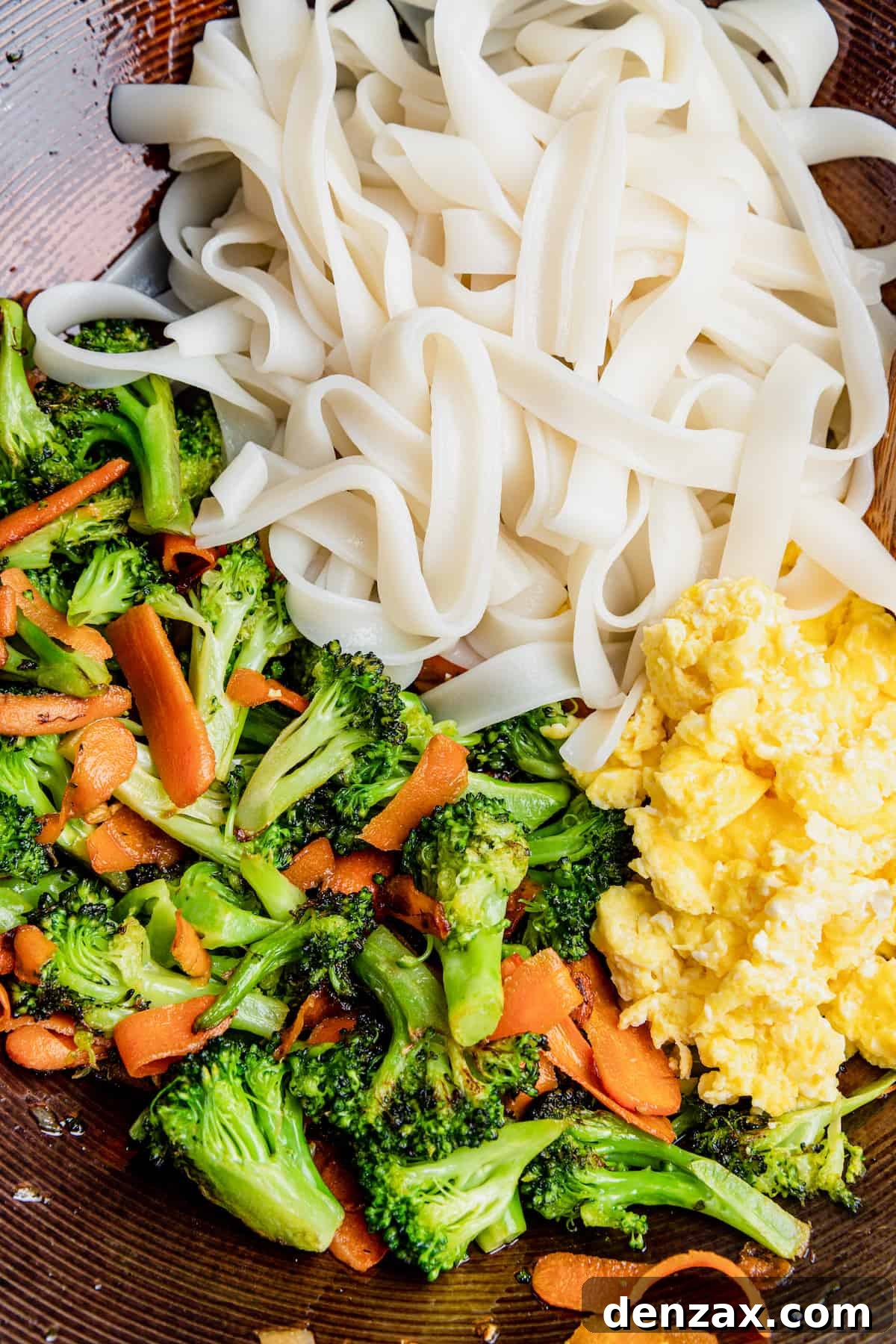
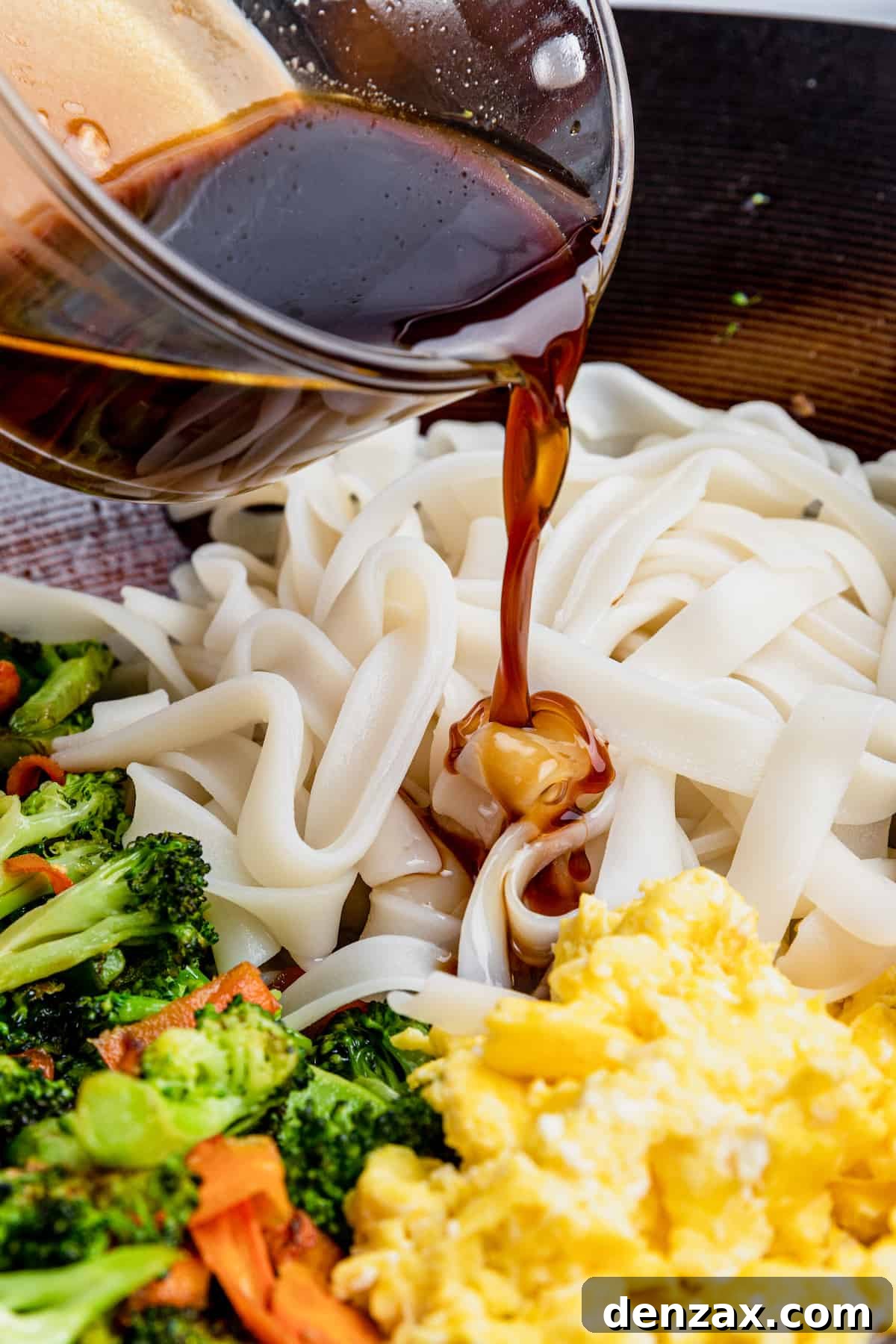
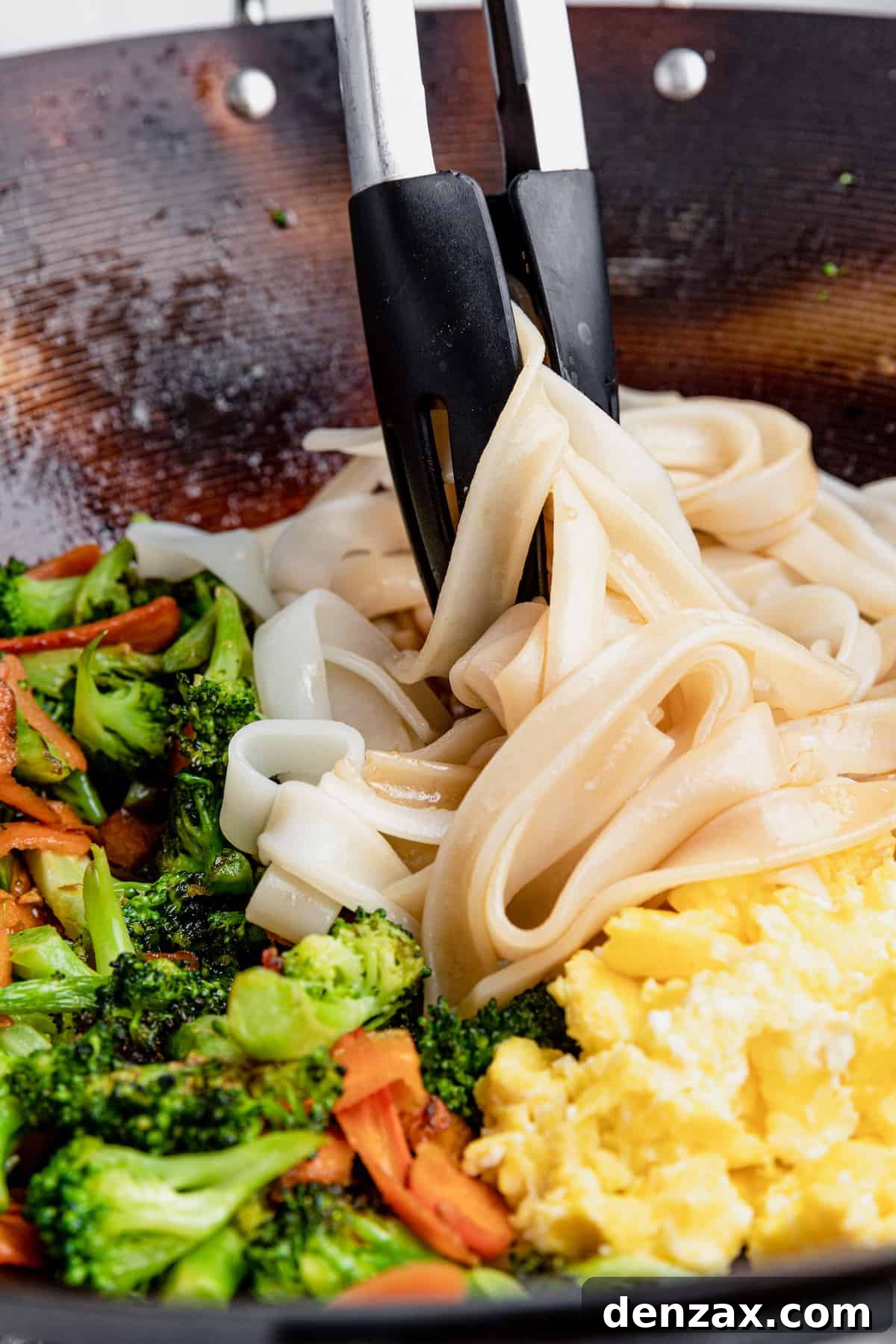
- Prepare the Sauce: In a small bowl, whisk together all the sauce ingredients: oyster sauce, olive oil, low-sodium soy sauce, dark brown sugar, rice wine vinegar, and arrowroot powder or cornstarch. Mix thoroughly until the sugar is dissolved and the sauce is smooth. Set aside.
- Cook the Noodles: Bring a medium pot of water to a rolling boil. Add the wide rice noodles and cook according to package directions until al dente. Rice noodles cook quickly, so watch them carefully to avoid overcooking. Drain immediately and rinse briefly with cool water to prevent sticking, then set aside.
- Sauté the Vegetables: Heat two tablespoons of olive oil in a large wok or heavy skillet over medium-high heat. Once shimmering, add the minced garlic and sauté for about 20-30 seconds until fragrant. Be careful not to burn it. Add the chopped broccoli florets and sliced carrots to the wok. Stir-fry for 8 minutes, or until the vegetables are tender-crisp. Stir frequently to ensure even cooking.
- Add the Eggs: Push the cooked vegetables to one side of the wok, creating an empty space. Pour the beaten eggs into the empty side and scramble them, breaking them into small pieces as they cook. Once cooked, gently combine them with the vegetables.
- Toss in Noodles and Sauce: Add the drained rice noodles and the prepared sauce mixture to the wok with the vegetables and eggs. Using tongs or two spatulas, gently toss everything together to coat the noodles evenly with the sauce. Continue cooking for 1 to 2 minutes, allowing the noodles to caramelize slightly on the hot surface of the wok. Avoid stirring constantly during this stage; let the noodles sit against the heat for short intervals to develop that desirable “wok char.”
- Serve Immediately: Transfer your freshly cooked Pad See Ew to individual bowls or a large serving platter. Garnish with fresh chopped cilantro, if using, for an extra burst of freshness. Serve hot and enjoy the incredible flavors!
Expert Tips for Pad See Ew Success
Ready to make your Pad See Ew truly shine? Follow these expert tips for a stir-fry that tastes like it came straight from a Thai kitchen:
- Achieve the Wok Char: The secret to authentic Pad See Ew lies in caramelizing the noodles. If your wok or pan is small, cook in batches to avoid overcrowding. This ensures the noodles get enough direct contact with the hot surface to develop that smoky, slightly charred “wok hei” flavor, rather than just steaming. Use high heat and let the noodles sit undisturbed for 30-60 seconds before tossing.
- Mise en Place is Key: Stir-frying is a fast cooking method, so having all your ingredients prepped, chopped, and measured before you start cooking is crucial. This includes mixing the sauce, cooking the noodles, and preparing the vegetables. This way, you can add everything at the right moment without scrambling.
- Add Protein for a Heartier Meal: While delicious as is, Pad See Ew is incredibly versatile. Feel free to toss in some thinly sliced cooked chicken breast, shrimp, beef, or pork at the end, just before adding the noodles and sauce. For vegetarian options, pan-fried tofu or tempeh are fantastic additions. Ensure any raw meat is thinly sliced and cooked through before adding other components.
- Balance Flavors with Garnishes: Thai cuisine is celebrated for its balance of sweet, sour, salty, and spicy. To enhance this, offer optional garnishes like chopped peanuts for crunch, sliced green onions for a mild oniony bite, or a drizzle of chili vinegar (chopped bird’s eye chilies soaked in rice wine vinegar) for a fiery kick. A squeeze of fresh lime juice can also brighten the flavors.
- Don’t Overcook the Noodles: Rice noodles can become mushy if overcooked. Cook them just until al dente according to package instructions, as they will continue to cook briefly in the wok. Draining and rinsing them quickly helps stop the cooking process.
Customizing Your Pad See Ew: Variations & Additions
Pad See Ew is a wonderfully adaptable dish, making it easy to tailor to your taste preferences or what you have on hand. Here are some ideas for customizing your next batch:
- Protein Power-Ups: Elevate your meal by adding your favorite protein. Thinly sliced chicken breast, succulent shrimp, tender beef sirloin, or marinated pork loin are common choices. For a vegetarian twist, pan-fried extra-firm tofu or tempeh absorb the sauce beautifully. Remember to cook your chosen protein mostly through before adding the vegetables.
- Vegetable Medley: While broccoli is traditional, feel free to incorporate other quick-cooking vegetables. Bell peppers (red, yellow, or orange) add sweetness and color, snap peas offer a delightful crunch, mushrooms bring an earthy umami, and baby corn adds texture. Add them alongside or slightly after the broccoli, depending on their cooking time.
- Spice It Up: If you enjoy a bit of heat, you have several options. Add a pinch of red chili flakes to the wok with the garlic, or drizzle some sriracha over the finished dish. For a more authentic Thai heat, serve with a side of fresh, finely chopped bird’s eye chilies (or serranos) mixed with a splash of fish sauce and lime juice.
- Dietary Adjustments: This recipe can easily be made gluten-free by using tamari instead of soy sauce and ensuring your oyster sauce is gluten-free (some brands offer this, or you can use a mushroom-based “oyster” sauce alternative). For a fully vegan version, substitute the eggs with pan-fried tofu or additional vegetables, and use a vegetarian mushroom stir-fry sauce in place of oyster sauce.
Serving Suggestions to Complete Your Thai Feast
Pad See Ew is a satisfying meal on its own, but pairing it with a few complementary dishes can elevate your dinner into a truly memorable Thai feast. Here are some delicious ideas:
- Alongside Chicken: Juicy Cajun chicken thighs might seem unconventional, but the savory, slightly spicy notes can create an intriguing fusion experience. Alternatively, simple grilled or baked chicken satay skewers with peanut sauce are a classic Thai pairing.
- Crispy Appetizers: For a delightful textural contrast, serve your Pad See Ew with Shrimp Tempura or classic spring rolls. The crispiness of these appetizers perfectly complements the soft, chewy noodles.
- Comforting Soups: A light, warm soup provides a soothing counterpoint. Egg Drop Soup adds a cozy, familiar touch, while a clear vegetable broth or a Tom Kha Gai (coconut chicken soup) would offer a more authentic Thai experience.
- Hands-On Fun: Make dinner an interactive family event by serving Chicken Potstickers or dumplings alongside the noodles. Everyone loves dipping and sharing!
- Simple Greens: A fresh, crisp cucumber salad with a light vinegar dressing can add a refreshing element that cleanses the palate between bites of the rich noodle dish.
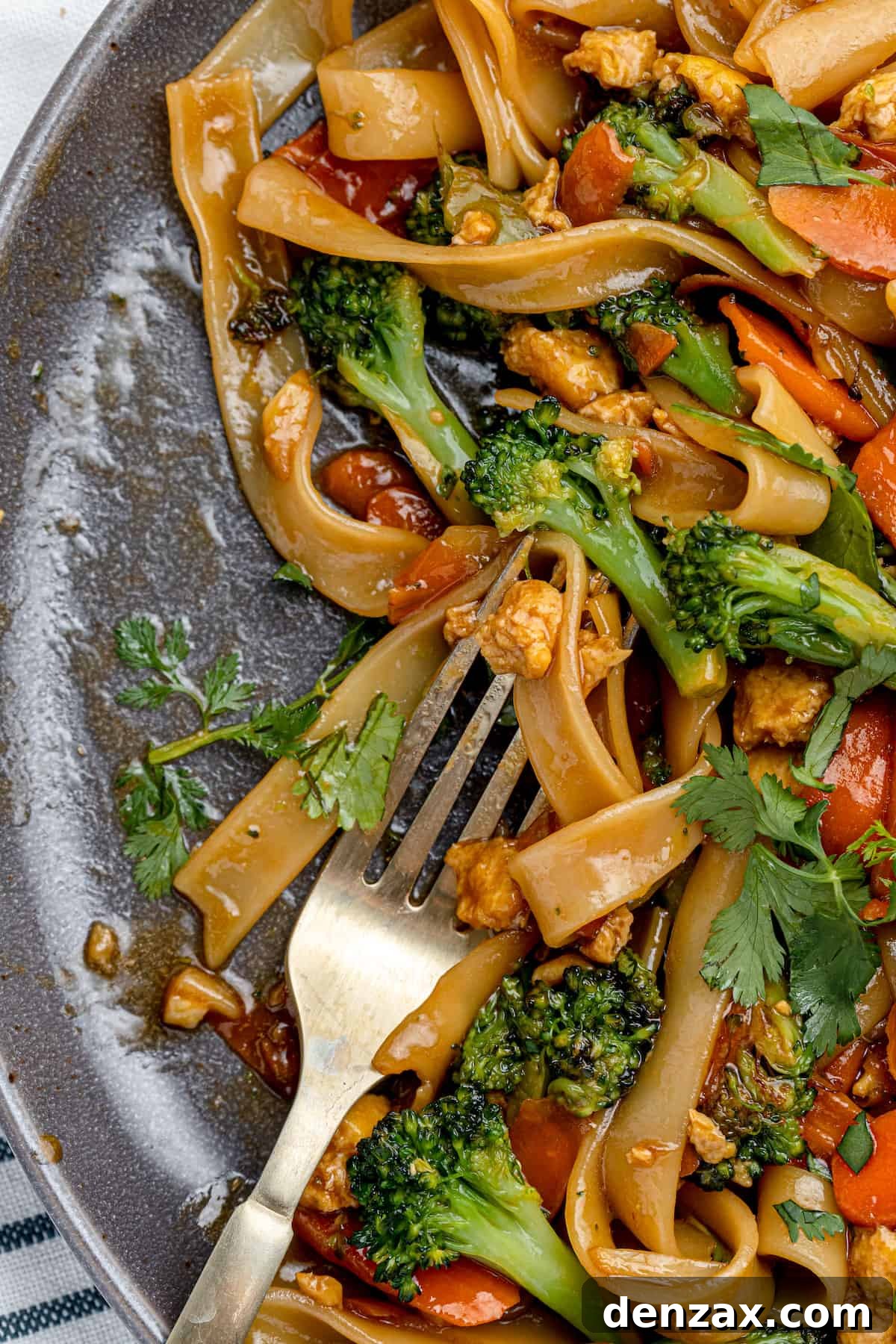
Pad See Ew
By Katerina | Easy Weeknight Recipes
The triple delight of a sweet, salty, and tangy sauce takes rice noodles, broccoli, and scrambled eggs to a whole new level in this easy Pad See Ew!
Prep Time: 10 minutes
Cook Time: 30 minutes
Total Time: 40 minutes
Servings: 4
Ingredients
For the Pad See Ew
- 10 ounces flat wide rice noodles, or substitute flat pad Thai noodles
- 2 tablespoons olive oil
- 4 cloves garlic, minced
- 2 large eggs, beaten
- 2 cups broccoli florets, chopped (or substitute Chinese broccoli, if available)
- ½ cup carrot shreds or very thinly sliced carrot
- Fresh chopped cilantro, for garnish (optional)
For the Sauce
- 6 tablespoons oyster sauce
- 2 tablespoons olive oil
- ¼ cup low sodium soy sauce
- 1 tablespoon dark brown sugar
- 4 teaspoons rice wine vinegar
- 1 teaspoon arrowroot powder or cornstarch (for thickening)
Instructions
- Make the sauce. Combine all sauce ingredients in a small bowl and mix together thoroughly. Set aside.
- Cook the noodles. In a medium pot, bring water to a boil and cook the noodles according to package directions until al dente. Drain and rinse briefly.
- Sauté the vegetables. Meanwhile, heat two tablespoons of olive oil in a wok or heavy skillet over medium-high heat. Add the minced garlic and sauté for 20 seconds, or until fragrant. Add the chopped broccoli and sliced carrots, and cook for 8 minutes, or until tender-crisp.
- Add the eggs. Move the cooked veggies to one side of the wok. Pour the beaten eggs into the empty side and scramble, breaking them into small pieces.
- Toss in the noodles and sauce. Add the cooked noodles and previously prepared sauce to the wok; toss gently to combine and coat the noodles. Continue cooking for 1 to 2 minutes, allowing the noodles to caramelize slightly against the hot surface.
- Serve. Transfer your Pad See Ew to bowls or a serving dish. Garnish with cilantro, if using, and serve immediately.
Equipment
- Large Skillet or Wok
Nutrition (Estimated per serving)
Nutritional info is an estimate and provided as courtesy. Values may vary according to the ingredients and tools used. Please use your preferred nutritional calculator for more detailed info.
How to Store and Reheat Leftovers
Pad See Ew is best enjoyed fresh, but leftovers are still delicious and can be easily stored and reheated for another meal.
- Fridge: To store your leftovers, allow the dish to cool completely to room temperature. Then, transfer it to an airtight container and refrigerate for up to 3 days. This prevents bacterial growth and keeps the noodles fresh.
- Reheating: For best results, place leftovers in a covered skillet or wok over low to medium heat on the stovetop. Add a splash of water or a tiny bit of chicken broth if the noodles appear dry, which helps rehydrate them and create a bit of steam. Gently stir and heat until the vegetables, eggs, and noodles are hot all the way through, and any remaining sauce is simmering. You can also reheat in the microwave, covered, stirring occasionally, until hot. Be careful not to overheat, as this can make the noodles mushy.
Frequently Asked Questions About Pad See Ew
Here are some common questions about making and enjoying Pad See Ew:
- What’s the difference between Pad See Ew and Pad Thai? While both are popular Thai noodle dishes, they have distinct differences. Pad See Ew features wide, flat rice noodles, a savory-sweet dark soy sauce-based sauce, and usually Chinese broccoli and egg. Pad Thai uses thinner rice noodles, a sweeter and tangier tamarind-based sauce, and often includes peanuts, bean sprouts, and lime. Pad See Ew is generally less sweet and less sour than Pad Thai.
- Can I use different types of noodles? While wide, flat rice noodles (sen yai) are traditional for their texture and ability to absorb sauce, you can substitute with other flat rice noodles, like those used for Pad Thai, or even fettuccine for a non-traditional but tasty alternative. The cooking time will vary, so follow package instructions.
- Is Pad See Ew spicy? Traditionally, Pad See Ew is not inherently spicy. Its flavor profile leans more towards savory, sweet, and slightly tangy. However, it is very common to serve it with a side of chili vinegar or dried chili flakes, allowing individuals to add spice to their preferred level.
- How can I make this vegetarian or vegan? To make it vegetarian, simply omit any meat (if adding) and ensure your oyster sauce is vegetarian (many brands offer mushroom-based alternatives). For a fully vegan version, additionally, replace the eggs with pan-fried tofu or more vegetables, and use a vegetarian stir-fry sauce.
- What is “wok char” and how do I get it? “Wok char,” also known as “wok hei,” is the smoky, slightly caramelized flavor and aroma achieved when stir-frying ingredients quickly at very high temperatures in a wok. To get this at home, ensure your pan (a heavy skillet or wok) is screaming hot before adding ingredients, avoid overcrowding the pan, and allow the noodles to sit undisturbed against the hot surface for brief periods before tossing.
Explore More Asian-Inspired Recipes
If you loved this Pad See Ew recipe, be sure to explore more of our delicious Asian-inspired dishes for your weeknight rotation:
- Beef Stir Fry with Glass Noodles
- Chicken Lo Mein
- General Tso’s Chicken
- Steak Fried Rice