
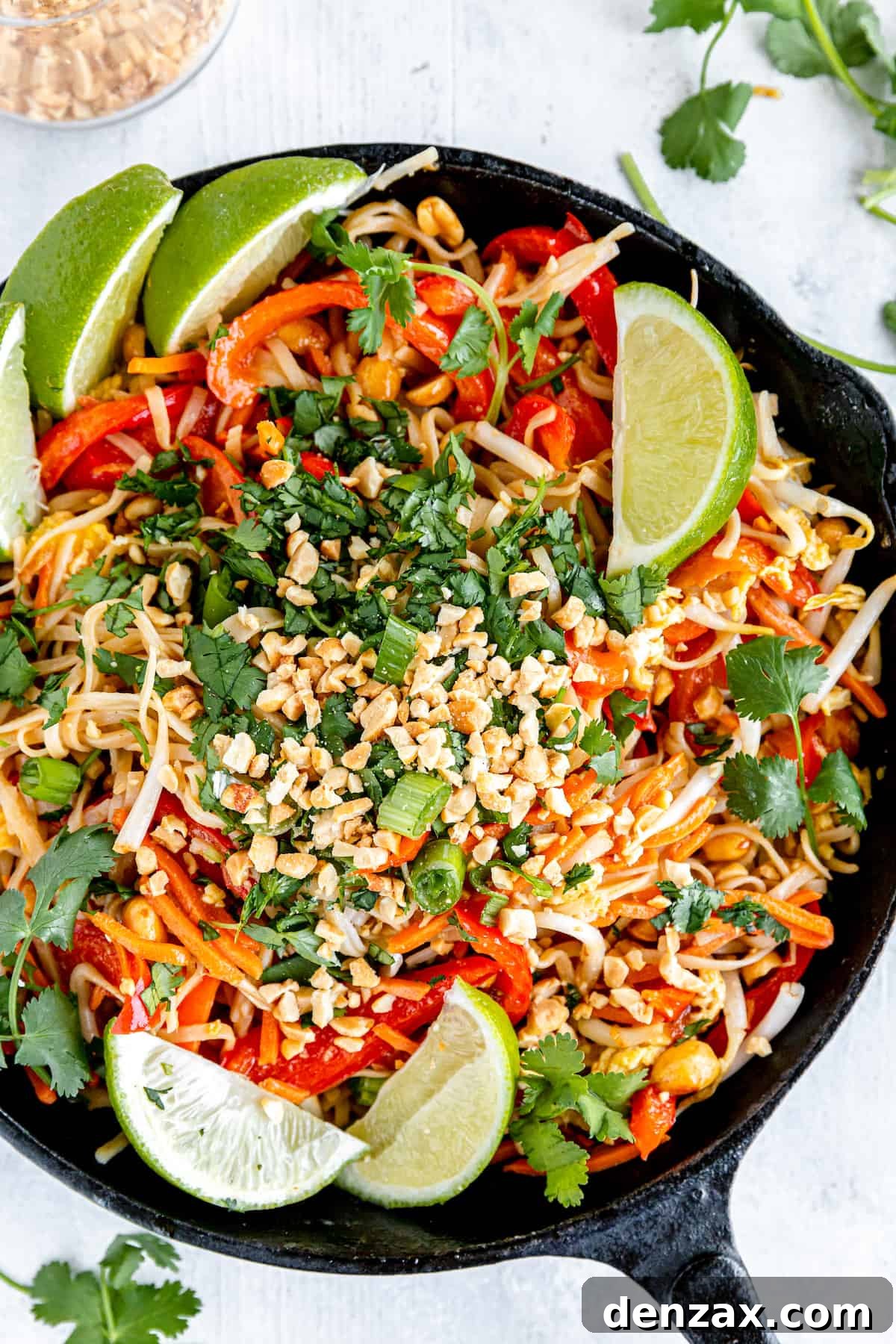
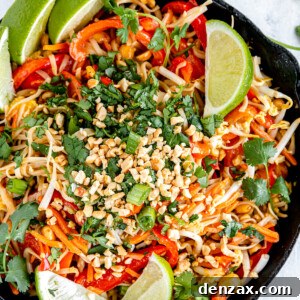
Welcome to the ultimate guide for crafting an irresistible Pad Thai stir-fry right in your own kitchen! This recipe is designed for both beginners and seasoned cooks, promising a dish that’s not only bursting with authentic Thai flavors but also incredibly simple to prepare, taking just 30 minutes from start to finish. Forget takeout; you’re about to create a masterpiece featuring fresh rice noodles, perfectly scrambled eggs, crunchy roasted peanuts, and a medley of vibrant vegetables, all bathed in a delectable homemade Pad Thai sauce that hits all the right notes of sweet, sour, and savory.
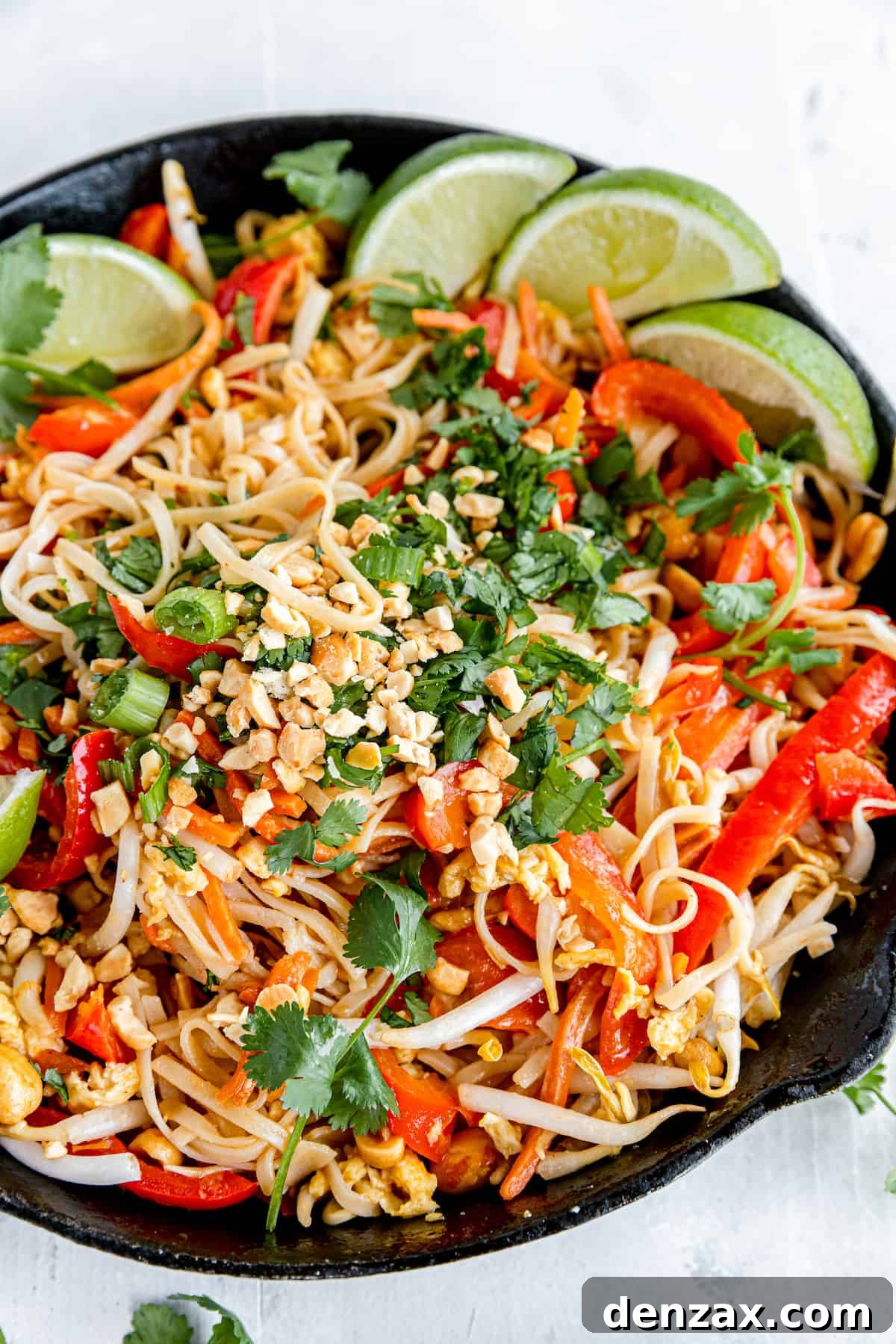
There’s an undeniable comfort that comes with a steaming bowl of noodles, especially when they’re coated in a rich, flavorful sauce. While I appreciate all types of stir-fries and rice dishes, noodle stir-fries hold a special place in my heart. They offer a unique blend of satisfying textures and profound flavors that can transform a simple weeknight dinner into a culinary escape. The harmonious combination of soft noodles, crisp vegetables, and a balanced sauce provides a truly nourishing and relaxing meal experience.
This deep appreciation naturally leads us to the iconic Southeast Asian delight: Pad Thai. Often perceived as a complex dish best left to restaurant chefs, I’m here to tell you that mastering Pad Thai at home is much easier than you might think. You won’t need specialized equipment or a daunting list of obscure ingredients. This recipe simplifies the process, making it accessible for anyone eager to recreate this beloved Thai stir-fry from scratch. Get ready to impress yourself and your family with a homemade version that rivals your favorite restaurant.
What is Pad Thai? Unveiling Thailand’s National Dish
Pad Thai, meaning “Thai-style stir-fried noodles,” is far more than just a dish; it’s a culinary emblem of Thailand, celebrated for its exquisite balance of flavors. This popular street food has captivated palates worldwide, especially in the US, where it stands as a staple in Asian cuisine. At its heart, Pad Thai features chewy, soaked rice noodles stir-fried with eggs and a distinctive sauce that artfully combines sweet, sour, and salty elements, often with a hint of umami and spice.
The traditional sauce typically includes tamarind paste, fish sauce, palm sugar, and sometimes lime juice, creating its signature sweet-sour tang. Common additions include fresh bean sprouts, garlic, shallots, and various proteins like shrimp, chicken, tofu, or a combination. The dish is usually garnished with crunchy roasted peanuts, fresh cilantro, and lime wedges, adding layers of texture and brightness. While some authentic versions might seem intricate, this recipe focuses on convenience without compromising on the delightful flavors. We’ve streamlined the ingredient list to include items readily available at most local grocery stores, ensuring you can enjoy that authentic takeout taste with the ease of a homemade meal any night of the week.
Essential Ingredients for Your Perfect Pad Thai
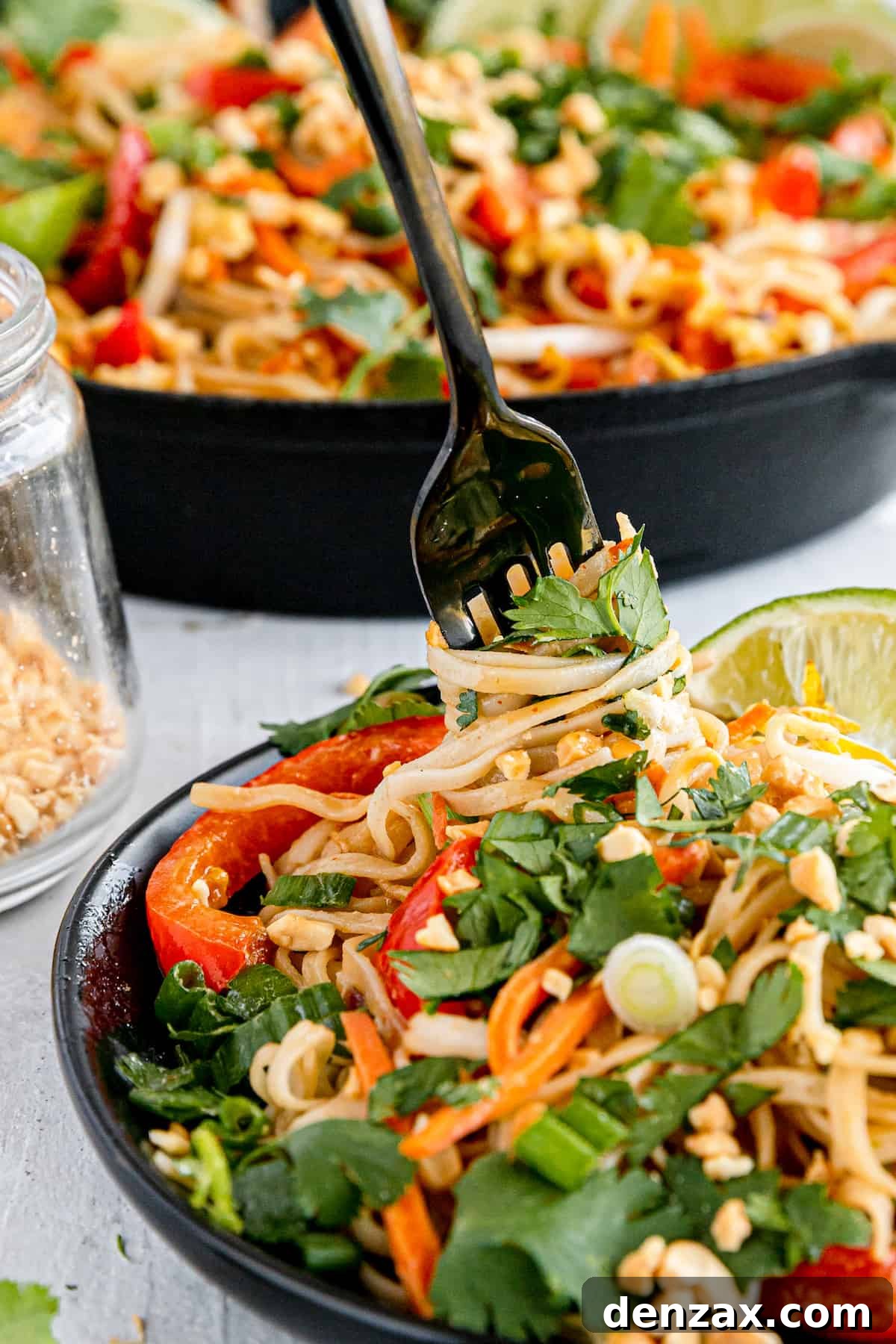
Crafting this incredible Pad Thai begins with selecting fresh, high-quality ingredients. Our recipe uses a harmonious blend of crisp vegetables, versatile rice noodles, and a simple yet profound homemade sauce. Don’t skip the garnishes; they truly elevate the dish, adding both visual appeal and a burst of fresh flavor that completes the experience.
For the Pad Thai Stir-Fry
- Noodles: 8 ounces of dried brown rice Pad Thai noodles are recommended for their texture and wholesome nature. However, any flat rice noodles you have on hand will work wonderfully.
- Olive Oil: A couple of tablespoons for sautéing the aromatics and vegetables, ensuring they cook to tender-crisp perfection.
- Garlic: 3 cloves, minced or pressed, form the aromatic foundation of the stir-fry, infusing it with a pungent, savory base.
- Eggs: 2 large eggs, lightly beaten, are scrambled directly in the pan, adding a delicate protein and classic Pad Thai texture.
- Carrots: 1 cup of shredded carrots adds natural sweetness and a beautiful splash of orange. Pre-shredded or matchstick carrots offer a convenient shortcut, or you can shred your own.
- Bell Peppers: 1 large or 2 small red bell peppers, thinly sliced, contribute a mild sweetness, vibrant color, and satisfying crunch.
- Bean Sprouts: 1 cup of fresh bean sprouts provides a refreshing, crisp element. A quick rinse and drain in cool water will ensure they are perfectly refreshed.
- Green Onions: 2 green onions, chopped or thinly sliced, add a mild oniony flavor to the stir-fry, with extra reserved for garnish.
- Fresh Cilantro: ½ cup of chopped fresh cilantro brightens the dish with its distinctive herbaceous notes. Keep a little extra for a final flourish.
- Roasted Peanuts: ½ cup of dry roasted peanuts, crushed, are crucial for that signature nutty crunch and flavor. More for garnish is highly recommended.
- Limes: 2 limes, cut into wedges, are indispensable for serving, allowing each diner to squeeze fresh, zesty juice over their portion for an added burst of sourness.
For the Irresistible Pad Thai Sauce
The heart and soul of any great Pad Thai lie in its perfectly balanced sauce. This blend achieves that classic sweet, salty, and tangy profile that makes Pad Thai so addictive.
- Fish Sauce: 3 tablespoons of good quality fish sauce are essential for authentic umami depth and saltiness. This ingredient is truly non-negotiable for traditional flavor.
- Soy Sauce: 2 tablespoons of regular soy sauce, tamari (for gluten-free), or coconut aminos contribute further savory notes and color.
- Extra Virgin Olive Oil: 1 tablespoon, adding a touch of richness and helping to emulsify the sauce.
- Rice Wine Vinegar: 2 tablespoons of this delicate vinegar provide a subtle tanginess and acidity that brightens the entire dish.
- Brown Sugar: 5 tablespoons of brown sugar deliver the necessary sweetness and a hint of molasses depth. You can substitute with raw sugar, honey, or maple syrup if preferred.
- Peanut Butter: 2 tablespoons of creamy peanut butter add a wonderful richness, a subtle nutty flavor, and a satisfying thickness to the sauce.
- Sriracha Sauce: 1 tablespoon of sriracha offers a mild, pleasant heat. Feel free to adjust this amount to your personal preference for a spicier kick.
Step-by-Step Guide to Crafting Perfect Homemade Pad Thai
Making Pad Thai at home is surprisingly straightforward, essentially involving three main components: preparing the noodles, whisking together the sauce, and stir-frying your ingredients. Once these steps are complete, it’s all about combining them into one harmonious, flavorful dish.
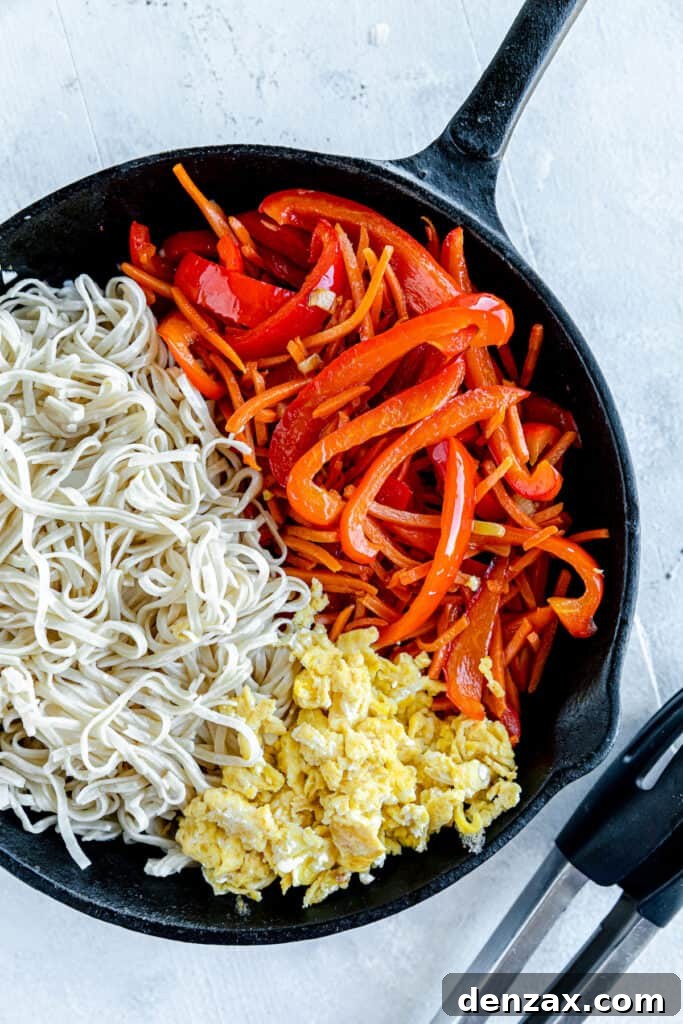
- Prepare the Rice Noodles: Bring a pot of water to a rolling boil. Add your rice noodles and cook for 6 minutes, or follow the specific package directions for al dente results. Immediately drain the noodles and rinse them thoroughly under cold water to stop the cooking process and prevent sticking. Drizzle with a small amount of olive oil and gently toss to keep them separated, then set aside.
- Whisk the Pad Thai Sauce: In a small bowl, combine all the sauce ingredients: fish sauce, soy sauce, olive oil, rice wine vinegar, brown sugar, peanut butter, and sriracha. Whisk vigorously until the mixture is completely smooth and well-combined. Set this flavorful sauce aside.
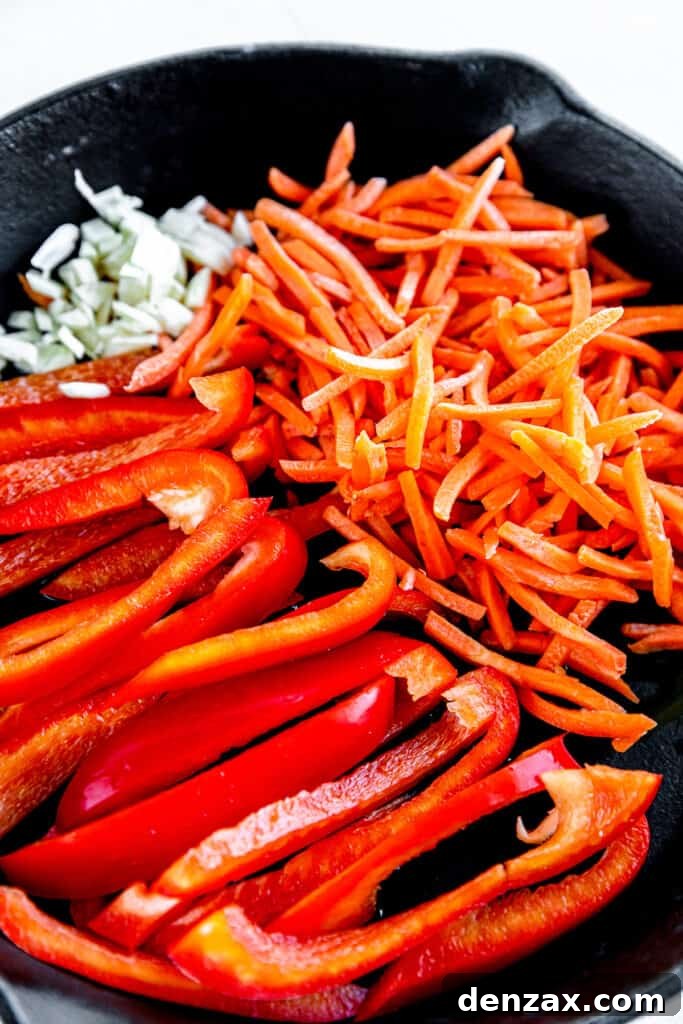
- Stir-Fry Vegetables & Scramble Eggs: Heat a large frying pan or a wok over medium-high heat. Add 1 tablespoon of olive oil. Once shimmering, add the minced garlic, sliced red bell peppers, and shredded carrots. Sauté these vegetables for approximately 5 minutes, or until they become slightly tender-crisp. Transfer the sautéed vegetables to a separate bowl or plate and set aside.
- Cook the Eggs: Using the same pan, add another drizzle of olive oil to the center. Pour the lightly beaten eggs into the pan. As they begin to set, use a spatula to scramble the eggs and break them into smaller, bite-sized pieces. Once cooked through, reduce the heat to low.
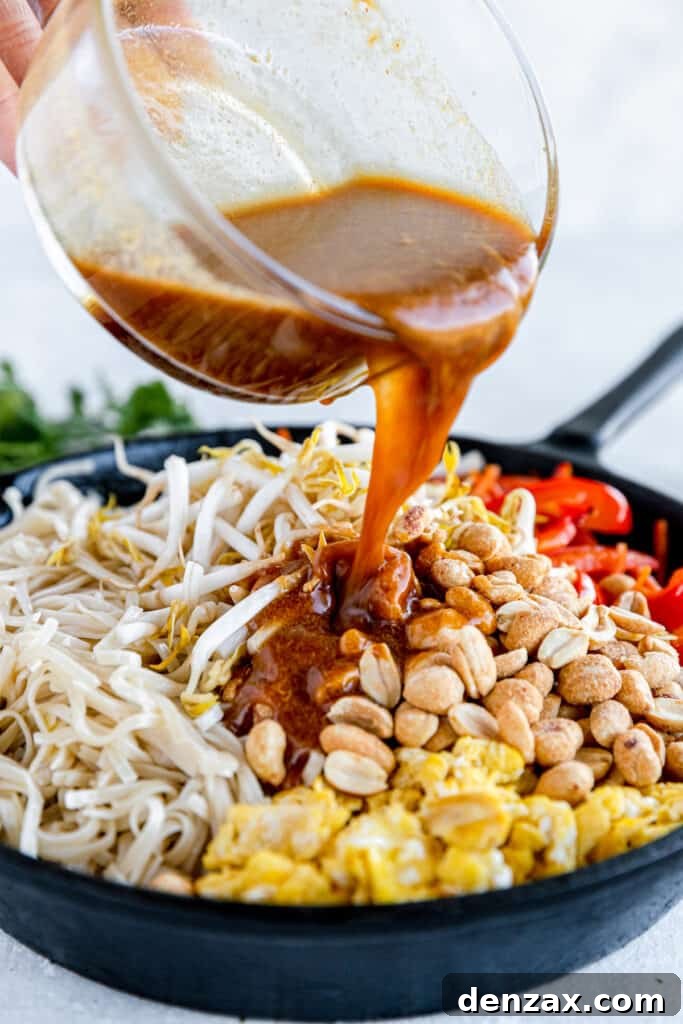
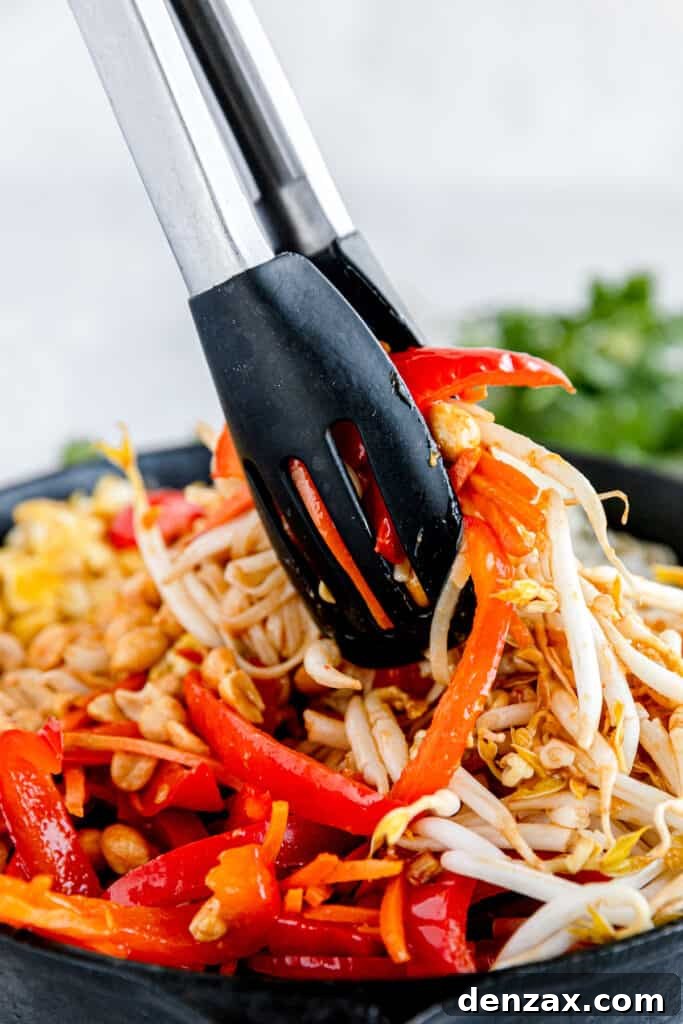
- Combine All Ingredients: Return the cooked noodles and sautéed vegetables to the pan with the scrambled eggs. Sprinkle with the crushed peanuts, fresh bean sprouts, chopped cilantro, and chopped green onions. Pour the prepared Pad Thai sauce evenly over all the ingredients. Gently toss everything together using tongs, ensuring the noodles and vegetables are thoroughly coated with the sauce. Allow the mixture to warm through for a few minutes, absorbing the flavors.
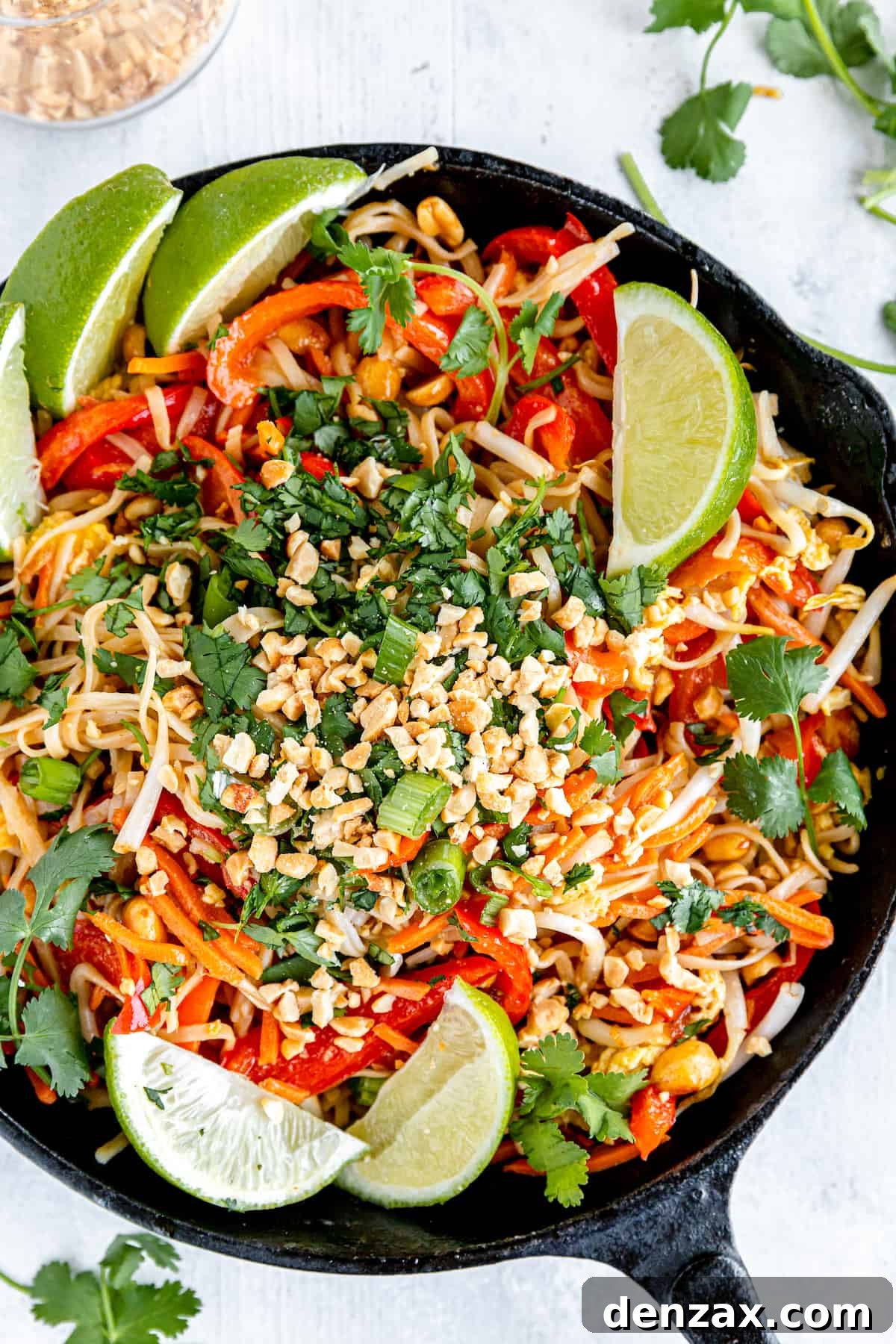
- Serve Immediately: Remove the Pad Thai from the heat. Garnish generously with additional crushed peanuts, fresh cilantro, and green onions. Serve hot with fresh lime wedges on the side, allowing diners to add a squeeze of citrus to taste. Enjoy your delicious homemade Pad Thai!
Expert Tips for Your Best Homemade Pad Thai
To ensure your homemade Pad Thai is nothing short of spectacular, keep these expert tips in mind:
- Embrace the Fish Sauce: The cornerstone of authentic Pad Thai flavor is undoubtedly fish sauce. If you’re new to it, the aroma directly from the bottle can be quite strong – even funky! However, much like anchovies in a Caesar dressing, fish sauce transforms completely when cooked. It delivers a crucial depth of savory umami, saltiness, and complexity that cannot be replicated. Trust the process; it’s what makes Pad Thai truly special.
- Control the Heat: Our recipe suggests 1 tablespoon of sriracha for a mild kick. If you prefer a milder dish, feel free to omit the sriracha entirely. To compensate for any lost flavor intensity, consider adding an extra clove of minced garlic or even some finely chopped pimientos for a subtle, sweet heat. For spice lovers, don’t hesitate to add more sriracha or a pinch of red pepper flakes.
- Boost Your Protein: While this Pad Thai is wonderfully satisfying as is, you can easily enhance its protein content. Consider adding diced cooked chicken breast, small cooked shrimp, or even a bit of cooked ground pork or turkey. Incorporate your chosen protein at the very end of the cooking process, allowing it to gently warm through in the sauce without overcooking. Tofu is also an excellent vegetarian protein option; simply pan-fry cubed firm tofu until golden before adding it.
- Mise en Place is Key: “Mise en place” means “everything in its place.” With stir-fries, speed is essential, so having all your ingredients prepped and ready before you start cooking is crucial. Chop all vegetables, mince garlic, beat eggs, and whisk the sauce ahead of time. This will make the cooking process smooth and stress-free.
- Don’t Overcrowd the Pan: For best results, ensure your frying pan or wok is sufficiently large. Overcrowding the pan can lead to steaming rather than stir-frying, resulting in limp vegetables and less flavorful noodles. If you’re making a larger batch, consider cooking the vegetables and eggs in two smaller batches.
- Noodle Perfection: The trick to great Pad Thai noodles is not to overcook them initially. They will continue to cook slightly when tossed with the sauce and other hot ingredients. Rinsing them in cold water immediately after boiling is vital to prevent them from becoming mushy and sticking together.
Customizing Your Homemade Pad Thai
One of the best aspects of cooking Pad Thai at home is the ability to tailor it precisely to your preferences. Don’t be afraid to experiment with different proteins and vegetables to make this dish uniquely yours.
- Protein Power: Beyond chicken, shrimp, and tofu, feel free to add thin slices of beef or even pork. For a richer flavor, consider marinating your protein briefly in a little soy sauce and cornstarch before stir-frying.
- Vegetable Variety: Enhance the nutritional value and color of your Pad Thai with additional vegetables. Broccoli florets, snow peas, sliced mushrooms, or thinly sliced cabbage all make fantastic additions. Just ensure they are cut into small, manageable pieces and added at the right time to achieve a tender-crisp texture.
- Spice Level: If you love heat, ramp up the sriracha or add a sprinkle of dried chili flakes while stir-frying. For a more authentic Thai heat, a small amount of finely minced bird’s eye chilies can be added with the garlic.
Serving Suggestions for a Complete Meal
While this Pad Thai recipe is undeniably a complete and satisfying meal on its own, pairing it with complementary dishes can elevate your dining experience to a Thai feast. Here are some delightful ideas:
- For a delightful crunchy appetizer, consider adding a side of our easy Shrimp Tempura. The light, crispy batter contrasts beautifully with the tender noodles.
- If you’re craving more protein with a sweet and savory glaze, our Crispy Honey Sesame Chicken makes an excellent companion, offering a different texture and flavor profile.
- These savory and creamy Crab Rangoon Wontons are also a fantastic appetizer, adding a rich, indulgent start to your meal.
- A simple side salad with a ginger-sesame dressing can also provide a fresh, cooling counterpoint to the stir-fry.
Storing and Reheating Your Pad Thai Leftovers
Pad Thai is often just as delicious the next day! Follow these tips to properly store and reheat your leftovers:
- Storage: Allow any leftover Pad Thai to cool completely before transferring it to airtight containers. Refrigerate promptly for up to 4 days.
- Reheating: To reheat, place the Pad Thai in a covered skillet over low to medium-low heat. Add a splash of water or broth to help rehydrate the noodles and sauce. Cook gently, stirring occasionally, until the dish is thoroughly heated through. Be careful not to overcook, as this can make the noodles mushy and the eggs rubbery. Alternatively, you can microwave it in short intervals, stirring between each, until warm.
Discover More Delicious Asian-Inspired Recipes
If you enjoyed this Pad Thai, you’ll love exploring other vibrant flavors from Asian cuisine. Here are a few more easy weeknight recipes to inspire your next meal:
- Slow Cooker Asian Glazed Chicken Drumsticks: Effortlessly delicious chicken with a sweet and savory glaze.
- Shrimp Tacos with Asian Cabbage Slaw: A fusion favorite, combining fresh shrimp with a crisp, tangy slaw.
- Chicken Potstickers: Savory dumplings, pan-fried to perfection, ideal as an appetizer or light meal.
- Asian Cabbage Slaw: A refreshing and crunchy side dish, perfect for complementing any Asian meal.
Easy Pad Thai Recipe
by Katerina | Easy Weeknight Recipes
In this easy Pad Thai recipe, rice noodles are mixed with scrambled eggs, roasted peanuts, and colorful veggies, all smothered in a perfectly balanced sweet, salty, and sour sauce, ready in just 30 minutes.
Prep Time: 15 minutes
Cook Time: 15 minutes
Total Time: 30 minutes
Servings: 4
Ingredients
For the Pad Thai
- 8 ounces brown rice Pad Thai noodles, or flat rice noodles of choice
- 3 tablespoons extra virgin olive oil
- 3 cloves garlic, minced
- 2 eggs, lightly beaten
- 1 cup carrots, shredded (bagged or fresh)
- 2 small red bell peppers, sliced
- 1 cup fresh bean sprouts
- 2 green onions, chopped, plus more for garnish
- ½ cup fresh cilantro, chopped, plus more for garnish
- ½ cup dry roasted peanuts, crushed, plus more to garnish
- 2 limes, cut into wedges for serving
For the Pad Thai Sauce
- 3 tablespoons fish sauce
- 2 tablespoons soy sauce, or coconut aminos
- 1 tablespoon extra virgin olive oil
- 2 tablespoons rice wine vinegar
- 5 tablespoons brown sugar
- 2 tablespoons peanut butter
- 1 tablespoon sriracha sauce, or add more to taste for spicy heat
Instructions
-
In a pot, bring water to a boil and cook the rice noodles for 6 minutes, or according to the package directions. Then, rinse them under cold water, add a drizzle of olive oil to prevent sticking, and set aside.
-
In a small bowl, mix all the sauce ingredients together until smooth. Set the sauce aside.
-
In a large frying pan or wok, drizzle 1 tablespoon of olive oil and heat on medium-high heat. Add the garlic, sliced red peppers, and carrots. Saute for 5 minutes, or until the veggies are slightly tender. Remove from the pan to a bowl or plate.
-
Using the same pan, add another drizzle of olive oil, and place beaten eggs in the center. With a spatula, scramble the eggs and break them up into smaller pieces as they cook. Turn the heat to low.
-
Add the cooked noodles and sauteed veggies back to the pan. Top with peanuts, sprouts, cilantro, and green onion. Pour the prepared sauce over the top, and toss gently to combine. Allow the noodles and other ingredients to warm up slightly.
-
Remove the Pad Thai from the heat and garnish with additional peanuts, cilantro, and green onions. Serve with lime wedges.
Equipment
-
Measuring Cups and Spoons
-
Large Skillet or Wok
Nutrition Information (Estimated per serving)
Calories: 436kcal | Carbohydrates: 35g | Protein: 13g | Fat: 30g | Saturated Fat: 5g | Polyunsaturated Fat: 6g | Monounsaturated Fat: 18g | Trans Fat: 1g | Cholesterol: 82mg | Sodium: 1641mg | Potassium: 621mg | Fiber: 6g | Sugar: 23g | Vitamin A: 7552IU | Vitamin C: 96mg | Calcium: 85mg | Iron: 2mg
Nutritional info is an estimate and provided as courtesy. Values may vary according to the ingredients and tools used. Please use your preferred nutritional calculator for more detailed info.