
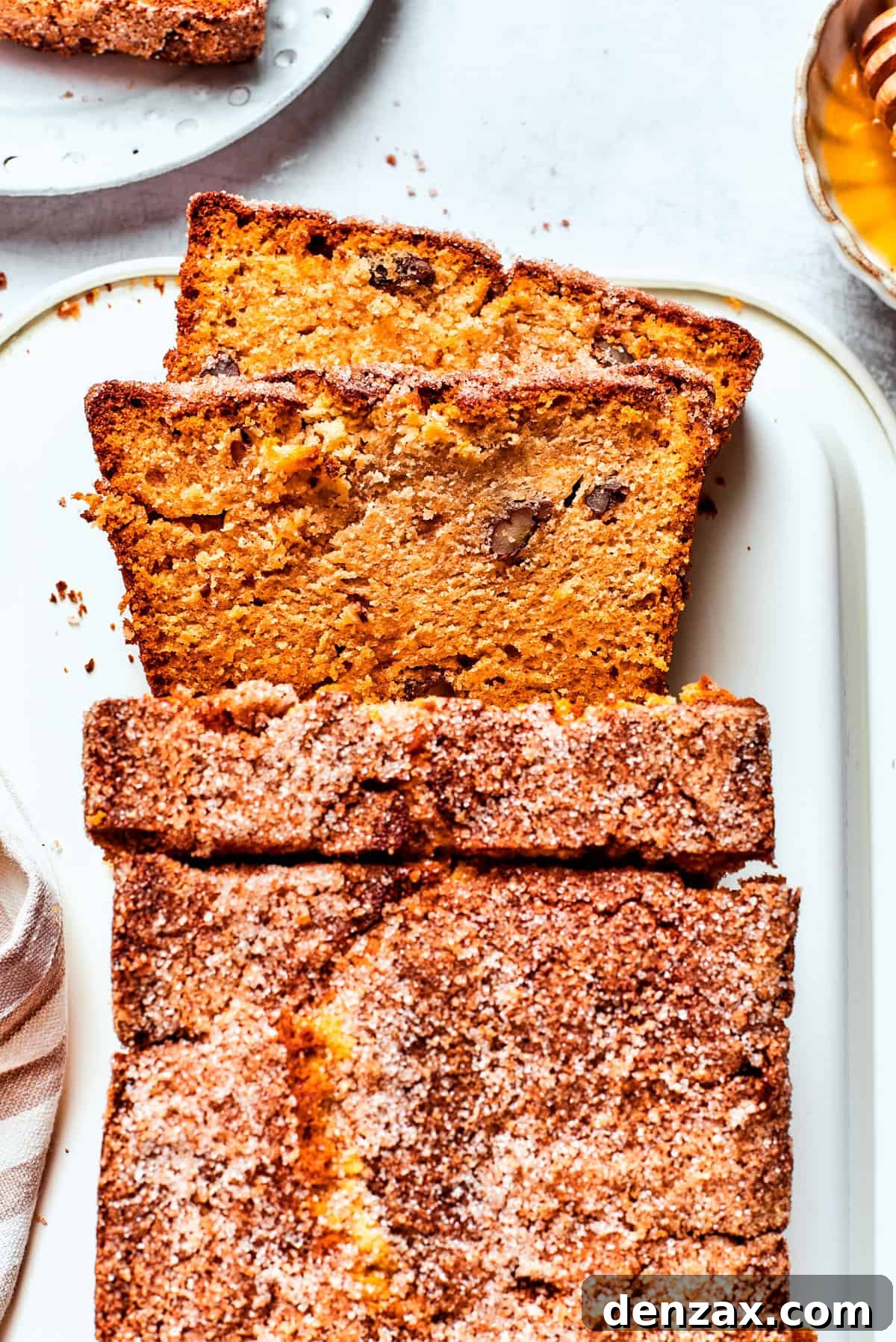
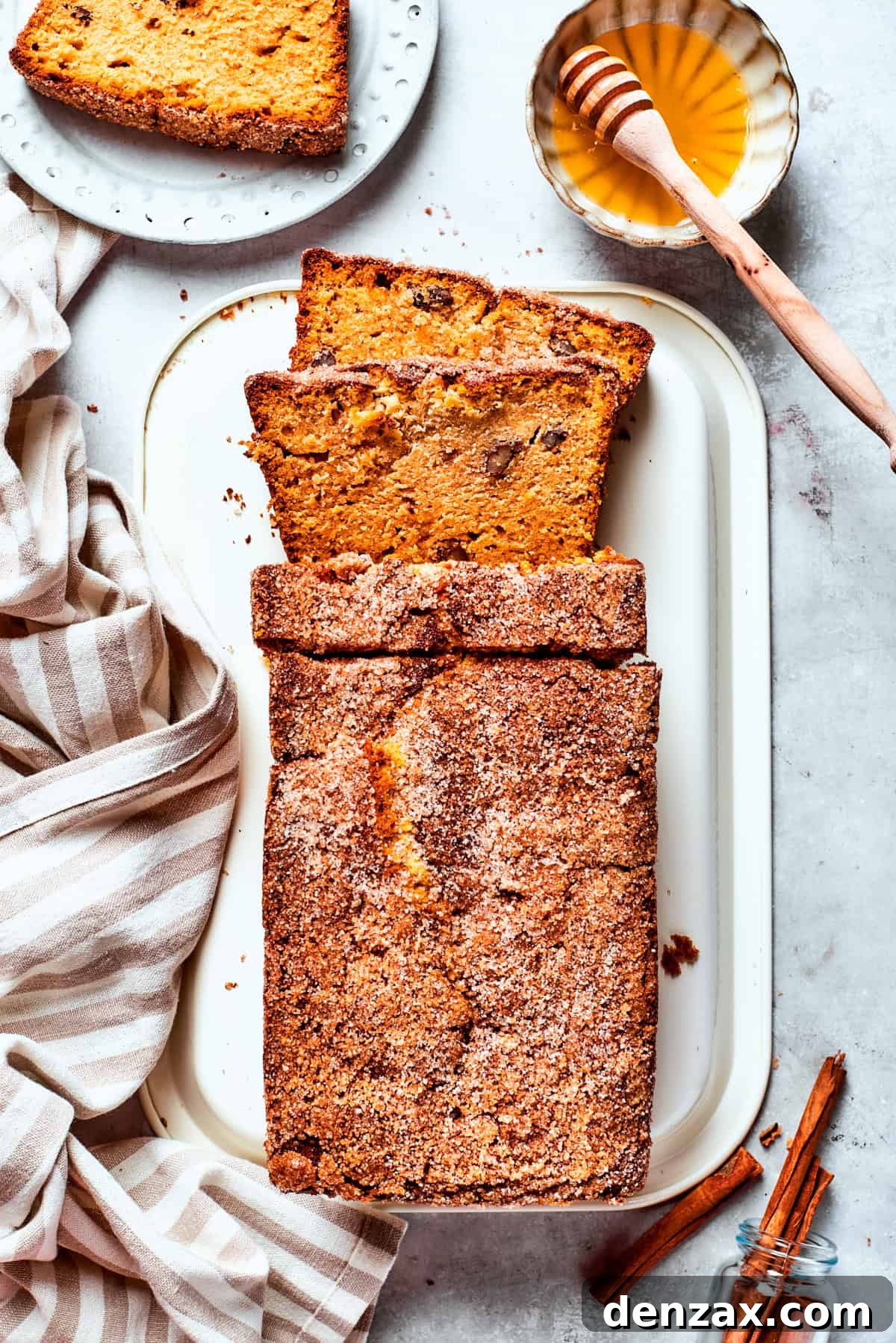
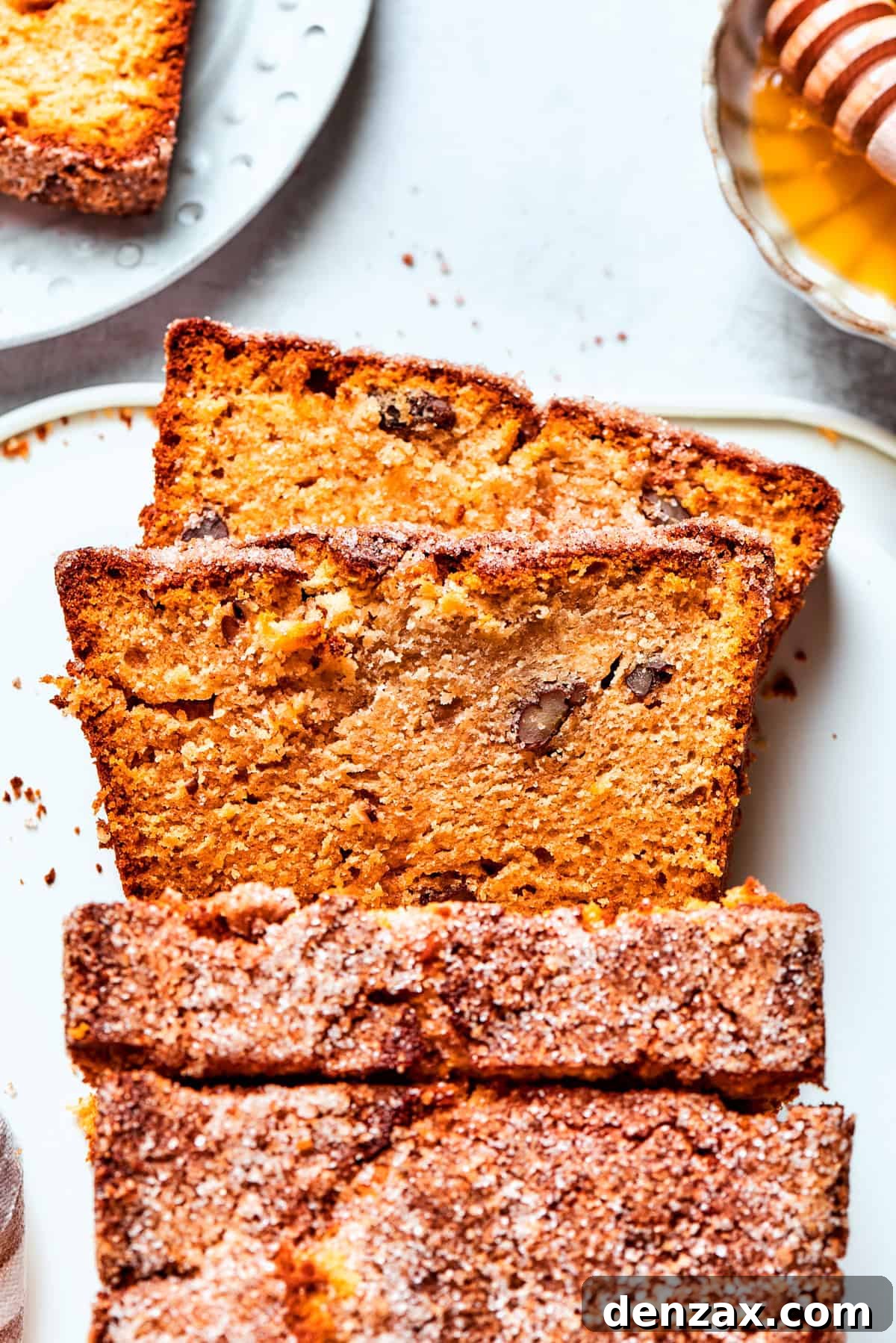
Amish Friendship Bread is a loaf meant to be shared. This cinnamon-swirled sweet bread uses a homemade, yeasty starter that develops over ten days and gives the loaf its tender crumb and slightly tangy-sweet flavor. It’s ideal toasted with butter for breakfast or enjoyed as a simple dessert.
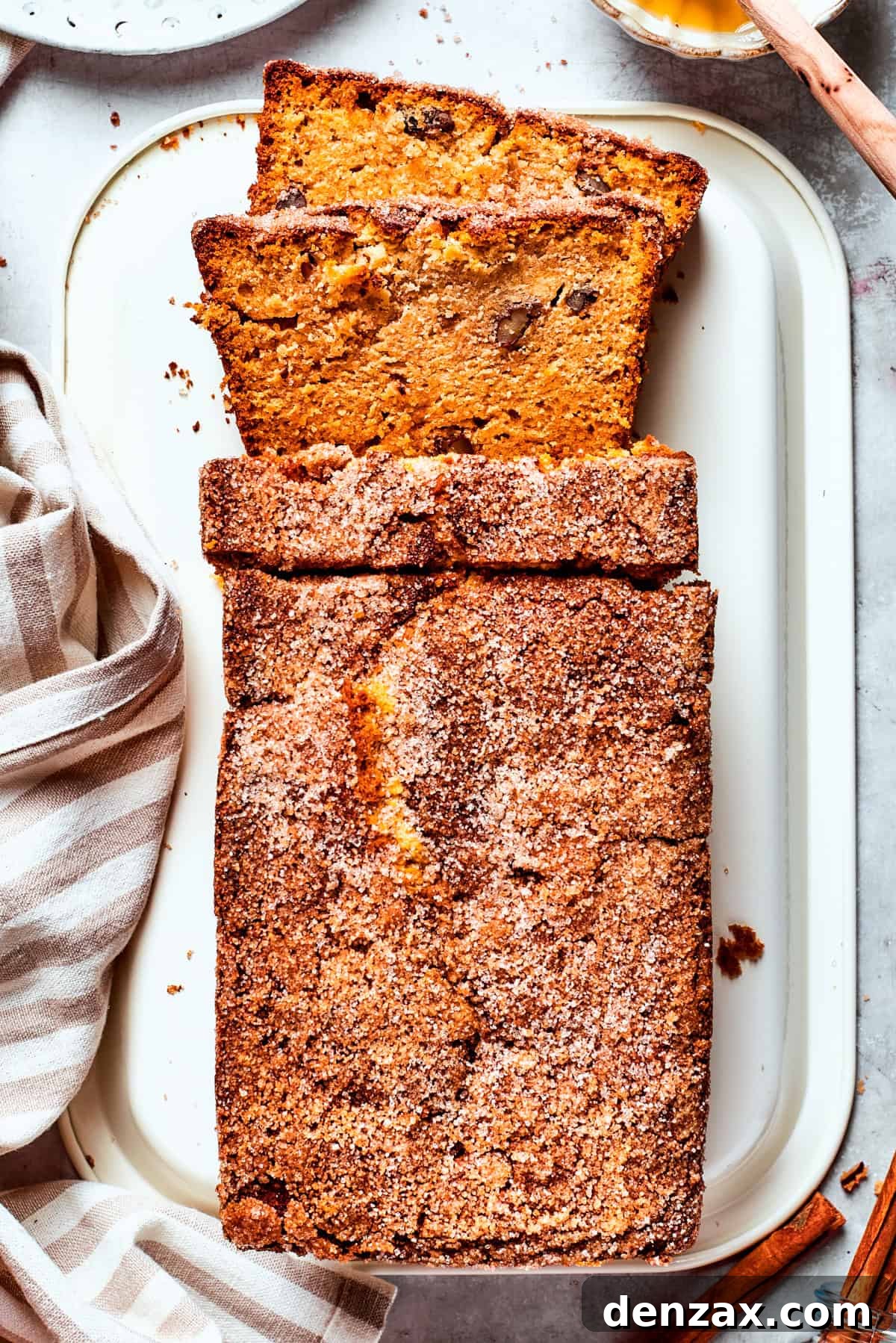
If you enjoy hands-on baking projects, this recipe is a rewarding one. Over the years I’ve made everything from quick flatbreads to richer yeast breads, but Amish friendship bread stands out for its slow starter process and comforting cinnamon swirl. The starter can also be used in other baked goods—muffins, rolls or sweet breads—or shared with friends so they can start their own ten-day cycle.
Why You’ll Love This Bread Recipe
- Slow and rewarding. The 10-day feeding schedule for the starter is a gentle ritual—feed it every day and watch it become bubbly. The pace invites patience and is a fun activity to involve family members.
- Distinct flavor. The starter gives a gentle tang reminiscent of sourdough, but the finished loaf is sweeter and studded with a warm cinnamon swirl that feels uniquely homemade.
- Long-lasting starter. If you want to keep your starter, divide it into 1-cup portions and freeze them in freezer-safe bags. Thawed starter can be used immediately for baking, saving time when you’re ready to make another loaf.
What Is Amish Friendship Bread?
Amish friendship bread is a sweet, yeast-based quick-bread style loaf made with a fermented starter. The starter is created and fed over a 10-day period; one cup goes into the bread batter while the remaining starter is traditionally shared with others. Unlike a traditional sourdough starter, this version uses commercial yeast plus sugar and milk, which speeds up activity and yields a sweeter loaf.
Recipe Ingredients
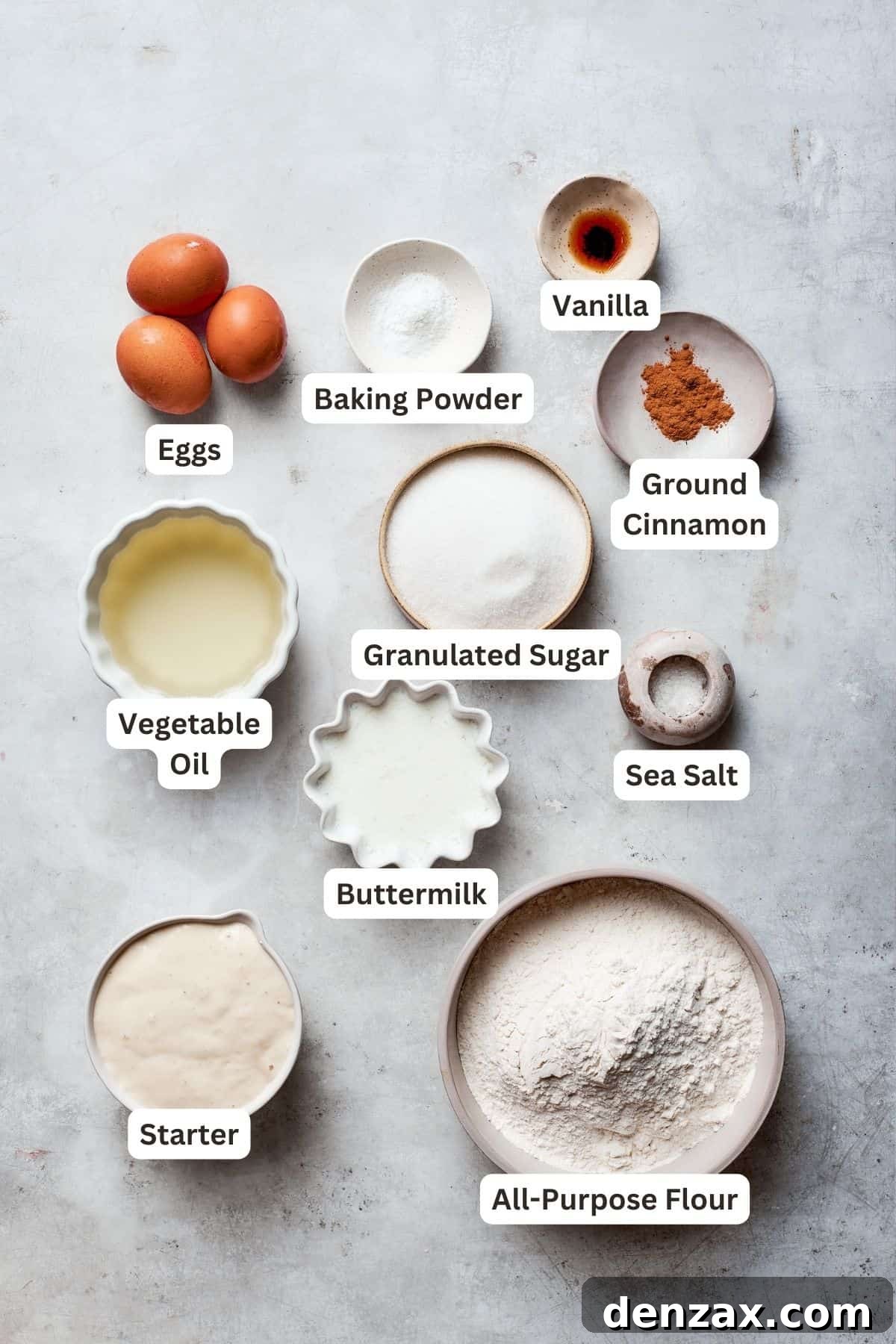
The ingredients are pantry staples. Use the recipe card below for exact amounts, but here are the components grouped by use.
Starter
- Active dry yeast (not instant, for best results).
- Warm water (around 110°F) to activate the yeast.
- Granulated sugar to feed the yeast and sweeten the starter.
- All-purpose flour measured by spoon-and-level for accuracy.
- Milk (whole or 2%).
Feedings
- Granulated sugar
- All-purpose flour
- Milk
For the Bread
- 1 cup of the prepared starter
- Granulated sugar
- Neutral vegetable oil
- Large eggs
- Vanilla extract
- Buttermilk
- All-purpose flour
- Baking powder
- Salt (I use sea salt)
- Ground cinnamon
- Toasted chopped pecans (optional)
- Cinnamon-sugar for the topping
How To Make Amish Friendship Bread Starter
The starter takes ten days to develop. The process is simple: activate yeast, mix with basic ingredients, then feed the mixture on a schedule to build flavor and activity.
- Day 1: Activate the yeast by dissolving it in warm water (about 110°F) until frothy.
- Day 1–4: In a non-metallic bowl combine 1 cup sugar, 1 cup flour and 1 cup milk. Add the activated yeast and stir. Cover loosely and keep at room temperature.
- Day 5: Feed the starter with an additional 1 cup sugar, 1 cup flour and 1 cup milk. Stir and leave on the counter.
- Day 6–9: Stir the starter once a day to keep it aerated and encourage fermentation.
- Day 10: Perform the final feeding (1 cup sugar, 1 cup flour, 1 cup milk). The starter should smell pleasantly sweet and slightly tangy, with a thick, batter-like consistency.
How To Make Amish Friendship Bread
When the starter is active on day 10 you can assemble the batter and bake. The outline below summarizes the steps; consult the recipe card for precise measurements and times.


- Preheat and prepare. Heat the oven to 325°F and grease a 9×5-inch loaf pan.
- Mix the wet base. In a large bowl combine 1 cup starter, sugar and vegetable oil. Whisk until smooth.
- Add eggs and dairy. Stir in eggs, vanilla and buttermilk until fully combined.
- Fold in dry ingredients. Add flour, baking powder, salt and cinnamon. Mix gently until just combined.
- Stir in nuts. Fold in toasted chopped pecans if using.
- Top with cinnamon-sugar. Transfer batter to the pan, then sprinkle an even layer of cinnamon sugar across the top.
- Bake. Bake 60–90 minutes, or until a toothpick comes out clean. Cool in the pan 10 minutes, then transfer to a wire rack to cool completely.
Recipe Tips
Simple tips help ensure success when working with a starter and baking the loaf.
- Watch the starter’s smell and appearance. A healthy starter should smell yeasty and mildly sweet-sour and look bubbly. Discard and restart if you see any mold or a rotten-egg odor.
- Keep the kitchen warm. Fermentation works best at moderate room temperatures; avoid placing the starter in a cold spot.
- Plan ahead. Because the starter needs ten days, decide when you want the finished loaf and begin the starter on that schedule.
- Share or store the excess starter. Use leftover starter in other recipes, give portions to friends, or freeze 1-cup portions for future use.
- Let the bread cool. For best slicing and texture, allow the loaf to cool completely before cutting.
Recipe FAQs
Plan for about 10 days to prepare the starter; once you have an active starter, assembling and baking the loaf takes only a few hours.
Friendship bread starter uses commercial yeast plus flour, milk and sugar, so it develops faster and yields a sweeter loaf. Traditional sourdough relies on wild yeast and water and usually creates a tangier, chewier bread.
Discard the starter if you see mold or if it smells strongly unpleasant (like rotten eggs). A healthy starter smells yeasty, slightly sweet and shows bubbles.
Avoid opening the oven during baking. Sudden temperature changes or underbaking can cause the center to collapse; bake until a toothpick comes out clean.
Serving Suggestions
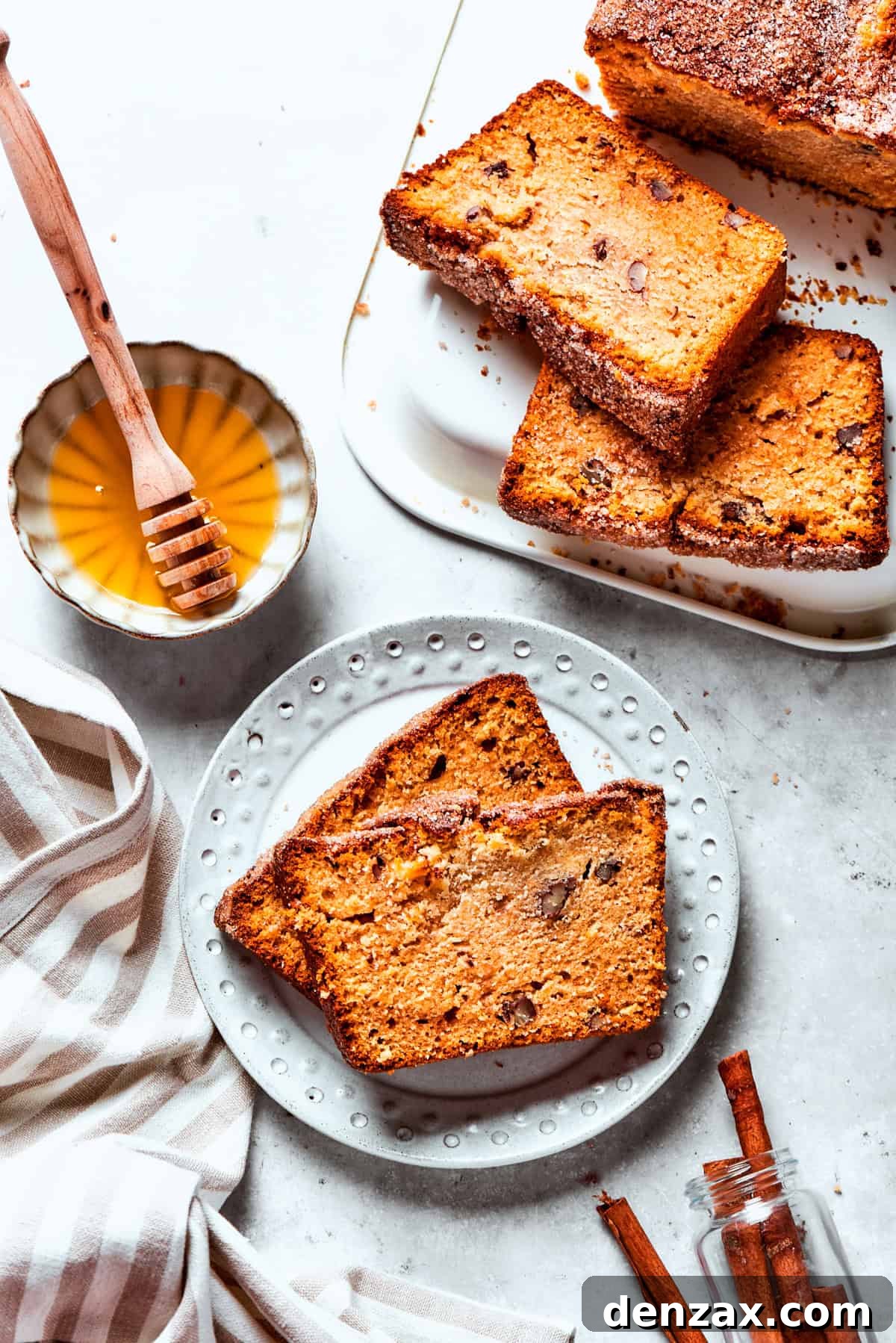
Serve slices plain or toasted alongside coffee or tea. Try these simple pairings:
- Butter: Spread warm slices with salted or unsalted butter.
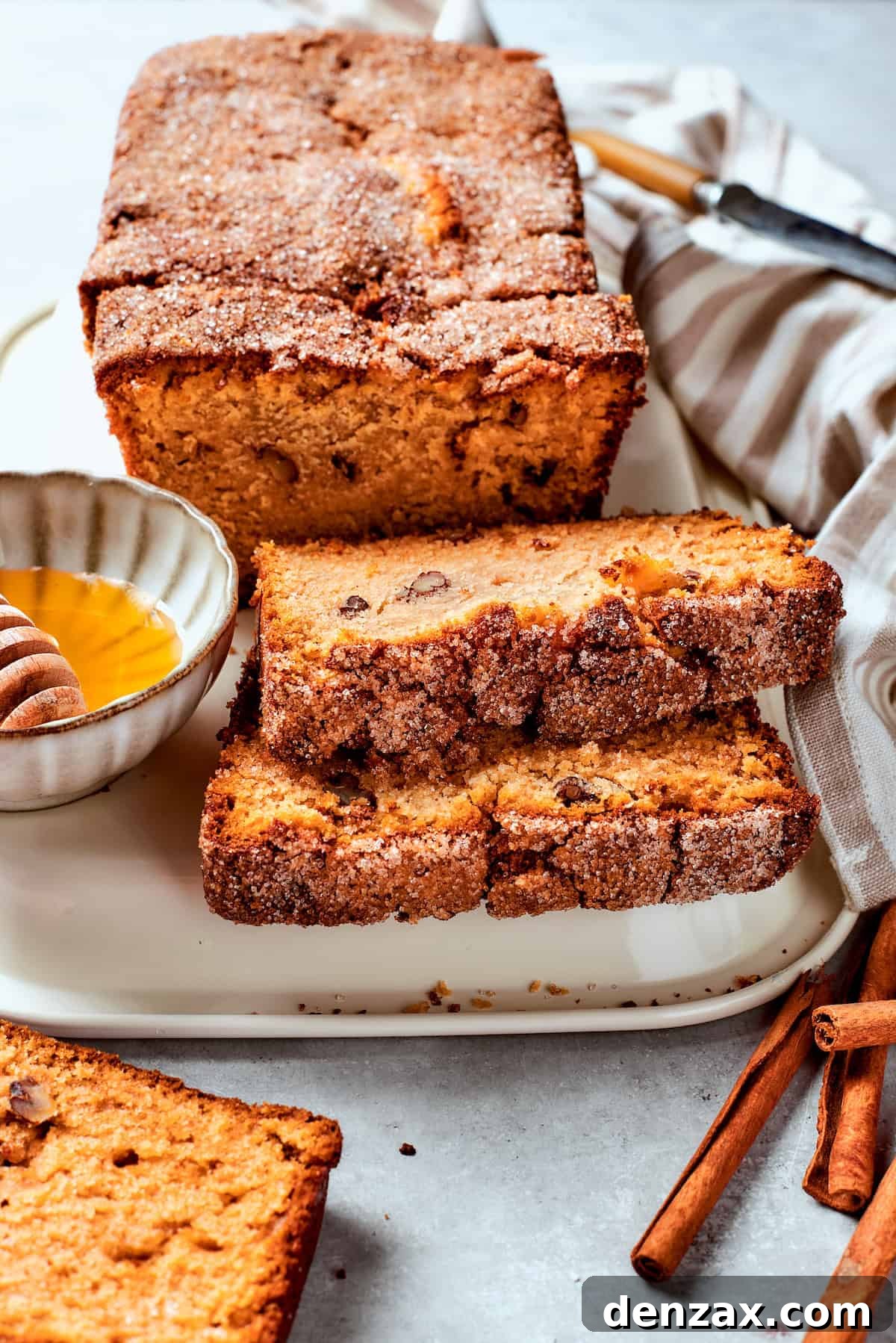
- Honey: A drizzle of honey on buttered bread is a lovely touch.
- Nut butter: Almond or peanut butter adds protein and richness.
- Breakfast plate: Offer slices with eggs, casseroles or crisp bacon for a comforting brunch spread.
Proper Storage
- Starter: Store leftover starter in a non-metallic container with a loose lid in the refrigerator. Feed it every 5–7 days to keep it active, and stir before and after feeding.
- Bread: Keep leftover bread in an airtight container at room temperature for up to 3 days.
- Freezing: Freeze whole loaves or slices in freezer-safe bags for up to 3 months; thaw in the refrigerator before using.
More Bread Recipes
- Challah Bread
- No Knead Dutch Oven Bread
- Pull Apart Bread
- Sour Cream Banana Bread

Amish Friendship Bread
Ingredients
Starter:
- 1 package active dry yeast (or 2¼ teaspoons)
- ¼ cup warm water (about 110°F)
- 1 cup granulated sugar
- 1 cup all-purpose flour
- 1 cup milk
Feedings:
- 2 cups granulated sugar, divided
- 2 cups all-purpose flour, divided
- 2 cups milk, divided
For the Bread:
- 1 cup starter
- 1 cup granulated white sugar
- 3 cups vegetable oil
- 3 large eggs
- 1 teaspoon vanilla extract
- 1¼ cup buttermilk
- 2 cups all-purpose flour
- 1½ teaspoon baking powder
- ½ teaspoon sea salt
- 1 teaspoon ground cinnamon
- ½ cup toasted chopped pecans
For the cinnamon sugar mixture:
- ⅓ cup granulated white sugar
- 1 teaspoon ground cinnamon
Instructions
Making the Starter
- Day 1: Dissolve the yeast in warm water (110°F) and let it sit until frothy, about 10 minutes.
- Day 1–4: In a non-metallic container combine 1 cup sugar, 1 cup flour and 1 cup milk. Add the frothy yeast and stir. Cover loosely and keep at room temperature.
- Day 5: Feed the starter with 1 cup sugar, 1 cup flour and 1 cup milk. Stir until smooth.
- Day 6–9: Stir the starter once daily to encourage fermentation.
- Day 10: Give a final feeding of 1 cup sugar, 1 cup flour and 1 cup milk. The starter should be bubbly and have a sweet-sour aroma.
Preparing the Amish Friendship Bread
- Preheat oven to 325°F and grease a 9×5-inch loaf pan.
- In a large bowl combine 1 cup starter, 1 cup sugar and the vegetable oil; whisk until smooth.
- Add eggs, vanilla and buttermilk; mix until fully incorporated.
- In a separate bowl, whisk together flour, baking powder, salt and cinnamon. Gradually add to the wet mixture and stir until just combined.
- Fold in toasted pecans.
Baking
- Transfer batter to the prepared pan.
- Mix cinnamon and sugar together and sprinkle evenly over the top of the loaf.
- Bake 60–90 minutes, or until a toothpick inserted in the center comes out clean.
- Cool in the pan 10 minutes, then transfer to a wire rack to cool completely before slicing.
Notes
Using the Starter:
- Measure 1 cup of the starter for the bread; divide or share the remainder for future use.
Storing the Starter:
- Keep leftover starter in a non-metal container with a loose lid in the refrigerator and feed every 5–7 days. Stir before and after feeding.
Serving and Storing:
- Serve slices plain or with butter and honey.
- Store leftover bread in an airtight container at room temperature for up to 3 days or freeze for longer storage.
Nutrition
Nutritional info is an estimate. Values vary by ingredients and tools used.