
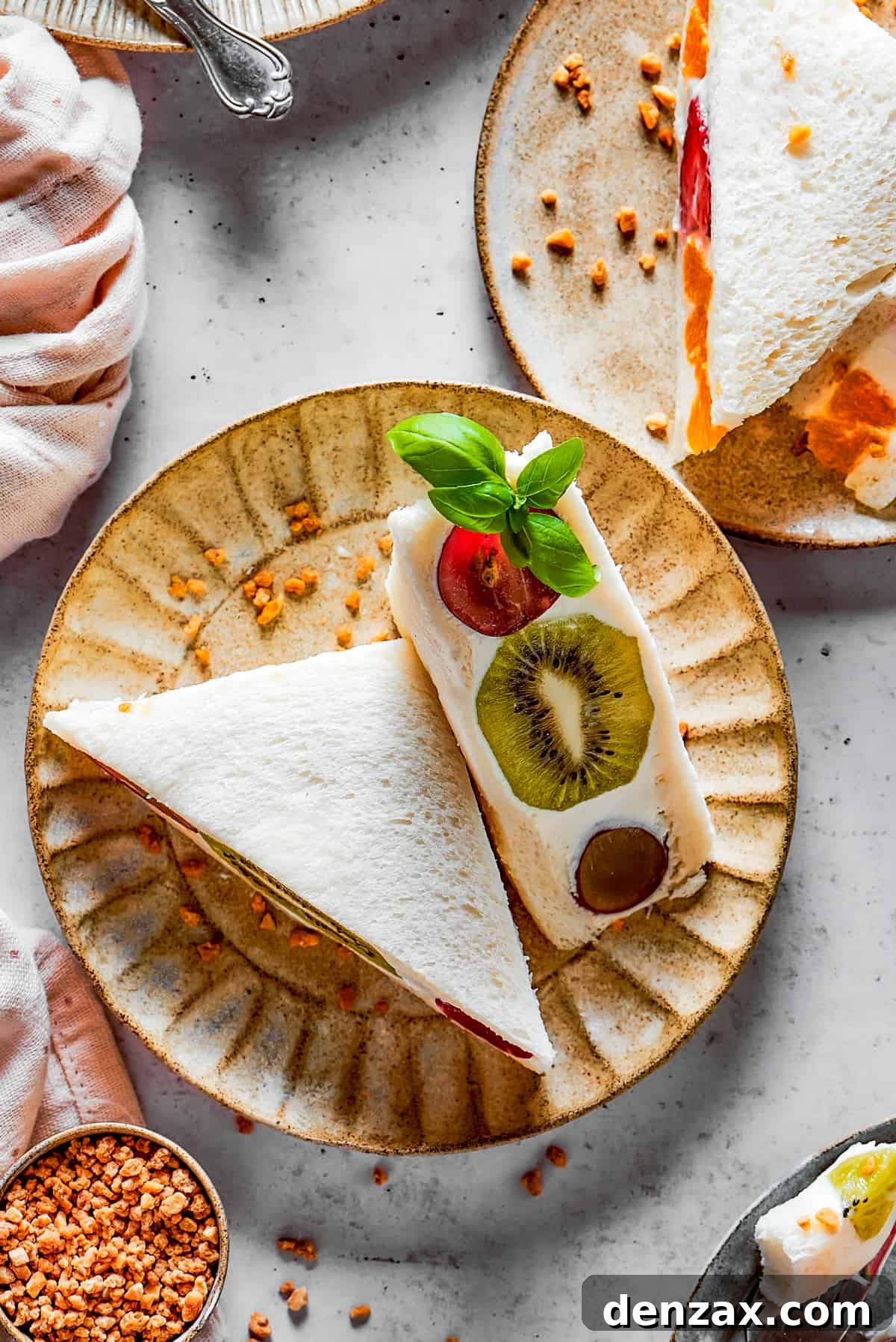
Prepare to be enchanted by a culinary delight that’s as beautiful as it is delicious: the Japanese Fruit Sando. This iconic sweet sandwich, beloved across Japan and gaining popularity worldwide, is a symphony of light, creamy textures, and vibrant, fresh fruit flavors. Far from a conventional savory sandwich, the Fruit Sando is a sophisticated treat, perfect for a refreshing lunch, an elegant tea party, or simply a delightful indulgence any time of day. Its simple yet striking appearance makes it a true feast for both the eyes and the palate.
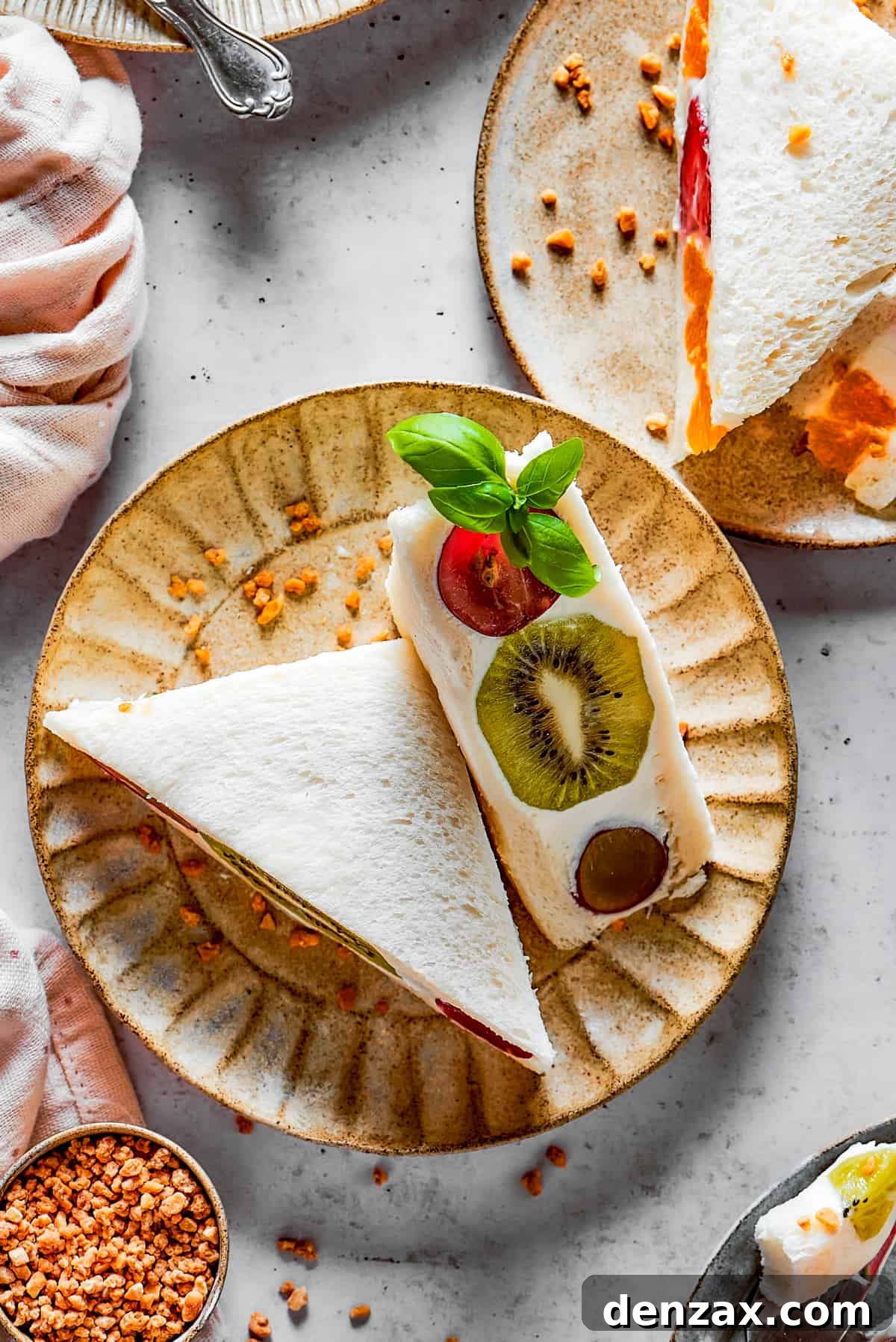
Discover the Magic of Japanese Fruit Sando: A Beautifully Easy Recipe
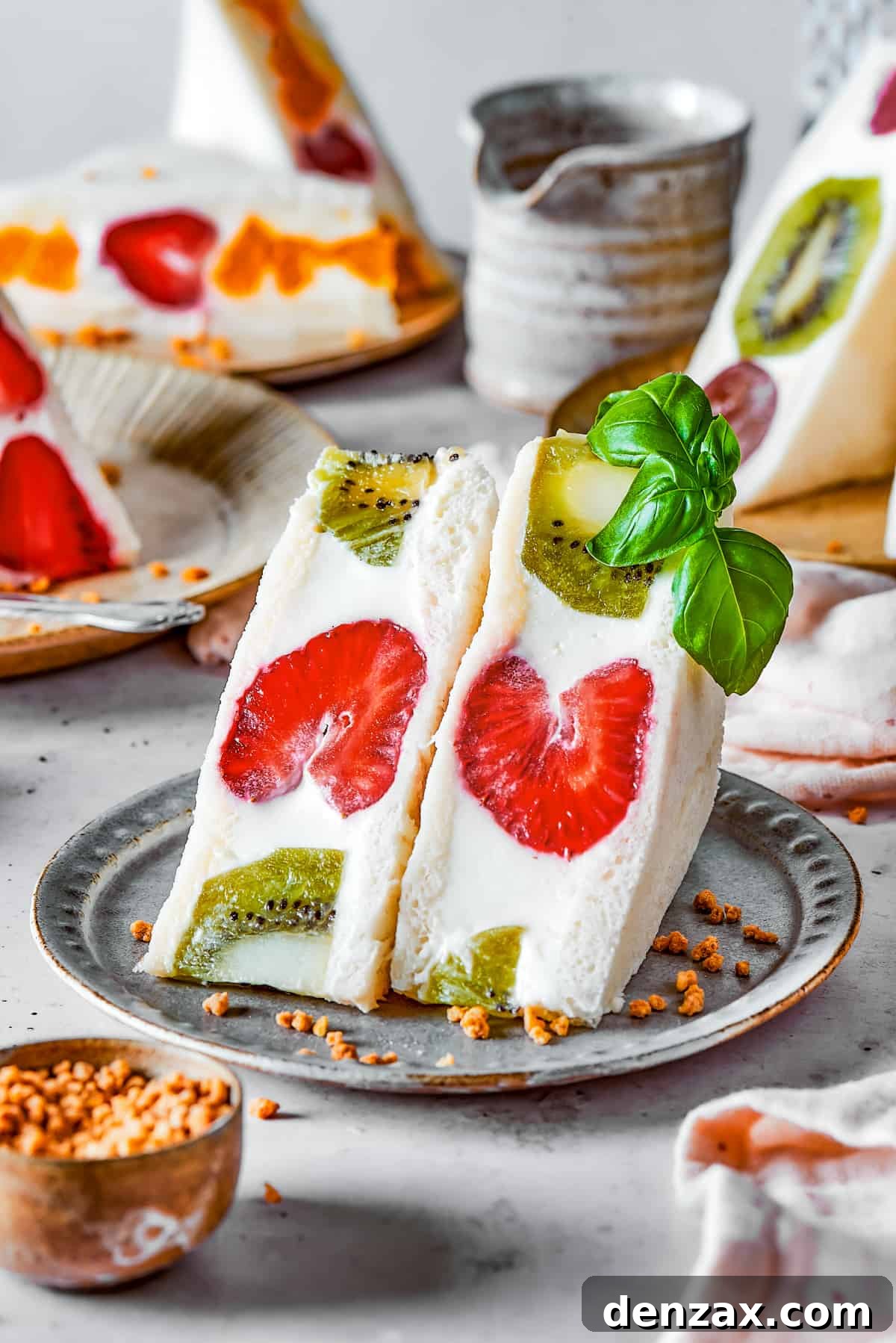
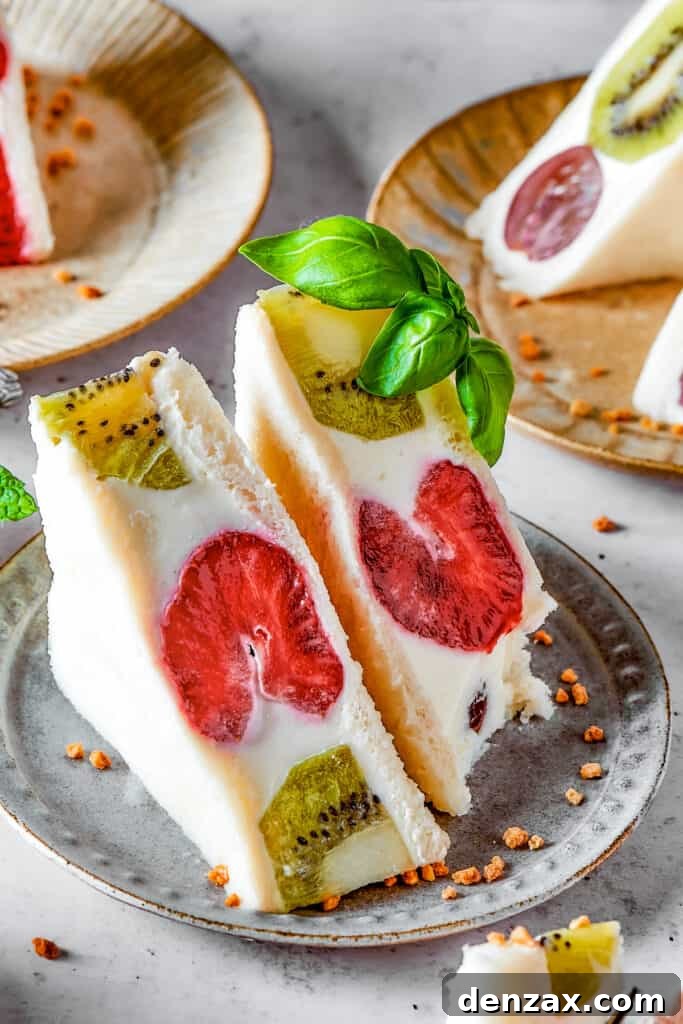
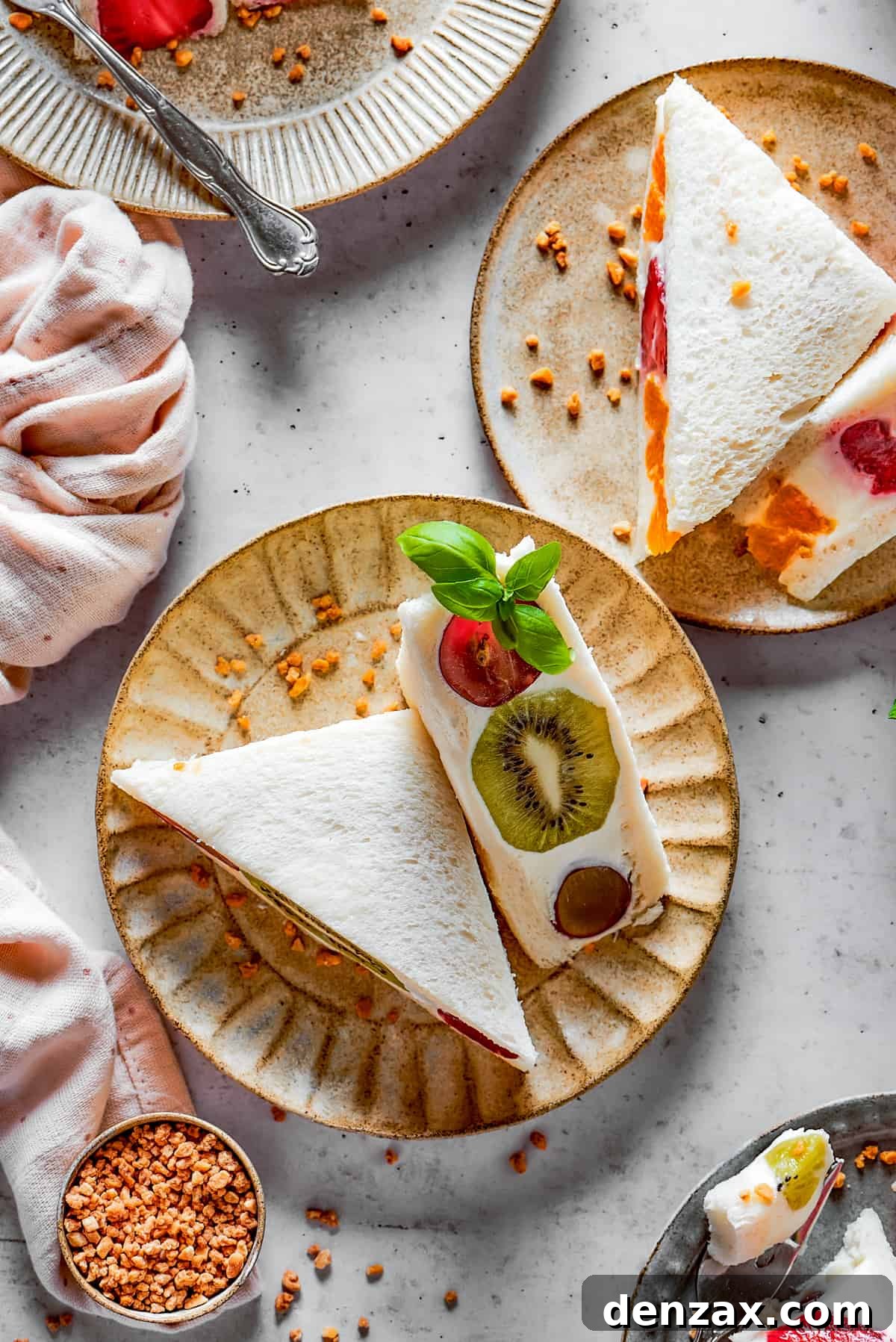
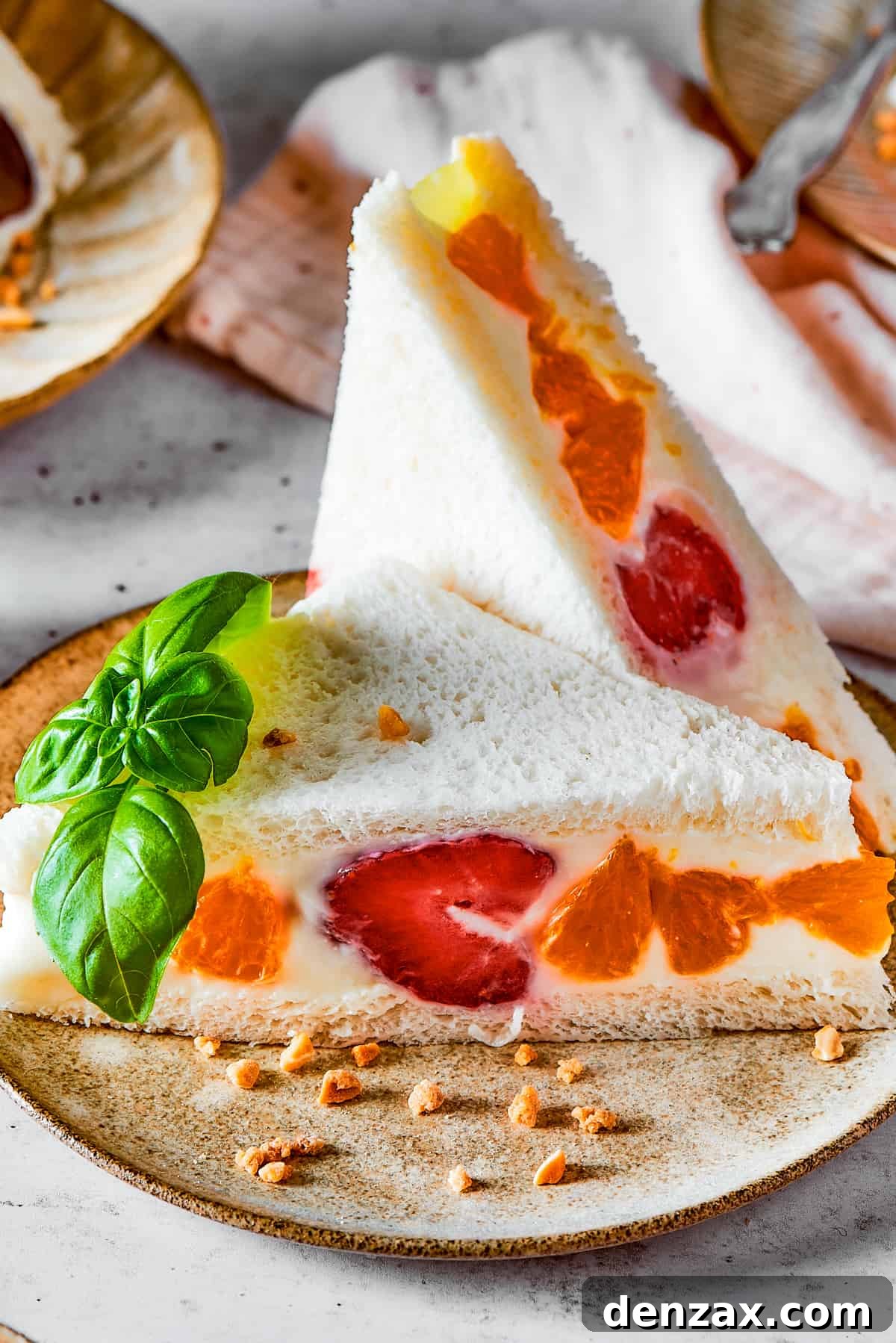
Have you ever encountered the exquisite simplicity of a Japanese Fruit Sando, often simply called a fruit sandwich? These visually stunning creations are a harmonious blend of pillowy soft white bread, often the Japanese milk bread known as shokupan, generously filled with mounds of delicately sweetened whipped cream and an artful arrangement of fresh, colorful fruits. When sliced, the cross-section reveals a vibrant mosaic of fruit, beautifully framed by the pristine white bread and luscious cream, transforming a simple snack into a work of edible art. Each bite offers a delightful contrast: the subtle sweetness of the cream, the burst of natural fruit flavors, and the tender chewiness of the bread.
More than just a dessert, a Fruit Sando serves as an elegant and unique item for any lunchbox, a charming addition to a picnic, or a sophisticated centerpiece for special occasions like baby showers, bridal showers, or traditional tea parties. Its versatility and universal appeal make it an ideal choice for a variety of gatherings. The best part? Despite its gourmet appearance, crafting a Japanese Fruit Sando is surprisingly straightforward. If you can assemble a classic peanut butter and jelly sandwich, you possess all the skills needed to create this impressive sweet treat!
Why You’ll Fall in Love with This Fruit Sando Recipe
This Japanese Fruit Sando recipe isn’t just a guide to making a sandwich; it’s an invitation to experience a delightful balance of flavors and textures. Here’s why this recipe will quickly become a cherished favorite:
- Unbelievably Light & Refreshing: While undeniably sweet, this fruit-filled sandwich maintains an airy and refreshing quality. The star of the show is the fresh fruit, lending a natural tartness and juicy burst that perfectly complements the light whipped cream, making it an ideal choice for warmer days or as a palate cleanser.
- Deceptively Simple: Don’t let the showstopping elegance of a perfectly crafted Fruit Sando intimidate you. This recipe is incredibly easy to follow, requiring minimal cooking skills. The magic lies in simple assembly and a bit of artistic arrangement, proving that gourmet delights can be accessible to everyone.
- Endlessly Customizable & Cute: The beauty of the Fruit Sando lies in its personalization. You have complete freedom to arrange your favorite fruits in any pattern you desire, creating a unique and lovely presentation every time. Whether you opt for simple rows or intricate designs, the visual appeal is undeniable, adding a touch of charm to your table.
- Conveniently Make-Ahead Friendly: One of the greatest advantages of this recipe is its make-ahead potential. As long as you select fruits that are firm and not overly juicy, you can prepare these delightful sandwiches a day in advance. Simply wrap them tightly in plastic wrap and store them in your refrigerator, allowing the flavors to meld beautifully while maintaining their structural integrity.
- A Unique Culinary Experience: Stepping beyond the ordinary, the Fruit Sando offers a unique taste sensation that sets it apart from typical desserts. It’s a fantastic conversation starter and a memorable dish that will impress guests and delight family members with its novel concept and delicious taste.
- Perfect for Any Occasion: From casual brunches and elegant afternoon teas to festive celebrations and thoughtful lunchbox surprises, the Fruit Sando fits seamlessly into any setting. Its universal appeal makes it a crowd-pleaser that transcends age and dietary preferences (apart from being dairy-free, of course).
The Simple Ingredients Behind a Japanese Fruit Sando
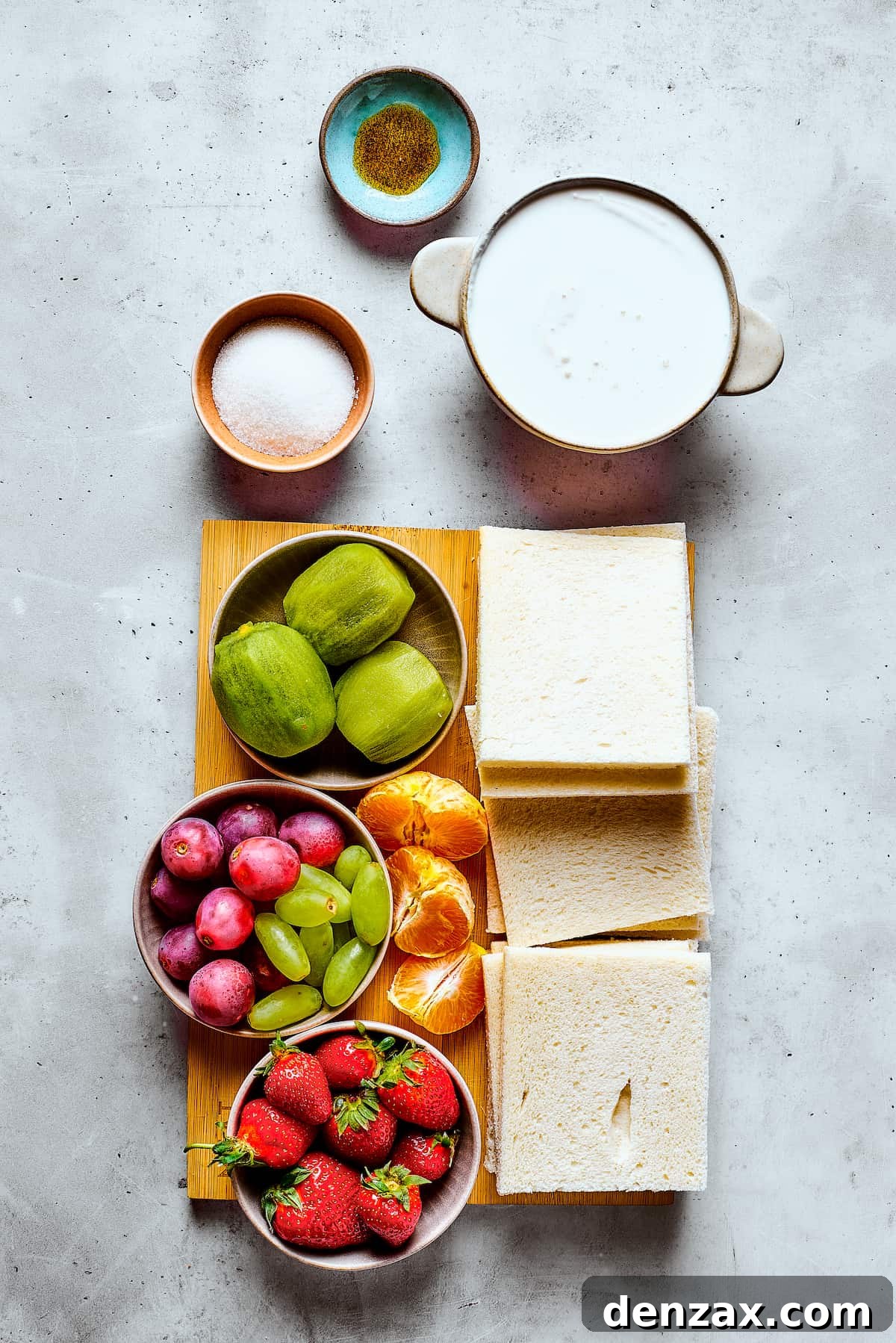
Creating a stellar Fruit Sando relies on a few high-quality, yet readily available, ingredients. Each component plays a crucial role in achieving the signature texture and flavor profile:
- Soft White Sandwich Bread: The foundation of any great Fruit Sando is its bread. Opt for a very soft, fresh white sandwich bread, ideally a Japanese milk bread (shokupan) if you can find it. This bread is incredibly tender, slightly sweet, and provides the perfect pillowy base. The crusts are meticulously trimmed off to ensure a uniformly soft texture and clean aesthetic, essential for the sando’s elegant presentation.
- Heavy Whipping Cream: This is the heart of the creamy filling. Use cold heavy whipping cream (with at least 36% fat content) to ensure it whips up into stiff, stable peaks. The richness of the cream provides a luxurious contrast to the fruit, creating that signature cloud-like interior.
- Granulated or Caster Sugar: To perfectly sweeten the whipped cream, granulated sugar or finer caster sugar is ideal. Caster sugar dissolves more easily, preventing a gritty texture. The amount can be adjusted to your taste, allowing the natural sweetness of the fruit to shine through.
- Pure Vanilla Extract: A touch of pure vanilla extract elevates the whipped cream, adding a warm, aromatic depth that complements the fruit beautifully. While optional, it’s highly recommended for enhancing the overall flavor profile of your sando.
- Assorted Fresh Fruit: This is where you can truly let your creativity bloom. The best fruits for sando are those that are ripe, firm, and offer a good visual contrast. Classic choices include bright red strawberries (often sliced lengthwise), vibrant green kiwis (peeled and sliced into rounds), plump grapes (halved), and juicy mandarin oranges (segmented). Consider fruits that hold their shape well and aren’t overly watery, such as mango, peaches, or even blueberries.
Step-by-Step Guide: How to Master the Art of Fruit Sando
Crafting a Japanese Fruit Sando is a delightful and surprisingly simple process. The key to its signature neatness and beauty lies in careful layering, precise wrapping, and adequate chilling. The chilling step, especially with gentle pressure, is crucial for setting the cream and ensuring your slices are perfectly even and gorgeous.
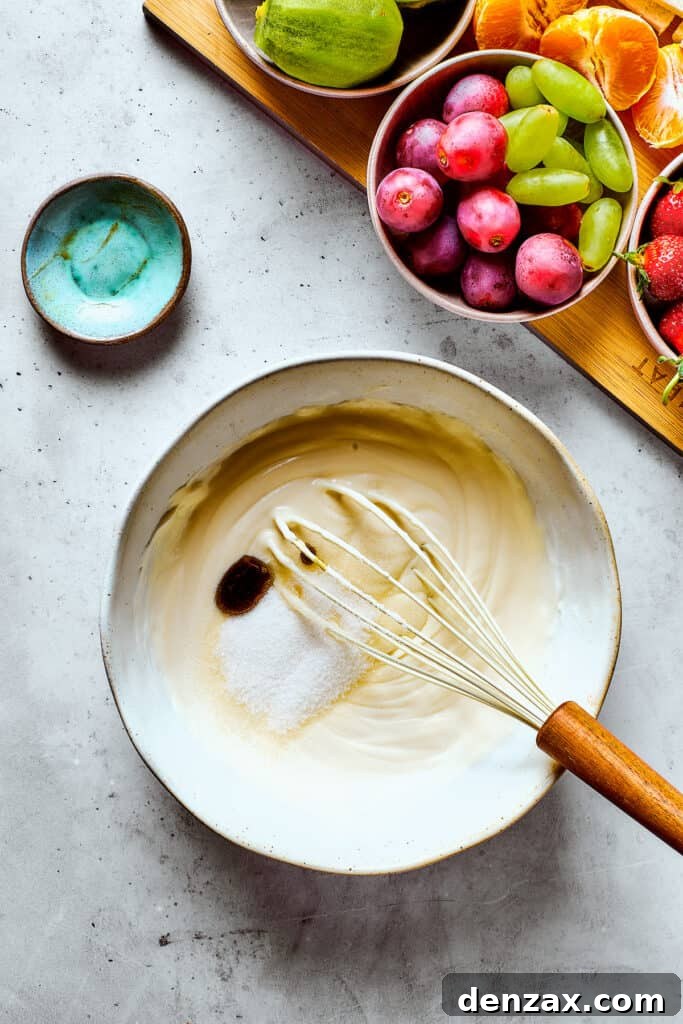
- Prepare Your Bread and Whip the Cream to Perfection: Begin by carefully trimming the crusts off each slice of white bread. Use a sharp knife, like a bread knife, to achieve clean, straight edges – this makes a significant difference in the final presentation. Next, in a chilled mixing bowl, combine your cold heavy cream, granulated sugar, and vanilla extract. Whip this mixture using an electric mixer on medium speed until it transforms into light, fluffy, and stiff peaks. The cream should hold its shape firmly when the beaters are lifted.
- Lay the Foundation: Cream on Bread: Lay out your prepared bread slices on a clean work surface. Using an offset spatula or the back of a spoon, spread a thin, even layer of the whipped cream onto each slice. This initial layer acts as an adhesive and creates a barrier for the fruit.
- Artful Fruit Arrangement: Now for the creative part! Carefully arrange your chosen fruits on top of the cream on half of your bread slices. As you place them, visualize how the sandwich will be cut diagonally. Aim to create a pattern where the sliced fruits will be prominently displayed in the cross-section. For example, if using strawberries, you might place them tip-to-tip down the center diagonal line you plan to cut. For kiwi, align slices to ensure a full, round pattern.
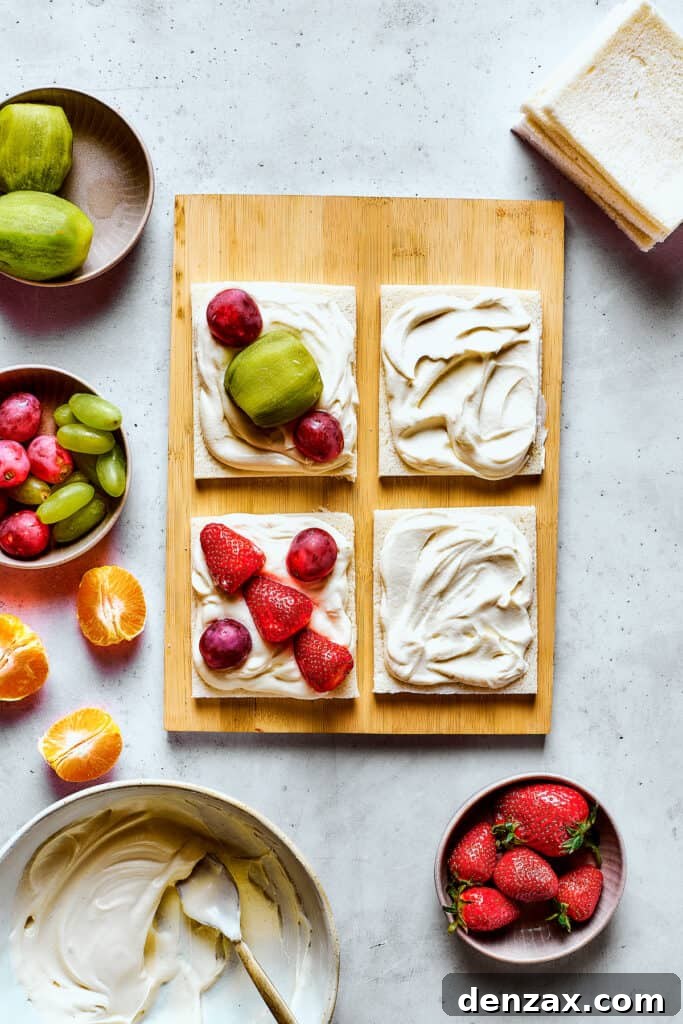
- Envelop with More Whipped Cream: Once your fruit pattern is set, generously spoon the remaining whipped cream over the fruit layer. Gently press and spread the cream, ensuring it completely surrounds each piece of fruit and covers the entire surface. This step is vital for holding the fruits in place and preventing air pockets, which can lead to soggy sandwiches.
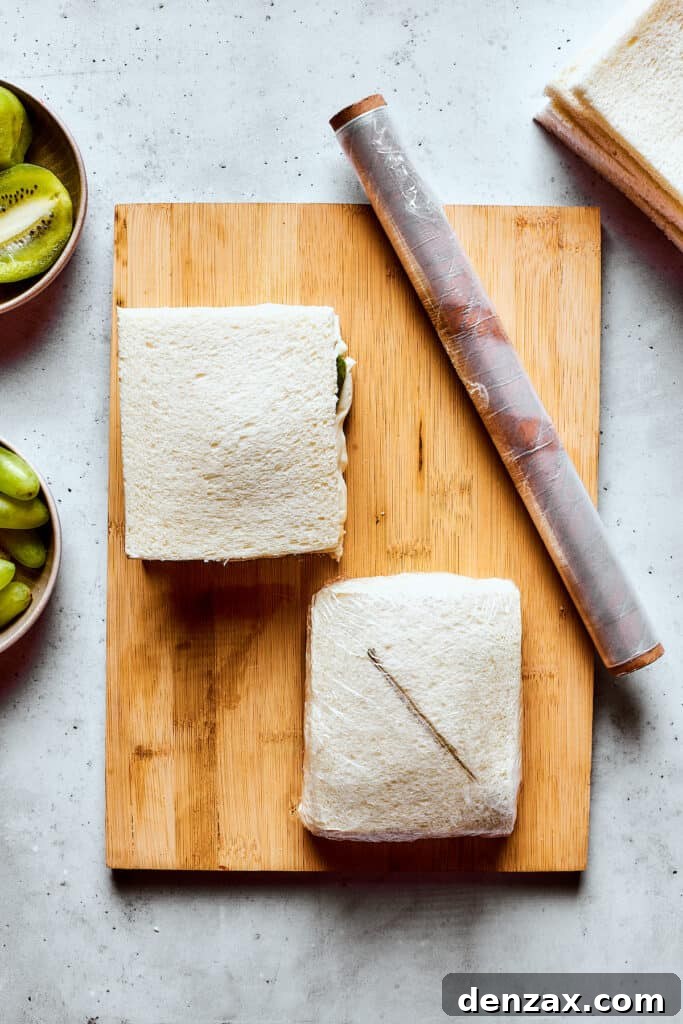
- Assemble, Wrap, and Mark: Carefully place the remaining plain bread slices on top of the cream-covered fruit. Gently press down to secure the sandwich. Next, wrap each sandwich individually and tightly in plastic wrap. For easier slicing later, use a food-safe marker to draw a line on the plastic wrap indicating where you intend to cut the sandwich, typically on the diagonal to reveal the fruit pattern.
- Press and Chill for Stability: Place the tightly wrapped sandwiches on a flat tray or baking sheet. To help them firm up and ensure an even, compact shape, place another flat surface (like a plate or a smaller cookie sheet) on top of the sandwiches. Then, add a gentle weight on top of this surface – a couple of soup cans, bags of beans, or even coffee mugs work perfectly. This gentle pressure helps compress the sando, ensuring the cream sets properly and the fruit stays in place. Chill the sandwiches in the refrigerator for at least one hour, or preferably longer, to allow everything to firm up.
- Slice and Serve with Panache: When you’re ready to enjoy your masterpiece, unwrap each chilled sandwich. Following your marked lines, use a very sharp, clean knife to cut the sandwiches as planned. Place them artfully on a platter, showcasing their vibrant interiors, and serve immediately to savor their fresh, creamy goodness!
Pro Tips for a Perfectly Gorgeous Fruit Sando
While making a Fruit Sando is straightforward, a few expert tips can elevate your creation from good to absolutely outstanding. Keep these pointers in mind for a consistently flawless and picture-perfect sweet sandwich:
- Strategic Timing is Key: Don’t underestimate the time required for each stage. You’ll need sufficient time to meticulously whip the cream, carefully prepare and slice your fruits, thoughtfully arrange your desired patterns, and, crucially, allow adequate chilling time for the sandwiches to firm up. I always recommend budgeting more time than you think you’ll need to avoid feeling rushed, especially if you’re aiming for that flawless, professional look.
- Mastering the Whipped Cream: This is arguably the most critical component. It is paramount to whip the heavy cream to stiff, fluffy peaks. This means that when you lift the beaters from the cream, the peaks should hold their shape without collapsing or sinking back into the bowl.
- Under-whipping: If your cream is under-whipped, it will be too soft and runny, leading to soggy sandwiches and a messy presentation as it won’t hold the fruit properly.
- Over-whipping: Conversely, over-whipping will cause the cream to separate and become grainy, eventually turning into butter. Aim for that perfect, stable, airy consistency. Using a chilled bowl and chilled beaters can significantly help in achieving perfect peaks faster.
- Optimize Your Make-Ahead Strategy: The good news is that Fruit Sandos are excellent make-ahead treats! You need to chill the sandwiches for at least one hour for the cream to properly set and the bread to absorb some moisture, making them easier to cut. However, you can extend this chilling period for up to two days. If you plan for longer storage, be especially mindful of your fruit selection. Opt for firm, less watery fruits that won’t easily become mushy or discolor over time. Berries, especially whole, uncut ones, are excellent choices for extended freshness. Avoid fruits that release a lot of liquid or oxidize quickly, as they can compromise the texture and appearance.
- Precision Cutting for Visual Impact: I prefer to cut my sandwiches on the diagonal, as this often creates the most dramatic and appealing display of the fruit pattern within. However, you are free to cut them however you like:
- In half: A simple horizontal or vertical cut.
- Into squares: Ideal for bite-sized portions.
- Into small triangles: Another charming option for tea parties.
You can even serve the sandwiches whole for a more rustic, yet still elegant, presentation. Always use a very sharp, clean knife, wiping the blade between each cut for the cleanest edges.
- Choosing the Right Bread: While any soft white bread can work, for an authentic Japanese experience, seek out Shokupan (Japanese milk bread). Its unparalleled softness, subtle sweetness, and fine crumb elevate the sando significantly.
- Fruit Preparation: Ensure all fruits are thoroughly washed and dried. Any excess moisture will make your bread soggy. Peel fruits like kiwi and oranges, and trim stems from strawberries. Consistent sizing of fruit pieces will help create a neater pattern.
Delightful Serving Suggestions for Your Fruit Sando
While Japanese Fruit Sandos undoubtedly fall into the category of sweet desserts or snacks, their light, creamy, and fruity nature also makes them a fantastic accompaniment for a savory lunch or brunch spread. If you choose to integrate them into a more substantial meal, consider pairing your vibrant Fruit Sando with one of these complementary savory mains or sides:
- Pasta Salad Harmony: A cold, refreshing pasta salad provides a wonderful textural and flavor contrast to the sweet creaminess of a fruit sando. Imagine a light, zesty pasta salad alongside your fruit creation. This Creamy Shrimp Pasta Salad, for instance, offers a summery, light, yet satisfying profile that would beautifully balance the fruit sando’s sweetness. Its savory notes and varied textures create a well-rounded meal.
- Crispy Bacon Bliss: For brunch enthusiasts, the irresistible allure of crisp, meaty bacon is always a hit. The salty crunch of bacon provides a delightful counterpoint to the soft sweetness of the sando. If you’re hosting brunch, definitely make sure to include this classic on your menu. My foolproof Crispy Oven Baked Bacon method takes all the guesswork out of achieving perfectly rendered, crispy strips every time.
- Egg-cellent Pairings: Eggs are a versatile staple and can be prepared in countless ways to suit any palate. To truly elevate your meal and make mouths water, consider whipping up a batch of Classic Deviled Eggs. Their rich, savory, and slightly tangy flavor profile offers a sophisticated contrast to the light and sweet fruit sando, creating a harmonious and memorable spread. Other egg dishes like a simple scramble, frittata, or even quiche would also work wonderfully.
- Green Salad Refreshment: A simple, fresh green salad with a light vinaigrette can also be a perfect partner. The crispness of the greens and the tang of the dressing provide a refreshing balance that cleanses the palate between bites of the sweet sando.
- Tea or Coffee: For a classic Japanese cafe experience, pair your Fruit Sando with a delicate cup of green tea, a robust black tea, or even a creamy latte. The beverage will enhance the flavors and complete the experience.
Storage Instructions for Maximum Freshness
Proper storage is essential to maintain the pristine condition and delightful taste of your Japanese Fruit Sandos. Their delicate nature requires careful attention to avoid sogginess or spoilage.
- As previously mentioned, your assembled Fruit Sandos should always be stored wrapped tightly in plastic wrap. This protective layer is crucial for preventing the bread from drying out and the cream from absorbing refrigerator odors. Place the wrapped sandwiches directly in your refrigerator. They can be stored anywhere from a minimum of one hour (for setting) up to two days while maintaining optimal freshness and taste.
- Choosing the Right Fruit for Storage: If you intend to store your Fruit Sandos for the longer end of this spectrum (up to two days), make a conscious choice about your fruits. Prioritize firm, non-watery fruits that are less prone to discoloration or becoming mushy. Whole, uncut berries (like blueberries or raspberries) tend to hold up exceptionally well. Fruits like kiwi, firm strawberries, and mandarin segments are also good candidates. Avoid very soft or highly watery fruits if planning longer storage, as they can release moisture and make the bread soggy.
- Do Not Freeze: It is strongly advised against freezing Fruit Sandos. The freezing and thawing process will invariably alter the delicate texture of both the bread and the whipped cream, causing the cream to weep and the bread to become damp and watery, ultimately ruining the sandwich’s enjoyable qualities.
- Keep Chilled Until Serving: For the best experience, always keep your Fruit Sandos chilled until just before serving. This ensures the cream remains firm and the overall sandwich is refreshing and structurally sound.

Japanese Fruit Sando
Katerina | Easy Weeknight Recipes
15
1
1 15
4
Ingredients
- 8 slices white bread, crusts trimmed off (Japanese milk bread recommended)
- 1½ cups heavy cream (cold)
- 2 tablespoons granulated sugar (or caster sugar)
- 1 teaspoon pure vanilla extract
- Assorted fresh fruits, for serving, such as strawberries (sliced), kiwi (peeled and sliced), grapes (halved), and mandarin oranges (segmented)
Instructions
-
1. Use a sharp knife to carefully trim off the crusts of all 8 bread slices, ensuring clean, straight edges.
-
2. In a large, chilled mixing bowl, whip the cold heavy cream using an electric mixer on medium speed until it begins to thicken. Add the granulated sugar and vanilla extract, then continue whipping until stiff peaks form. The cream should hold its shape when the beaters are lifted.
-
3. Lay out the 8 trimmed slices of bread on a clean work surface. Spread a thin, even layer of the prepared whipped cream onto each slice.
-
4. On 4 of the bread slices (which will be the bottom halves), artfully arrange a layer of your chosen fruits. Remember to consider the diagonal cut you will make later to ensure the fruit pattern is visible and appealing. You can mix and match different fruits according to your preference.
-
5. Take the remaining whipped cream mixture and generously spoon it over the fruit layer on the bottom halves, spreading it evenly to completely cover the fruit and fill any gaps. This helps to secure the fruit and create a thick, creamy center.
-
6. Place the remaining four slices of bread (which already have a thin layer of cream) on top of the cream-covered fruit halves, gently pressing down to form the sandwiches.
-
7. Individually and firmly wrap each fruit sandwich in plastic wrap.
-
8. Using a food-safe marker, mark the intended diagonal cutting line on the plastic wrap of each sandwich. This visual guide will help you make a perfect cut later.
-
9. Place the wrapped fruit sandwiches on a plate or sheet pan. Then, place another plate or lighter sheet pan on top of the sandwiches, and weigh it down with something heavy and firm (like a couple of soup cans or small books). This gentle pressure helps to press the sandwiches evenly and ensures the cream sets properly. Allow the sandwiches to chill in the refrigerator for at least one hour, or up to two days.
-
10. When ready to serve, unwrap the sandwiches. Following your marked lines, use a very sharp, clean knife (wiping the blade between each cut) to cut the sandwiches into desired shapes, such as triangles (most common for display) or rectangles. You can also leave them as whole sandwiches if you prefer a simpler presentation.
-
11. Serve the Japanese Fruit Sando immediately, or refrigerate for a few more hours to allow the flavors to meld together even further, ensuring a perfectly refreshing treat.
Notes
- Timing is Everything: Remember to allocate ample time for each stage of preparation, including whipping the cream, meticulously prepping and arranging the fruit, and especially the crucial chilling period. Rushing these steps can compromise the final result.
- Achieving Perfect Whipped Cream: The secret to a non-soggy Fruit Sando lies in properly whipped cream. It must reach stiff, fluffy peaks where it holds its shape firmly. Under-whipped cream will make the sandwich watery, while over-whipping can lead to a grainy texture or butter.
- Make-Ahead Considerations: These sandwiches require a minimum of one hour of chilling to set. For longer storage (up to two days), opt for firm, less watery fruits that won’t easily become soft or discolored. Berries are generally excellent for this, particularly when whole.
- Cutting for Display: While diagonal cuts are popular for showcasing the fruit, feel free to cut your sandwiches into halves, squares, or smaller triangles depending on your preference and the occasion. A very sharp knife is key for clean cuts.
Nutrition facts are estimates only.
Nutrition (per serving, estimated)
- Calories: 566 kcal
- Carbohydrates: 59g
- Protein: 8g
- Fat: 34g
- Saturated Fat: 21g
- Polyunsaturated Fat: 2g
- Monounsaturated Fat: 8g
- Trans Fat: 0.01g
- Cholesterol: 101mg
- Sodium: 272mg
- Potassium: 303mg
- Fiber: 4g
- Sugar: 31g
- Vitamin A: 1849 IU
- Vitamin C: 4mg
- Calcium: 173mg
- Iron: 2mg
Nutritional info is an estimate and provided as courtesy. Values may vary according to the ingredients and tools used. Please use your preferred nutritional calculator for more detailed info.
Did you make this delightful Japanese Fruit Sando? We’d love to hear your thoughts and see your beautiful creations! Consider leaving a rating or sharing your experience in the comments below.