
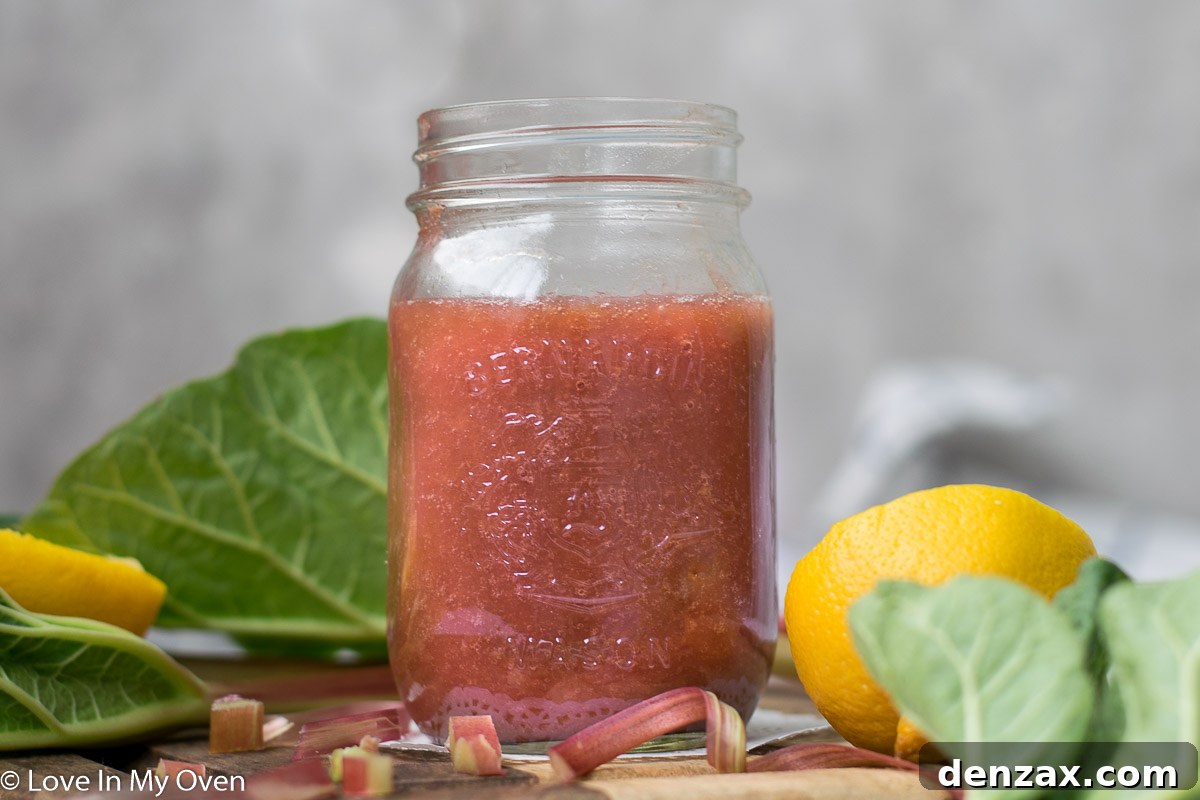
This incredibly simple 3-ingredient rhubarb butter recipe is your perfect solution for utilizing that abundant rhubarb harvest! Effortlessly delicious and versatile, it’s ideal for topping toast, enriching pancakes, or stirring into your morning oatmeal.
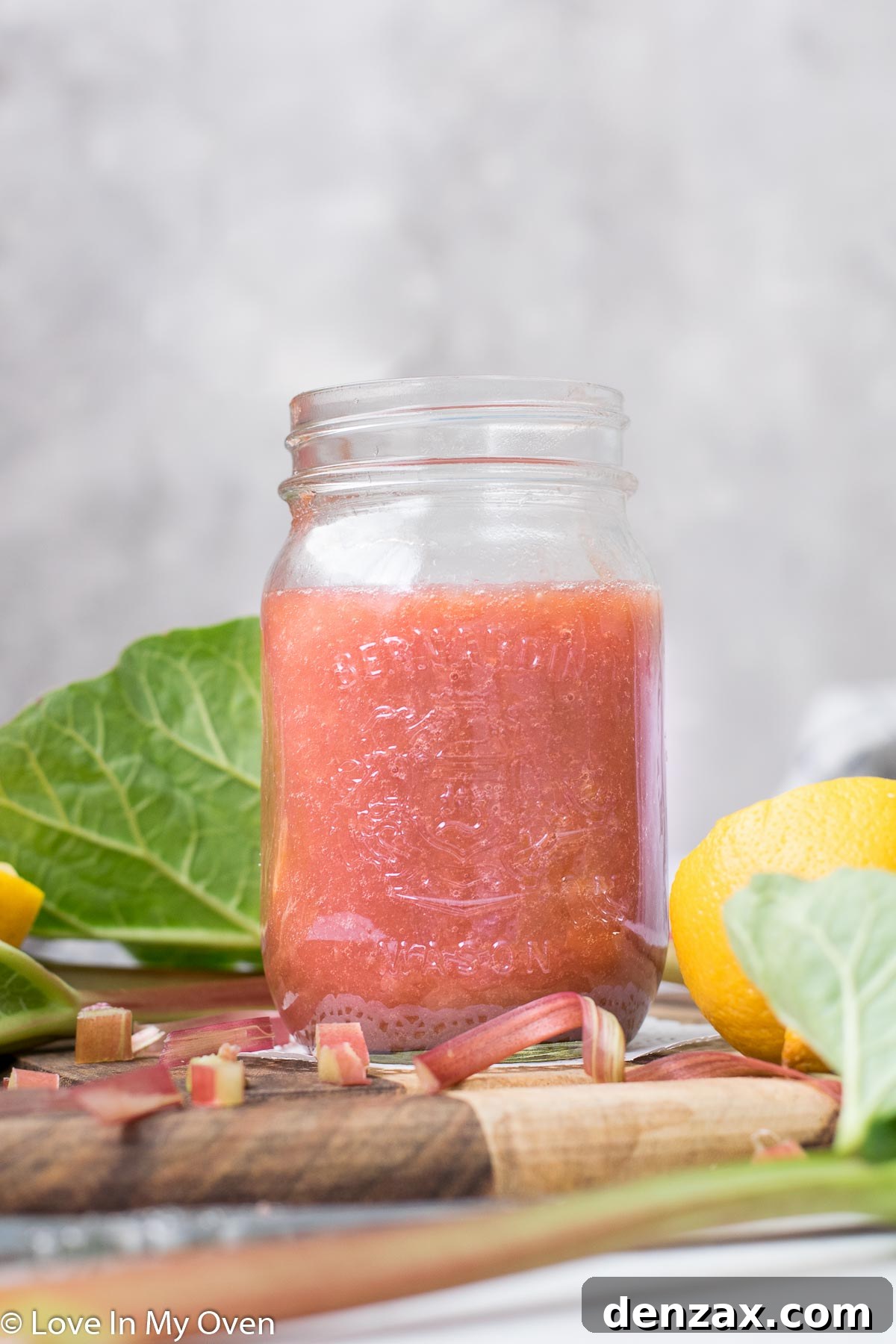
There’s a unique satisfaction that comes with crafting your own fruit butter at home. While I’ve often turned to my slow cooker for delicious batches of apple butter (a recipe I absolutely must share soon!), and have also explored the comforting flavors of pumpkin butter, this delightful rhubarb butter marks a new favorite in my culinary repertoire. Its creation stemmed from a familiar dilemma many gardeners face: an overwhelming abundance of rhubarb! Even as May unfolds, my rhubarb patch is a vibrant, bushy spectacle, overflowing with stalks begging to be transformed.
I confess, I’ve tried to exercise restraint, wanting my rhubarb plant to thrive and yield abundantly throughout the season. However, the allure of fresh, homemade treats, especially those incorporating the quintessential spring pairing of strawberry and rhubarb, proved irresistible. It’s a joyful challenge to keep up with the harvest, and inevitably, a good portion often ends up frozen by the season’s end. While my family might occasionally tire of my rhubarb-centric meals, my passion for these recipes remains undimmed, making inventive solutions like this rhubarb butter all the more valuable!
Why Choose Homemade Rhubarb Butter?
Beyond the simple pleasure of cooking from scratch, making your own rhubarb butter offers a host of benefits. Firstly, you have complete control over the ingredients, allowing you to choose fresh, high-quality rhubarb, adjust sweetness to your preference, and avoid any artificial preservatives or additives often found in store-bought spreads. Secondly, it’s an incredibly economical way to utilize an abundant harvest. Rhubarb often grows prolifically, and turning it into butter ensures none of that precious produce goes to waste.
Rhubarb itself is a fascinating ingredient. Though often treated as a fruit in culinary applications, it’s botanically a vegetable, packed with fiber and a distinct tartness that makes it incredibly versatile. When transformed into a butter, its vibrant flavor mellows and sweetens, creating a spread that is both familiar and exciting. This recipe, with its minimal ingredient list, embodies simplicity without compromising on taste, making it an accessible project for even novice home cooks. The deep reddish-pink hue of homemade rhubarb butter is also a feast for the eyes, promising a delightful sensory experience with every spoonful.
The 3-Ingredient Magic: How to Make Rhubarb Butter
As I pride myself on simple, approachable recipes, this rhubarb butter perfectly fits the bill, requiring just three core ingredients. Yes, there’s water too, which some might argue pushes the count to four. But in the spirit of focusing on the star components that truly define the flavor, I consider water more of a necessary medium for cooking than a foundational ingredient in itself. Let’s not get bogged down in semantics when there’s deliciousness to be made!
For this incredibly easy rhubarb butter, you’ll need:
- 4 cups of fresh rhubarb, finely chopped (approximately 1 pound). Look for firm, vibrant stalks for the best results.
- The fresh juice of 1 lemon (about 2-3 tablespoons), which not only brightens the flavor but also acts as a natural preservative.
- 1/2 cup of natural honey, for a touch of sweetness and a lovely golden hue.
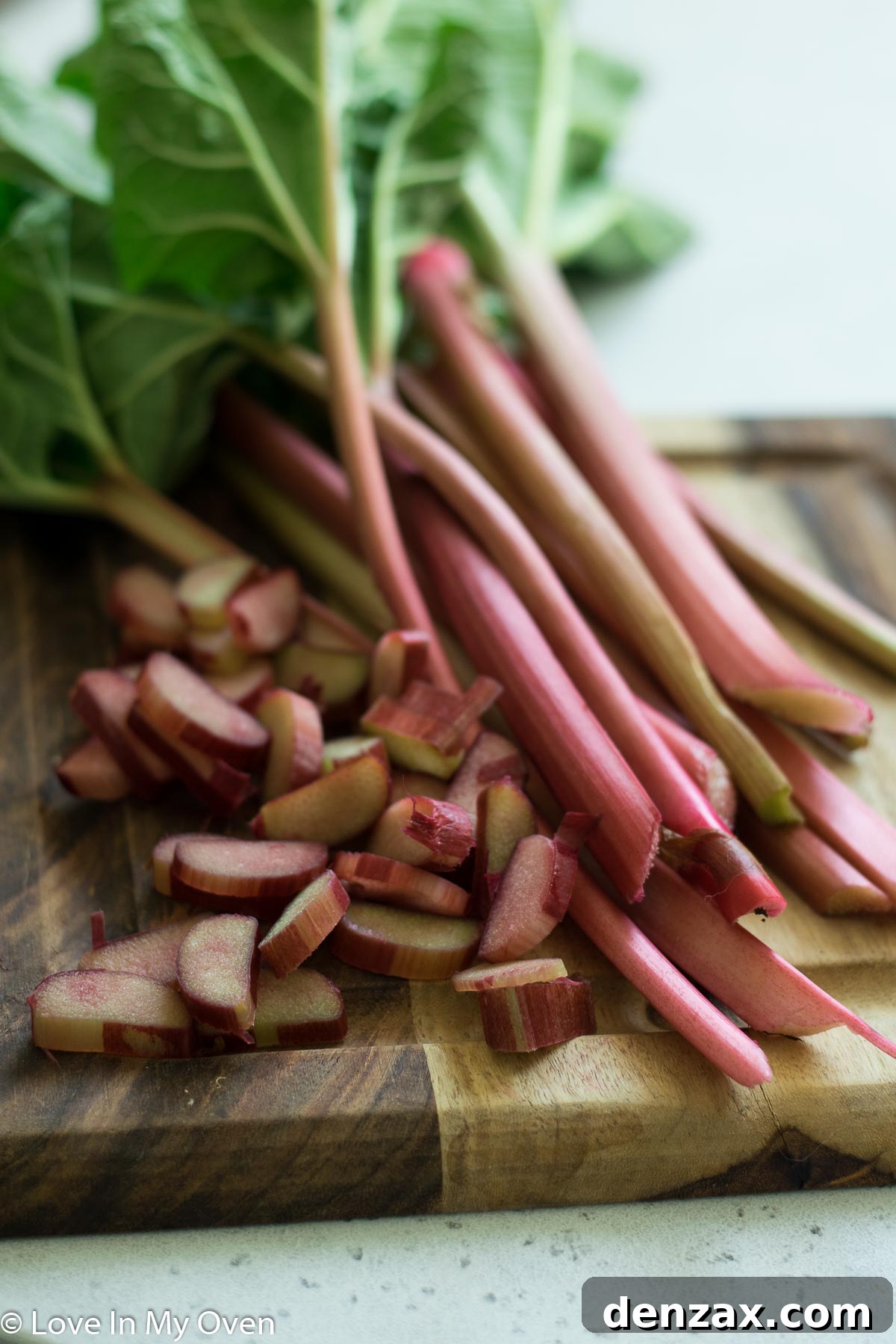
While granulated sugar is a perfectly acceptable substitute for honey, I personally adore the nuanced sweetness and natural benefits that honey imparts. Its unique floral notes complement the rhubarb beautifully, adding a layer of complexity that granulated sugar simply can’t replicate. You will also need about 1/4 cup of water to help the rhubarb break down initially, ensuring a smooth and even cook without scorching.
Step-by-Step Guide to Perfection:
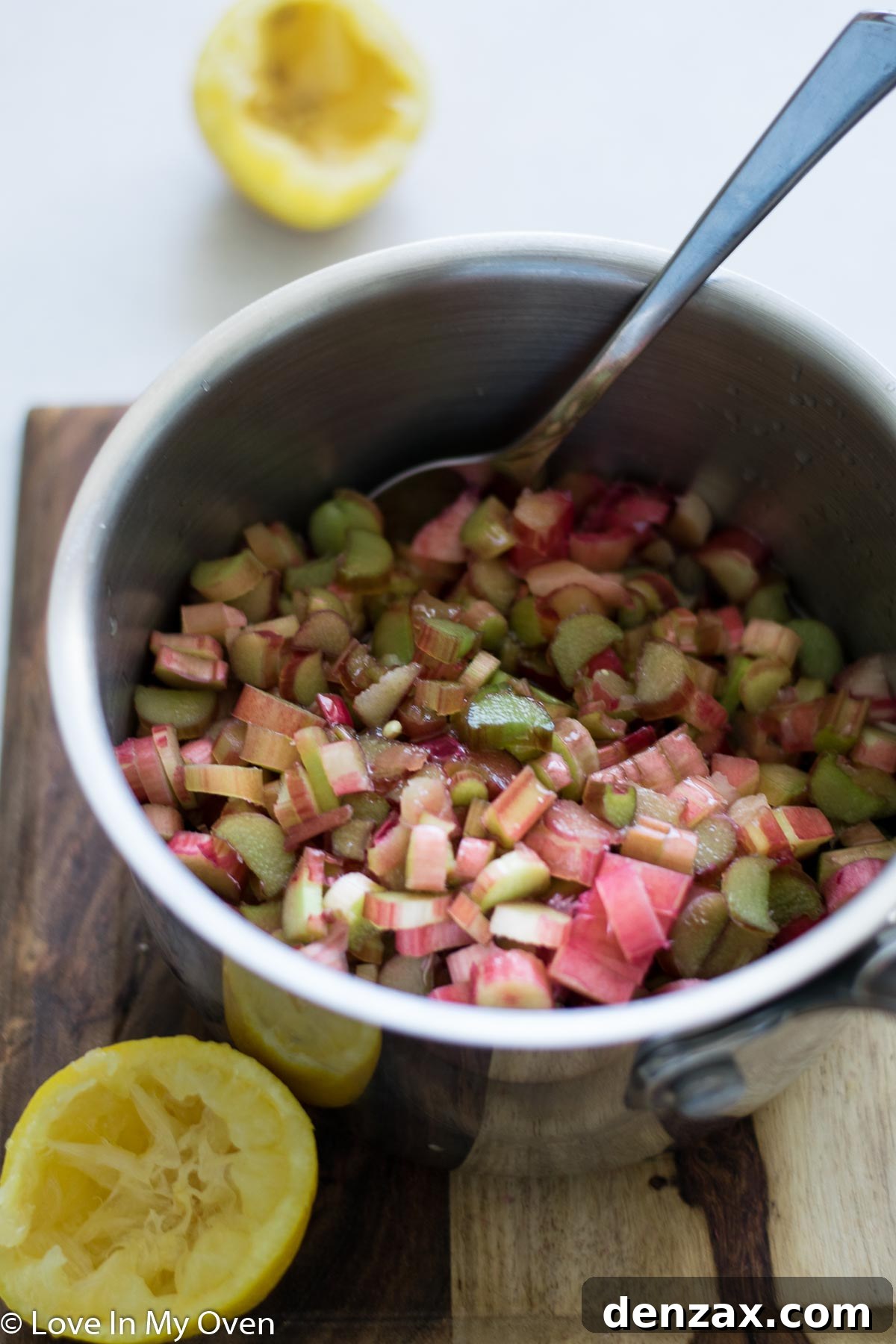
- **Combine and Begin Cooking:** Start by combining your precisely chopped rhubarb, the vibrant fresh lemon juice, the rich natural honey, and the 1/4 cup of water in a small, heavy-bottomed pot. Place the pot over medium-high heat to quickly bring the mixture to a vigorous boil. This initial high heat helps to tenderize the rhubarb rapidly and begin the breakdown process.
- **Simmer to Softness:** Once the mixture is bubbling enthusiastically, reduce the stove temperature to a steady medium-low. Allow everything to simmer gently for about 20-25 minutes. During this crucial stage, the rhubarb will soften considerably, gradually breaking down into a tender, jam-like consistency. Remember to stir occasionally, every few minutes, to prevent any sticking to the bottom of the pot and ensure uniform cooking. You’ll notice the color deepen to a beautiful pink and the aroma become wonderfully sweet and tangy, signaling its readiness for the next step.
- **Blend to Velvety Smoothness:** Remove the pot from the heat. This is where the magic truly happens! Using either a food processor for larger batches, a traditional blender (be careful with hot liquids, blend in batches if necessary, and use a vented lid), or my personal favorite for convenience and minimal mess, an immersion blender directly in the pot, carefully blend the entire mixture until it achieves a perfectly smooth, velvety consistency. Take your time to ensure there are absolutely no fibrous chunks remaining; aim for a consistency akin to a thick fruit puree.
- **Return and Thicken:** Pour the now-smooth rhubarb puree back into the same clean pot. Return it to the stove, setting the heat to a very low simmer. This stage is crucial for developing the rich, spreadable texture of the butter. Allow the mixture to simmer for approximately 2 hours, or until it has noticeably thickened. Stir every 15-20 minutes to prevent scorching and ensure uniform thickening. The butter should coat the back of a spoon without running off quickly, indicating it’s reaching its ideal density.
- **Cool and Set:** Once thickened to your liking, remove the pot from the heat. Carefully transfer the warm rhubarb butter into clean, sterilized, heat-proof containers or jars. Allow it to cool completely at room temperature for a while before transferring it to the refrigerator. The cooling process, especially a minimum of 4-5 hours in the fridge, is essential, as the butter will continue to thicken significantly as it chills and sets.
- **Ready to Enjoy:** After its dedicated cooling period, your homemade rhubarb butter will be perfectly set, firm, and ready to spread! Its vibrant flavor and smooth texture make it an irresistible addition to countless dishes.
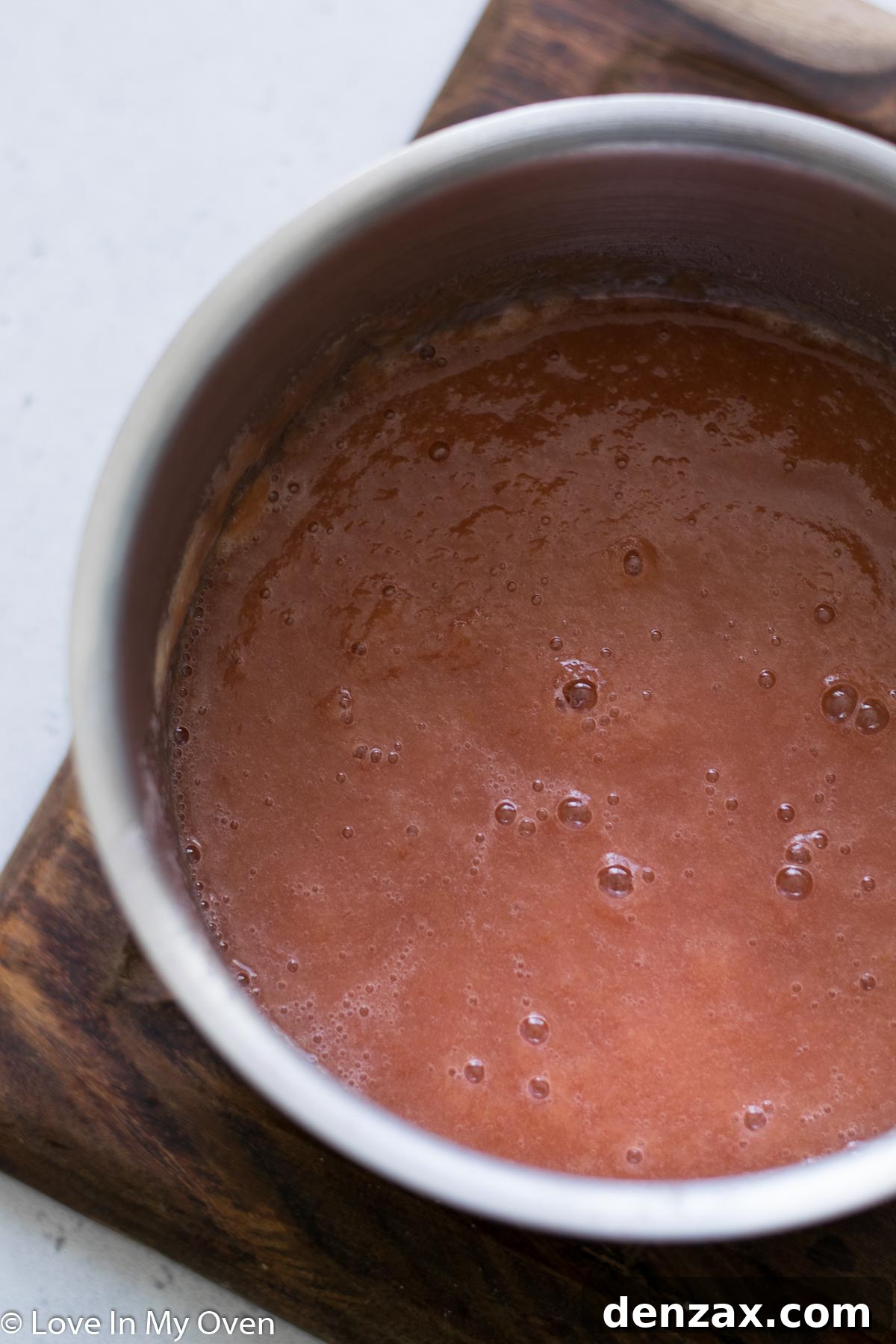
This simple, yet meticulous process yields a vibrant, flavorful spread that captures the very essence of fresh rhubarb with minimal effort. It’s a true testament to how a few core ingredients and a little patience can create something truly extraordinary and deeply satisfying.
Creative Ways to Enjoy Your Rhubarb Butter: Beyond the Basics
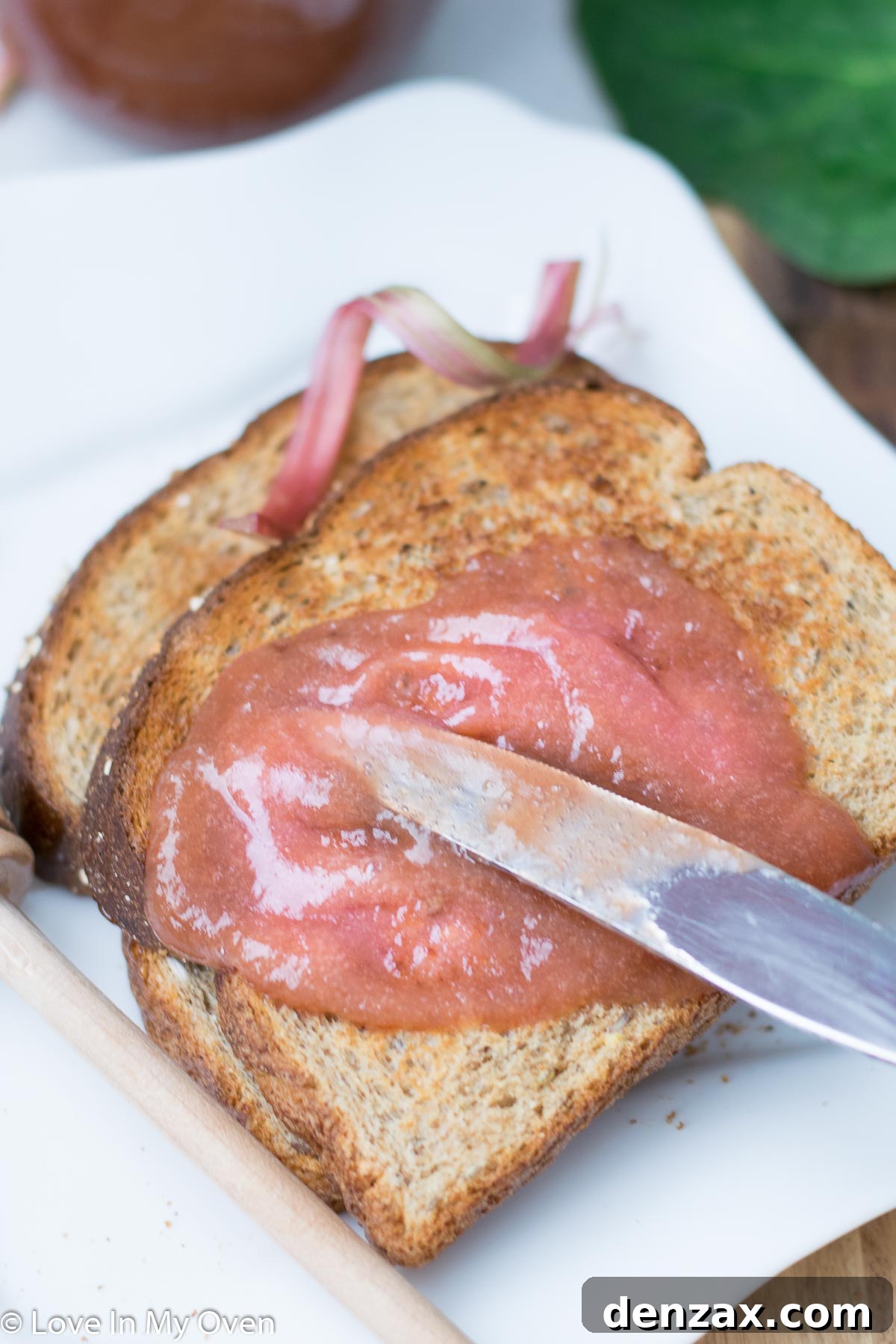
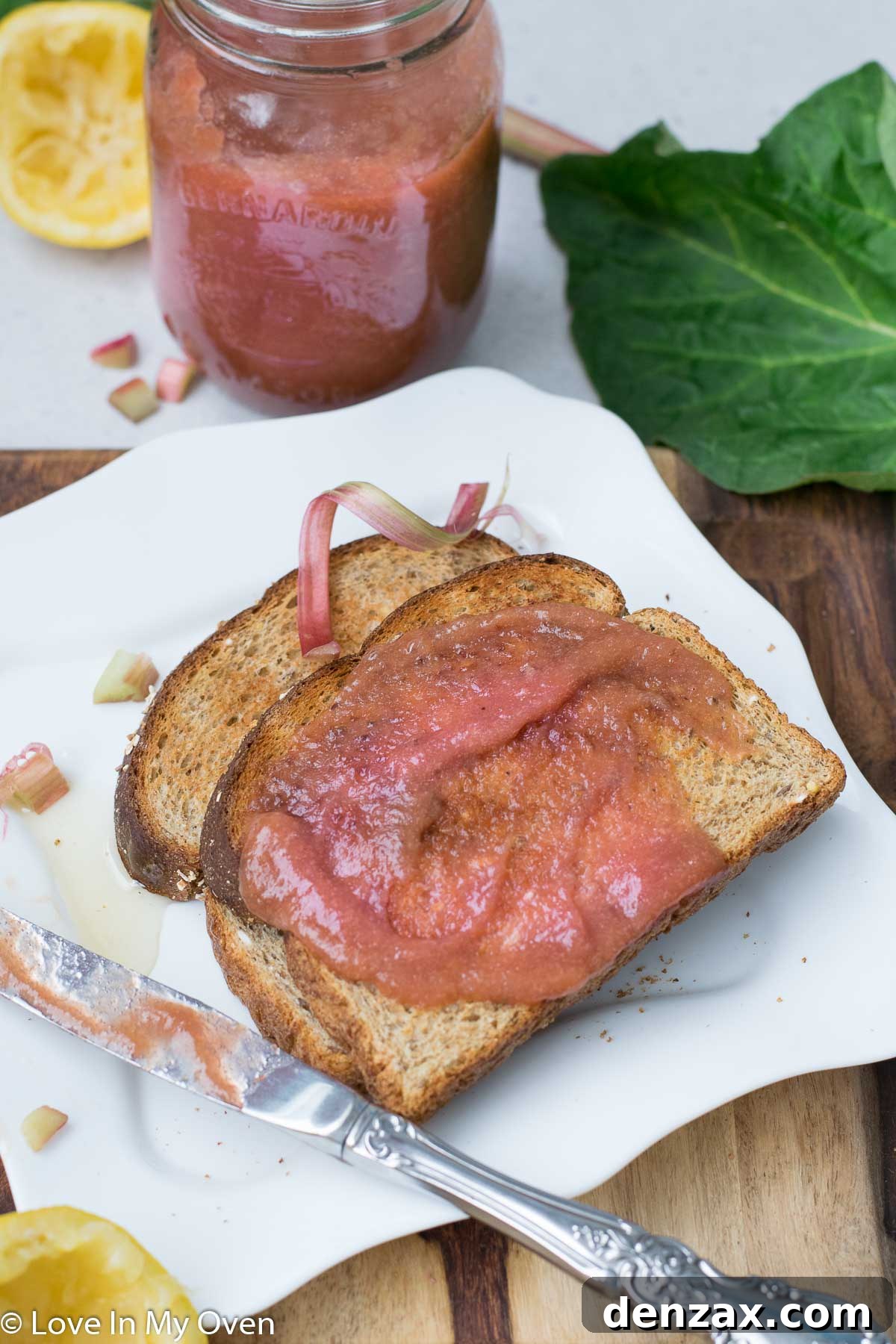
Homemade fruit butter is incredibly versatile, adding a burst of flavor to a myriad of dishes, transforming everyday meals into something special. While this rhubarb butter shines as a simple spread over a warm, crusty piece of toast, its potential extends far beyond the breakfast table. Despite rhubarb’s characteristic tartness, the natural sweetness of honey and the bright acidity of lemon juice in this recipe balance it beautifully, resulting in a sweet, tangy, and wonderfully scrumptious spread, reminiscent of a delicate fruit curd with a unique flavor profile.
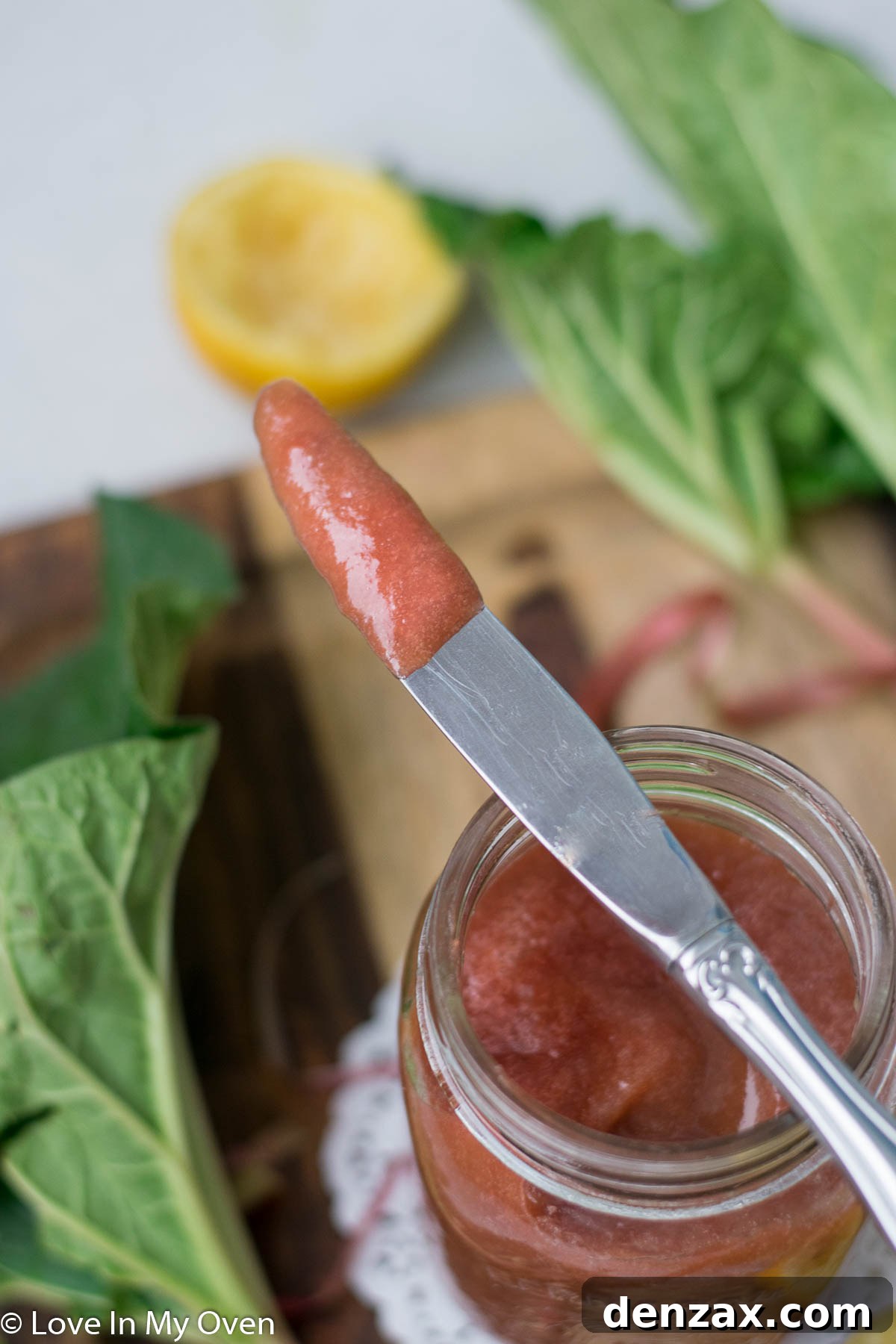
Delicious Serving Suggestions:
- **Breakfast & Brunch Staples:** Elevate your morning routine by generously spreading it over fluffy homemade pancakes, golden French toast, or warm waffles. It’s also fantastic stirred into a comforting bowl of oatmeal or yogurt for a tangy-sweet twist. You can even incorporate it into baked goods like breakfast cookies, adding moisture, flavor, and a beautiful color.
- **Baking & Dessert Fillings:** Think of this rhubarb butter as a vibrant, unique alternative to traditional lemon curd. It would be absolutely exquisite as a filling for elegant tarts, delicate pastries, thumbprint cookies, or even as the star ingredient in a delicate pavlova, offering a fresh, unexpected flavor profile. Consider swirling it into muffin or cupcake batter, or using it as a vibrant layer in a spring-themed layer cake or cheesecake.
- **Dairy & Frozen Treats:** Stir a generous spoonful into your morning Greek yogurt, cottage cheese, or even mascarpone for added flavor and natural sweetness. It also makes an exceptional topping for vanilla ice cream, or blended into smoothies for an extra boost of fruity goodness and a delightful tang.
- **Savory Pairings (with caution):** While primarily sweet, a small dollop of rhubarb butter can offer a surprisingly intriguing tangy counterpoint to certain savory dishes. Experiment with moderation by serving it alongside roasted pork or chicken, or even as a glaze for spring vegetables. Its tartness can cut through richness beautifully.
- **Artisanal Cheese Boards:** A sophisticated addition to any cheese board, pairing particularly well with creamy, mild cheeses like brie or goat cheese, offering a delightful contrast of textures and flavors.
- **Beverage Enhancer:** A touch of rhubarb butter can even add depth and fruity complexity to bespoke cocktails or non-alcoholic spritzers, creating unique seasonal drinks.
The possibilities are truly endless once you embrace the delicious potential of homemade rhubarb butter. Don’t hesitate to experiment and discover your own favorite applications, sharing your culinary adventures with friends and family!
Storage and Preservation: Maximizing the Life of Your Rhubarb Butter
Proper storage is key to enjoying your homemade rhubarb butter for as long as possible, ensuring that none of your delicious efforts go to waste. When sealed tightly in an airtight container and kept consistently in the refrigerator, this delightful spread will maintain its freshness and quality for a generous period of 10 days to 2 weeks. Beyond this timeframe, you risk the development of mold, so always use your best judgment – if it looks or smells off, it’s best to discard it.
Long-Term Storage Solutions:
- **Freezing for Extended Enjoyment:** This rhubarb butter freezes exceptionally well, making it a perfect candidate for preparing larger batches during peak rhubarb season. Once the butter has completely cooled in the refrigerator, transfer it to freezer-safe containers, such as plastic freezer bags (laying them flat for easy stacking) or rigid plastic containers, leaving a little headspace to allow for expansion. If using glass jars, exercise particular caution as they can crack in the freezer due to temperature changes and the expansion of contents. This insightful article from my friend Vanessa offers fantastic, practical tips on safely freezing in mason jars, which I highly recommend. When ready to use, simply transfer the frozen butter to the refrigerator and allow it to thaw overnight. Frozen rhubarb butter can last for several months (up to 3-6 months), allowing you to savor the taste of spring well into the colder months.
- **Canning for Year-Round Supply:** For truly long-term preservation and a shelf-stable product, canning is an excellent option. If you are familiar with safe home canning techniques and have the necessary equipment, this rhubarb butter recipe is perfectly suited for water bath canning. Once the butter has cooled to room temperature, process it according to established canning guidelines for high-acid fruit spreads. Canning will extend its shelf life significantly, often for a year or even longer in a cool, dark pantry, making it a wonderful homemade gift or a valuable pantry staple for year-round enjoyment. Always ensure proper sterilization of jars and lids, and follow tested canning methods precisely to prevent spoilage and ensure food safety.
Whichever method you choose, taking a little extra time for proper storage ensures that you can savor the bright, sweet-tart flavors of your homemade rhubarb butter for many weeks or months to come. And if you discover any particularly ingenious ways to use or preserve this butter that I haven’t mentioned, please do share your insights in the comments below – I’m always eager to learn new culinary tricks and expand our collective recipe repertoire!
Frequently Asked Questions About Rhubarb Butter
What exactly is fruit butter?
Fruit butter is a rich, smooth fruit spread created by slow-cooking fruit pulp with sugar (or other sweeteners like honey) until it breaks down completely and reaches a very thick, spreadable consistency. Unlike jams or jellies, fruit butter typically does not contain distinct pieces of fruit; instead, it’s blended or pureed to an extremely fine texture, often resembling softened dairy butter, which is where it gets its name. Common examples include apple butter, pumpkin butter, and this delightful rhubarb butter.
Can I adjust the sweetness of this rhubarb butter recipe to my liking?
Absolutely! One of the greatest advantages of homemade recipes is the freedom to customize them. The provided 1/2 cup of honey offers a beautifully balanced sweet-tart flavor profile. If your rhubarb is exceptionally tart, or if you simply prefer a sweeter spread, you can gradually add more honey (or your chosen sweetener like granulated sugar) during the simmering stage. It’s best to taste as you go, remembering that flavors often intensify slightly as the butter cools and sets. Always make adjustments incrementally.
Is it necessary to peel the rhubarb stalks before making butter?
No, there’s absolutely no need to peel rhubarb for this recipe! The skins of rhubarb stalks soften beautifully during the cooking process and will blend seamlessly into the butter. Furthermore, leaving the skins on contributes to the butter’s gorgeous, vibrant pink color and also preserves some of its natural fiber and nutrients. Just ensure your rhubarb stalks are thoroughly washed and trimmed, making certain to remove all leaves, as they contain oxalic acid and are toxic for consumption.
What type of pot is best suited for making homemade rhubarb butter?
For making fruit butter, a heavy-bottomed saucepan or a Dutch oven is highly recommended. The thick base of such pots helps to distribute heat much more evenly across the bottom, which is crucial for preventing the fruit mixture from scorching or sticking, especially during the long, slow simmering stage required for thickening. Materials like stainless steel or enamel-coated cast iron are excellent choices due to their heat retention and non-reactive properties.
My rhubarb butter seems too thin even after simmering for a long time. What should I do?
Thickening fruit butter undeniably requires patience. If, after the recommended 2 hours of simmering on low heat, your rhubarb butter still appears too thin for your liking, don’t worry! Simply continue to simmer it gently, uncovered, stirring frequently (every 10-15 minutes), until it reaches your desired consistency. Keep in mind that the butter will also thicken significantly as it cools completely in the refrigerator. A good test for readiness is to place a small dollop on a chilled plate; if it sets and doesn’t run, it’s likely ready. Ensure your heat remains low enough to prevent burning but sufficient to maintain a consistent, gentle simmer.
Can this rhubarb butter recipe be adapted for a slow cooker?
Yes, many fruit butter recipes, including this one, adapt wonderfully to slow cooking! While the stovetop method is generally quicker, a slow cooker offers a hands-off approach. To adapt, combine all ingredients in your slow cooker and cook on low for approximately 4-6 hours, or until the rhubarb is incredibly soft and easily mashed. Then, use an immersion blender (or carefully transfer to a regular blender) to blend the mixture until smooth. Continue to cook on low, this time uncovered, for another 1-2 hours to allow excess moisture to evaporate and the butter to thicken. Stir occasionally during this final thickening phase.
More Rhubarb Recipes to Love
Rhubarb truly is a culinary marvel, offering a unique tartness that perfectly complements sweet and savory dishes alike. If you find yourself with an abundance of this wonderful seasonal stalk, or simply can’t get enough of its distinctive flavor, you’re in luck! Beyond this incredible, easy-to-make rhubarb butter, there’s a whole world of rhubarb-inspired delights waiting to be explored. Its versatility knows no bounds, from classic desserts to innovative condiments. Here are some of my other favorite rhubarb recipes that celebrate its vibrant character and diverse applications:
- Roasted Strawberry Rhubarb No-Churn Ice Cream: A refreshing, easy-to-make frozen treat that requires no special equipment beyond a freezer.
- Rhubarb Streusel Rolls: Sweet, soft, and pillowy rolls featuring a delightful, tangy rhubarb filling crowned with a buttery, crumbly streusel topping.
- Strawberry Rhubarb Salsa: A surprisingly delicious and vibrant condiment that adds a burst of sweet-tart flavor to grilled chicken, fish, or even simply enjoyed with tortilla chips.
- Double Streusel Strawberry Rhubarb Muffins: Perfect for breakfast, brunch, or an afternoon snack, these moist muffins are packed with juicy fruit and feature a delightful crunch from not one, but two layers of streusel.

Rhubarb Butter
5 Stars 4 Stars 3 Stars 2 Stars 1 Star
5 from 7 reviews
Author: Katherine | Love In My Oven
Total Time: 8 hours
Yield: 1 pint 1x
Description
This 3-ingredient rhubarb butter is an easy way to use up all of that rhubarb! It’s simple and delicious, and goes great over toast, pancakes, or even oatmeal!
Ingredients
- 4 cups rhubarb, chopped into 1/2″ pieces (about 1 pound)
- 1/2 cup honey
- juice of 1 lemon (it doesn’t have to be exact)
- 1/4 cup water
Instructions
- Place all of the ingredients together in a small saucepan, and place it over medium-high heat. Once the mixture begins to bubble and boil, turn it down to medium-low and allow it to simmer, about 25 minutes, stirring every few minutes.
- Remove the pot from heat, then blend the mixture until smooth, using either an immersion blender, high-powered blender, or food processor. Pour the smooth mixture back into the pot, then place it back on the stove over low heat.
- Simmer the rhubarb butter for 2 hours, stirring every so often, until thickened. (It will thicken more as it cools). Pour the butter into a heat-proof container or jar, then place it in the fridge to cool completely, about 4-5 hours. Once cooled, you can use it as a spread on toast, pancakes, or in a baking recipe.
Rhubarb butter will keep in the fridge, in an airtight container, for 10 days to 2 weeks, tightly sealed. Once the butter has completely cooled, you can freeze it for up to months. Thaw overnight in the fridge.
Notes
If you know how to can, this rhubarb butter can easily be canned (once cooled) to last longer!
- Prep Time: 10 minutes
- Cook Time: 3 hours
- Category: spreads
- Method: stovetop
- Cuisine: american