
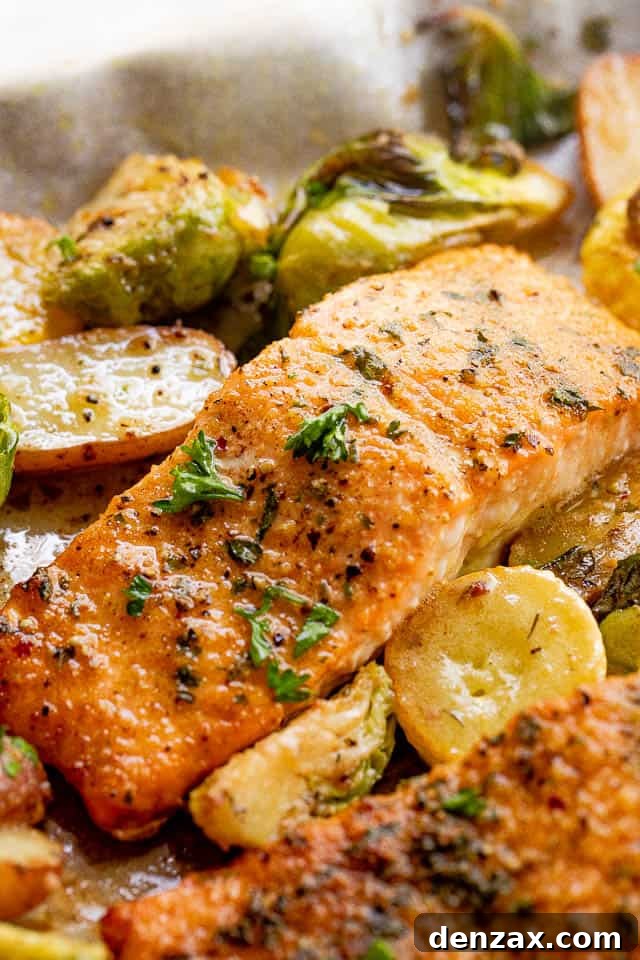
Prepare to make this Old Bay Salmon a cherished addition to your weekly meal rotation! This exceptional recipe transforms fresh salmon fillets into a culinary delight, bursting with the iconic flavor of classic Old Bay seasoning. The beauty of this dish lies not only in its incredible taste but also in its unparalleled simplicity, thanks to an easy oven-roasting method that guarantees perfection every time.
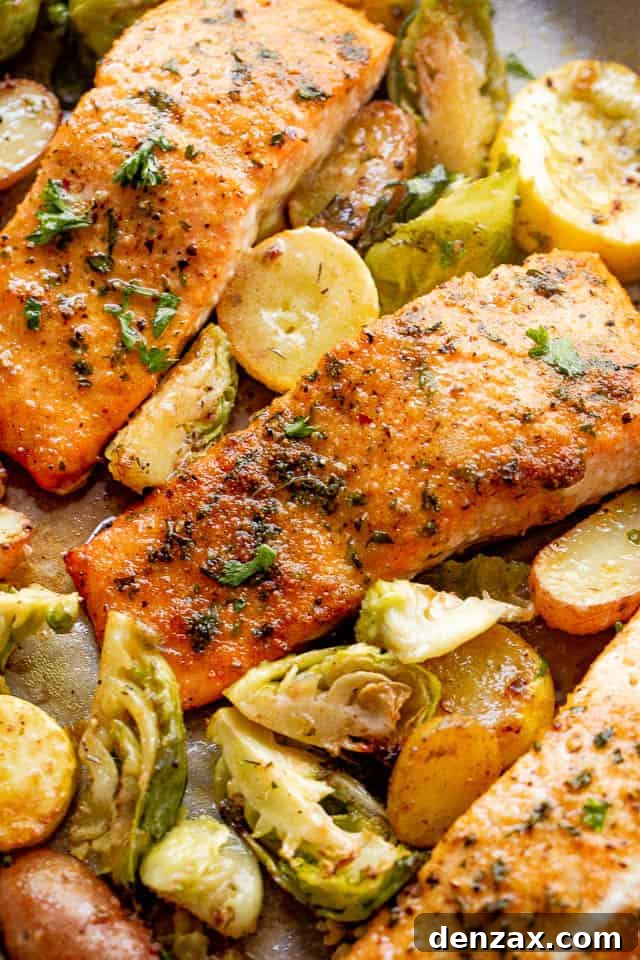
This roasted salmon, infused with the distinctive taste of Old Bay Seasoning, stands out as an ideal choice for anyone seeking a straightforward yet remarkably flavorful meal. Old Bay salmon is more than just a dish; it’s a culinary experience that brings together succulent salmon fillets with a savory, zesty, and slightly spicy blend that has captivated food lovers for generations. It’s a testament to how simple ingredients can create extraordinary flavors.
If you’re already a fan of salmon, you’ll be amazed at how this iconic spice blend elevates this lean seafood. The Old Bay seasoning creates a deliciously crisp exterior while preserving the salmon’s tender, buttery flakiness inside. This recipe offers arguably the easiest and most delicious way to prepare fish in your own kitchen. With just a handful of common pantry staples, you can effortlessly assemble a healthy, family-friendly dinner that’s ready in under 30 minutes, making it absolutely perfect for those busy weeknight meals.
What Is Old Bay Seasoning? Unveiling the Classic Flavor
Old Bay is far more than just a seasoning; it’s a culinary legend with a rich history, gracing kitchens and seafood shacks for over 80 years. Originating in Baltimore, Maryland, this classic blend has become synonymous with fresh seafood, particularly crab and shrimp boils, but its versatility shines through in countless dishes. While the precise formula remains a closely guarded secret, the unmistakable flavor profile comes from a harmonious blend of key ingredients, including piquant black pepper, a gentle kick from red pepper, earthy paprika, and sharp dry mustard. Together, these spices create a bold flavor that instantly “kicks things up a notch,” especially when paired with the delicate nuances of seafood.
Beyond its spicy and savory notes, Old Bay also features a wonderful herbaceous quality, largely attributed to celery salt and the subtle, aromatic presence of bay leaf. Some connoisseurs also detect faint spicy undertones, perhaps from hints of cardamom or nutmeg, contributing to its complex and addictive profile. This unique combination delivers a balanced flavor that is both deeply savory and subtly aromatic, making it incredibly versatile. Whether you’re seasoning seafood, poultry, vegetables, or even popcorn, Old Bay provides a distinctive taste that is both familiar and exciting. Its widespread popularity in coastal regions and beyond solidifies its status as a pantry essential for anyone who appreciates vibrant, well-seasoned food.
Essential Ingredients for Perfect Old Bay Salmon
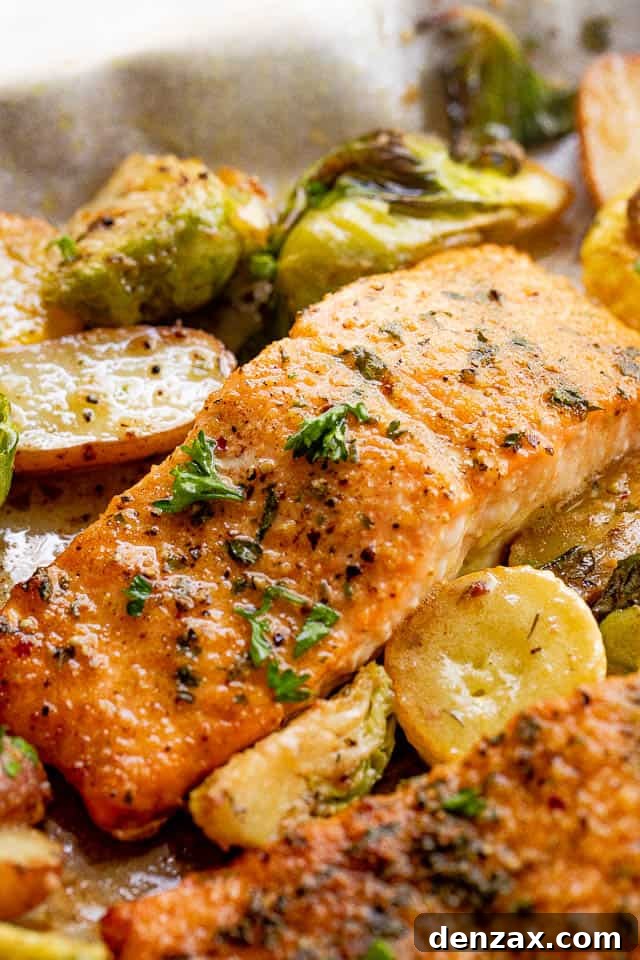
Crafting this oven-baked salmon is incredibly quick and consistently yields perfectly golden-brown, flaky results. You’ll be delighted to find that you only need a few straightforward ingredients, many of which are likely already stocked in your pantry. Each component plays a vital role in building the dish’s incredible flavor and texture. For precise measurements and comprehensive step-by-step instructions, please refer to the detailed recipe card below.
- Salmon Fillets: The star of our dish! This recipe typically calls for about 1 to 1.5 pounds of fresh salmon fillets. When selecting salmon, look for bright, vibrant flesh and a firm texture. You can opt for skin-on or skin-off fillets, though skin-on can help keep the fish moist and provide a crispy layer. Ensure your fillets are roughly the same thickness for even cooking.
- Olive Oil: Essential for brushing onto the salmon, olive oil helps the seasoning adhere, promotes a beautiful golden crust, and keeps the fish moist during roasting. Approximately 2 tablespoons of good quality olive oil will suffice. Extra virgin olive oil offers a richer flavor, while virgin or even avocado oil are excellent alternatives due to their high smoke points and neutral taste.
- Old Bay Seasoning: The signature flavor of this dish! You’ll need about 1 teaspoon of this classic seasoning blend to infuse the salmon with its distinctive savory, spicy, and aromatic notes. If you ever wish to experiment, consider trying a homemade seafood seasoning blend for a slightly different take.
- Garlic Powder & Onion Powder: These fundamental aromatics provide a foundational layer of savory depth, enhancing the rich flavor of the salmon without the moisture content of fresh garlic or onion, which can sometimes burn at high temperatures. About ½ teaspoon of each will create a robust base.
- Dried Dill Weed & Dried Parsley: These classic herbs are chosen for their ability to complement salmon’s natural taste. Dried dill offers a fresh, slightly tangy note that pairs wonderfully with fish, while dried parsley contributes a mild, earthy freshness, adding a beautiful contrast and aromatic complexity to the spice blend.
- Fresh Herbs (Optional Garnish): A final sprinkle of your favorite fresh herbs, such as vibrant chopped parsley, delicate dill sprigs, or even cilantro for a bolder twist, can be used as a garnish. This adds a burst of fresh flavor, color, and aroma, elevating the presentation of the finished dish.
Can You Use Frozen Salmon for This Recipe?
Absolutely, using frozen salmon is a perfectly viable option for this recipe, offering convenience without compromising significantly on flavor or texture if handled correctly. While some adventurous cooks might advocate for cooking fillets straight from frozen, I strongly believe that both the texture and the overall flavor of your Old Bay salmon will be superior if you thaw the fish completely before cooking. Thawing allows for more even seasoning and cooking, preventing a dry exterior and undercooked interior.
To thaw salmon fillets quickly and safely, transfer them from their freezer packaging into sealed, food-safe storage bags (if they aren’t already individually sealed in plastic). Then, place these bagged fillets into a large bowl or basin filled with cold water. Let them sit for approximately one hour, remembering to replace the cold water with fresh cold water halfway through the thawing process. This method ensures that the salmon thaws gently and maintains its integrity. Once thawed, pat the fillets very dry with paper towels before proceeding with the recipe steps to encourage a crispier crust.
How to Prepare the Perfect Old Bay Salmon
Roasting salmon in the oven truly couldn’t be simpler, making it an ideal choice for a quick, fuss-free meal. This method is incredibly fast, primarily requiring you to preheat your oven, season the fillets, and then let the heat do all the hard work! This ease and speed are precisely why this Old Bay Salmon recipe perfectly qualifies as an easy weeknight dinner solution, delivering restaurant-quality taste with minimal effort.
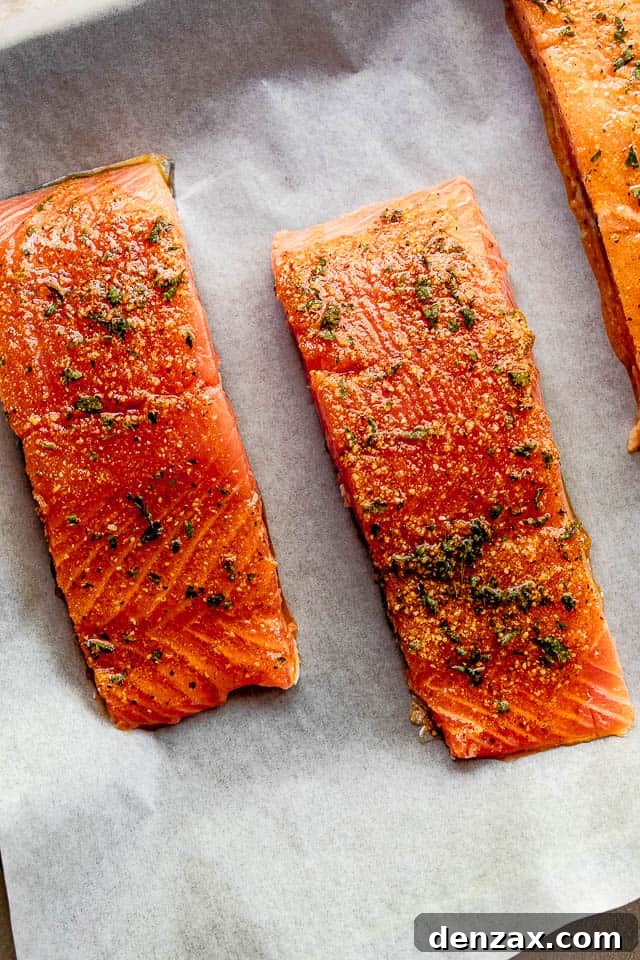
- Step 1: Prepare the Oven, Pan, and Fillets. Begin by preheating your oven to a robust 450˚F (230˚C). A high temperature is key to achieving a beautifully crispy exterior and a moist interior. While the oven heats, generously grease a baking sheet or oven-safe pan with cooking spray or a light coat of olive oil. This prevents sticking and aids in cleanup. Carefully place your salmon fillets, skin side down, onto the prepared baking sheet. If your fillets are skinless, simply place them directly on the pan. Using a pastry brush, lightly coat the top and sides of each fillet with olive oil. This not only helps the seasoning adhere but also promotes a gorgeous golden-brown finish.
- Step 2: Season the Salmon to Perfection. In a small mixing bowl, combine the aromatic Old Bay seasoning with the garlic powder, onion powder, dried dill weed, and dried parsley. Use a fork or a small whisk to mix these spices thoroughly until they are well combined and evenly distributed. This ensures every bite of salmon will be flavorful. Once mixed, generously rub this vibrant spice mixture onto the top and sides of each salmon fillet. There’s no need to season the skin side, as it will be directly on the baking sheet and will not absorb the flavors in the same way.
- Step 3: Roast to Flaky Perfection! Carefully transfer the seasoned salmon fillets into your preheated oven. Bake them for approximately 8 to 10 minutes. The exact cooking time may vary slightly depending on the thickness of your salmon fillets and the specific calibration of your oven. The salmon is perfectly cooked when it flakes easily with a fork at its thickest point. For ultimate precision, you can use an instant-read thermometer to check for doneness; salmon is considered safely cooked through when its internal temperature registers 145˚F (63˚C). Avoid overcooking, as this can lead to dry salmon. Once cooked, remove the baking sheet from the oven and let the salmon rest for a couple of minutes before serving. This allows the juices to redistribute, ensuring a more tender and flavorful result.
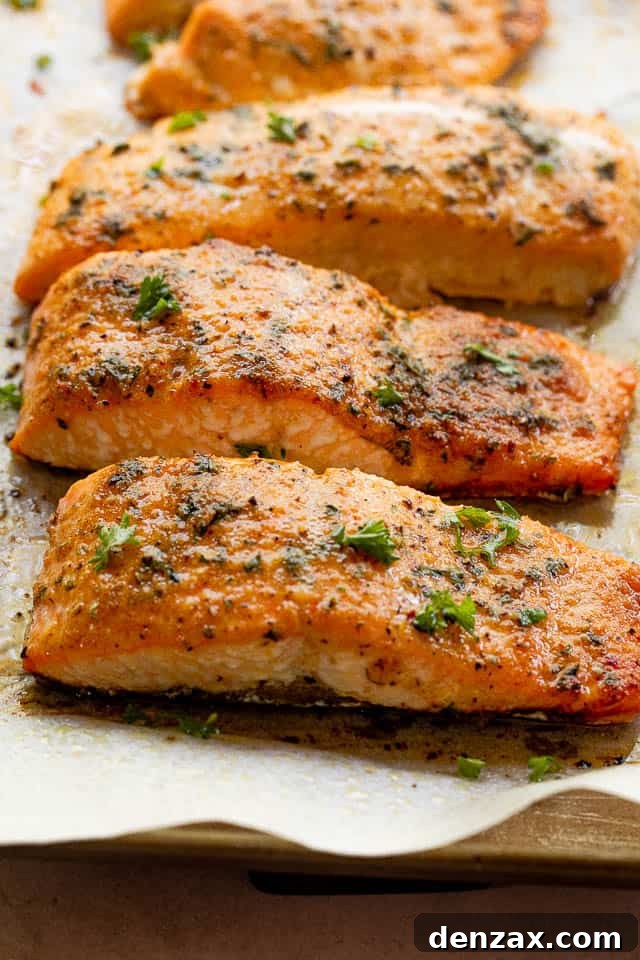
Expert Tips for the Best Old Bay Salmon
This effortless Old Bay salmon recipe comes together quickly with basic staples, but a few special tips can truly elevate your dish, ensuring the best possible flavor and texture every time. Keep these expert recommendations in mind for a perfectly cooked and delicious meal:
- Utilize Parchment Paper for Easy Cleanup: While you can certainly cook this salmon directly on your baking sheet or pan, lining your pan with a large piece of parchment paper makes cleanup significantly easier. Parchment paper prevents sticking, meaning your salmon fillets will lift off cleanly, and you’ll spend less time scrubbing. It also helps in maintaining the integrity of the delicate fish.
- Choose Wild-Caught Salmon Whenever Possible: For a truly superior flavor and texture, prioritize wild-caught salmon fillets over farmed varieties, whether you’re buying fresh or frozen. Most culinary experts agree that wild-caught salmon boasts a richer, cleaner, and more distinct flavor profile, often attributed to its natural diet and active lifestyle. Farmed salmon, while more readily available, can sometimes have a milder taste and higher fat content, which can affect the final texture.
- Select Fillets for Uniform Size and Thickness: To guarantee even cooking and prevent some pieces from drying out while others remain undercooked, it’s best to use salmon fillets that are all roughly the same size and thickness. Avoid using vastly different cuts or irregular chunks, as you might for a teriyaki salmon recipe. If your fillets vary significantly in size, consider cutting larger ones to match the smaller pieces, or remove the smaller fillets from the oven a minute or two earlier.
- Pat Your Salmon Dry: Before applying any oil or seasoning, thoroughly pat your salmon fillets dry with paper towels. Removing excess moisture from the surface allows the seasoning to adhere better and promotes a crispier, more appealing crust when roasted. A moist surface can steam the fish rather than sear it, leading to a less desirable texture.
- Avoid Overcooking for Optimal Tenderness: Salmon cooks quickly, and overcooking is the most common mistake. Overcooked salmon becomes dry, tough, and loses its delicate flavor. Always aim for an internal temperature of 145˚F (63˚C) at the thickest part. If you don’t have an instant-read thermometer, look for visual cues: the salmon should be opaque throughout and flake easily with a fork. It’s often better to undercook slightly and let it rest, as residual heat will continue the cooking process.
Delicious Serving Suggestions for Your Old Bay Salmon
Your perfectly roasted Old Bay Salmon is a versatile main course that pairs wonderfully with a wide array of side dishes, allowing you to create a complete and satisfying meal for any occasion. Elevate your dinner experience with these delightful accompaniments:
Start your meal with a comforting and quick appetizer, such as my easy Instant Pot Corn Chowder. The inherent sweetness from the corn and bacon in the chowder creates a fantastic flavor contrast that complements the savory notes of the Old Bay seasoning, making it an ideal starter for this flavorful dinner. For a touch of warmth and texture, follow it up with some buttery bread, like my no-knead dinner rolls, which are not only fast and easy to prepare but also incredibly delicious and perfect for soaking up any juices.
For a refreshing and light side, a simple salad is always a fantastic idea. You can opt for a timeless classic like a crisp garden salad or a zesty Caesar salad. Alternatively, venture into something a little different with my creamy cucumber salad with sour cream dressing, which provides a cooling balance to the rich salmon. To round out the meal and enhance the salmon’s natural flavors, a fresh squeeze of lemon juice over your Old Bay salmon is highly recommended. Serve it alongside vibrant sautéed green beans for a healthy vegetable component, and for a touch of indulgence, add a side of crispy French garlic fries or hearty chili cheese fries. These combinations ensure a well-balanced and incredibly tasty dinner that the whole family will adore, making weeknights feel a little more special.
Storing and Reheating Your Old Bay Salmon Leftovers
Properly storing and reheating your Old Bay Salmon ensures you can enjoy its delicious flavors for days to come. While salmon is always best fresh from the oven, these tips will help you make the most of your leftovers.
- To Refrigerate: To maintain freshness and prevent spoilage, allow any leftover salmon fillets to cool completely to room temperature (this should take no more than two hours) before storing. Once cooled, transfer the fillets to shallow, airtight food storage bags or containers. Stored correctly, your Old Bay salmon will retain its quality and flavor in the refrigerator for 3-4 days.
- To Reheat: The key to reheating salmon without drying it out is a gentle, low-temperature approach. Place your leftover fillets in an ovenproof dish and cover them loosely with aluminum foil to trap moisture. Bake in a preheated oven at a low temperature of 275˚F (135˚C) until heated through, which typically takes about 15 minutes. This slow reheating method helps the salmon warm evenly while preserving its flaky texture. Alternatively, for a slightly crisper exterior, you can reheat salmon in an air fryer at 300˚F (150˚C) for 5-7 minutes, checking frequently. Avoid using a microwave if possible, as it tends to make salmon rubbery and less appealing.
- Freezing Leftovers: I generally do not recommend freezing leftover cooked salmon. While technically possible, cooked salmon tends to undergo significant changes in texture when thawed and reheated after being frozen. It can become noticeably dry, tough, or even mushy, losing much of its original delicate flakiness and rich flavor. It’s best to enjoy this Old Bay salmon fresh or within a few days from the refrigerator.
Explore More Easy Fish Recipes
If you loved the simplicity and flavor of this Old Bay Salmon, you’ll be delighted to discover other fantastic fish recipes that are perfect for any weeknight or special occasion. Expand your culinary repertoire with these delicious options:
- Crispy Beer Battered Fish: A classic comfort food, perfect for homemade fish and chips.
- Flavorful Balsamic Tuna Steaks: A quick and elegant option for tuna lovers.
- Quick Air Fryer Parmesan Tilapia: An incredibly easy and healthy way to prepare mild tilapia.
- Elegant Salmon Florentine: A creamy, spinach-infused salmon dish that feels gourmet yet simple.
Print Recipe
Old Bay Salmon
Katerina | Easy Weeknight Recipes
10 minutes
15 minutes
25 minutes
4
Ingredients
- 1½ pounds salmon fillets, (use 4 fillets)
- 2 tablespoons olive oil, you can also use extra virgin olive oil or avocado oil
- 1 teaspoon Old Bay seasoning
- ½ teaspoon garlic powder
- ½ teaspoon onion powder
- ½ teaspoon dried dill weed
- ½ teaspoon dried parsley
Instructions
-
Preheat the oven to 450˚F (230°C).
-
Generously grease a baking sheet or oven-safe pan with cooking spray. Place the salmon fillets, skin side down, on the baking sheet and brush them lightly with olive oil.
-
In a small mixing bowl, combine the Old Bay seasoning, garlic powder, onion powder, dried dill weed, and dried parsley; mix well to combine the spices.
-
Add the prepared spice mixture to the salmon fillets and rub it evenly all around the top and sides of each fillet.
-
Bake for 8 to 10 minutes, or until the fish flakes easily with a fork at its thickest point. For accuracy, use an instant-read thermometer to check for doneness; salmon is cooked through when its internal temperature reaches 145˚F (63˚C).
-
Remove from the oven and let stand for a couple of minutes before serving to allow the juices to settle.
Optional: To Make with Roasted Vegetables
-
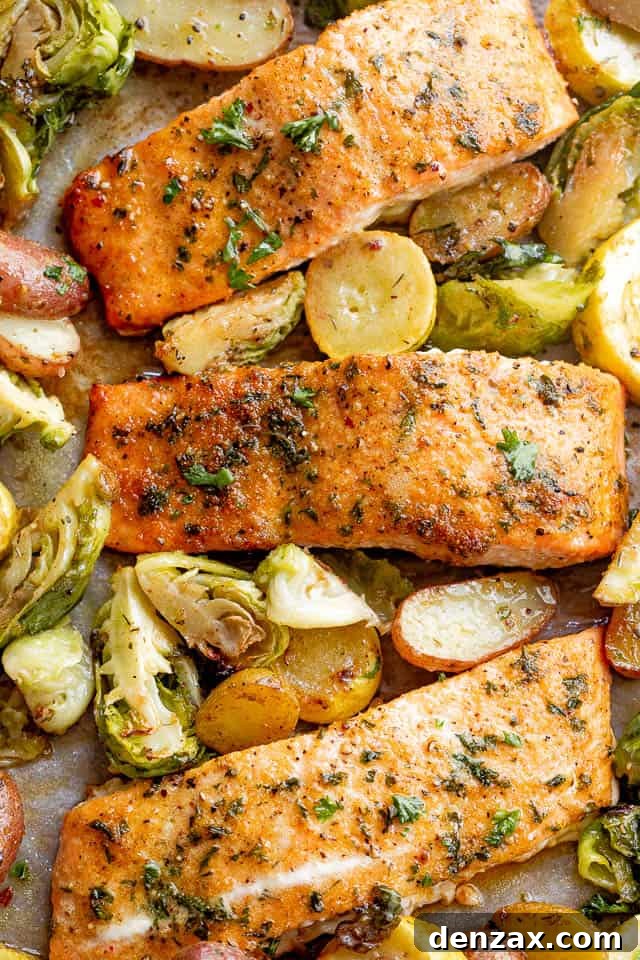
Prepare halved Brussels sprouts and slices of yellow squash by tossing them with a drizzle of olive oil, a pinch of salt, and pepper. Arrange these seasoned vegetables on a separate baking sheet or around the edges of your salmon pan and roast for 10 minutes.
After 10 minutes, add the raw salmon fillets to the baking sheet alongside the partially roasted vegetables and continue to roast for an additional 8 to 10 minutes, or until the salmon is perfectly cooked through and flakes easily.
Video
*A video demonstrating the preparation of Old Bay Salmon would typically be embedded here.*
Nutrition
Carbohydrates: 1g |
Protein: 34g |
Fat: 18g |
Saturated Fat: 3g |
Cholesterol: 94mg |
Sodium: 76mg |
Potassium: 833mg |
Sugar: 1g |
Vitamin A: 81IU |
Calcium: 25mg |
Iron: 2mg
Nutritional info is an estimate and provided as a courtesy. Values may vary according to the specific ingredients, brands, and tools used. Please consult your preferred nutritional calculator for more detailed and precise information.
Did you make this recipe? Share your experience and tell us what you think!