
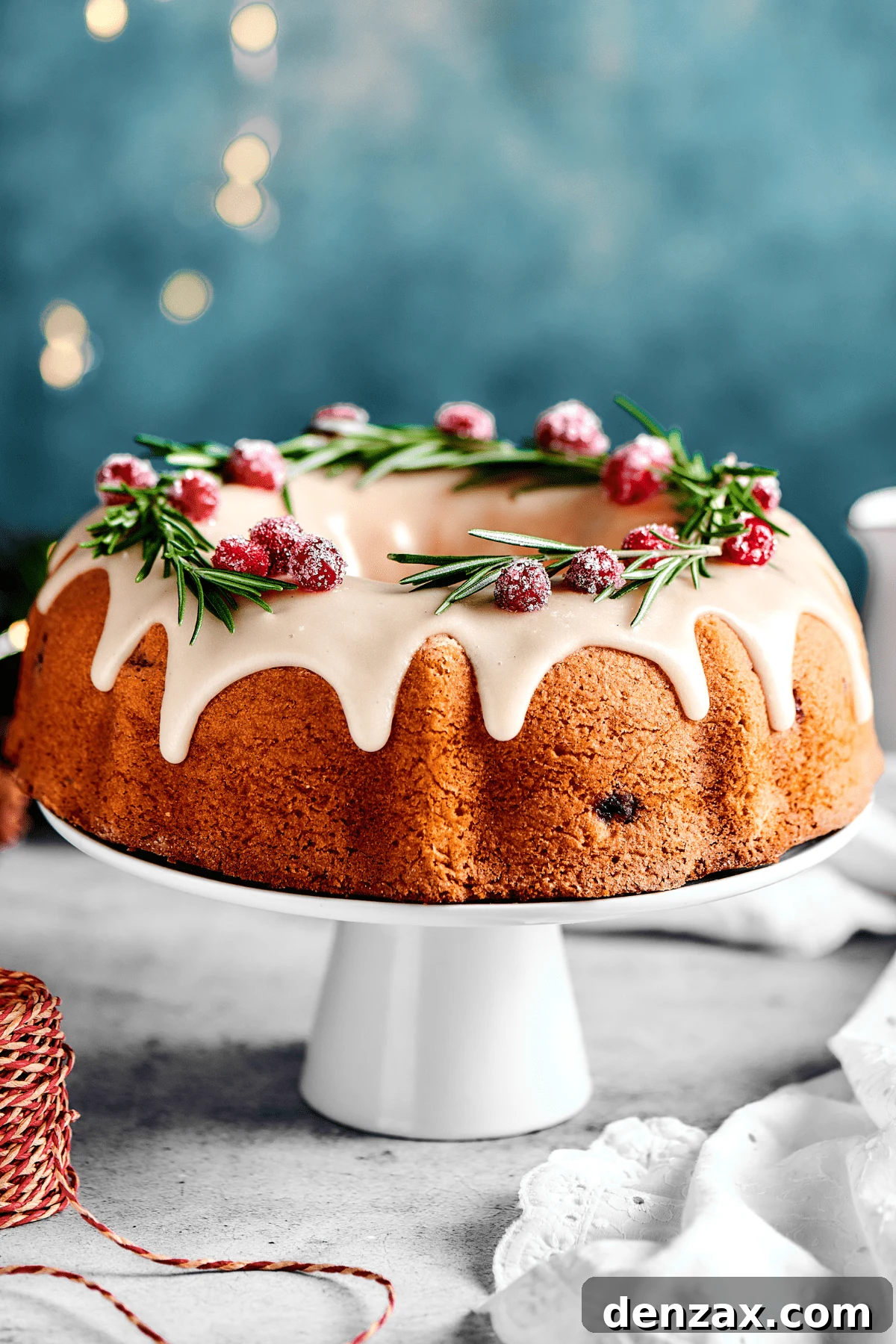
Christmas Cranberry Pound Cake is more than just a dessert; it’s a festive centerpiece that captures the essence of the holiday season. With its tender crumb, vibrant fresh cranberries, a hint of orange liqueur, and a sweet, zesty orange glaze, this rich, old-fashioned cake promises to be a memorable addition to your holiday table or a delightful treat for any occasion. Its elegant appearance and comforting flavors make it an instant classic.
The Irresistible Cranberry-Orange Combination: A Holiday Favorite
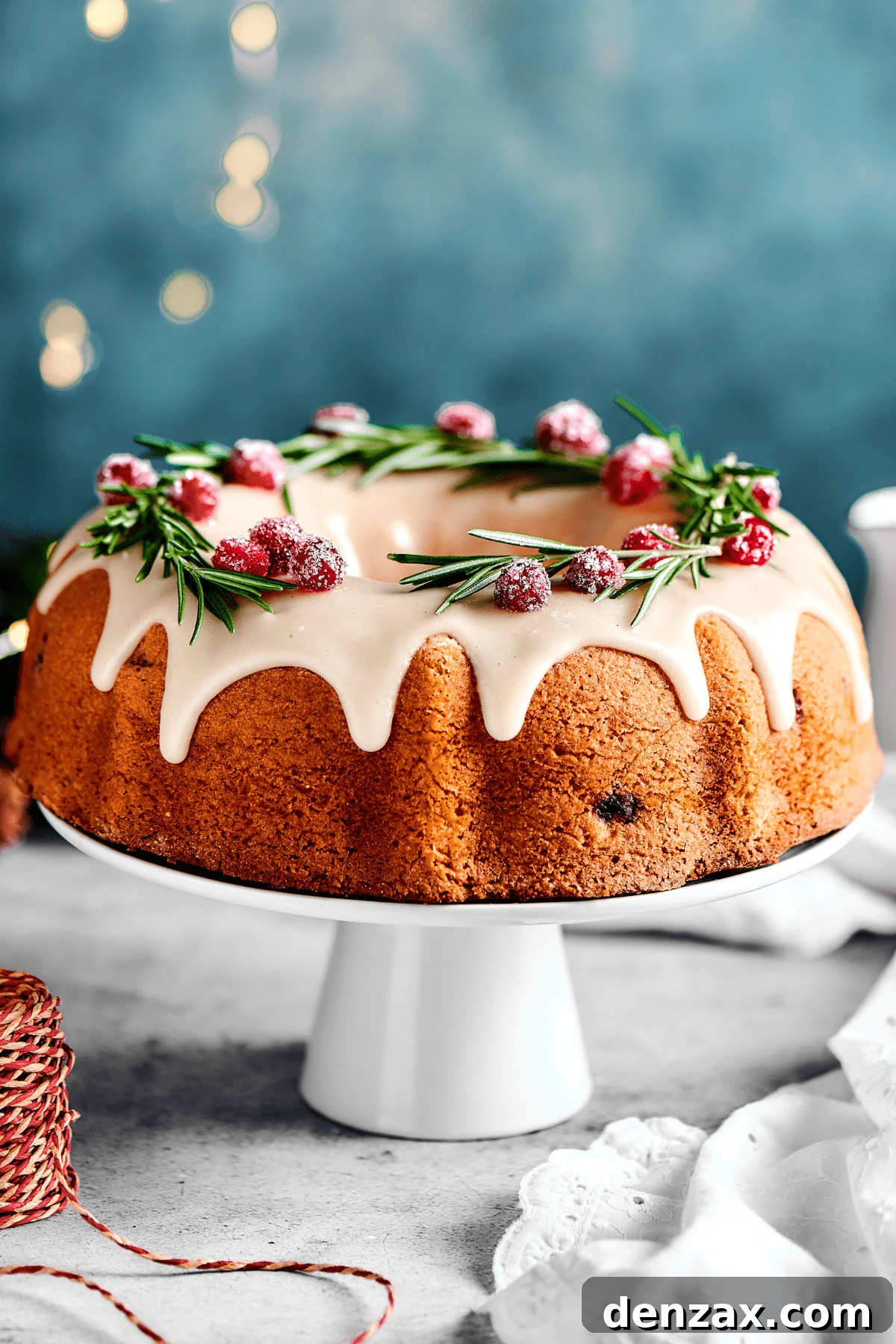
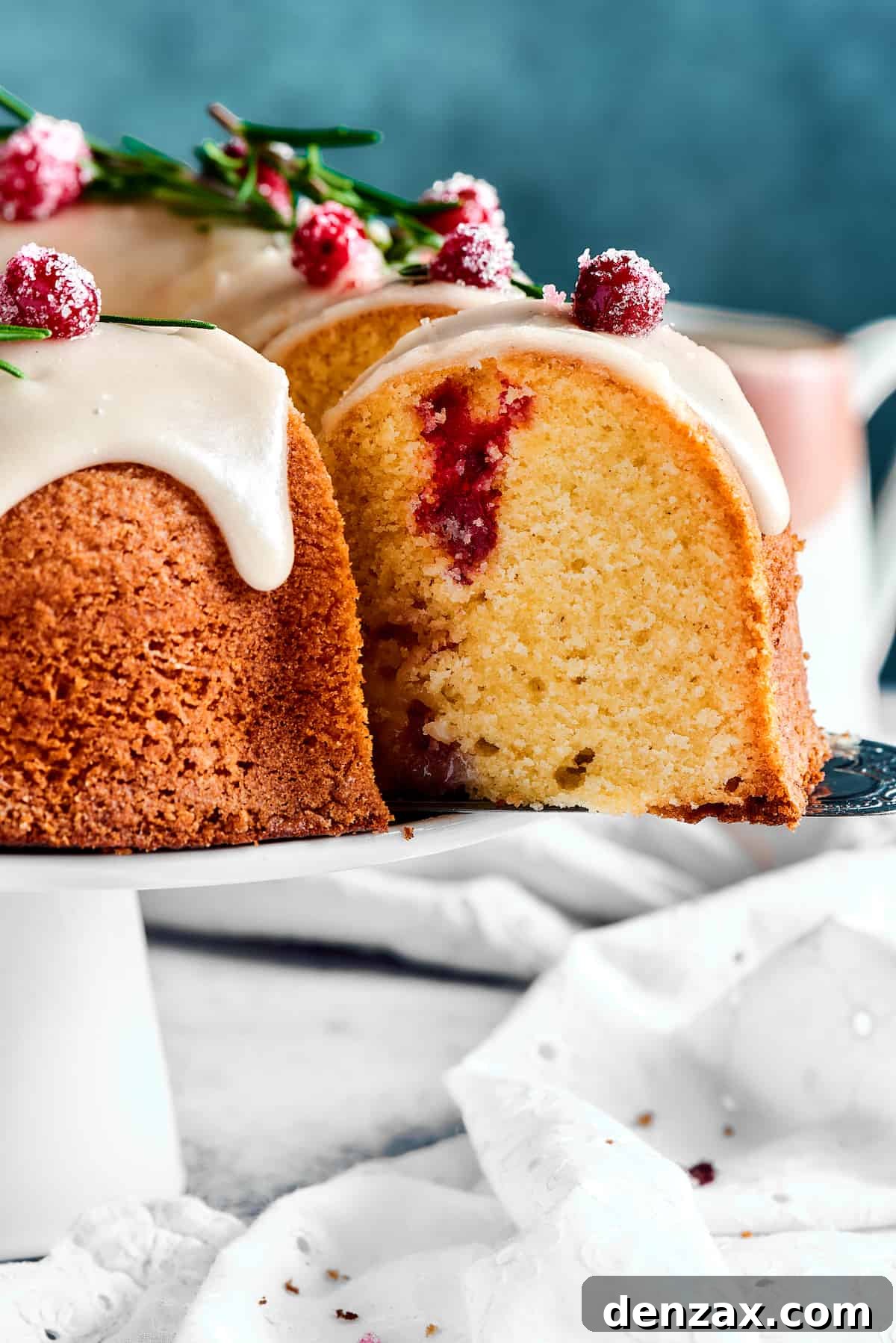
Few flavor pairings evoke the spirit of winter holidays quite like cranberry and orange. This dynamic duo offers a perfect balance of tart and sweet, bright and comforting, making it a perennial favorite in everything from scones and cookies to this magnificent pound cake. During Christmas, when both cranberries and oranges are at their peak season, their natural zest and vibrant colors truly shine. The deep red cranberries, beautifully studded throughout each slice of this fine-crumbed, buttery pound cake, create a stunning visual contrast that is as appealing to the eye as it is to the palate. The fresh burst of cranberry and the aromatic citrus notes of orange zest and liqueur infuse every bite with an unmistakable festive cheer, making this cake truly special.
This tender, moist pound cake strikes a wonderful balance—light enough not to feel overly heavy, yet rich enough to satisfy as a decadent dessert. The inclusion of fresh (or frozen) cranberries and finely grated orange zest ensures a delightful texture and an explosion of flavor in every mouthful. Beyond the classic cranberry-orange, the subtle complexity brought by a touch of orange liqueur and the aromatic depth of vanilla bean paste elevate this cake from delicious to absolutely extraordinary. It’s a sophisticated yet approachable dessert that’s sure to garner compliments and become a cherished recipe in your holiday repertoire.
For a delightful spring twist, be sure to explore our Cranberry Carrot Cake, offering a different seasonal flavor profile!
What Defines a Pound Cake? A Classic Dessert History
The name “pound cake” itself tells a delicious story, harking back to baking traditions from the 1700s. Originally, these cakes were renowned for their simple, yet rich, ingredient ratios: a pound each of flour, sugar, eggs, and butter. This straightforward approach yielded a remarkably dense, moist, and flavorful cake that was a staple in many households. While modern recipes often adjust these proportions for a slightly lighter texture or to fit various pan sizes, the core characteristics of a pound cake remain true to its heritage.
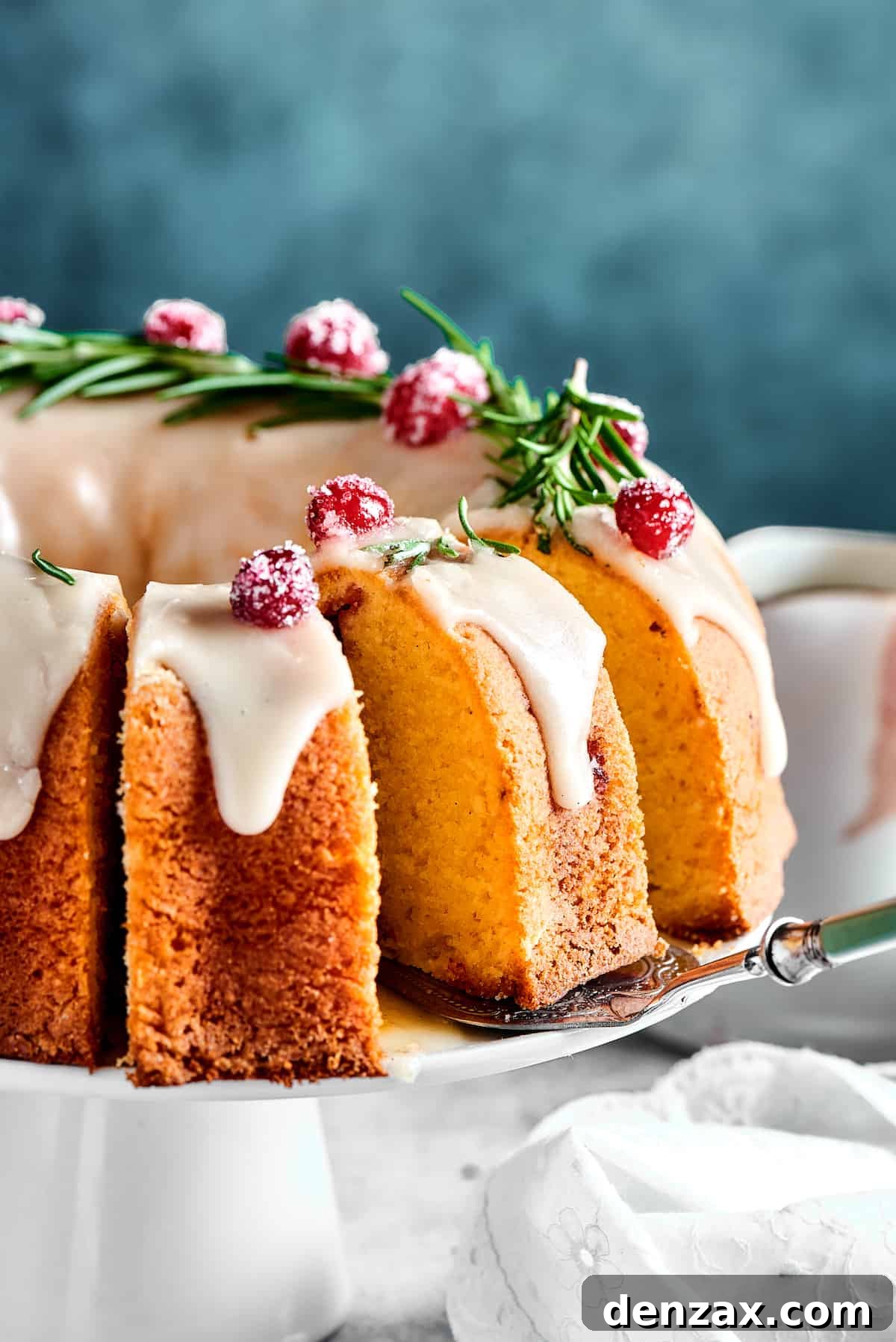
A true pound cake is distinguished by its fine, close crumb, rich buttery flavor, and a texture that is both dense and incredibly tender. Unlike lighter sponge cakes, pound cakes are known for their substantial nature, making them incredibly satisfying. They hold their shape beautifully, making them ideal for slicing and serving, and their robust flavor profile makes them a perfect canvas for additions like fruit, zest, and glazes. This enduring appeal has kept pound cakes, including our festive Cranberry Pound Cake, as popular as ever, proving that some classics truly never go out of style.
Essential Ingredients for Your Christmas Cranberry Pound Cake
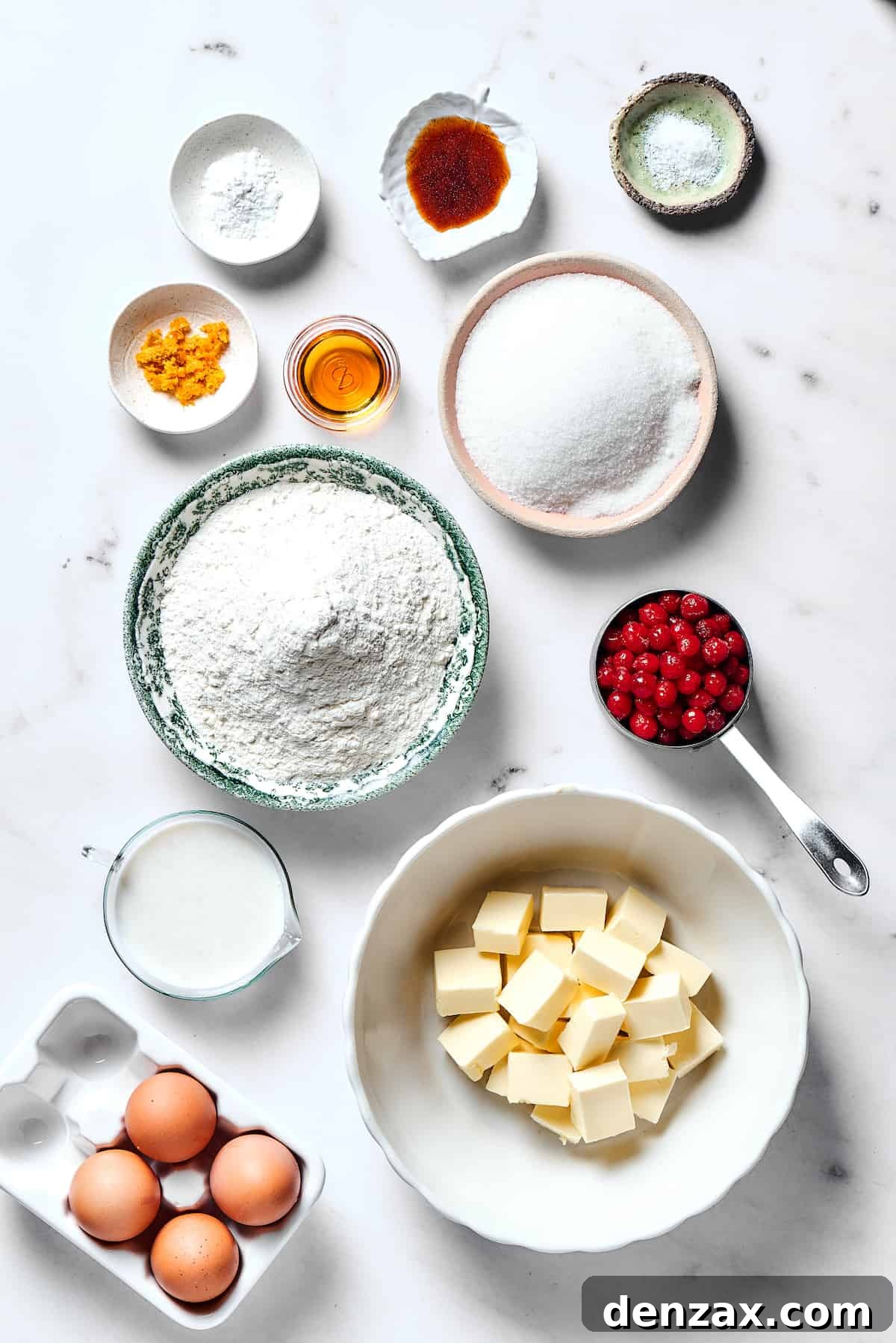
Crafting this delightful Christmas pound cake involves two main components: the incredibly flavorful cake itself and the vibrant homemade orange glaze that crowns it. Each ingredient plays a crucial role in achieving the perfect balance of taste and texture. Here’s a detailed look at what you’ll need:
For the Pound Cake:
- For the Pan: A light coating of nonstick cooking spray or softened butter, followed by a dusting of all-purpose flour, ensures your beautiful cake releases effortlessly from the pan.
- All-Purpose Flour: The foundational dry ingredient, providing the cake’s structure.
- Baking Powder: Essential for a tender lift, preventing the cake from becoming overly heavy. Be mindful to use baking powder, not baking soda, as they react differently with other ingredients.
- Salt: A small but mighty ingredient that enhances all the other flavors in the cake, bringing out their best.
- Unsalted Butter: The cornerstone of a rich pound cake. Ensure it’s softened to room temperature before you begin, as this is crucial for proper creaming and a smooth batter.
- Fresh Orange Zest: The secret weapon for an intense citrus aroma and flavor, contributing to both the taste and a hint of fine texture throughout the cake.
- Granulated Sugar: Provides sweetness and helps create that wonderful tender crumb structure when creamed with butter.
- Large Eggs: Like butter, eggs should be at room temperature. They add richness, moisture, and help bind the cake together, contributing to its rise and texture.
- Buttermilk: Adds a distinctive tang, enhances moisture, and activates the baking powder, leading to a more tender and flavorful cake.
- Vanilla Bean Paste: Offers a more intense and complex vanilla flavor with visible flecks, but pure vanilla extract is an excellent substitute.
- Orange Liqueur: A splash of Cointreau or similar orange liqueur deepens the orange flavor, adding a sophisticated, festive note. The alcohol bakes out, leaving only flavor.
- Cranberries: Fresh or frozen cranberries are perfect. Their tartness beautifully cuts through the richness of the cake. Avoid dried cranberries for this recipe, as they will yield a different texture.
For the Homemade Orange Glaze:
- Powdered Sugar (Confectioners’ Sugar): Its fine texture dissolves smoothly, creating a silky, pourable glaze without needing heat.
- Freshly Squeezed Orange Juice: Derived from the same orange you zested, this provides the vibrant citrus base for the glaze. Remember to strain out any seeds.
- Vanilla Bean Paste: A touch here echoes the cake’s flavor, but pure vanilla extract works just as well.
Optional Garnishes for a Stunning Presentation:
- Fresh Rosemary Sprigs: For a delightful touch of festive “greenery” and a subtle aromatic contrast.
- Sugared Cranberries: A few fresh cranberries rolled in white crystal sugar add an elegant sparkle and a burst of tart flavor.
Baking Your Christmas Cranberry Pound Cake: A Step-by-Step Guide
Making a pound cake is a rewarding experience, yielding a dessert that looks impressive but is surprisingly straightforward. The key lies in following each step carefully to achieve that coveted tender, perfect crumb. Let’s walk through the process:
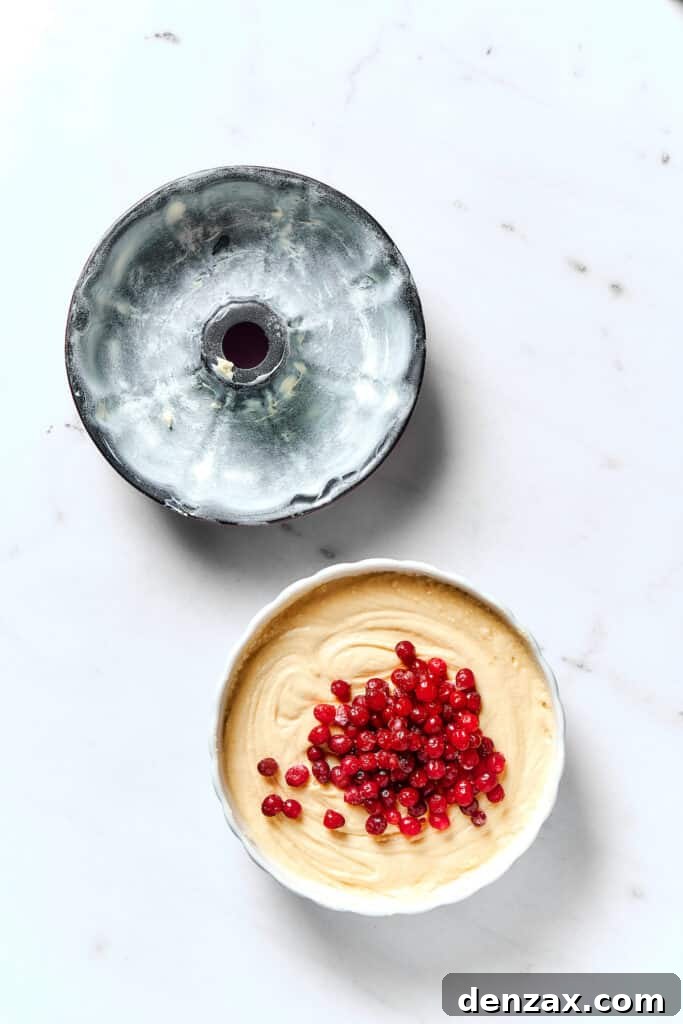
- Prepare Your Pan and Preheat Oven: Begin by preheating your oven to 350°F (175°C). This ensures the oven is at a consistent temperature when the cake goes in. Thoroughly grease a 12-cup Bundt cake pan. Softened butter applied with a pastry brush works wonderfully for reaching all the intricate crevices. Once buttered, dust the inside of the pan evenly with a spoonful of all-purpose flour, tapping out any excess. This critical step prevents sticking and ensures a clean release.
- Combine Dry Ingredients: In a medium-sized bowl, whisk together your measured all-purpose flour, baking powder, and salt. Whisking ensures these ingredients are evenly distributed, which is vital for an even rise and consistent texture. Set this bowl aside for later.
- Cream Butter, Zest, and Sugar: In the bowl of a stand mixer fitted with the paddle attachment, or using a hand-held mixer, cream the softened unsalted butter and fresh orange zest together for 3 to 4 minutes until light and fluffy. This process incorporates air, contributing to the cake’s tender crumb. Next, gradually add the granulated sugar, beating on medium-high speed for another 2 to 3 minutes until the mixture is pale, creamy, and significantly increased in volume. Remember to scrape down the sides of the bowl with a spatula periodically to ensure everything is thoroughly combined.
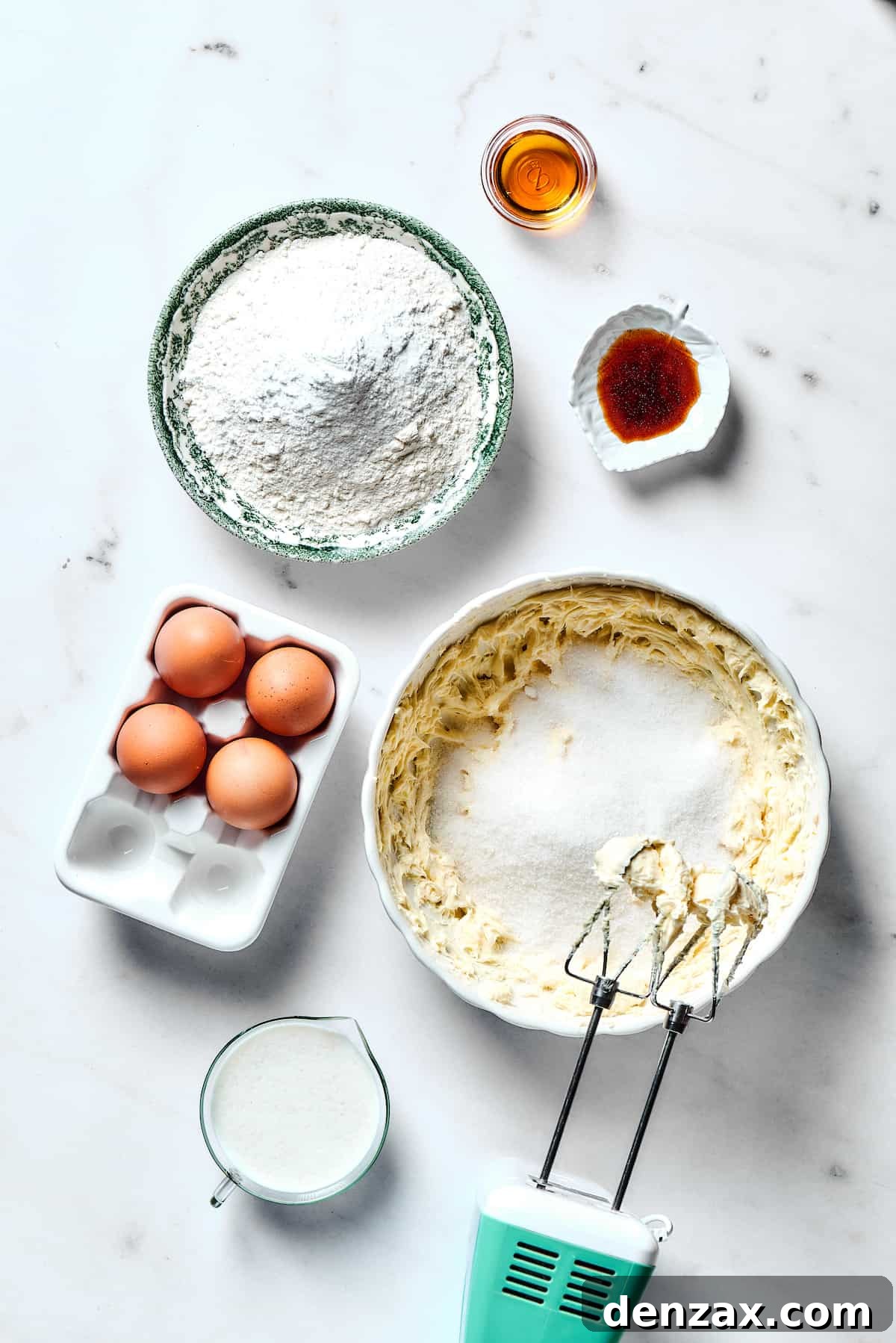
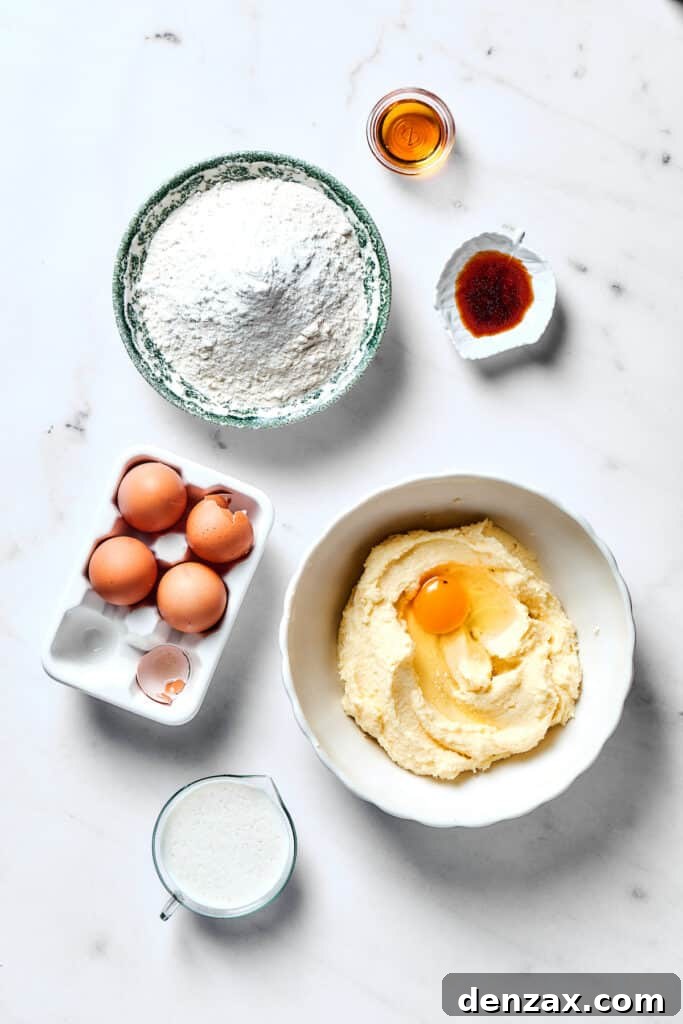
- Incorporate Liquid Ingredients: With your mixer running on low speed, add the room-temperature eggs, one at a time. It’s crucial to fully incorporate each egg before adding the next, allowing the batter to emulsify properly. Once all eggs are blended, pour in the buttermilk, vanilla bean paste (or extract), and orange liqueur. Continue to beat on low speed until these wet ingredients are just combined. Overmixing at this stage can develop gluten, leading to a tougher cake.
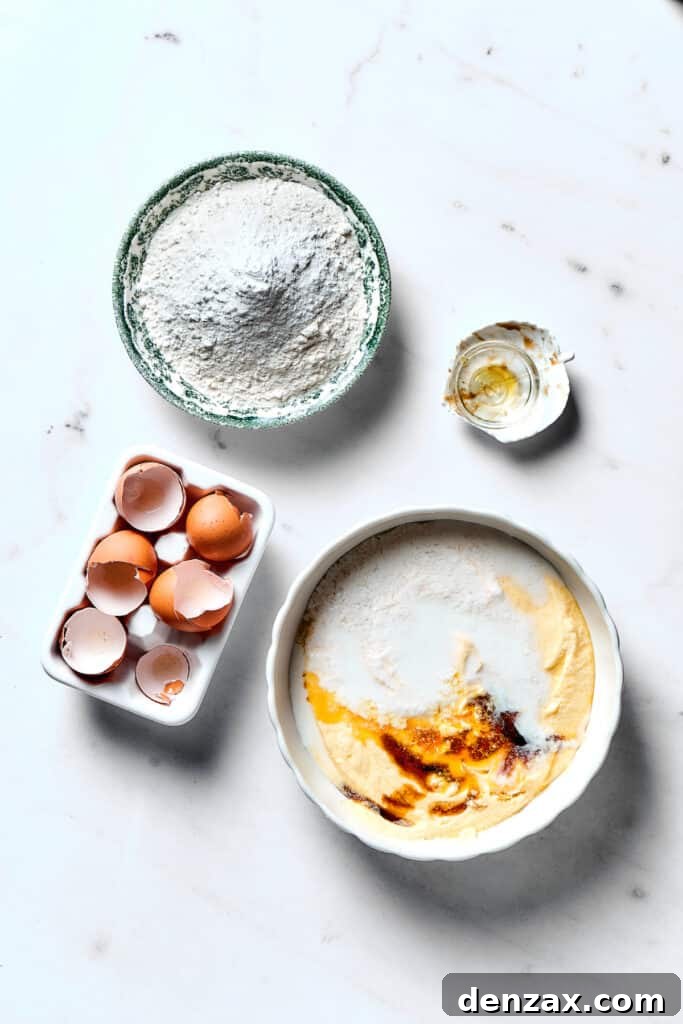
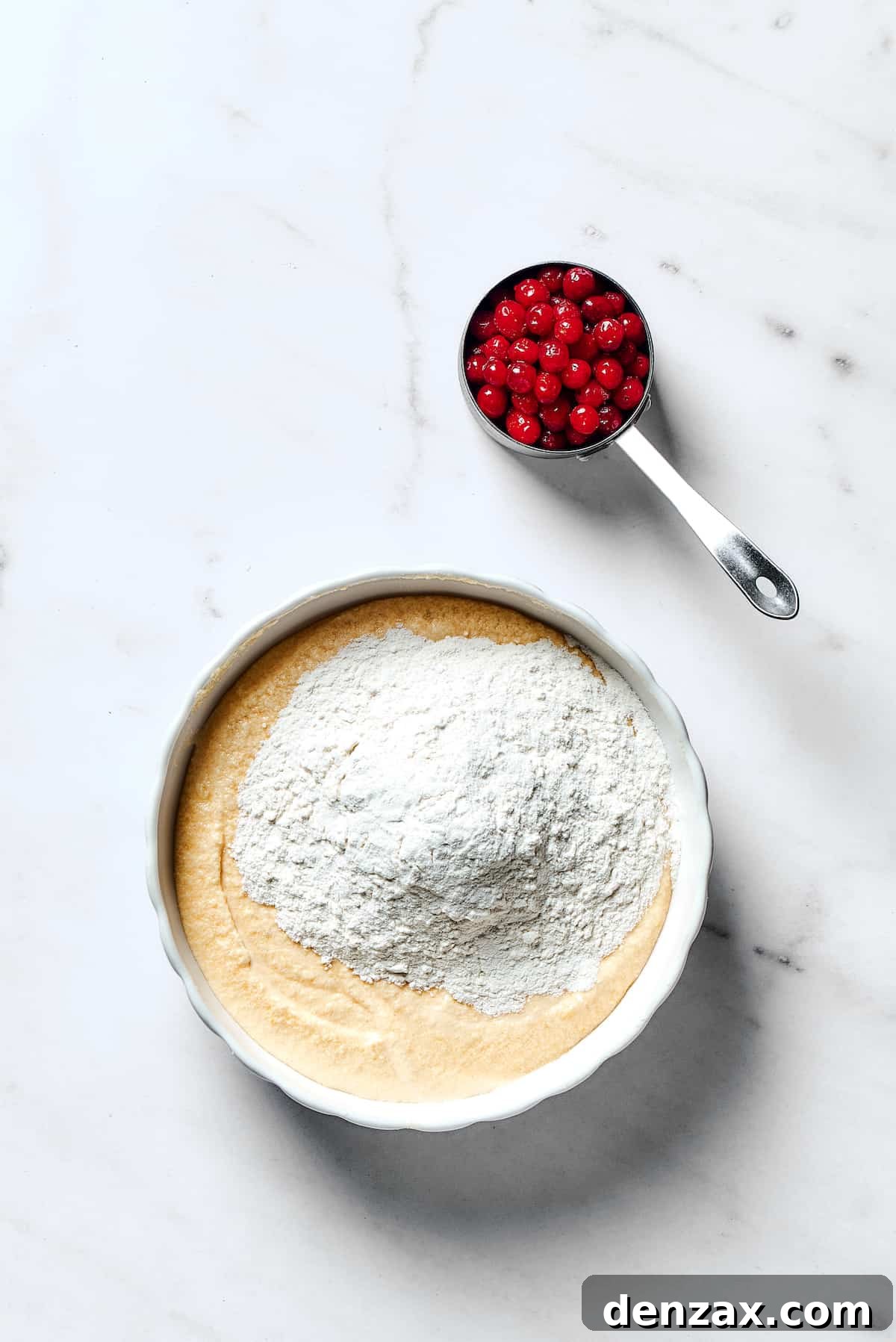
- Gently Fold in Dry Ingredients and Cranberries: Reduce the mixer speed to the absolute lowest setting. Add one-third of your dry flour mixture to the wet ingredients, mixing only until just combined. Repeat this process two more times with the remaining flour mixture, scraping down the sides of the bowl as necessary to ensure no dry pockets remain. As soon as the last of the flour is incorporated, remove the bowl from the mixer. With a silicone spatula, gently fold the fresh or frozen cranberries into the batter. Be careful not to overmix, as this can crush the cranberries and develop gluten, leading to a tough cake.
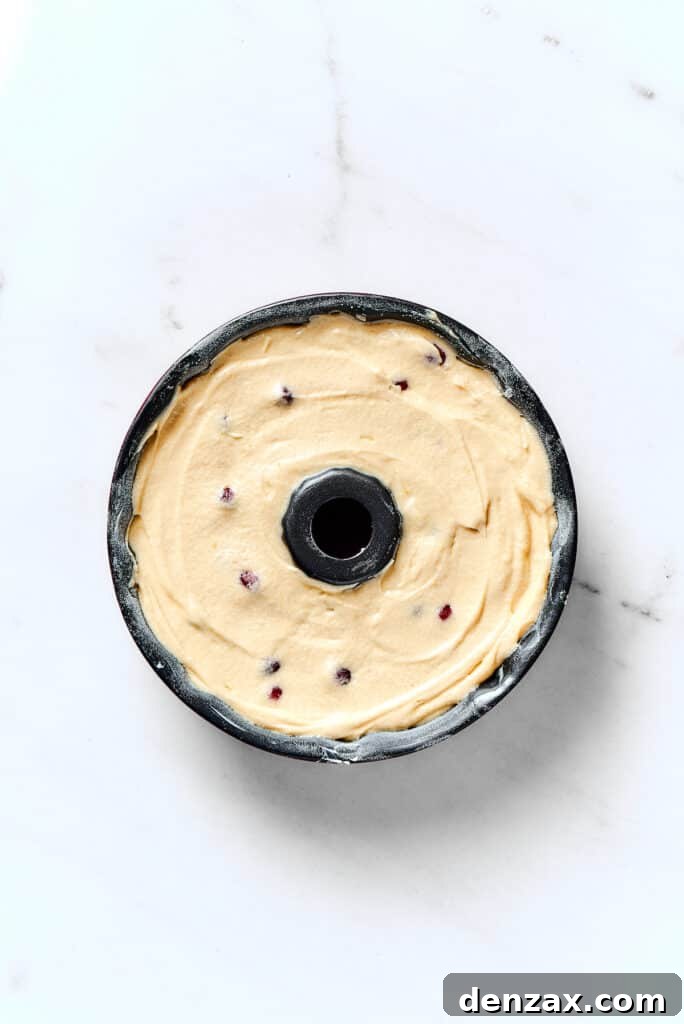
- Bake the Pound Cake: Carefully pour the batter into your meticulously prepared Bundt pan. Gently smooth the top with a spatula or the back of a spoon to ensure an even bake. Transfer the pan to your preheated oven and bake for 40 to 45 minutes. The cake is done when a toothpick or cake tester inserted into the center comes out clean, or with just a few moist, baked crumbs attached.
- Cool and Unmold: Once baked, remove the cake pan from the oven and place it on a wire cooling rack. Allow the cake to rest in the pan for exactly 10 minutes. This crucial cooling period helps the cake stabilize, making it less prone to breaking when unmolded. After 10 minutes, place the cooling rack directly on top of the cake pan, then, in one swift but careful motion, invert both the cake and the rack together. Gently lift the pan away. Let the cake cool completely on the rack for at least another hour before applying the glaze; a warm cake will cause the glaze to melt and run off.
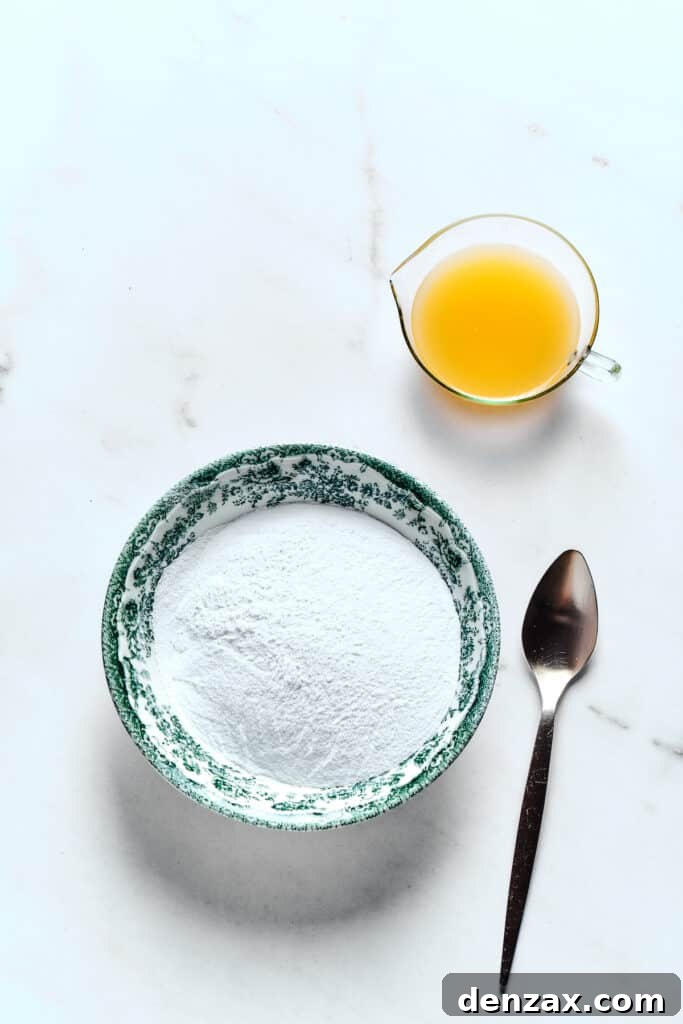
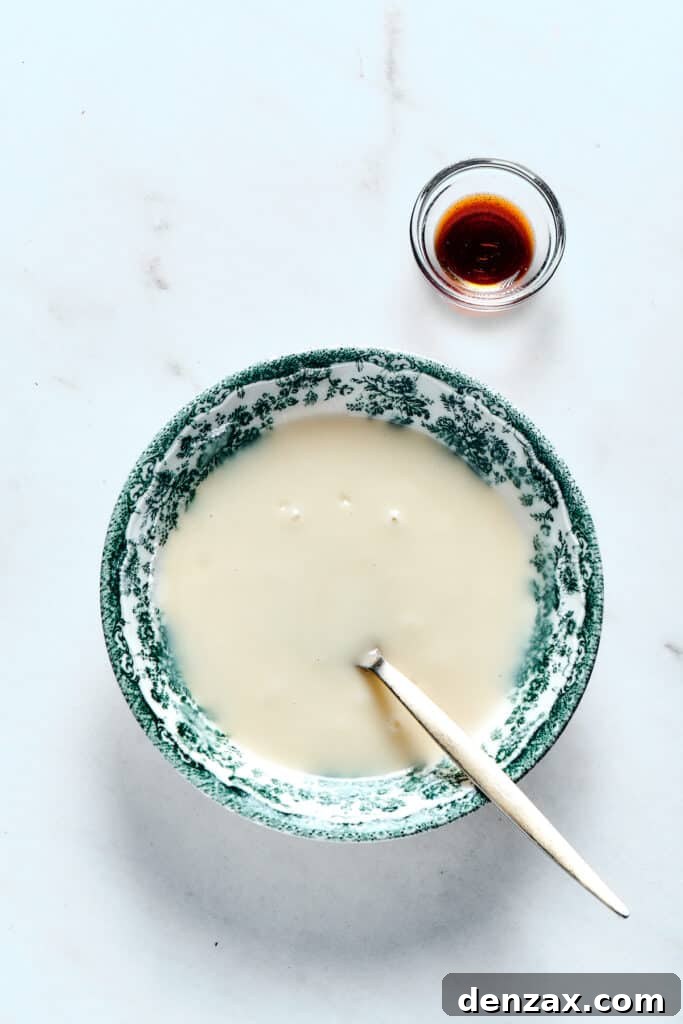
- Prepare the Orange Glaze: In a large mixing bowl, combine the powdered sugar with the freshly squeezed orange juice and vanilla bean paste (or extract). Whisk these ingredients together until you achieve a smooth, thick pouring consistency. If the glaze is too thick, add a tiny bit more orange juice; if too thin, add a bit more powdered sugar.
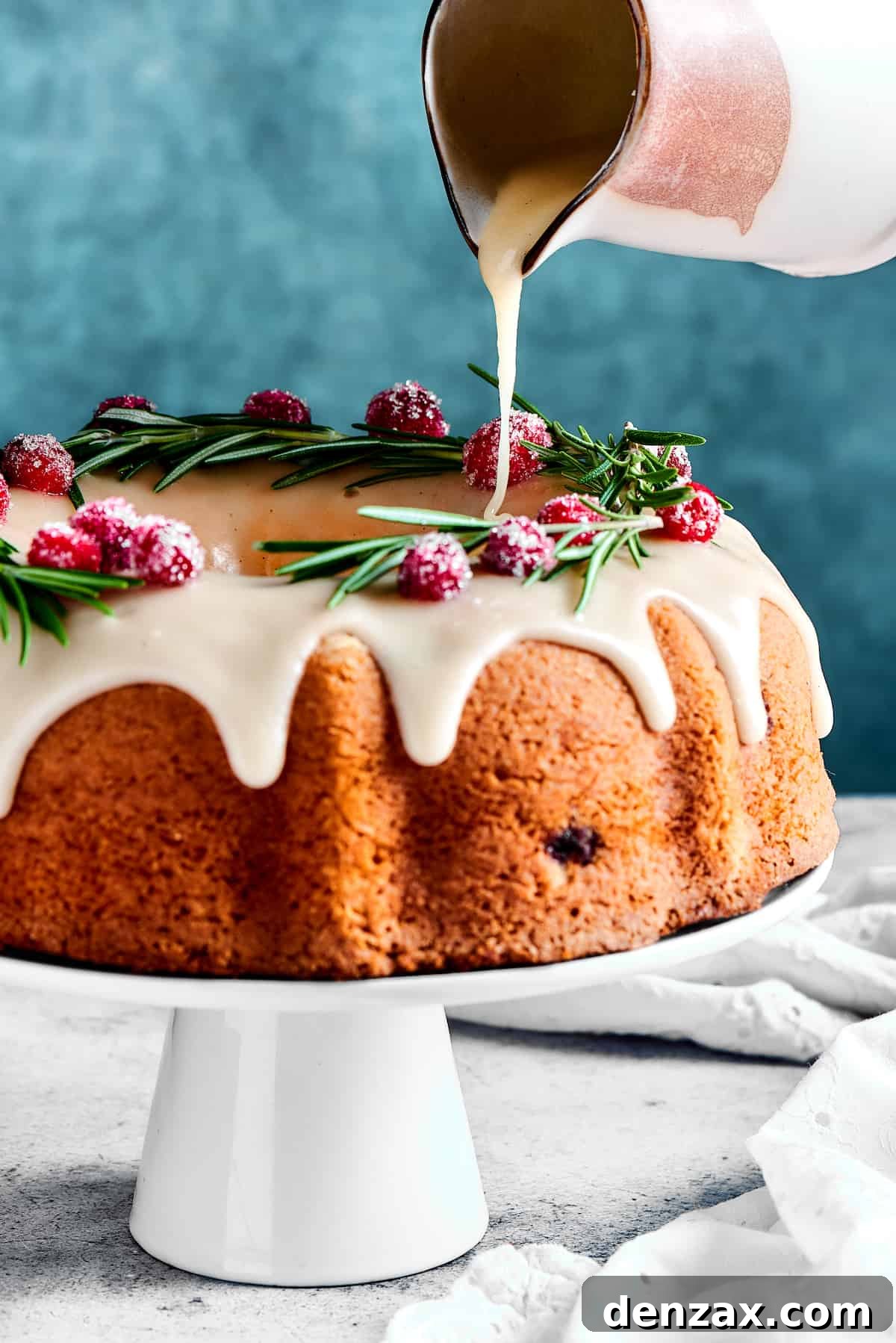
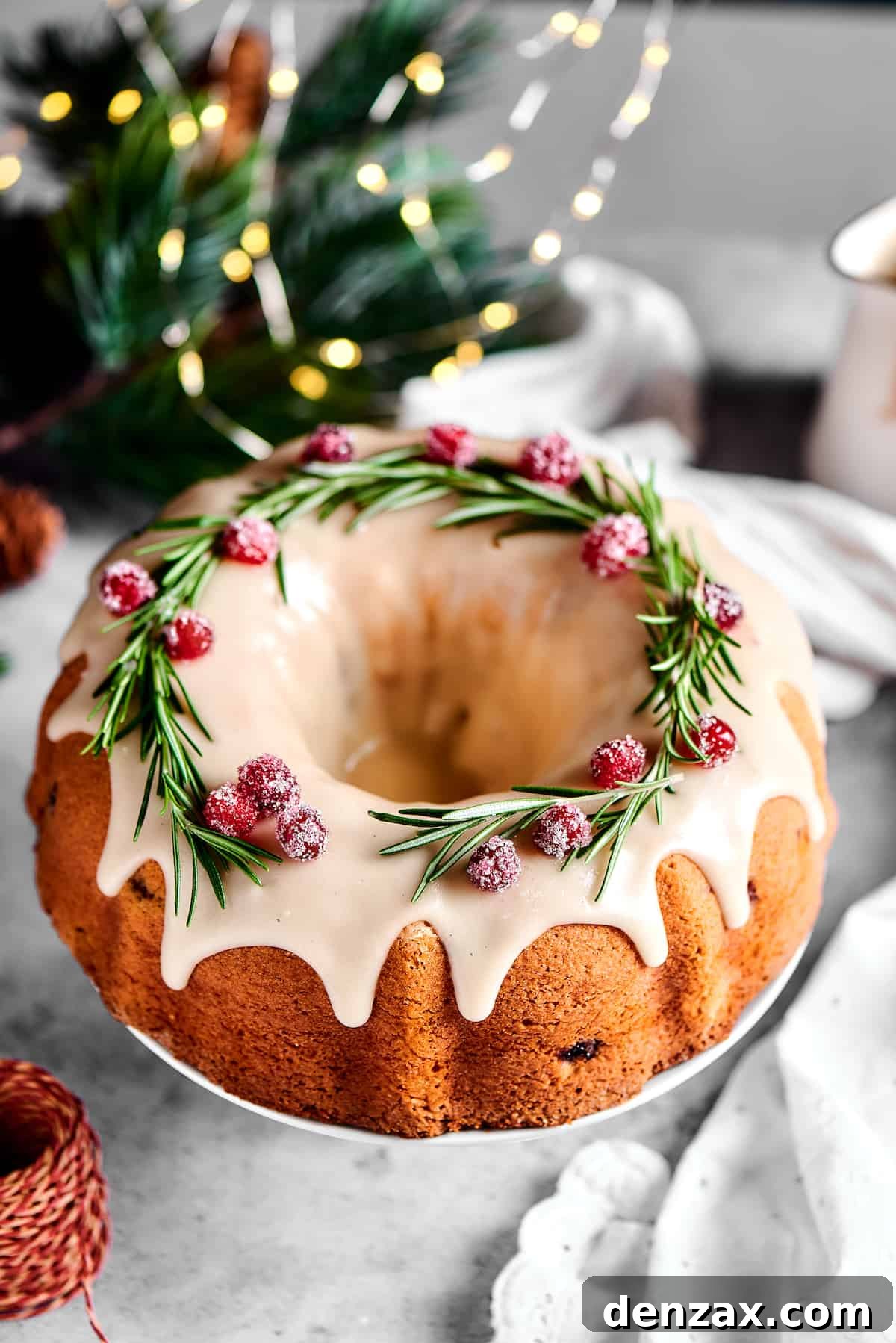
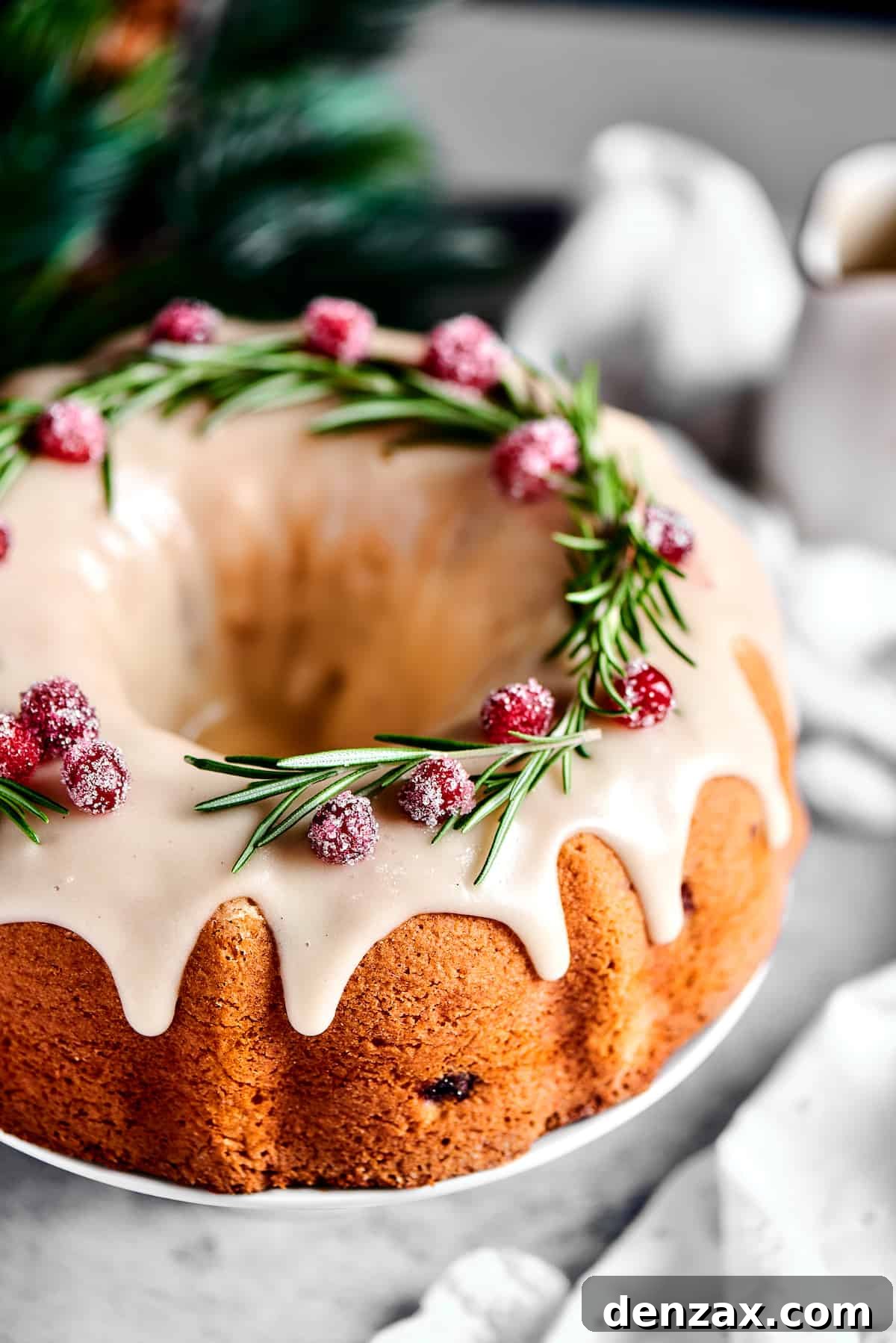
- Glaze and Decorate: Generously pour the prepared orange glaze evenly over the completely cooled pound cake, allowing it to drip down the sides for a beautiful effect. Once glazed, decorate your Christmas Cranberry Pound Cake as desired. For a stunning festive display, we recommend garnishing with fresh cranberries gently dipped in white crystal sugar for a beautiful sparkle, alongside small sprigs of fresh rosemary for a touch of vibrant greenery and aromatic contrast.
- Serve and Enjoy! Slice into your magnificent creation and savor the festive flavors.
Why Do Pound Cakes Require Longer Baking Times?
If you’ve ever baked a pound cake, you might have noticed it spends more time in the oven than many other cakes. This isn’t a flaw in the recipe but rather a characteristic inherent to its rich composition. Pound cakes are, by nature, dense and moist. They contain a higher proportion of fat (from butter) and liquid (from eggs and buttermilk) compared to lighter cake varieties. These moist ingredients are what give pound cakes their signature rich flavor and incredibly tender texture.
The sheer volume and density of the batter mean that heat needs more time to penetrate to the very center of the cake, ensuring it cooks thoroughly without drying out the exterior. Additionally, pound cakes are typically baked at a slightly lower temperature than many other baked goods. This lower temperature allows for a more gradual and even bake, preventing the crust from browning too quickly while the interior remains raw. It’s a testament to patience in baking, ensuring every inch of your Christmas Cranberry Pound Cake achieves perfect doneness and a delectable, moist consistency.
Baker’s Notes: Tips for Pound Cake Perfection
Achieving the perfect Christmas Cranberry Pound Cake is within your reach, especially with these helpful insights. As a seasoned baker, I’ve gathered my top tips to ensure your cake is nothing short of magnificent:
- Choosing the Right Baking Pan: Pound cakes are versatile and can be baked in various pans. The most common choices are a Bundt pan, a tube pan (which often yields a slightly taller cake with straighter sides), or even a loaf pan for a more rustic presentation. The key is to use a 12-cup capacity pan to prevent overflow and ensure proper baking. If you find yourself with a small amount of leftover batter, don’t waste it! You can bake it in a small oven-safe dish, like a custard cup, to create a delightful mini pound cake.
- The Importance of Room Temperature Ingredients: This tip cannot be stressed enough for pound cakes. Ensure your butter and eggs are at true room temperature. Cold butter won’t cream properly with sugar, leading to a dense cake with an inconsistent texture. Cold eggs can cause the batter to curdle, creating a less smooth emulsion. Plan ahead and set these ingredients out on your counter at least two hours before you intend to start baking. This simple step makes a world of difference in the final texture of your pound cake.
- Testing for Doneness Accurately: With a cake as rich and dense as a pound cake, it’s crucial to test for doneness before taking it out of the oven. An underdone pound cake can be gooey and crumbly, while an overbaked one will be dry. The most reliable method is the toothpick or cake tester method: insert it into the deepest part of the cake. It should come out clean, or with just a few moist, fully baked crumbs clinging to it. If it comes out wet with batter, it needs more time.
- Flawless Unmolding Technique: After all your hard work, the last thing you want is a broken cake! The secret to successful unmolding lies in two steps: impeccable pan preparation and proper cooling. Ensure you generously grease and flour your pan as instructed. Then, once the cake is out of the oven, resist the urge to flip it immediately. Let it cool in the pan for exactly 10 minutes on a wire rack. This allows the cake to firm up slightly and pull away from the sides of the pan. After 10 minutes, invert it onto the cooling rack with a gentle, confident motion. Do not let it cool in the pan for too long (e.g., more than 15-20 minutes), as it can then start to stick as it cools completely.
- Avoid Overmixing and Overbaking: These are two common pitfalls in baking, especially with pound cakes. Overmixing the batter, particularly after adding flour, develops gluten, resulting in a tough, chewy cake. Mix only until ingredients are just combined. Similarly, overbaking will strip the cake of its precious moisture, leading to a dry and crumbly texture. Rely on the visual cues and the toothpick test to know when your cake is truly ready.
Sweet Variations to Customize Your Cranberry Pound Cake
While the classic Christmas Cranberry Pound Cake is undeniably perfect, these easy variations offer fantastic ways to personalize it and explore new flavor profiles. Don’t be afraid to get creative and make this festive treat truly your own. Happy baking!
- Alternative Frostings: Instead of the orange glaze, consider a luxurious Cream Cheese Frosting. You can enhance its flavor by adding a touch of orange extract or a few drops of orange oil to complement the cake’s citrus notes. A simple vanilla buttercream or a lemon glaze would also be delicious alternatives.
- Nutty Additions: For an added layer of texture and flavor, fold in 1/2 to 1 cup of finely chopped pecans, walnuts, or almonds along with the cranberries. To prevent the nuts from sinking to the bottom of the cake during baking, lightly toss them with a tablespoon of flour before incorporating them into the batter. This creates a thin barrier that helps them suspend evenly throughout the cake.
- Almond Essence: For a more subtle and sophisticated flavor profile, replace the orange liqueur with 1 teaspoon of pure almond extract. Almond pairs beautifully with both cranberries and the rich buttery flavor of the pound cake, offering a delicate nutty undertone that is truly delightful.
- Spiced Cranberry: Infuse your cake with warm holiday spices! Add 1 teaspoon of ground cinnamon, 1/2 teaspoon of ground nutmeg, and 1/4 teaspoon of ground cloves to your dry ingredients for an even more aromatic and comforting flavor.
- Citrus Zest Swap: While orange is classic, experiment with lemon or lime zest for a different citrus twist. Lemon zest will offer a brighter, tangier note, while lime zest provides a unique, aromatic freshness.
Storing and Freezing Your Cranberry Pound Cake
Proper storage is key to enjoying your Christmas Cranberry Pound Cake for days to come, preserving its moistness and delightful flavor. Whether you plan to enjoy it immediately or save some for later, here’s how to store it effectively:
- Countertop Storage: If you plan to consume the cake within 2-3 days, it can be stored at room temperature. Ensure it is wrapped tightly in plastic wrap or placed in an airtight cake dome or container. This prevents it from drying out and keeps it fresh.
- Refrigeration: For slightly longer storage (up to 5-7 days), especially if your kitchen is warm, refrigerating the cake is a good option. Again, make sure it is wrapped tightly in plastic wrap or stored in an airtight container to prevent it from absorbing odors from other foods in the fridge and to maintain its moisture. Allow it to come to room temperature for about 30 minutes before serving for the best flavor and texture.
- Freezing for Long-Term Enjoyment: This pound cake freezes beautifully, making it perfect for holiday meal prep or enjoying a taste of Christmas later in the year. To freeze, ensure the cake is completely cooled. You can freeze it whole, in halves, or in individual slices. Wrap the cake tightly first in plastic wrap, ensuring no air can get to it, then wrap it again in aluminum foil or place it in a heavy-duty freezer bag. This double layer of protection helps prevent freezer burn. Label with the date. Frozen pound cake can be stored for up to 3 months. To thaw, simply transfer it to the refrigerator overnight or allow individual slices to come to room temperature on the counter for a few hours.
Ingredients for Christmas Cranberry Pound Cake
For the Pound Cake:
- 2 cups all-purpose flour
- 1 teaspoon baking powder
- ½ teaspoon salt
- 1 cup unsalted butter, at room temperature
- 1 tablespoon fresh orange zest
- 1¾ cups granulated sugar
- 4 large eggs, at room temperature
- ½ cup buttermilk
- 2 tablespoons orange liqueur
- 1 tablespoon vanilla bean paste, or pure vanilla extract
- 1 cup fresh or frozen cranberries, NOT dried cranberries
For the Glaze:
- 1½ cups powdered sugar
- 5 tablespoons freshly squeezed orange juice
- 1 teaspoon vanilla bean paste, or pure vanilla extract
Garnishes:
- fresh rosemary sprigs, for garnish, optional
- cranberries dipped in white crystal sugar, for garnish, optional
Instructions for Christmas Cranberry Pound Cake
- Preheat the oven to 350°F (175°C). Generously grease a 12-cup Bundt cake pan with softened butter. Sprinkle about one tablespoon of all-purpose flour into the buttered pan and gently shake and rotate it to ensure the entire inside surface is lightly and evenly coated. Tap out any excess flour. Set the prepared pan aside.
- In a medium bowl, combine the flour, baking powder, and salt. Whisk these dry ingredients together thoroughly to ensure they are well-mixed. Set aside.
- In the bowl of a stand mixer fitted with the paddle attachment (or using a hand-held mixer), cream the softened butter and fresh orange zest together on medium speed for 3 to 4 minutes until the mixture is light and fluffy. Then, gradually add the granulated sugar and continue beating on medium-high speed for another 2 to 3 minutes, until the mixture is pale and creamy, and has increased in volume. Scrape down the sides of the bowl with a spatula as needed to ensure all ingredients are evenly incorporated.
- With the mixer running on low speed, add the large eggs one at a time. Beat each egg into the butter-sugar mixture thoroughly before adding the next one. This helps create a stable emulsion for a smooth batter.
- Once all the eggs are incorporated, add the buttermilk, orange liqueur, and vanilla bean paste (or extract) to the bowl. Mix on low speed just until these wet ingredients are combined. Be careful not to overmix at this stage.
- Now, with the mixer on the lowest speed, add one-third of the dry flour mixture to the wet ingredients. Mix only until the flour is just combined. Repeat this process two more times with the remaining flour mixture, ensuring you scrape down the sides of the bowl after each addition. Once the last addition of flour is combined, remove the bowl from the mixer. Using a silicone spatula, gently fold the fresh or frozen cranberries into the batter until evenly distributed. Avoid overmixing to prevent crushing the cranberries.
- Carefully pour the cranberry pound cake batter into your prepared Bundt pan. Use a spatula to gently smooth out the top surface of the batter. Bake for 40 to 45 minutes, or until a wooden toothpick or cake tester inserted into the center of the cake comes out clean or with only a few moist, baked crumbs attached.
- Once baked, transfer the cake pan to a wire cooling rack and let it rest for exactly 10 minutes. This resting period allows the cake to stabilize and pull away from the pan’s sides. After 10 minutes, place a clean wire rack on top of the cake pan, then carefully invert both the cake and the racks together. Gently lift the pan off the cake. Allow the cake to cool completely on the wire rack for at least one hour before proceeding with the glaze. Applying glaze to a warm cake will cause it to melt and run off.
- To prepare the orange glaze, combine the powdered sugar with the freshly squeezed orange juice and vanilla bean paste (or extract) in a medium mixing bowl. Whisk thoroughly until the mixture is smooth and has a thick, pourable consistency. If it’s too thick, add a tiny bit more orange juice; if too thin, add a little more powdered sugar.
- Once the pound cake is completely cooled, pour the prepared orange glaze evenly over the top, allowing it to drip attractively down the sides.
- For a truly festive touch, decorate the cake with fresh rosemary sprigs and fresh cranberries that have been dipped in white crystal sugar.
- Slice and serve your beautiful Christmas Cranberry Pound Cake to family and friends!
Recommended Equipment
-
Bundt Pan
-
Mixing Bowls
-
Stand Mixer
-
Silicone Spatula
-
Pastry Brush
More Delicious Christmas Dessert Recipes
If you’re looking for more show-stopping desserts to complete your holiday feast, or simply craving something sweet, explore these other fantastic Christmas dessert recipes. Each offers a unique flavor and texture profile, perfect for any celebration:
- The Best Pecan Pie Recipe: A timeless classic featuring a rich, buttery filling packed with toasted pecans, all nestled in a flaky crust.
- Easy Tiramisu Recipe: Layers of coffee-soaked ladyfingers, rich mascarpone cream, and a dusting of cocoa powder create an elegant and irresistible Italian dessert.
- Red Velvet Cake: A striking and decadent cake with its vibrant red hue, moist cocoa-infused layers, and tangy cream cheese frosting.