
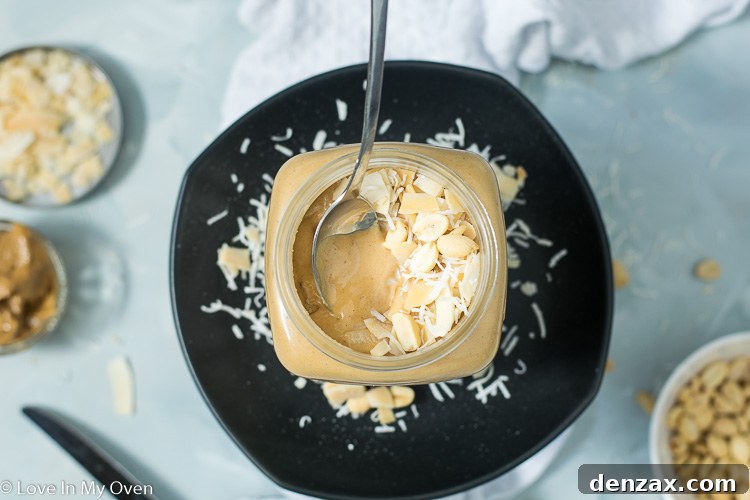
Experience a tropical twist on a classic favorite with this incredibly easy 3-ingredient coconut peanut butter recipe! Elevate your ordinary spread into something extraordinary with the luscious blend of coconut, coconut oil, and natural peanut butter. Prepare to fall in love with its unique flavor and smooth, creamy texture.
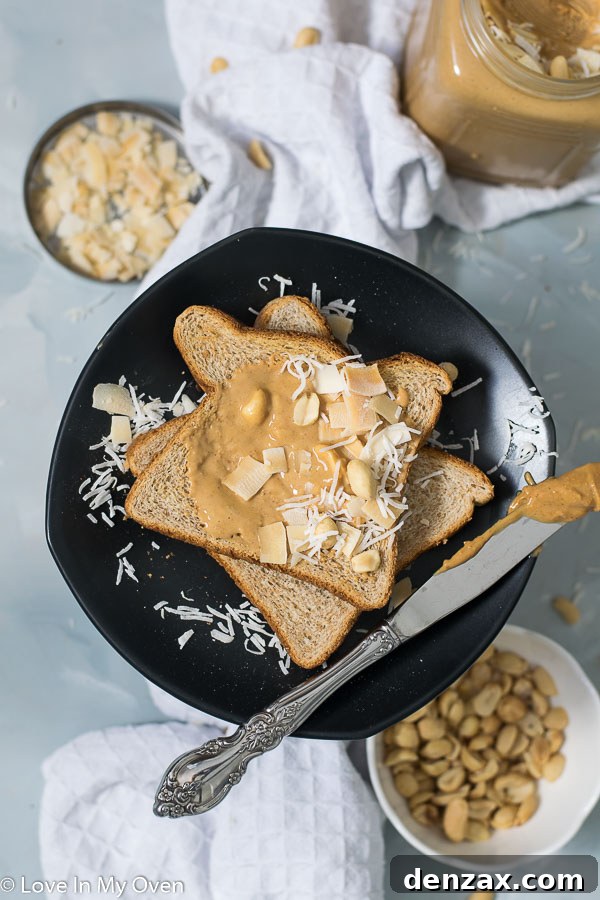
Unlock Flavor: The Ultimate Homemade 3-Ingredient Coconut Peanut Butter
Are you ready to transform your breakfast toast, smoothie bowls, or even just a spoon-licking moment into a tropical escape? We’re diving back into the world of incredibly simple, yet profoundly delicious 3-ingredient recipes with a showstopper: homemade coconut peanut butter!
In a world where we’re increasingly seeking comfort and creativity in our kitchens, discovering new ways to enjoy everyday staples can be a true delight. This recipe offers a fantastic opportunity to switch up your routine and add a vibrant, exotic flavor to your favorite nut butter. Forget those store-bought versions laden with extra sugars and preservatives; making your own coconut peanut butter means enjoying a pure, wholesome, and customizable spread that tastes infinitely better.
It’s amazing how just three basic ingredients can come together to create such a unique and addictive spread. If you’re a fan of coconut, prepare for a revelation. The natural sweetness and rich aroma of coconut perfectly complement the nutty earthiness of peanut butter, creating a harmonious blend that’s both comforting and exciting. This isn’t just peanut butter with a hint of coconut; it’s a perfectly balanced fusion where both flavors shine through, offering a creamy, dreamy experience with every spoonful.
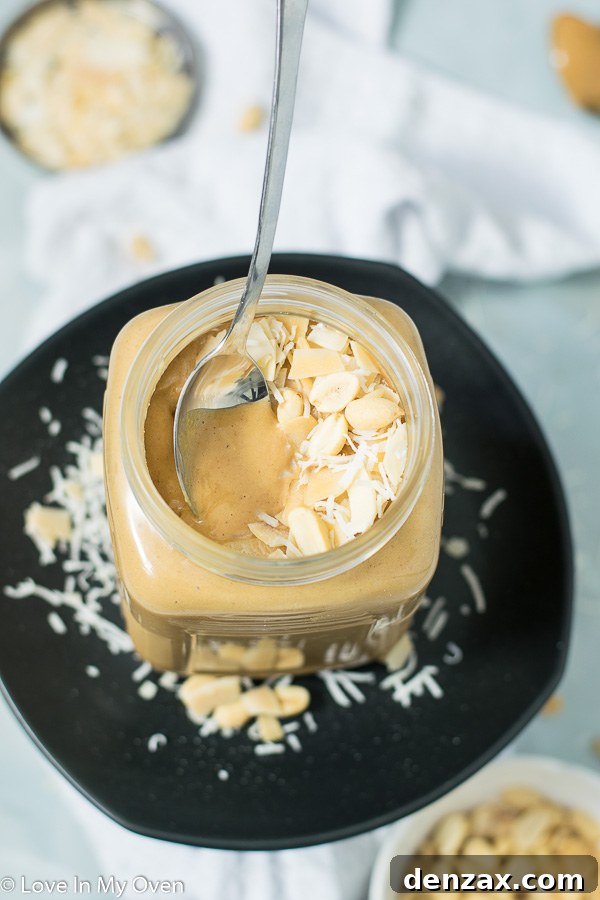
The Magical Trio: What You Need for Coconut Peanut Butter
The beauty of this recipe lies in its minimalist ingredient list. You don’t need obscure items or complicated preparations. All you require are three simple components, readily available in most grocery stores:
- Unsweetened Shredded Coconut: This forms the base of our coconut butter, providing the primary coconut flavor and texture. Opt for unsweetened to control the sweetness of your final spread and avoid unnecessary added sugars.
- Coconut Oil: A crucial ingredient that aids in creating that wonderfully smooth, “buttery” consistency. It helps the shredded coconut break down into a luscious butter and infuses more of that distinct tropical flavor.
- Natural Peanut Butter: The star of the show! Using natural peanut butter, typically made solely from peanuts and sometimes a pinch of salt, ensures a purer flavor and avoids the hydrogenated oils and extra sugars found in many commercial brands. This contributes to a healthier, more authentic homemade spread.
A quick word of caution: if you’re not a fan of coconut, this spread might not be for you! But if you, like us, adore the tropical taste of coconut, then you’re in for a treat. My journey to creating this recipe began during a trip to Hawaii, where I first stumbled upon a small market selling tiny, exorbitantly priced jars of coconut peanut butter. One taste was all it took to hook me, and I knew I had to recreate that delightful experience in my own kitchen.
Crafting Creaminess: How to Make Coconut Peanut Butter
Making your own nut butter might sound intimidating, but it’s surprisingly straightforward, especially with a high-powered food processor or blender. The process essentially involves two main steps, starting with the creation of homemade coconut butter.
Step 1: Mastering Homemade Coconut Butter
The first and most important phase is transforming the shredded coconut into a smooth, creamy coconut butter. This requires patience and the right equipment:
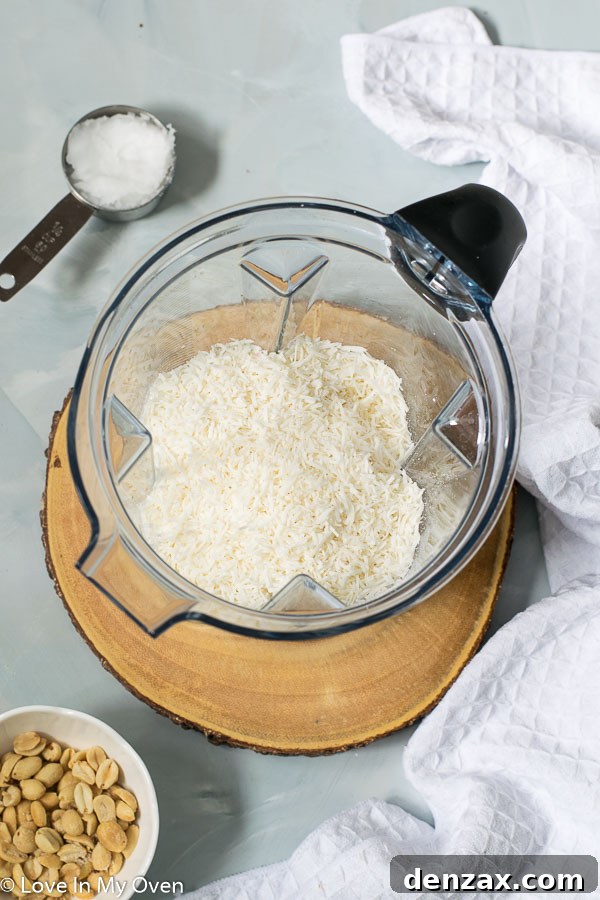
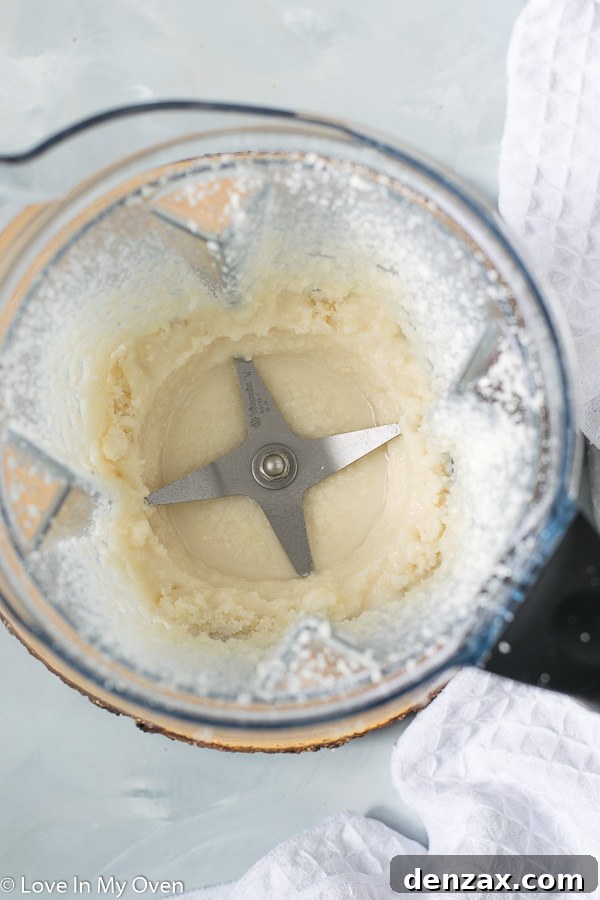
Begin by placing the unsweetened shredded coconut into the bowl of a high-powered food processor or a high-speed blender like a Vitamix. Initially, you’ll want to pulse the coconut. This helps break down the larger shreds into a finer powder. As the coconut breaks down, you’ll notice it starting to clump together. At this point, you can switch to a continuous low setting.
Add the coconut oil relatively early in this process. The oil acts as a lubricant, helping the blades work more efficiently and facilitating the smooth transformation of the coconut. Keep blending, stopping every minute or so to scrape down the sides of the processor bowl with a spatula. This ensures all the coconut is evenly processed and prevents it from sticking to the sides.
Patience is key here. It might take anywhere from 5 to 10 minutes, depending on your machine, but eventually, the coconut will release its natural oils and transform into a warm, runny, and wonderfully smooth “buttery” consistency. You’ll know it’s ready when it looks like a liquid, creamy spread.
Step 2: The Perfect Blend with Peanut Butter
Once your coconut butter is beautifully smooth and creamy, the hard part is over! The second and final step is incredibly simple: combine it with your natural peanut butter. Without even needing to transfer the coconut butter, add your desired amount of natural peanut butter directly into the food processor or blender.
Blend the mixture on a high setting for another 1-2 minutes, or until both ingredients are thoroughly combined into a homogenous, velvety spread. The resulting coconut peanut butter should be smooth, thick, and utterly irresistible. Now is also the perfect time to taste and adjust! If you desire a little more depth or balance, feel free to add a tiny pinch of sea salt.
Choosing Your Peanut Butter: Natural vs. Processed
While this recipe works best with natural peanut butter, you might wonder if other types can be used. Technically, yes, but the results will vary significantly. Natural peanut butter, often containing only peanuts and salt, provides a pure, unadulterated flavor that allows the coconut to truly shine. Its slightly looser consistency also blends seamlessly with the homemade coconut butter.
If you opt for more processed peanut butter (the kind that contains added sugars, hydrogenated oils, and emulsifiers), you’ll likely end up with a sweeter, potentially thicker, and different textured spread. While not necessarily “bad,” it deviates from the simplicity and wholesome purity of this 3-ingredient recipe. Plus, the added ingredients might overpower the delicate coconut flavor. For the authentic experience and optimal health benefits, sticking to natural peanut butter is highly recommended.
Storage Secrets and Shelf Life
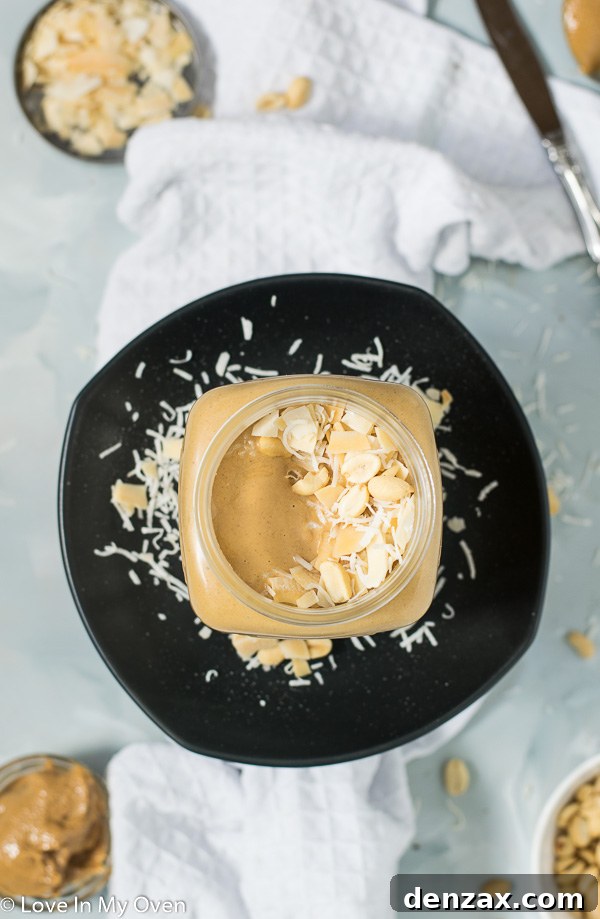
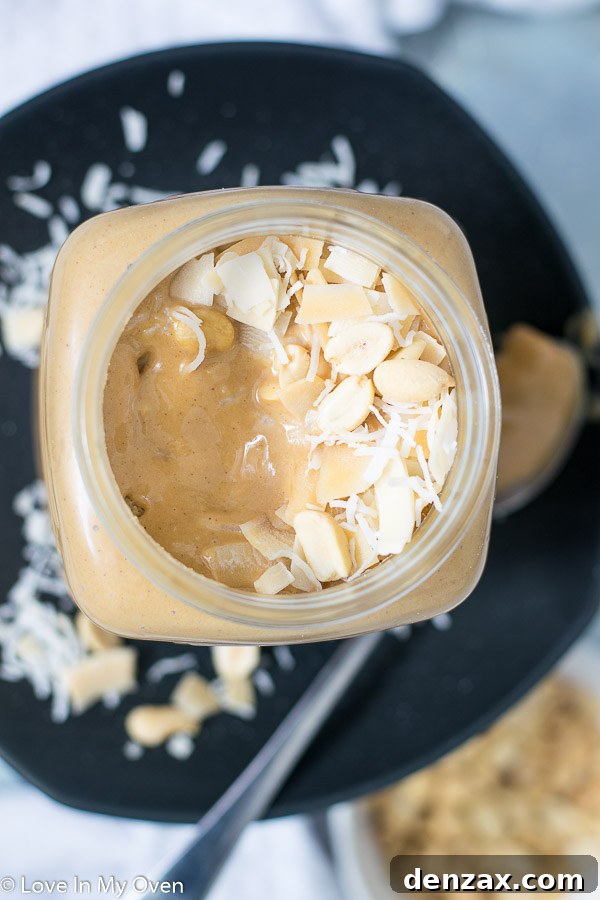
Proper storage ensures your homemade coconut peanut butter stays fresh and delicious for as long as possible. We recommend storing your finished spread in an airtight container, such as a glass mason jar.
- Room Temperature: Kept in a sealed jar on your counter, this coconut peanut butter will maintain its quality for 1-2 weeks. Its natural oils act as a preservative. The consistency will remain soft and easily spreadable, perfect for immediate use.
- Refrigeration: For a longer shelf life, you can store it in the refrigerator for up to a month (or even longer, though it rarely lasts that long in our house!). However, be aware that the coconut oil will solidify in the cold, making the spread very hard. To enjoy its creamy texture, simply take it out of the fridge about 30-60 minutes before you plan to use it and let it soften at room temperature. A quick stir can also help restore its spreadability.
Always trust your senses – if it smells or tastes off, it’s best to discard it.
Make It Your Own: Customization and Variations
This basic 3-ingredient recipe is fantastic on its own, but it also serves as a wonderful base for creative customizations:
- Sweetener Boost: For those who prefer a sweeter spread, incorporate 1-2 tablespoons of maple syrup, honey, or a natural sugar substitute like stevia or erythritol during the final blending stage. Start small and add more to taste.
- Chocolatey Delight: Turn it into a chocolate coconut peanut butter by adding 2-3 tablespoons of unsweetened cocoa powder or cacao powder with the peanut butter. This creates a rich, decadent spread reminiscent of a healthy Nutella.
- Spice It Up: A pinch of cinnamon, a dash of vanilla extract, or even a tiny amount of cardamom can add warm and complex flavor notes.
- Crunch Factor: If you enjoy a bit of texture, you can add some roughly chopped peanuts or toasted coconut flakes after blending, stirring them in by hand.
Serving Suggestions: Beyond the Spoon
Once you’ve made your batch of luscious coconut peanut butter, the possibilities for enjoyment are endless:
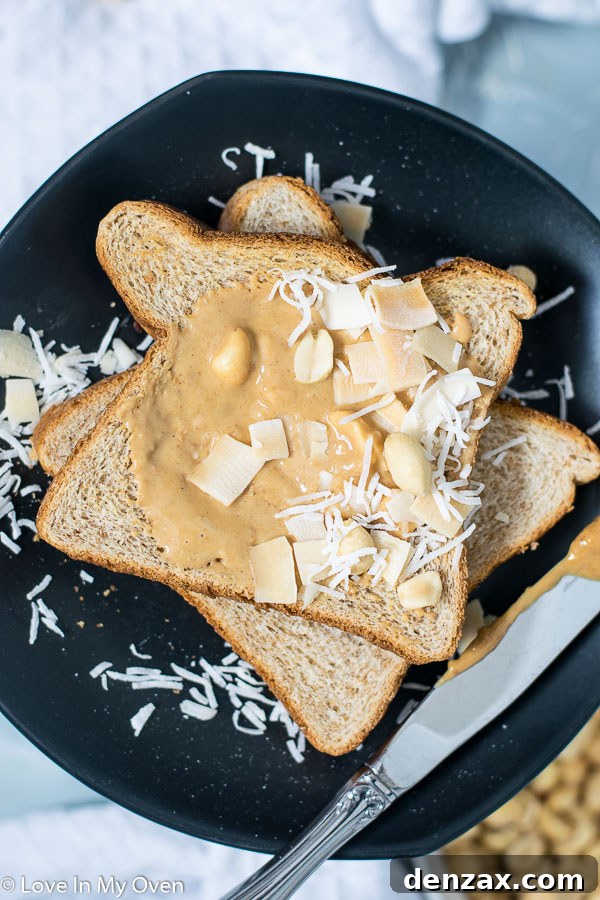
- Classic Spreads: Smear it generously on toast, bagels, or rice cakes for a delightful breakfast or snack.
- Fruit Companion: Pair it with sliced apples, bananas, or berries for a healthy and satisfying treat.
- Oatmeal and Yogurt Topping: Swirl a spoonful into your morning oatmeal or yogurt for an added boost of flavor and healthy fats.
- Smoothie Enhancer: Add a dollop to your favorite smoothies for extra creaminess, flavor, and nutrition.
- Baking Ingredient: Incorporate it into cookies, energy balls, or bars for a unique tropical twist.
- Dips: Use it as a dip for pretzels, crackers, or vegetable sticks.
- Straight from the Jar: Let’s be honest, sometimes the best way to enjoy it is straight from the spoon!
This coconut peanut butter is not only delicious but also packed with healthy fats, protein, and fiber, making it a nutritious addition to almost any meal or snack. It’s a testament to how simple, wholesome ingredients can create truly exceptional results.
So go ahead, give this recipe a try and elevate your everyday spreads. It’s easy, rewarding, and incredibly tasty. Happy blending!
Don’t stop at this delicious spread! Explore some of my other favorite homemade spreads and sauces:
- Homemade Nutella
- Salted Caramel Sauce
- Maple Pecan Butter
Print Recipe
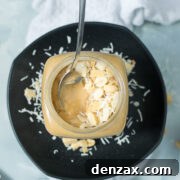
Coconut Peanut Butter
5 Stars 4 Stars 3 Stars 2 Stars 1 Star
5 from 10 reviews
Author: Katherine | Love In My Oven
Total Time: 15 minutes
Yield: 2 cups 1x
Description
This incredibly simple 3-ingredient coconut peanut butter recipe uses unsweetened shredded coconut, pure coconut oil, and natural peanut butter! It’s perfect for adding a tropical, creamy twist to your daily routine, offering a healthy and delicious homemade spread that’s far superior to store-bought versions.
Ingredients
Scale
- 3 cups unsweetened shredded coconut
- 1/4 cup coconut oil (virgin or refined)
- 1 cup natural peanut butter (pure peanuts, ideally)
- optional: pinch of sea salt (to enhance flavors)
- optional: 1-2 tbsp maple syrup or honey (for a sweeter spread)
- optional: 2 tbsp cocoa powder (for a chocolate version)
Instructions
- Prepare the Coconut Butter: In a high-powered blender or food processor, add the unsweetened shredded coconut. Begin by pulsing the coconut for a minute or two until it starts breaking down into a fine powder. Add the coconut oil to the processor. Continue blending on a low to medium setting for about 5-8 minutes, or until the coconut turns into a smooth, warm, and buttery liquid. Stop occasionally to scrape down the sides of the blender with a spatula, ensuring all coconut is processed evenly. The consistency should be runny and creamy.
- Combine with Peanut Butter: Once your coconut butter is perfectly smooth, add the natural peanut butter directly into the food processor with the coconut butter. Blend on high for another 1-2 minutes, or until the mixture is thoroughly combined, smooth, and creamy.
- Taste and Adjust: Taste the coconut peanut butter. If desired, add a pinch of sea salt to enhance the flavors. For a sweeter version, add 1-2 tablespoons of maple syrup or honey and blend again briefly. If you want a chocolatey spread, add 2 tablespoons of cocoa powder and blend until fully incorporated.
- Store: Transfer the finished coconut peanut butter to a clean, airtight container, such as a mason jar. It’s ready to enjoy immediately or store for later.
The coconut peanut butter will last in a sealed container at room temperature for 1-2 weeks, keeping its spreadable consistency. If stored in the fridge, it will last for up to 1 month but will become quite hard. Allow it to sit at room temperature for 30-60 minutes before use to soften.
Notes
For best results, use a high-powered food processor or blender to achieve the smoothest texture. Regular blenders might struggle to turn the coconut into butter without overheating or requiring more scraping. Ensure all ingredients are at room temperature before blending. This helps them combine more easily. If your spread is too thick after refrigerating, microwave it for 10-15 seconds or let it sit at room temperature until softened.
- Prep Time: 15 minutes
- Category: Spreads, Breakfast, Snacks
- Method: Blender, Food Processor
- Cuisine: American, Tropical