
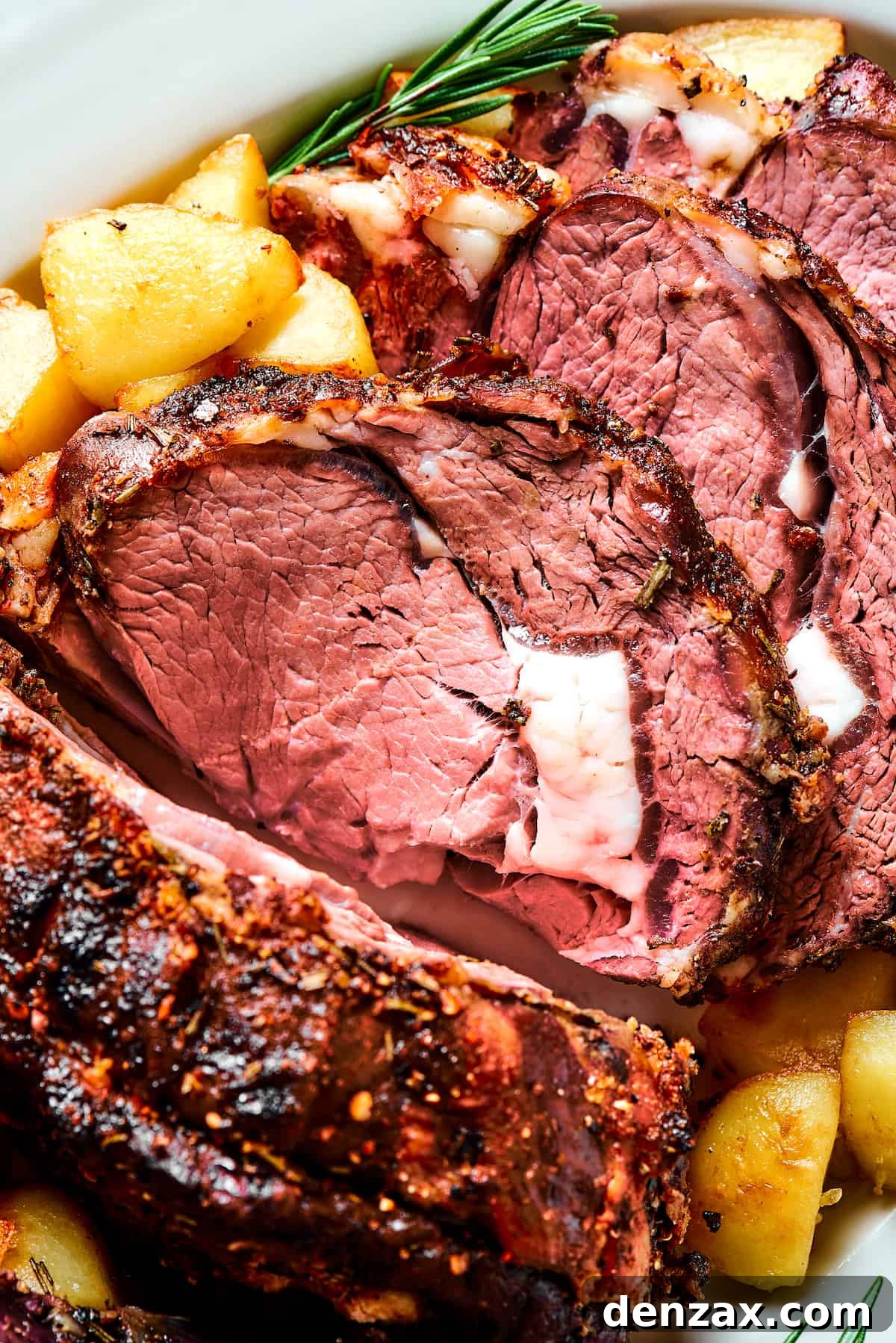
Making a flawless prime rib is simpler than you think. A bright blend of rosemary, Worcestershire sauce, and red chili flakes adds depth to this holiday favorite, while a reverse-sear method—roasting low and slow, then finishing with high heat—produces a juicy, tender roast with a beautiful crust.
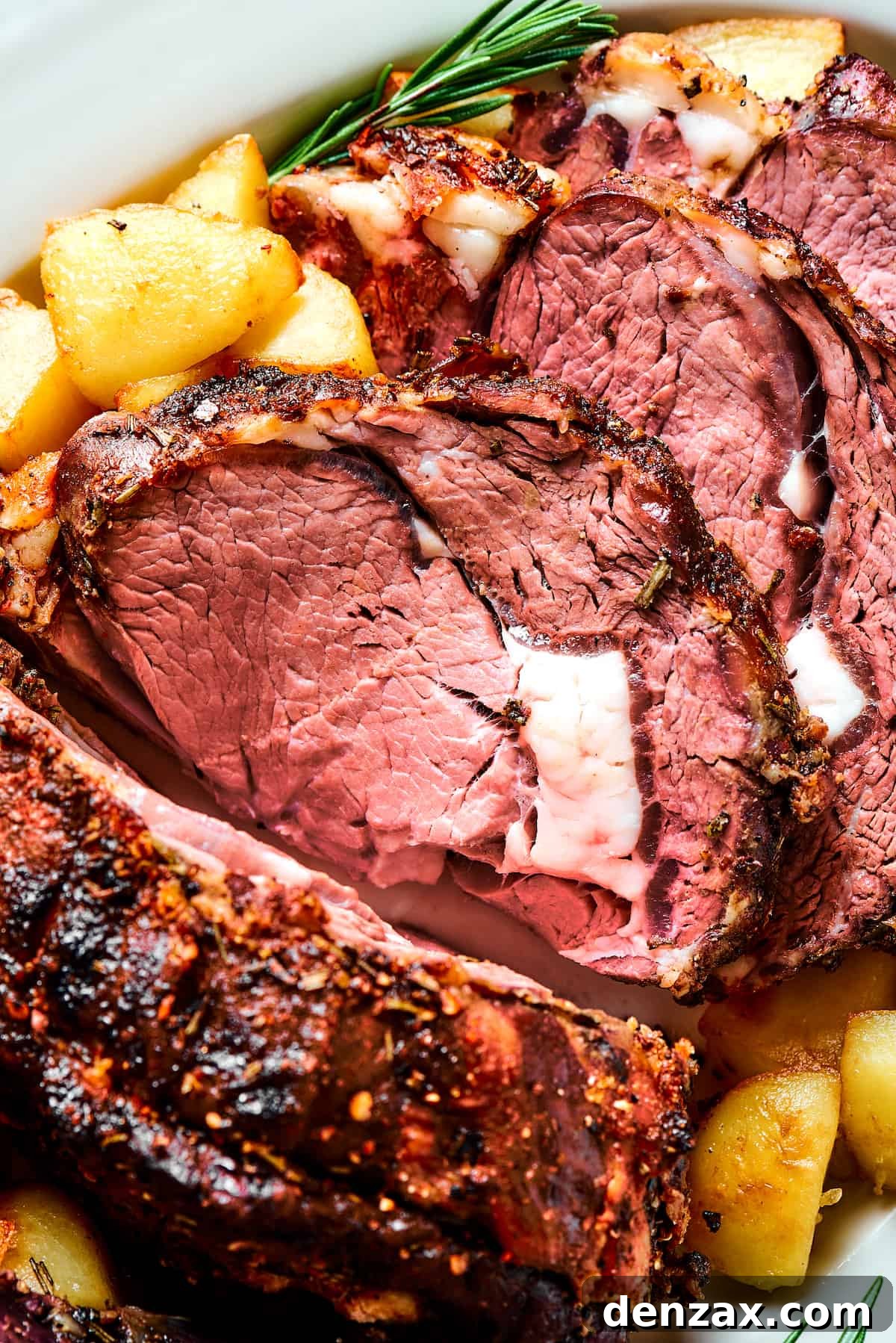
A Christmas Dinner That’ll Knock Their Socks Off!
Holiday meals can feel stressful — we want relaxed, enjoyable gatherings, but we also want something memorable. Prime rib delivers both: it’s naturally tender and well-marbled, and it makes an impressive centerpiece with minimal fuss if you use the right technique.
With this straightforward approach, you get restaurant-quality results at home. The reverse-sear method keeps the interior evenly cooked and juicy, while a short high-heat finish creates a crisp, flavorful exterior.
What Is Special About Prime Rib?
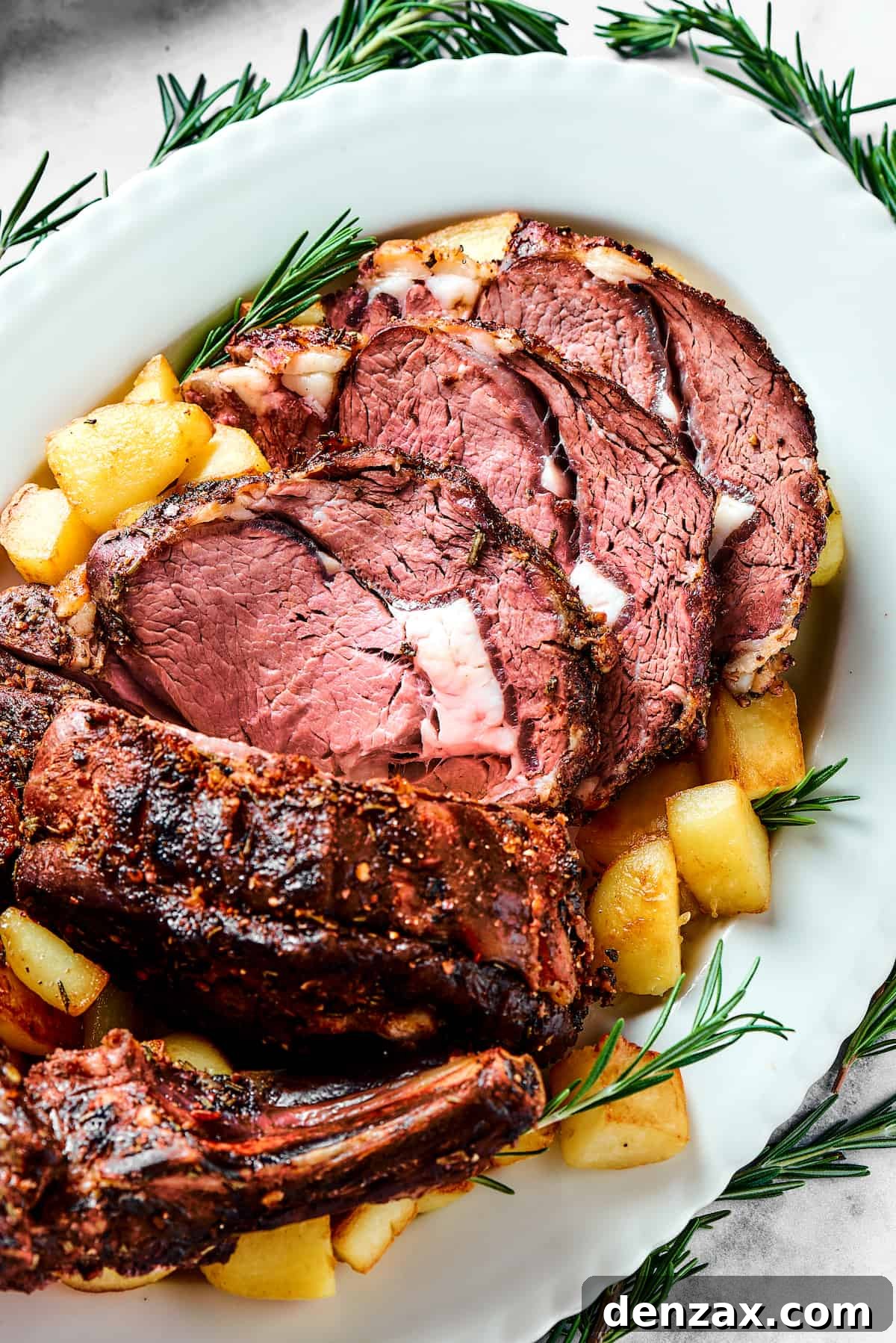
Prime rib is essentially a large bone-in roast made from the ribeye section—think steakhouse flavor in roast form. It’s prized for its tenderness, rich marbling, and beefy taste. If you enjoy ribeye or other steakhouse cuts, a well-roasted prime rib will likely become a holiday staple.
The Ingredients You’ll Need
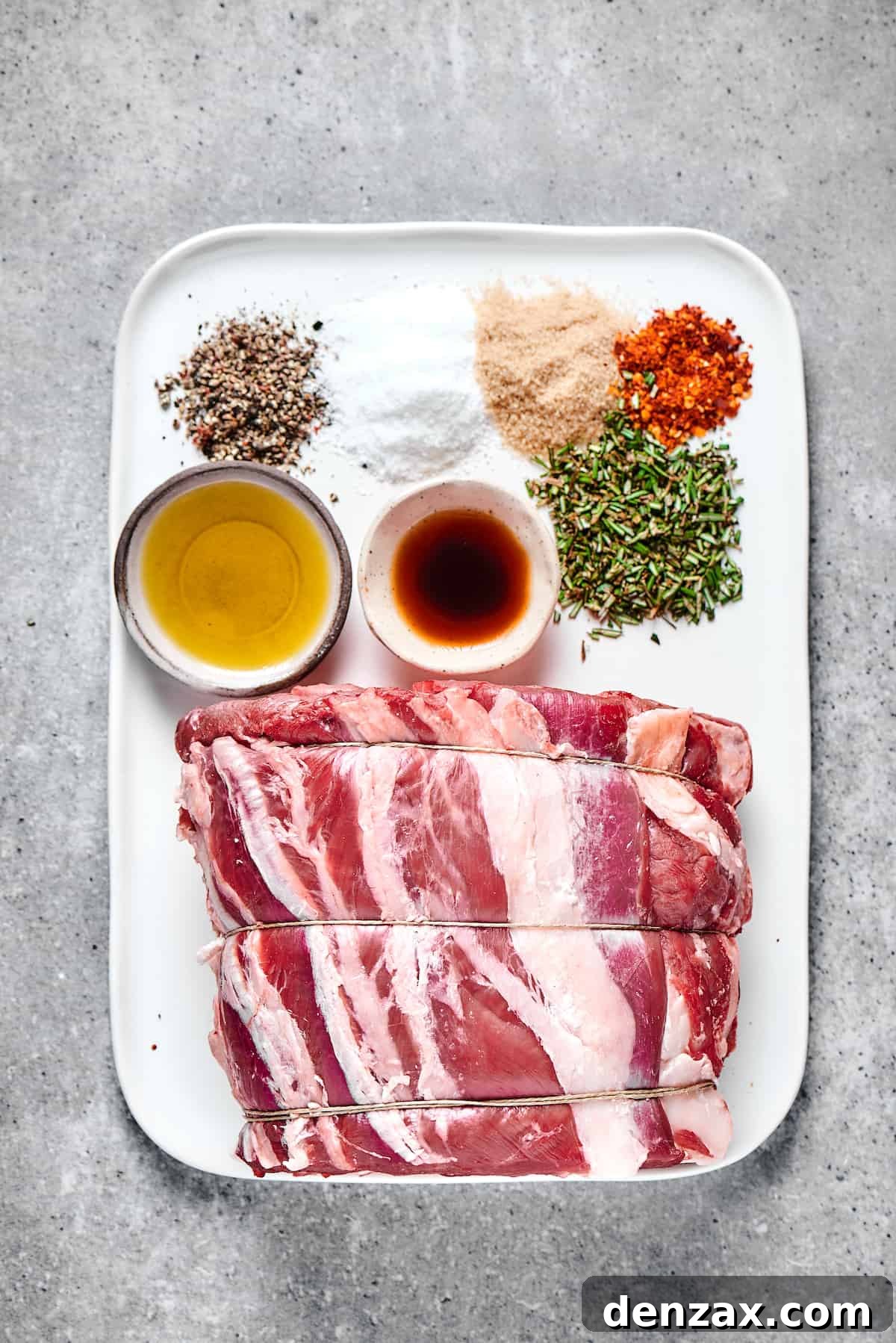
You only need a handful of ingredients to make a show-stopping herb crust and well-seasoned roast.
- Rib roast: A bone-in standing rib roast (labeled prime rib, standing rib roast, or rib roast), about 4–5 pounds (3–4 ribs).
- Olive oil: 2 tablespoons; extra-virgin or a lighter olive oil works fine.
- Worcestershire sauce: 1 tablespoon for savory depth.
- Salt and pepper: Use coarse sea salt and freshly ground black pepper.
- Sugar: ½ tablespoon to help develop a deep, golden crust.
- Red chili flakes: ½ teaspoon, optional, for a gentle heat.
- Fresh rosemary: Leaves from 4 sprigs, finely chopped.
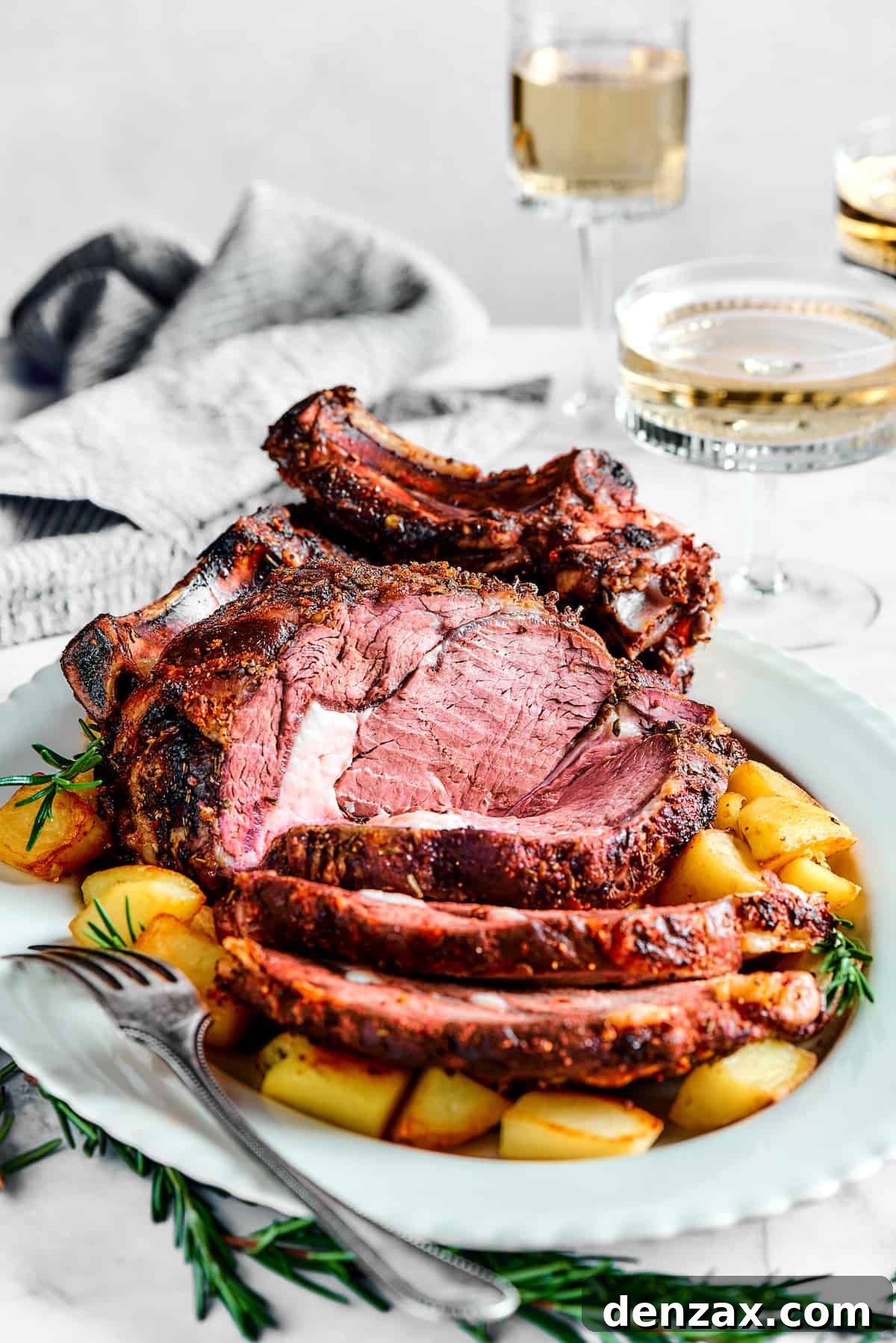
Let’s Make Prime Rib!
This recipe uses the reverse-sear method: slow roast at low temperature, rest, then finish at very high heat for a crisp exterior. Give the meat the recommended resting time for best results.
- Bring to room temperature: Remove the roast from the refrigerator about two hours before cooking so it warms slightly and cooks more evenly.
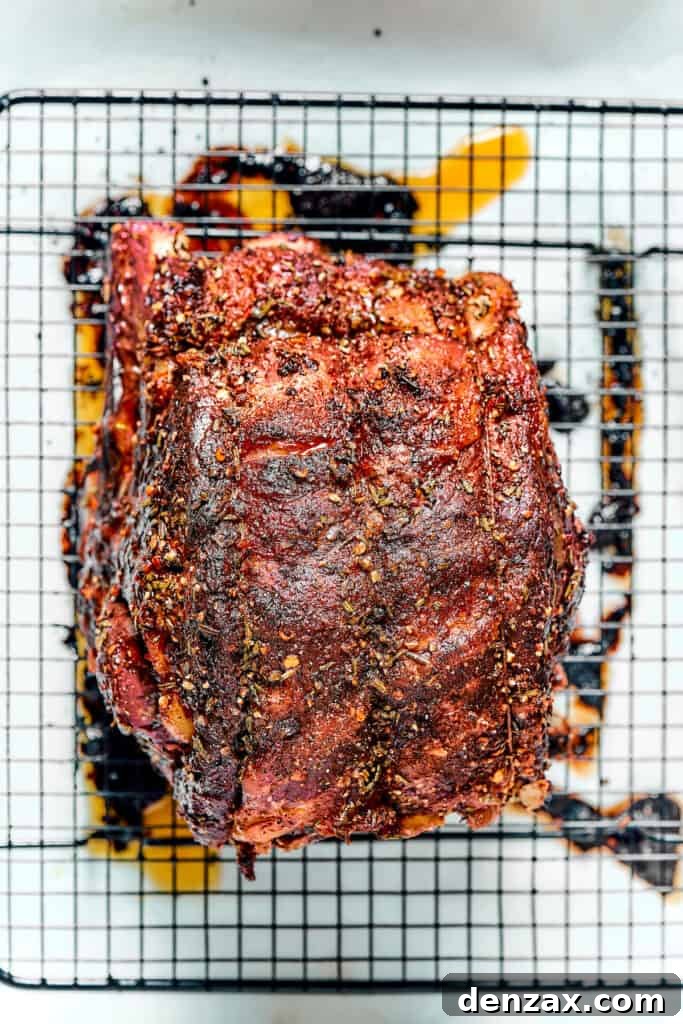
- Season: Pat the roast dry with paper towels. Preheat the oven to 250°F. Rub the roast with olive oil and Worcestershire sauce, then season all over with sea salt, black pepper, sugar, red chili flakes (if using), and chopped rosemary so it’s evenly coated.
- Roast low and slow: Place the roast on a wire rack in a roasting pan. Roast at 250°F for approximately 2 hours 30 minutes, or until the internal temperature reaches about 125°F in the thickest part (use an instant-read thermometer).
- First rest: Remove the roast, tent loosely with foil, and let it rest at room temperature for 30 minutes.
- Finish at high heat: Preheat the oven to 500°F about an hour before serving. Uncover the roast and return it to the hot oven for 5–10 minutes to develop a deep brown, crisp crust.
- Final rest: Remove from the oven and let the roast rest for about one hour before carving to let the juices redistribute and the temperature settle.
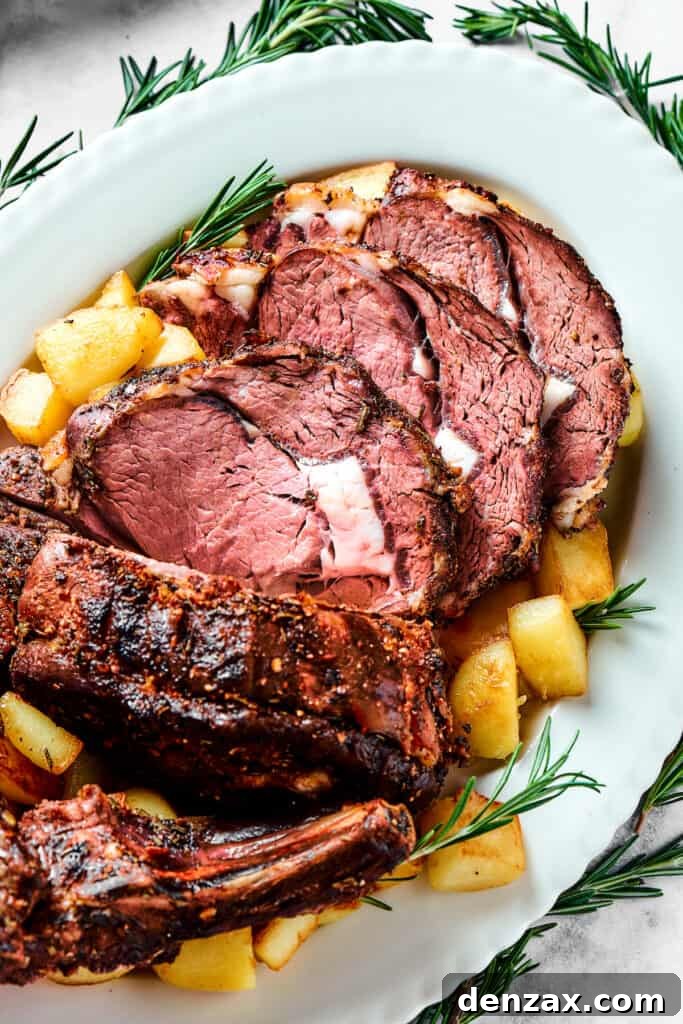
How Is Prime Rib Supposed to Be Cooked?
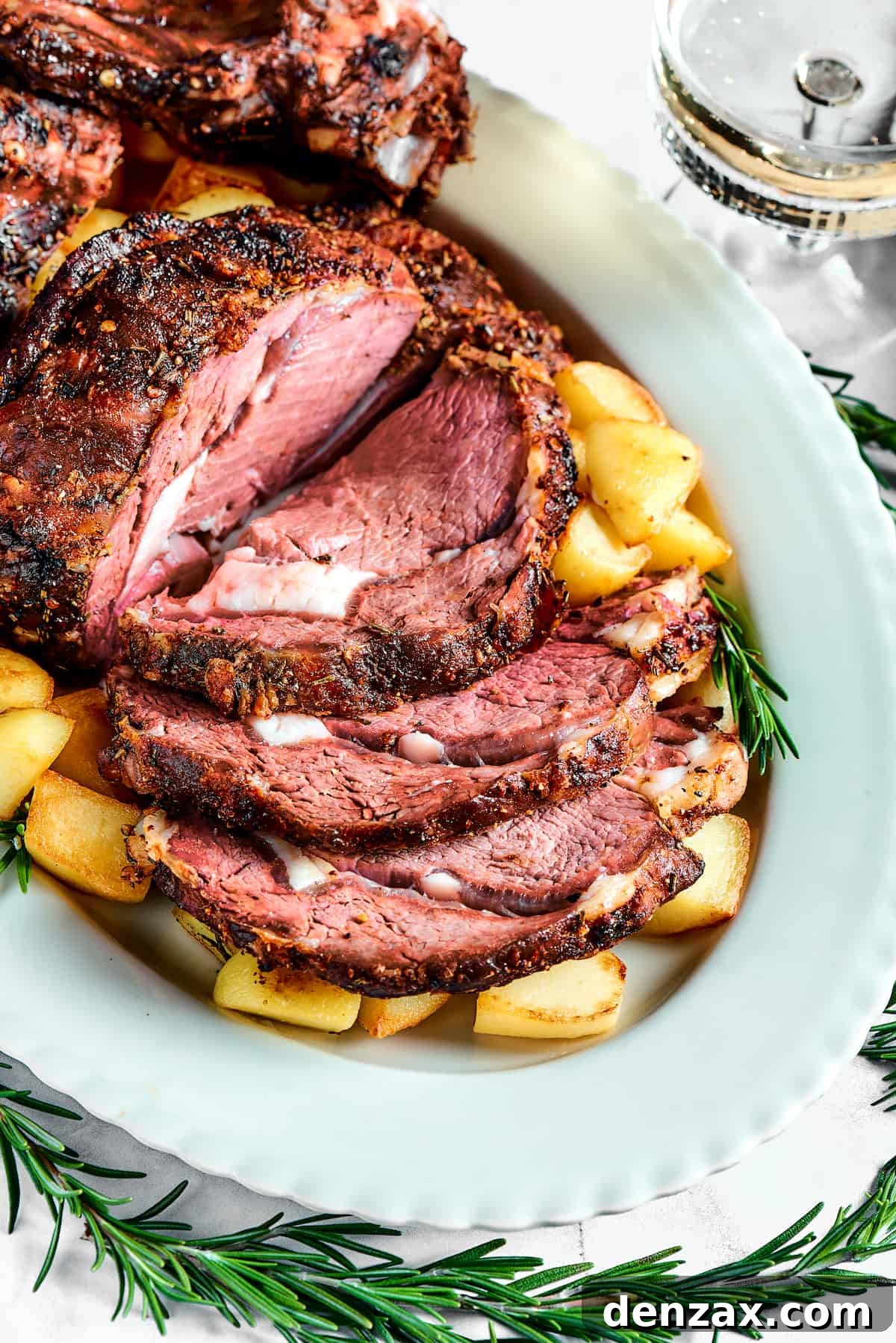
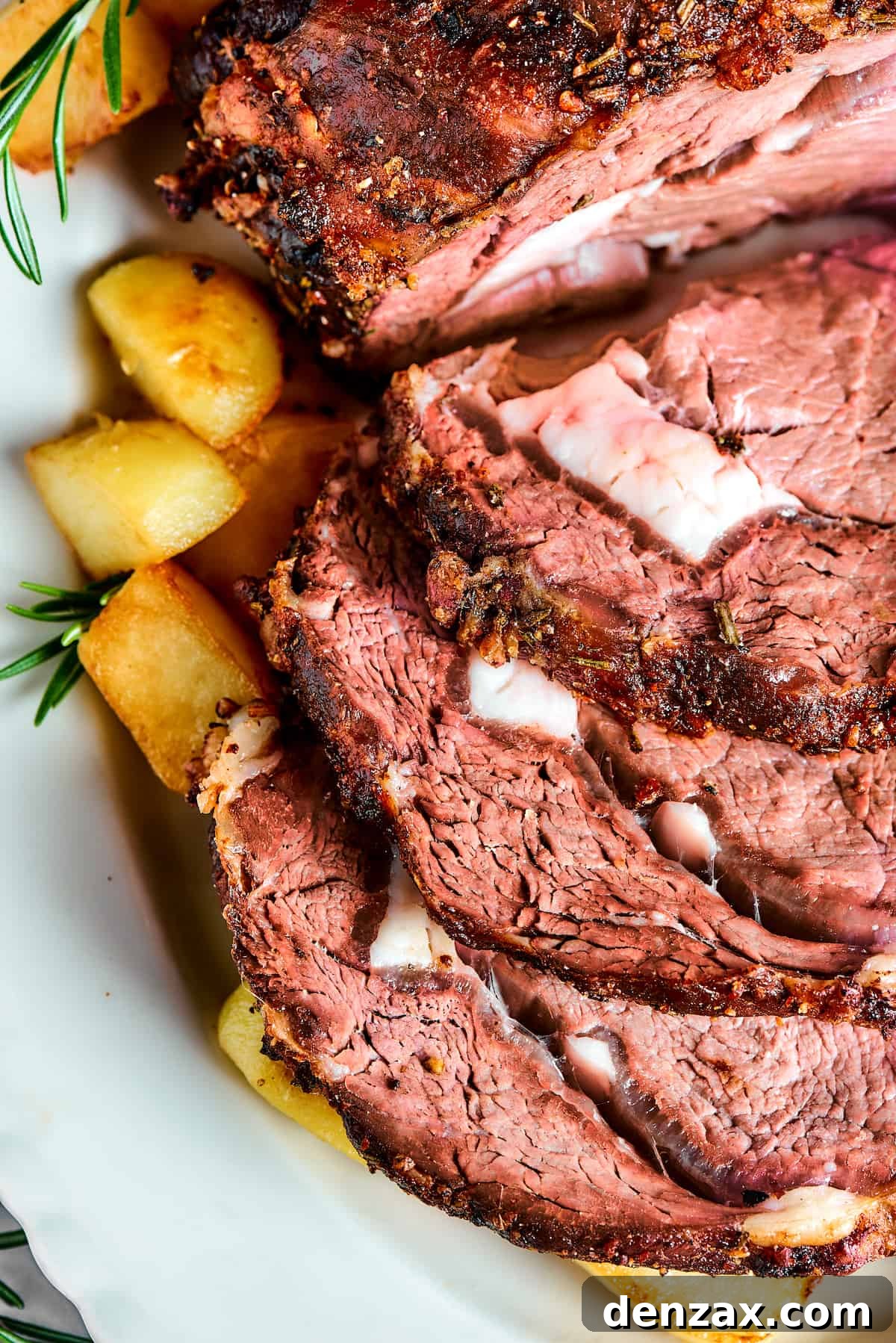
Prime rib is best served medium-rare to medium. Aim for an internal temperature of about 125–130°F for medium-rare, or around 140°F for medium. Going much higher risks drying out the roast. Because the meat continues to carryover cook while resting, remove it from the oven a few degrees shy of your target.
Tips for Success
The key to a great prime rib is precise timing and thermometer use. Follow these tips for reliable results:
- Use a meat thermometer: An instant-read thermometer is essential to check the internal temperature without slicing into the roast and losing juices.
- Account for carryover: Remove the roast when it’s about 3–5°F below your target; it will rise during resting.
- Target temperatures: 125–130°F for medium-rare (rosy pink), 140°F for medium. Avoid cooking much beyond 145°F to prevent dryness.
Yummy Side Dish Ideas
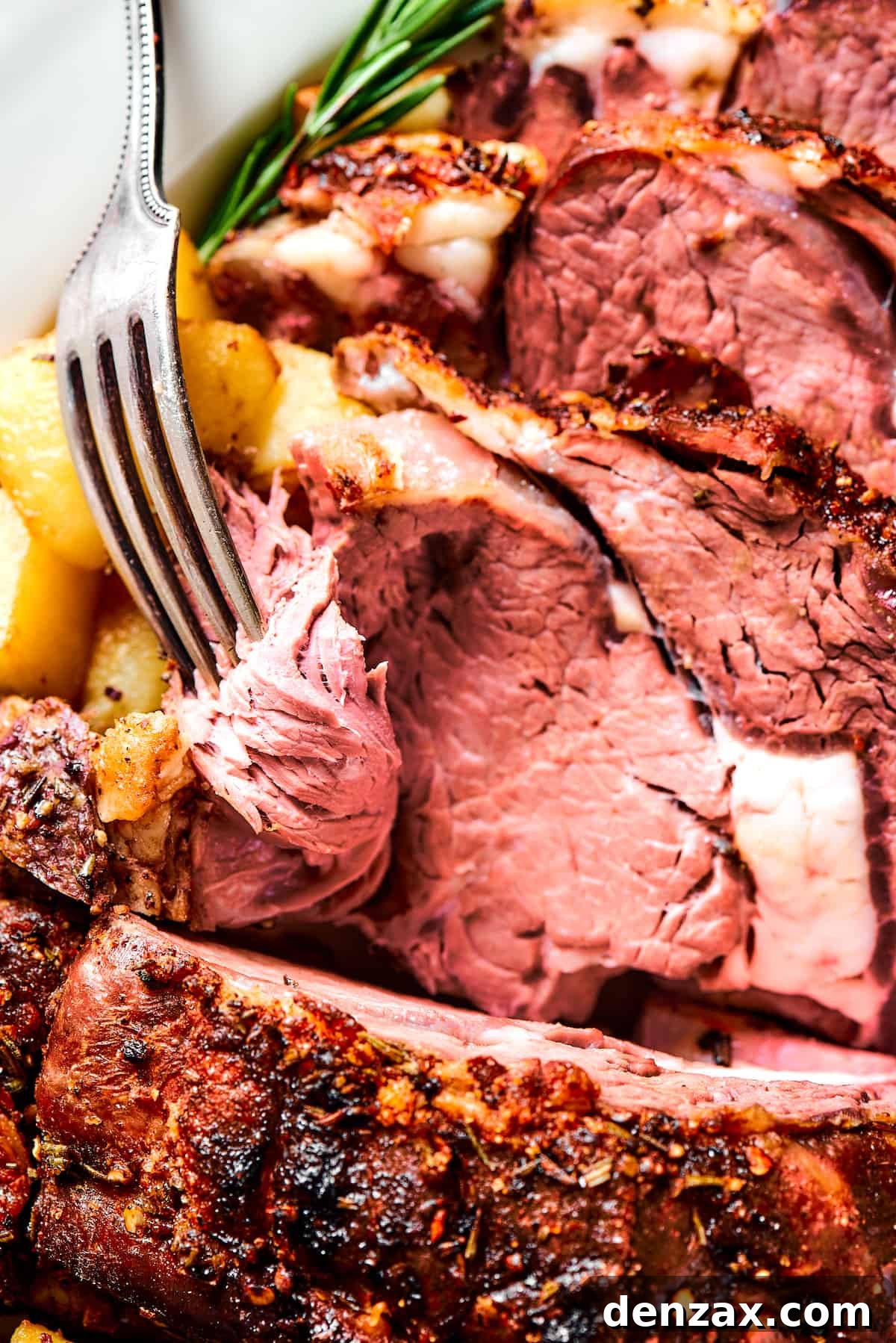
Prime rib pairs well with many sides. Here are a few hearty, holiday-ready suggestions:
- Macaroni and cheese: A rich, creamy baked mac and cheese is a comforting complement.
- Roasted Brussels sprouts: Caramelized and crisped in the oven, they add texture and brightness.
- Crescent rolls: Soft, buttery rolls disappear quickly at the table and are perfect with leftover slices.
How to Store and Reheat Leftovers
- Wrap cooled leftovers tightly in plastic wrap and store in an airtight container in the refrigerator for up to 5 days.
- To reheat without overcooking, warm in a 250°F oven in a covered baking dish with a splash of water or broth until just heated through, usually 10–20 minutes depending on thickness.
Can I Freeze Leftover Prime Rib?
- Yes. Cool the meat completely, then wrap tightly in plastic wrap and a second layer of plastic or foil, or place in a freezer bag. Label with the date and freeze for up to three months for best quality.
- Thaw overnight in the refrigerator before reheating.
Prime Rib
Ingredients
- 4 to 5 pounds bone-in standing rib roast (about 3–4 ribs)
- 2 tablespoons olive oil
- 1 tablespoon Worcestershire sauce
- 1½ tablespoons sea salt
- 1 teaspoon freshly ground black pepper
- ½ tablespoon sugar
- ½ teaspoon red chili flakes (optional)
- Leaves from 4 sprigs fresh rosemary, finely chopped
Instructions
- Remove the prime rib from the refrigerator 2 hours before cooking to come to room temperature.
- Preheat the oven to 250°F.
- Pat the roast dry with paper towels.
- Rub the roast with olive oil and Worcestershire sauce. Season all over with salt, black pepper, sugar, red chili flakes (if using), and chopped rosemary.
- Place the roast on a wire rack set in a roasting pan.
- Roast at 250°F for about 2 hours 30 minutes, or until the internal temperature reaches 125°F in the thickest part. Use an instant-read thermometer.
- Remove from the oven, tent with foil, and rest for 30 minutes.
- Increase the oven temperature to 500°F.
- Uncover the roast and return it to the oven for 5–10 minutes, until the exterior is deeply browned and crisp.
- Remove and let the roast rest for 1 hour before carving and serving.
Equipment
- Roasting pan with wire rack
- Aluminum foil
- Instant-read meat thermometer
- Carving set
Notes
- Meat thermometer: Essential for checking doneness without cutting into the roast.
- Doneness: Remove the roast when it is 3–5°F below your target temperature; carryover cooking will finish it during resting.
- Target temperatures: 125–130°F for medium-rare, up to 140°F for medium. Avoid cooking much beyond 145°F to prevent dryness.
Nutrition
Nutrition info is an estimate and provided as a courtesy. Values may vary with ingredients and portion sizes.
More Holiday Dinner Ideas
- Christmas Ham with Brown Sugar Glaze
- Perfect Roast Turkey with Stuffing
- Classic Rack of Lamb