
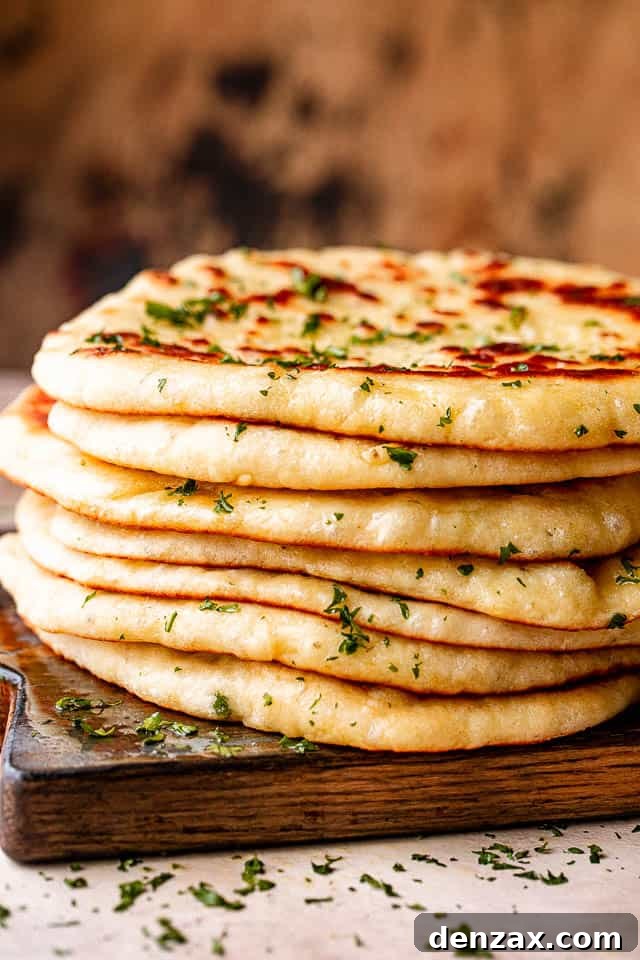
There’s a unique comfort in freshly baked bread, a warmth that instantly makes any house feel like home. This Homemade Flatbread recipe delivers just that – a soft, wonderfully fluffy, and incredibly flavorful experience. Imagine pulling a warm, aromatic piece from the skillet, brushing it lightly with rich olive oil, and scattering vibrant fresh parsley over the top. It’s not just a snack; it’s an invitation to savor simple culinary pleasures, whether as a delightful side dish or a comforting bite on its own.

For me, especially as a Macedonian who deeply appreciates good carbohydrates, homemade flatbread holds a particularly cherished place. While a crusty French baguette might be many people’s carb of choice, I’ve always found solace and satisfaction in the tender embrace of a warm flatbread. This recipe isn’t just about making bread; it’s about creating a connection to culinary traditions, transforming basic ingredients into something truly extraordinary with minimal effort.
Flatbreads are a staple across countless cultures, from the vibrant markets of the Middle East to the bustling kitchens of the Mediterranean. Their versatility and ease of preparation have made them beloved for centuries, and this particular rendition aims to bring that ancient comfort right into your modern kitchen. Get ready to embark on a baking journey that promises delicious results without the daunting complexity often associated with bread making.
Why You’ll Love This Easy Flatbread Recipe
Preparing fresh, homemade bread can often feel like a monumental task, but this flatbread recipe is designed to be approachable and rewarding. Here’s why it’s destined to become a staple in your culinary repertoire:
- Effortlessly Simple to Master: Forget long, intricate baking processes. This flatbread recipe is not only quick but also significantly easier than baking most traditional breads. There’s no lengthy waiting period for dough to rise, and the cooking process unfolds entirely on a skillet. This eliminates the guesswork and unpredictability often associated with oven baking, making it perfect for novice bakers and seasoned pros alike. You’ll be amazed at how quickly you can achieve soft, delicious results.
- Unforgettable Flavor and Texture: What truly elevates this flatbread above the ordinary is a simple yet revolutionary ingredient: plain yogurt. This magical addition imparts a delightful tanginess and contributes significantly to the incredibly fluffy and tender texture. Coupled with aromatic dried herbs like basil and oregano, and a hint of garlic, each bite is a burst of Mediterranean-inspired flavor that’s both comforting and deeply satisfying.
- A Family Favorite That Kids Adore: There’s something universally appealing about homemade bread, and flatbread seems to capture the hearts of children in a special way. Perhaps it’s the warm, inviting aroma that fills the kitchen, or the soft texture that makes it easy to tear and dip. Whatever the reason, this flatbread consistently gets rave reviews from the little ones. It’s a fantastic way to introduce them to the joy of freshly baked goods and even get them involved in the simple kneading and rolling process.
- Incredibly Versatile: From accompanying hearty stews to serving as a base for mini pizzas, this flatbread is a chameleon in the kitchen. Its neutral yet flavorful profile makes it suitable for almost any meal, transforming everyday dishes into something special.
What is the Difference Between Flatbread and Naan?
The terms “flatbread” and “naan” are often used interchangeably, leading to some confusion. However, understanding their relationship is quite simple: flatbread is a broad category, and naan is a specific, delicious type of flatbread.
At its core, a flatbread is any bread that is flattened before cooking. This general classification encompasses a vast array of global breads, typically made from a straightforward combination of flour, water, and salt, and often leavened with yeast or other agents (or sometimes unleavened). Think about the diversity: the familiar pita pockets of the Middle East, the versatile tortillas of Mexico, the sturdy piadina from Italy, the thin lavash from Armenia, or the Indian roti – all are wonderful examples of flatbreads.

Naan, on the other hand, is a specific type of leavened flatbread popular in South Asian, Central Asian, and Caribbean cuisines. What distinguishes naan is typically its use of yogurt (or milk), eggs, and sometimes butter, which contribute to its distinctive soft, pillowy texture and slightly tangy flavor, often cooked in a tandoor oven. This particular homemade flatbread recipe shares similarities with naan due to its use of yogurt, resulting in a delightfully soft and fluffy texture, making it an excellent, accessible alternative to exploring the rich world of flatbreads.
Essential Ingredients for Your Homemade Flatbread
Crafting these delectable flatbreads requires a handful of simple, readily available ingredients. Each plays a crucial role in achieving the perfect texture and flavor:
- Lukewarm Water: This is vital for activating the yeast. Water that is too cold won’t wake up the yeast, and water that’s too hot can kill it. Aim for a temperature around 105°F (40°C), which feels comfortably warm but not hot to the touch. A quick 30-second zap in the microwave usually does the trick.
- Active Dry Yeast: The magic behind the flatbread’s fluffiness! Yeast is a living organism that, when activated, produces carbon dioxide, causing the dough to rise. Small packets are usually available in the baking aisle of any grocery store.
- Sugar: Just a touch of sugar acts as food for the yeast, helping to kickstart its activity and ensure a good rise. It also contributes to the golden-brown crust.
- Plain Yogurt: This is the secret ingredient for an exceptionally tender, tangy, and moist flatbread. The acidity in the yogurt tenderizes the gluten in the flour, while its fat content adds richness. Always opt for plain, unflavored yogurt – even vanilla can alter the taste significantly. Full-fat yogurt is recommended for the best texture and flavor.
- Olive Oil: Used both within the dough for flavor and moisture, and for brushing the flatbreads during cooking to achieve that beautiful golden exterior and prevent sticking. Extra virgin olive oil will lend the best flavor.
- Seasoning: We’ll infuse the dough with a delightful blend of dried basil, oregano, garlic powder, and salt. These Mediterranean herbs elevate the flatbread’s flavor profile, making it enjoyable on its own. Feel free to experiment with other herbs like thyme or rosemary if you wish.
- All-Purpose Flour: The structural backbone of our flatbread. Standard all-purpose flour works perfectly for achieving a soft yet slightly chewy texture.
- Fresh Parsley: While optional, a sprinkle of freshly chopped parsley as a garnish adds a pop of vibrant color and a burst of fresh, herbaceous flavor that beautifully complements the warm flatbread. Other fresh herbs like cilantro or chives can also be used.
How to Make Perfect Homemade Flatbread: A Step-by-Step Guide
Creating your own soft, fluffy flatbread is a rewarding process. Follow these detailed steps to achieve perfect results every time:
- Activate the Yeast: In a spacious mixing bowl, combine the lukewarm water, active dry yeast, and sugar. Give it a gentle whisk to combine, then set the mixture aside for 8 to 10 minutes. This resting period allows the yeast to activate. You’ll know it’s ready when the mixture becomes foamy and bubbly on the surface, indicating the yeast is alive and working.
- Combine Wet and Dry Ingredients: Once your yeast mixture is foamy, whisk in the plain yogurt, olive oil, salt, dried basil, dried oregano, and garlic powder until well incorporated. Next, gradually add the all-purpose flour and fresh parsley (if using). Using a sturdy wooden spoon, stir everything together until a shaggy, cohesive dough forms. It might look a bit rustic, but trust the process.
- Knead the Dough for Elasticity: Lightly dust your clean work surface (like a kitchen counter) with all-purpose flour. Turn the dough out onto this floured surface. Begin kneading the dough by folding it over itself, pressing down, and rotating. Continue kneading for a full 4 minutes. This process develops the gluten, which is crucial for the flatbread’s elasticity and chewiness. If the dough feels too sticky during kneading, add a tiny bit more flour, but be careful not to add too much, as this can make the flatbread tough.
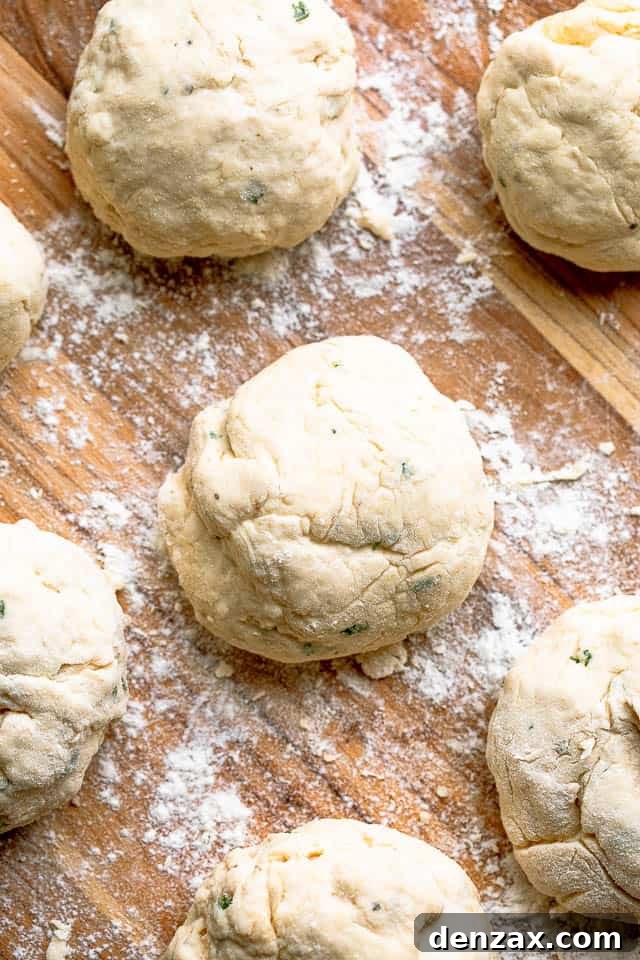
- Divide and Rest the Dough: After kneading, cut the dough into 10 equal pieces. For consistent results and even cooking, you can use a kitchen scale to ensure each piece weighs approximately the same. Roll each piece into a small, smooth ball. Arrange the dough balls on your floured surface, cover them with a clean kitchen towel, and let them rest for 15 minutes. This resting period allows the gluten to relax, making the dough much easier to roll out evenly.
- Prepare Your Cooking Surface: While the dough is resting, place a large frying pan (preferably cast iron or a heavy-bottomed skillet) over medium-low heat. Allow it to preheat thoroughly. A properly hot pan is key to achieving that characteristic puff and golden crust.
- Roll Out and Oil: Take one of the rested dough balls. Using a rolling pin, roll it out evenly into a circle approximately 7 inches in diameter and about ⅛ to ¼ inch thick. The shape doesn’t have to be perfect; rustic is charming! Lightly brush one side of the rolled-out dough with olive oil.
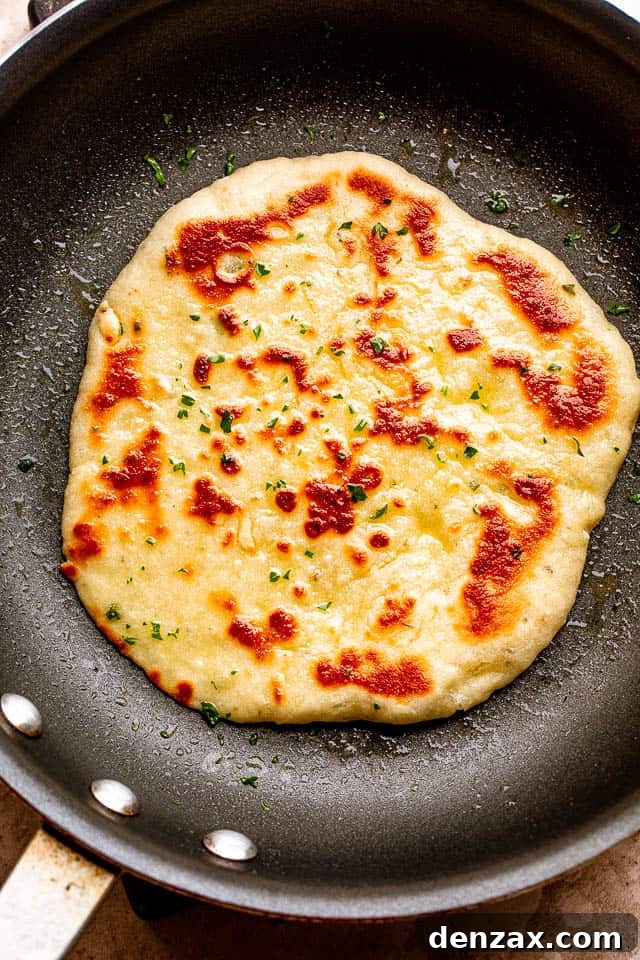
- Cook the First Side: Once the pan is hot, carefully pick up the rolled-out dough and place it into the pan, oiled side down. Cook for about 1 to 1½ minutes. During this time, you’ll start to see bubbles forming on the top surface of the flatbread – this is a good sign! While it’s cooking, lightly brush the uncooked side of the flatbread with olive oil.
- Flip and Finish Cooking: With a spatula, flip the flatbread to the other side (the freshly oiled side) and cook for another 1 minute, or until the bottom is beautifully golden brown with a few charred spots. Remove the cooked flatbread from the pan and transfer it to a plate. To keep the flatbreads soft and warm, immediately cover them with a clean kitchen towel while you work on the remaining dough.
- Repeat and Enjoy: Continue this process with the rest of the dough balls, rolling, oiling, and cooking each one individually. Remember to keep the uncooked dough balls covered with the kitchen towel to prevent them from drying out. Once all your flatbreads are cooked, sprinkle them with a final flourish of chopped fresh parsley and serve immediately, while they’re still warm and irresistible.
Expert Tips for Flatbread Perfection
Achieving consistently delicious flatbreads is easy with a few key techniques:
- Perfect Yeast Activation: The temperature of your water is paramount. Mix your active dry yeast with lukewarm water, ideally around 105°F (40°C). Water that’s too cold won’t activate the yeast, leading to a dense flatbread. Water that’s too hot will kill the yeast, resulting in the same flat outcome. A foamy mixture after 8-10 minutes is your green light.
- Consistency in Size Matters: For even cooking and presentation, try to make each ball of dough as close to the same size as possible. Using a small kitchen scale to weigh each piece ensures uniformity, preventing some flatbreads from being undercooked while others are perfectly done.
- No Yeast? No Problem (Almost): While yeast is crucial for the signature fluffiness, if you’re in a pinch, you can omit it. However, be aware that the resulting flatbread will be less airy and soft, and more dense and tortilla-like. It will still be delicious, but different in texture.
- Don’t Skip the Oil Brush: Brushing both sides of the dough with olive oil before and during cooking serves multiple purposes. It prevents the dough from sticking to the pan, creates a beautiful crispy exterior, adds flavor, and helps achieve that desirable golden-brown color.
- Hot Pan, Not Too Hot: Ensure your frying pan is properly preheated over medium-low heat before adding the dough. A pan that isn’t hot enough will result in a tough flatbread, while one that’s too hot will burn the exterior before the interior is cooked through. You want a consistent, gentle heat.
- Don’t Overcrowd the Pan: Cook one flatbread at a time. Overcrowding the pan will lower its temperature, steaming the flatbreads instead of browning them, and they won’t puff up correctly.
- Keep Them Covered: As you finish cooking each flatbread, immediately transfer it to a plate and cover it with a clean kitchen towel. This traps the steam, keeping the flatbreads warm, soft, and pliable until you’re ready to serve.
Versatile Pairings: What to Serve With Flatbread
Our homemade flatbread recipe opens up a world of delicious culinary possibilities. Its soft texture and subtle flavor make it an incredibly versatile accompaniment or a star ingredient in its own right:
- Hearty Meals: This flatbread is a wonderful alternative to traditional dinner rolls or sliced bread for virtually any meal. It pairs exceptionally well with rich and savory dishes like a robust Mulligan stew, a creamy Chicken Madeira, or fragrant curries. Use it to scoop up sauces and gravies, enhancing every bite. It’s also fantastic alongside various meat and rice dishes – don’t hesitate to try it with a vibrant Salmon BLT Salad for a delightfully fresh combination.
- Dips and Spreads: For a quick and satisfying snack, cut the warm flatbread into triangles and serve it with your favorite dips. Classic choices include creamy hummus, refreshing tzatziki sauce, smoky baba ghanoush, spicy muhammara, or a briny olive tapenade. The soft interior and slightly crispy exterior are perfect for scooping.
- Creative Sandwiches and Wraps: Flatbread transforms into the perfect vessel for imaginative sandwiches and wraps. Fold it around savory fillings like grilled chicken, falafel, seasoned beef for gyros or shawarma, or a medley of fresh vegetables and cheese to create a satisfying and portable meal.
- Mediterranean-Inspired Tacos: Reimagine your taco night! Use the flatbread as a base for Mediterranean-style tacos. Top it with richly seasoned ground meat, crisp shredded lettuce, diced tomatoes, crumbled feta cheese, and a drizzle of lemon-tahini dressing for a flavorful twist.
- Fun Mini Pizzas: This is an absolute hit, especially with children! Use individual flatbreads as quick pizza bases. Spread a layer of tomato sauce, sprinkle with mozzarella, and let everyone customize their mini pizzas with preferred toppings like pepperoni, mushrooms, olives, or bell peppers. Bake until the cheese is bubbly and golden for a simple, fun, and delicious meal.
- Breakfast Bliss: Don’t limit flatbread to lunch and dinner. Serve it alongside scrambled eggs, fresh labneh or cream cheese, sliced cucumbers and tomatoes, or a drizzle of honey for a delightful and wholesome breakfast.
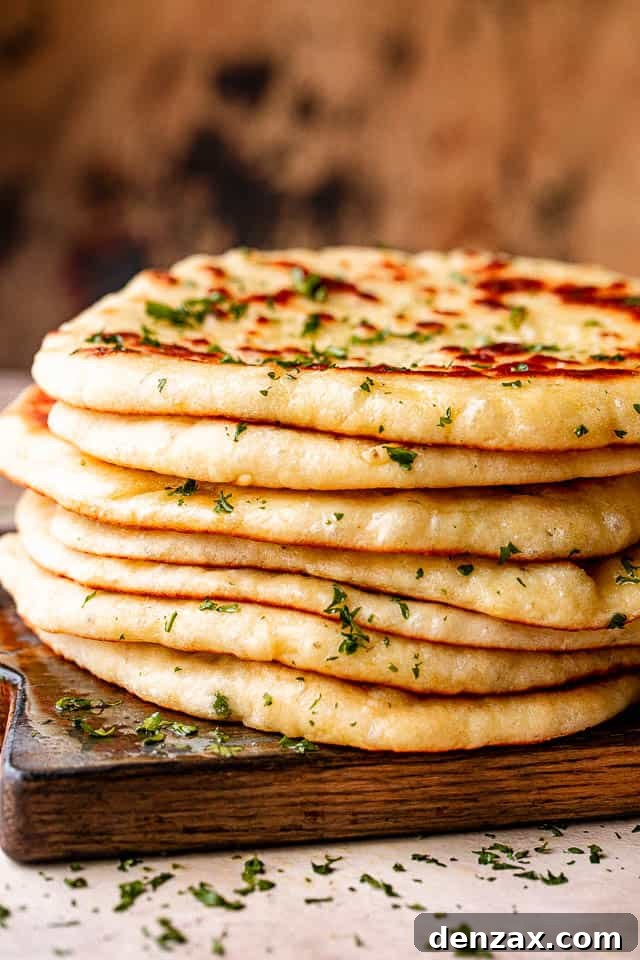
Storing and Reheating Your Homemade Flatbread
One of the best things about homemade flatbread is that it stores well, allowing you to enjoy its deliciousness days after baking:
- Room Temperature Storage: Once completely cooled, place any leftover flatbreads in airtight ziploc bags or containers. They will stay fresh and soft at room temperature for up to 2 days.
- Refrigerated Storage: For extended freshness, you can store the flatbreads in the refrigerator for up to 5 days. Ensure they are properly sealed to prevent them from drying out.
- Freezing for Later: Flatbreads freeze exceptionally well! Wrap individual flatbreads tightly in plastic wrap, then place them in a freezer-safe bag or container. They can be frozen for up to 3 months. To reheat from frozen, simply thaw at room temperature or warm directly from frozen using one of the methods below.
- Reheating for Optimal Warmth: To bring your stored flatbreads back to their freshly cooked glory, my preferred method is to warm them in a dry skillet over medium-low heat for a few seconds on each side. This restores their softness and creates a slightly crispy exterior. You can also briefly warm them in a toaster oven or microwave, though a skillet yields the best texture.

Explore More Easy Bread Recipes
If you’ve enjoyed the process of making this homemade flatbread, you’ll love exploring other simple and satisfying bread recipes:
- No Knead Dutch Oven Bread: A crusty, artisan-style loaf with minimal effort.
- Challah Bread: A beautiful, braided sweet bread perfect for holidays or any day.
- Homemade Cornbread: A quick and comforting classic, ideal with chili or stew.
- Spinach And Feta No Yeast Bread: A savory, flavorful bread that comes together in a flash.
- Zucchini Banana Bread: A moist and flavorful quick bread, perfect for using ripe produce.
- Pumpkin Swirl Bread: A seasonal delight with beautiful swirls of pumpkin spice.
Homemade Flatbread Recipe

Rating: 4.95 from 39 votes
Author: Katerina | Easy Weeknight Recipes
Make this incredibly soft and fluffy Homemade Flatbread recipe for a warm, fresh, and delicious snack or the perfect complement to any meal.
- Prep Time: 30 minutes
- Cook Time: 20 minutes
- Total Time: 1 hour
- Servings: 10 Flatbreads
Ingredients
- 1¼ cups lukewarm water (about 105˚F)
- 2½ teaspoons active dry yeast
- 1 tablespoon sugar
- ¾ cups plain yogurt
- 2 tablespoons olive oil
- 1 tablespoon salt
- ½ tablespoon dried basil
- ½ tablespoon dried oregano
- 1 teaspoon garlic powder
- 3¾ cups all-purpose flour
- ¼ cup chopped fresh parsley
- ½ cup olive oil, for brushing
Instructions
- In a large mixing bowl, whisk together water, yeast, and sugar; set aside for 8 to 10 minutes or until foamy. Then, whisk in the yogurt, olive oil, salt, basil, oregano, and garlic powder.
- Add the flour and parsley, and stir everything together with a wooden spoon until the dough comes together.
- Generously sprinkle flour over your kitchen counter or work area and turn the dough onto the floured surface; turn it to coat with the flour and then knead it for 4 minutes. Sprinkle more flour if the dough is sticky while kneading.
- Cut the dough into 10 equal pieces and form each piece into a small ball. Lightly sprinkle each dough ball with flour; cover them with a kitchen towel and let stand for 15 minutes.
- Preheat a frying pan over medium-low heat. Take one of the dough balls and, using a rolling pin, roll it out to about a 7-inch circle. Lightly brush the top of the rolled-out dough with olive oil.
- When the pan is hot, pick up the rolled-out dough and place it in the pan, oiled side down, and cook for about 1 ½ minutes, or until the top surface is covered with bubbles. While frying, brush the opposite side of the flatbread with olive oil.
- Flip the flatbread and cook for 1 more minute or until golden on the bottom. Remove it from the pan and transfer it to a plate; keep cooked flatbreads covered with a kitchen towel while working with the rest of the dough.
- Repeat the process with the remaining balls of dough. Make sure to keep the other dough balls covered while working.
- Serve the flatbreads warm or cold, garnished with fresh parsley if desired.
Equipment
- Measuring Cups and Spoons
- Mixing Bowls
- Large Skillet
- Wooden Spoon
- Rolling Pin
- Kitchen Scale (optional, for precise dough division)
Video
A video tutorial for this recipe is available to guide you through each step for perfect results.
Notes
- Right Temperature for Water: Make sure the water is lukewarm (around 105˚F) to activate the yeast without killing it. Too hot or too cold, and the yeast won’t work effectively.
- Kneading the Dough: Knead the dough thoroughly for at least 4 minutes to develop gluten, which gives the flatbread its structure and chewiness. If the dough is sticky, add a little more flour, but be cautious not to add too much.
- Resting the Dough: Allow the dough balls to rest covered for about 15 minutes before rolling. This resting period helps the gluten relax, making the dough easier to roll out.
- Adding Herbs: Incorporate herbs like dried basil and oregano – or whatever you like – into the dough for additional flavor.
- Storage: Once cooled, store the flatbreads in zip-top bags and keep them at room temperature for 2 days. Keep refrigerated for up to 5 days or freeze for 3 months.
Nutrition
Nutritional information per serving (1 flatbread, estimate):
- Calories: 320 kcal
- Carbohydrates: 40g
- Protein: 7g
- Fat: 15g
- Saturated Fat: 2g
- Cholesterol: 2mg
- Sodium: 712mg
- Potassium: 128mg
- Fiber: 2g
- Sugar: 2g
- Vitamin A: 30 IU
- Vitamin C: 1mg
- Calcium: 39mg
- Iron: 3mg
Nutritional info is an estimate and provided as a courtesy. Values may vary according to the ingredients and tools used. Please use your preferred nutritional calculator for more detailed info.
We hope you enjoy making and sharing this incredible homemade flatbread! It’s more than just a recipe; it’s an opportunity to create warm, fragrant memories in your kitchen. Don’t forget to leave a rating and let us know how your flatbread turned out!