
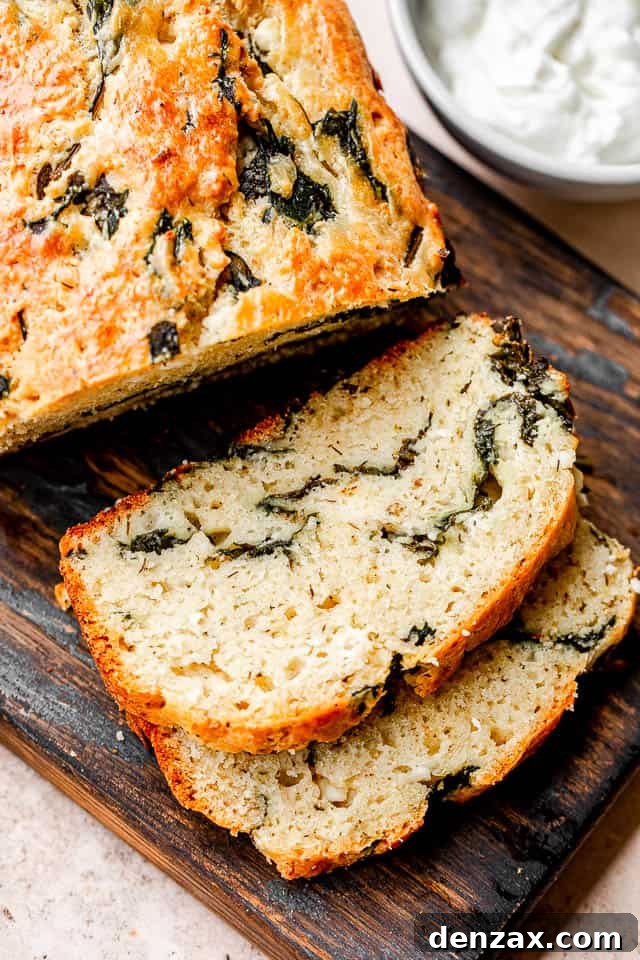
Craving the comforting aroma of freshly baked bread but dreading the long wait times for yeast to rise? Look no further! This incredible homemade Spinach and Feta No-Yeast Bread recipe offers a delicious, savory solution that’s unbelievably easy to make. Perfect as a hearty breakfast, a delightful side dish with your favorite meal, or a satisfying snack any time of day, this quick bread is packed with vibrant spinach and tangy feta cheese, promising a burst of Mediterranean-inspired flavor in every slice.
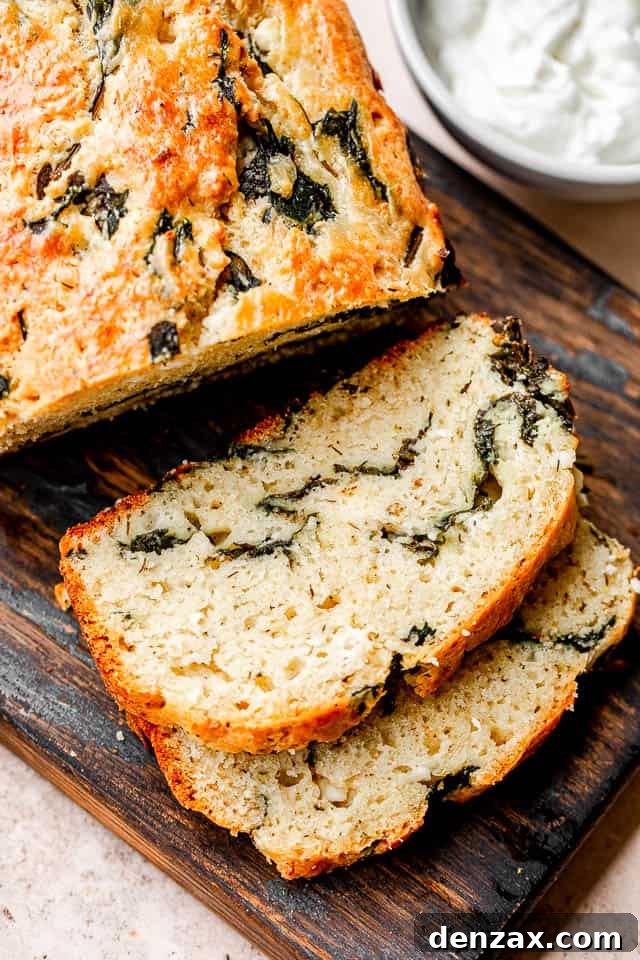
Quick & Easy Spinach and Feta No-Yeast Bread: Your Go-To Savory Loaf
There’s a special joy in baking homemade bread, a simple pleasure that fills your kitchen with warmth and an irresistible scent. However, sometimes the thought of kneading dough, waiting for it to proof, and repeating the process can feel like a daunting task, especially when time is short or your yeast supply is low. This revolutionary spinach and feta bread recipe eliminates those challenges, allowing you to enjoy a tender, flavorful loaf without any yeast whatsoever. It’s a game-changer for anyone who loves fresh bread but seeks a faster, simpler approach.
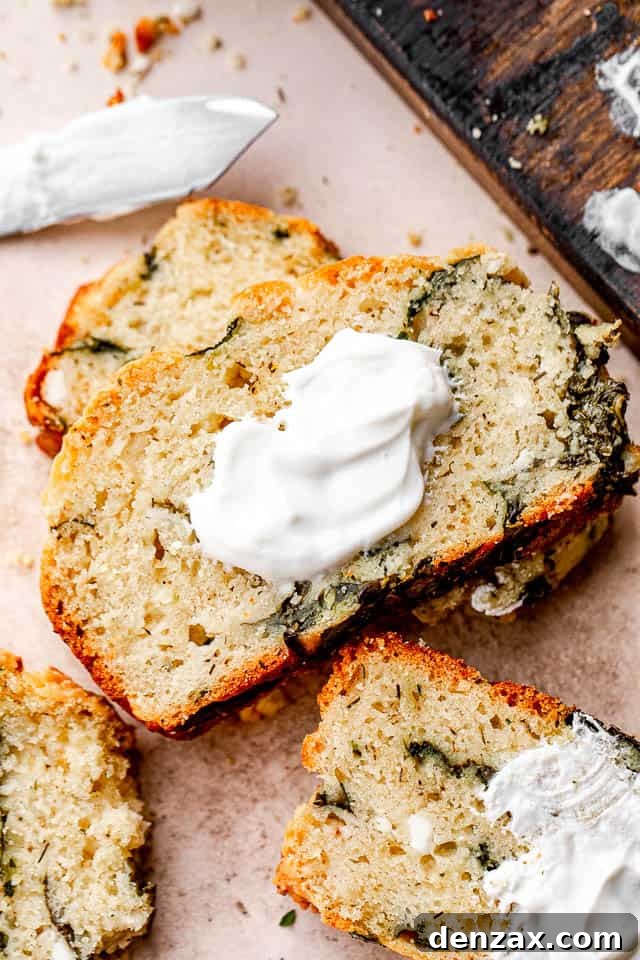
Imagine a dense, moist loaf, generously studded with tender spinach and salty feta, offering a delightful chewiness that’s reminiscent of the best artisanal breads. This quick bread is fantastic on its own, perhaps with a generous smear of creamy butter, or transformed into a gourmet sandwich. It’s a versatile addition to any meal, proving that exceptional homemade bread doesn’t always require an extensive process.
The Undeniable Appeal of No-Yeast Bread
Why opt for a no-yeast bread recipe? The reasons are plentiful, making it a favorite for both seasoned bakers and complete novices. Firstly, it’s the ultimate solution when you unexpectedly run out of yeast, ensuring your bread cravings can still be satisfied. But beyond emergency situations, this method offers distinct advantages that make it a preferred choice for many.
The most compelling benefit is undoubtedly the speed. Traditional yeast breads often demand hours of proofing time, sometimes even overnight. This no-yeast alternative significantly cuts down on preparation, allowing you to go from mixing bowl to freshly baked loaf in a fraction of the time. This makes it perfect for busy weeknights, impromptu gatherings, or when you simply can’t wait to sink your teeth into warm, savory bread.
Furthermore, no-yeast breads, often leavened with baking powder and baking soda, tend to have a different texture profile. They are typically denser and more cake-like than their yeasted counterparts, offering a satisfying chew that many adore. If you appreciate the rustic, hearty texture of soda bread or the dense, flavorful breads served at authentic Mediterranean restaurants, you will absolutely fall in love with this unique spinach and feta rendition. It’s an accessible and rewarding baking experience that delivers incredible results without the fuss.
Essential Ingredients for Your Savory Loaf
Crafting this flavorful spinach and feta bread requires a simple list of ingredients, most of which you likely already have in your pantry. The combination of fresh herbs, tangy cheese, and tender spinach creates a symphony of tastes that elevates this bread beyond the ordinary. Here’s a detailed look at what you’ll need:
- Olive Oil: Used for sautéing the spinach and garlic, it adds a foundational Mediterranean flavor and helps wilt the spinach perfectly.
- Baby Spinach: Fresh baby spinach is ideal for its tender texture and mild flavor. It cooks down quickly and disperses beautifully throughout the bread, adding color and nutrients.
- Garlic: Minced fresh garlic is crucial for infusing the bread with aromatic depth and a pungent kick that complements the spinach and feta.
- All-Purpose Flour: The primary structural component of the bread, providing a tender crumb. Ensure it’s measured correctly for the best texture.
- Sugar: Just a touch of sugar balances the savory elements and helps with browning, without making the bread sweet.
- Baking Powder + Baking Soda: These are your leavening agents in place of yeast. When activated by the acidic sour cream, they create the necessary lift, resulting in a perfectly risen loaf.
- Fresh Thyme: Earthy and slightly floral, fresh thyme adds a wonderful aromatic note that pairs exquisitely with spinach and feta.
- Fresh Rosemary: Piney and robust, fresh rosemary contributes a distinctive herbaceous aroma and flavor that enriches the overall profile of the bread.
- Salt: Essential for enhancing all the flavors in the bread and for proper seasoning.
- Fresh Ground Black Pepper: Adds a subtle warmth and a gentle bite, complementing the other savory ingredients.
- Sour Cream: This is a key ingredient for moisture and tenderness. Its acidity also reacts with the baking soda to help the bread rise. Full-fat sour cream will yield the richest results.
- Vegetable Oil: Adds additional moisture and contributes to a soft, tender crumb, preventing the bread from becoming dry.
- Eggs: Act as a binder, providing structure and richness to the batter, contributing to the loaf’s overall texture.
- Crumbled Feta Cheese: The star of the show! Salty, tangy, and crumbly, feta cheese melts slightly into the bread, creating pockets of intense flavor. It’s best to use good quality feta for the most authentic taste.
Step-by-Step Guide: Crafting Your Spinach and Feta No-Yeast Bread
Creating this savory quick bread is straightforward, requiring minimal fuss and delivering maximum flavor. Follow these simple steps for a perfect loaf every time:
- Prepare for Baking: Begin by preheating your oven to 350˚F (175˚C). Line a standard 9 x 5 inch loaf pan with parchment paper, leaving an overhang on the longer sides to create “handles.” This makes removing the baked bread much easier. Generously coat the parchment paper with cooking spray or butter to prevent sticking, then set the prepared pan aside.
- Sauté the Spinach and Garlic: Heat one tablespoon of olive oil in a skillet over medium heat. Add the baby spinach and minced garlic to the hot oil. Cook for approximately 2 minutes, stirring occasionally, until the spinach has wilted and the garlic is fragrant. Remove the skillet from the heat and allow the spinach mixture to cool completely before incorporating it into the batter. This step prevents the spinach from continuing to cook in the hot batter and ensures an even distribution.
- Combine Dry Ingredients: In a large mixing bowl, whisk together the all-purpose flour, sugar, baking powder, fresh thyme, fresh rosemary, salt, fresh ground black pepper, and baking soda. Whisk thoroughly for about 30 seconds to ensure all the leavening agents and seasonings are evenly distributed throughout the flour. Set this dry mixture aside.
- Prepare Wet Ingredients: In a separate medium-sized mixing bowl, combine the sour cream, vegetable oil, and eggs. Whisk these wet ingredients together until they are smooth and well-combined.
- Form the Batter: Gently pour the sour cream and egg mixture into the large bowl containing the dry ingredients. Using a spatula or wooden spoon, fold the wet ingredients into the dry ingredients until just combined. Be careful not to overmix at this stage; a few lumps are perfectly fine. Overmixing can lead to a tough bread.
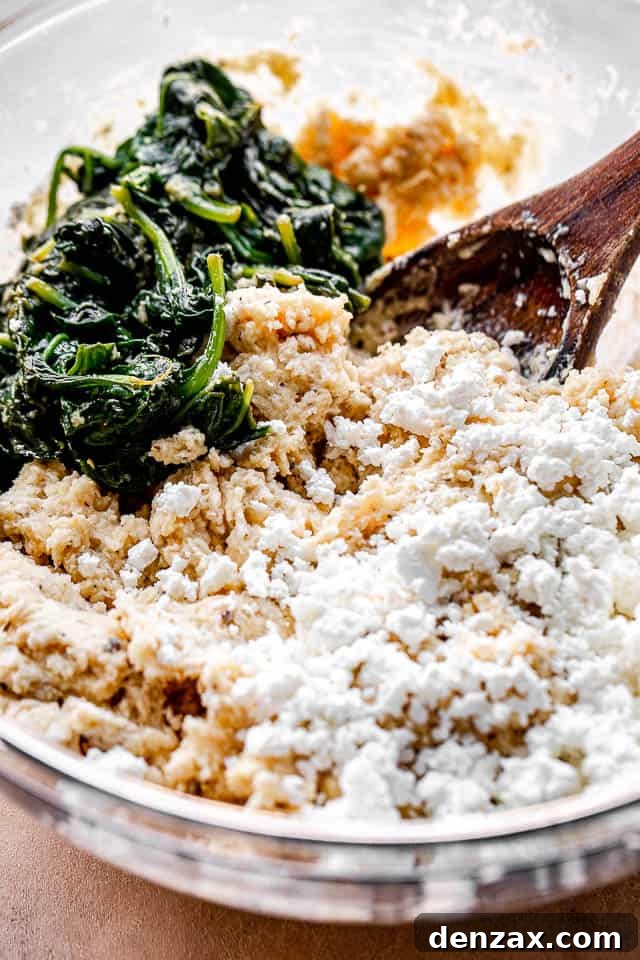
- Add Spinach and Feta: To the batter, add the cooled spinach and garlic mixture, along with the crumbled feta cheese. Gently fold these additions into the batter until they are just evenly distributed. Again, avoid overmixing to maintain the bread’s tender texture.
- Bake to Perfection: Pour the prepared batter into your previously lined and greased loaf pan. Spread the top evenly with your spatula. Transfer the pan to the preheated oven and bake for 40 to 50 minutes. The bread is done when a wooden toothpick or skewer inserted into the center comes out clean, indicating it is cooked through and moist. The top should be golden brown.
- Cool and Serve: Once baked, remove the loaf pan from the oven and let the bread cool in the pan for about 1 hour. This initial cooling period allows the bread to set and prevents it from falling apart. After 1 hour, carefully lift the bread out of the pan using the parchment paper overhang and transfer it to a wire rack to cool completely. Allowing it to cool fully on a rack ensures proper air circulation, preventing the bottom from becoming soggy. Slice, serve, and savor your delicious homemade creation!
Expert Tips for the Best No-Yeast Bread
Achieving a perfect loaf of no-yeast bread is simple, especially when you keep a few key tips in mind. These small details can make a significant difference in the final texture and taste of your Spinach and Feta No-Yeast Bread.
- Double-Guard Your Loaf Pan: While it might seem redundant to both line and grease your loaf pan, this step is crucial for no-yeast breads. These loaves tend to be denser and can stick easily. The parchment paper creates a non-stick barrier, and the cooking spray ensures the bread releases effortlessly. This combination guarantees a perfectly shaped loaf that comes out of the pan without any struggle.
- Cooling on a Wire Rack is Non-Negotiable: After the initial cooling period in the pan, transferring your bread to a wire rack is essential. Hot bread creates steam, and if it remains in the pan or on a solid surface, that steam gets trapped, leading to a soggy bottom. A wire rack allows air to circulate around the entire loaf, ensuring an even cool-down and a perfectly crisp crust.
- The Golden Rule: Do Not Overmix! Overmixing is the most common pitfall in quick bread recipes. Once you combine the wet and dry ingredients, mix just until no streaks of dry flour remain. Lumps are perfectly acceptable. Overmixing develops the gluten in the flour too much, resulting in a tough, chewy, and dense bread rather than a tender one. Remember, you’ll be stirring again when adding the spinach and feta, so light mixing initially is key.
- Room Temperature Ingredients: For optimal blending and a smoother batter, ensure your sour cream and eggs are at room temperature. Cold ingredients can cause the batter to seize up and can affect the activation of your leavening agents.
- Press Out Excess Moisture from Spinach: After wilting and cooling the spinach, gently squeeze out any excess water. This prevents your bread from becoming watery or dense. You can do this by pressing the spinach between layers of paper towels or by squeezing it in a clean kitchen towel.
- Fresh Herbs Make a Difference: While dried herbs can be substituted in a pinch (use 1/3 the amount of fresh), fresh thyme and rosemary provide a significantly brighter, more aromatic flavor that truly enhances this savory bread.
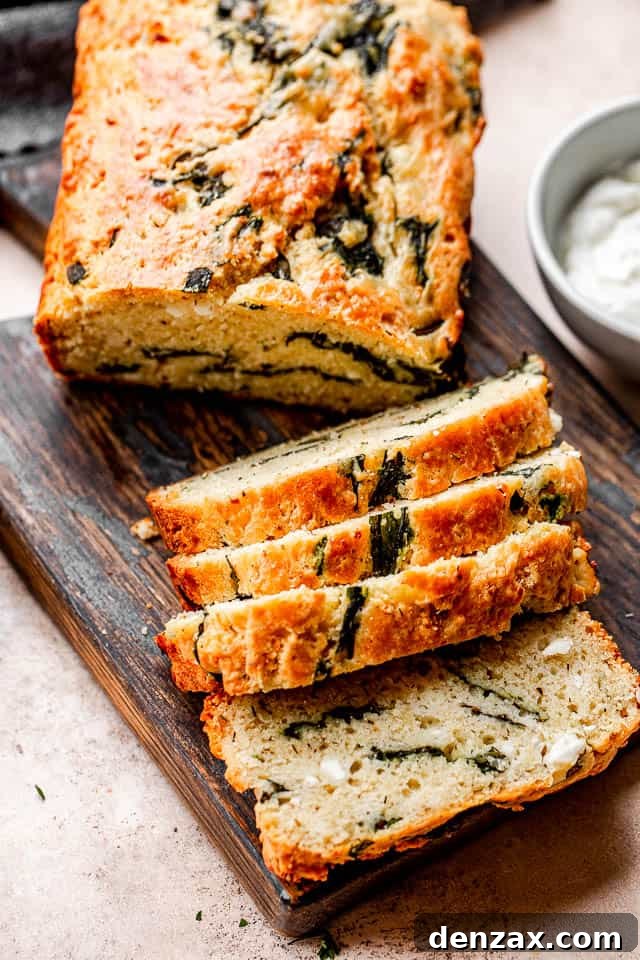
Delicious Serving Suggestions for Your Savory Loaf
This Spinach and Feta No-Yeast Bread is incredibly versatile, making it a fantastic accompaniment to a wide array of dishes or a star in its own right. Its savory profile and satisfying texture make it a welcome addition to almost any meal. Here are some delectable ideas to inspire you:
- Pair with Pasta: For an indulgent and complete savory feast, serve warm slices alongside your favorite pasta dishes. The bread is perfect for soaking up rich sauces. Imagine it with a creamy pesto pasta, a hearty lasagna, or this Easy Cheesy Baked Ziti. Its robust flavor stands up beautifully to rich Italian cuisine.
- Soup’s Best Friend: There’s nothing quite like dipping a crusty piece of bread into a warm bowl of soup. This spinach and feta loaf is exceptional with creamy tomato soup, a robust lentil soup, or my comforting Creamy Ravioli Soup recipe. The savory notes of the bread complement the warmth and depth of any soup.
- Chicken Companionship: A simple chicken dinner can be transformed with the right side dish. This bread offers a delicious contrast to lighter chicken preparations. Serve it with my crispy Crispy Honey Sesame Chicken, or alongside these tender Oven Baked Chicken Tenders for a family-friendly meal. It’s also fantastic with roasted chicken or a grilled chicken salad.
- Brunch Favorite: Elevate your brunch spread by serving this bread alongside scrambled eggs, a fresh fruit salad, or a smear of cream cheese. It makes a delightful alternative to traditional muffins or bagels.
- Appetizer or Snack: Slice it thin and serve with a tzatziki dip, hummus, or a simple olive tapenade. It’s also substantial enough to enjoy on its own as a satisfying mid-day snack.
- Unique Sandwiches: Use thick slices of this bread as the base for open-faced sandwiches. Top with grilled vegetables, roasted peppers, or a spread of herbed cream cheese and a slice of turkey for a light lunch.
Storing Your Homemade Spinach and Feta Bread
Proper storage is key to keeping your homemade bread fresh and delicious for as long as possible. Whether you plan to enjoy it over a few days or save some for later, here’s how to store your Spinach and Feta No-Yeast Bread:
- Room Temperature Storage: For enjoyment within a few days, store the cooled loaf in a large resealable plastic bag or an airtight container. Make sure to press out as much air as possible before sealing. Stored at room temperature, away from direct sunlight and heat, your bread will remain fresh and flavorful for up to 3 days.
- Refrigeration: If you need to extend its shelf life, transfer the bread to the refrigerator. Wrap it tightly in plastic wrap, then place it in a resealable bag or airtight container. In the fridge, it will stay fresh for up to a week.
- Freezing for Long-Term Storage: This bread freezes beautifully! You can freeze it as a whole loaf or slice it first for easy portioning. Wrap individual slices or the entire loaf tightly in plastic wrap, then place in a freezer-safe bag or airtight container. It will maintain its quality in the freezer for up to 3 months.
- Reheating Instructions: To enjoy frozen bread, thaw it overnight in the refrigerator or at room temperature. For both refrigerated and thawed bread, you can gently warm slices in a toaster, toaster oven, or a preheated oven (around 300°F/150°C for 5-10 minutes) until warm and slightly crispy.
Creative Variations to Explore
While this Spinach and Feta No-Yeast Bread is perfect as is, it also serves as an excellent canvas for culinary creativity. Feel free to experiment with these delicious variations to customize your loaf:
- Add Sun-Dried Tomatoes: Incorporate 1/2 cup of finely chopped, oil-packed sun-dried tomatoes (drained) along with the spinach and feta for an extra burst of concentrated tomato flavor and vibrant color.
- Spice It Up: For a subtle kick, add a pinch of red pepper flakes to the dry ingredients. If you enjoy more heat, a finely chopped jalapeño can be folded into the batter.
- Different Cheeses: While feta is a star, other cheeses can also work wonders. Try mixing in grated Parmesan, shredded provolone, or even a blend of Italian cheeses for a different savory profile.
- Olives or Artichoke Hearts: For a more distinctly Mediterranean flavor, fold in 1/4 cup of chopped Kalamata olives or diced marinated artichoke hearts with the spinach and feta.
- Onion or Leek: Sauté finely diced red onion or thinly sliced leeks until caramelized and cool before adding them to the batter. This adds a sweet, savory depth.
- Whole Wheat Flour: For a heartier, more rustic loaf, you can substitute up to half of the all-purpose flour with whole wheat flour. Note that this may result in a slightly denser texture.
- Different Herbs: If thyme and rosemary aren’t your favorites, consider fresh dill, oregano, or chives for alternative aromatic profiles.
Frequently Asked Questions About No-Yeast Bread
New to no-yeast baking or simply looking for extra tips? Here are some common questions and helpful answers regarding this Spinach and Feta No-Yeast Bread:
- Can I use frozen spinach instead of fresh?
- Yes, absolutely! If using frozen spinach, ensure you thaw it completely and then squeeze out as much excess water as possible. This is crucial to prevent a soggy bread. You’ll likely need about 10-12 ounces of frozen spinach to yield the same amount as 6 ounces of fresh once the water is removed.
- What can I substitute for sour cream?
- Full-fat plain Greek yogurt is an excellent substitute for sour cream. It provides similar tanginess, moisture, and acidity to activate the baking soda. Buttermilk can also work, but you might need to adjust the amount slightly to maintain batter consistency. Avoid low-fat options if possible, as the fat content contributes to the bread’s tenderness.
- My bread didn’t rise much. What went wrong?
- A few factors could affect the rise:
- Expired Leavening Agents: Make sure your baking powder and baking soda are fresh. They lose potency over time.
- Overmixing: As mentioned in the tips, overmixing develops gluten and can prevent a good rise.
- Oven Temperature: Ensure your oven is accurately preheated. An oven thermometer can help verify this.
- Ingredient Ratios: Double-check your measurements, especially for the baking powder and soda.
- Can I make this bread gluten-free?
- While this recipe hasn’t been specifically tested with gluten-free flour, you might have success with a 1:1 gluten-free baking flour blend that contains xanthan gum. The texture might be slightly different, but it’s worth a try for those with gluten sensitivities.
- How do I know when the bread is fully baked?
- The most reliable test is the toothpick method. Insert a wooden toothpick or a thin skewer into the very center of the loaf. If it comes out clean with no wet batter clinging to it, your bread is fully baked. The top should also be golden brown and firm to the touch.
- Can I add other vegetables?
- Yes, finely diced and sautéed bell peppers, chopped scallions, or caramelized onions would all make wonderful additions. Just ensure any vegetables are cooked and cooled before adding them to the batter to avoid excess moisture.
Print Recipe
Spinach and Feta No-Yeast Bread
Katerina | Easy Weeknight Recipes
15 minutes
45 minutes
1 hour 30 minutes
1 hour
12 slices
Ingredients
- 1 tablespoon olive oil
- 6 ounces baby spinach
- 2 cloves garlic, minced
- 1 3/4 cups all-purpose flour
- 1 tablespoon sugar
- 1 1/2 teaspoons baking powder
- 1 teaspoon chopped fresh thyme
- 1 teaspoon chopped fresh rosemary
- 1/2 teaspoon salt
- 1/2 teaspoon fresh ground black pepper
- 1/4 teaspoon baking soda
- 3/4 cups sour cream
- 1/2 cup vegetable oil
- 2 large eggs
- 4 ounces crumbled feta cheese
Instructions
-
Preheat oven to 350˚F (175°C).
-
Line a 9 x 5 inch loaf pan with parchment paper and coat well with cooking spray. Set aside.
-
Heat olive oil in a skillet; add spinach and garlic and cook for 2 minutes, or until spinach is wilted.
-
Remove from heat and set aside to cool completely.
-
In a large mixing bowl, whisk together the flour, sugar, baking powder, thyme, rosemary, salt, pepper, and baking soda until thoroughly combined. Set aside.
-
In a separate mixing bowl, combine sour cream, vegetable oil, and eggs; whisk to combine smoothly.
-
Fold the sour cream mixture into the flour mixture until just combined. Avoid overmixing.
-
Add the cooled spinach and garlic mixture and the crumbled feta cheese to the batter; gently stir to combine evenly.
-
Pour the batter into the prepared loaf pan and bake for 40 to 50 minutes, or until a toothpick inserted into the center of the bread comes out clean.
-
Remove from oven and let cool in the pan for about 1 hour. Then, remove the loaf from the pan and transfer to a wire rack to cool completely.
-
Slice and serve your delicious homemade bread.
Equipment
- Oven
- 9 x 5 inch loaf pan
- Skillet
- Parchment Paper
- Wire Rack
Nutrition
Carbohydrates: 17g |
Protein: 5g |
Fat: 16g |
Saturated Fat: 11g |
Cholesterol: 47mg |
Sodium: 313mg |
Potassium: 136mg |
Fiber: 1g |
Sugar: 2g |
Vitamin A: 1512IU |
Vitamin C: 5mg |
Calcium: 114mg |
Iron: 2mg
Nutritional information is an estimate and provided as a courtesy. Values may vary according to the specific ingredients and tools used. Please consult your preferred nutritional calculator for more detailed and accurate information.
Embrace the simplicity and incredible flavor of this Spinach and Feta No-Yeast Bread. It’s a testament to the fact that baking delicious, wholesome bread doesn’t have to be complicated or time-consuming. With its quick preparation and delightful taste, it’s sure to become a cherished recipe in your kitchen. Enjoy the rich, savory goodness of homemade bread, made easy!